Canvas of Sounds: Non-synesthetic Visual Representations of Music in Scholarly Literature
Volume 11, Issue 1, Pages 22-46
Abstract
This article aims to investigate the relationship between visual arts and music, specifically focusing on non-synesthetic visual representations of music. Although synesthesia, where one sensory experience involuntarily stimulates another, has been extensively studied, there remains a gap in understanding how music can be visually represented without direct sensory overlap. This study is a systematic review of academic databases, analyzing scholarly articles published between 2009 and 2022 to capture recent advancements in this interdisciplinary field. The findings reveal four themes: the nature of visual representations, methodological approaches, influence of cultural and individual factors, and recognition of this inquiry as an interdisciplinary area. It is observed that entire musical compositions often yield more intricate visual representations, whereas specific musical elements tend to produce more symbolic and abstract visuals. The review concludes the significance of interdisciplinary approaches, combining insights from art, psychology, and computational analysis in exploring music’s visual representation.
摘要
本文旨在探讨视觉艺术与音乐之间的关系,特别聚焦于非联觉的音乐视觉表征。尽管联觉——一种感官经验不由自主地激发另一种感官的现象——已被广泛研究。然而在理解音乐如何在无直接感官重叠的情况下实现视觉呈现这一方面,仍存在认知空白。本研究系统性回顾了2009年至2022年间的学术资料库,分析该跨学科领域的最新发展。研究结果揭示四大主题:视觉表征的本质、方法论取向、文化与个人因素的影响,以及对此议题作为跨学科领域的认识。观察发现,完整的音乐作品往往产生更为复杂的视觉表征,而特定的音乐元素则倾向于呈现更具象征性与抽象性的视觉形式。该综述强调跨学科方法的重要性,结合艺术、心理学与计算分析的洞见,共同探索音乐的视觉表征。
Keywords
music, non-synesthetic visual representation, systematic literature review, art studies.
关键词
音乐, 非联觉视觉表征, 系统性文献综述, 艺术研究.
History
Received 01 January 2025
Accepted 01 March 2025
Open Access
This is an open access article.
Introduction
The relationship between fine arts and music has become a subject of discussion, exploration, and reflection. These two art forms are different in their medium but often complement and influence each other. However, music’s ephemeral and abstract nature means its concrete form is frequently questioned and discussed. Kanellos (2018) discussed the contemporary trends in visual music practice, where artists create compositions that do not directly reference the physical world but instead focus on form, movement, and rhythm to mirror musical structures. Later, Dhar (2023) supports this by highlighting that auditory components of music can inspire visual art and vice versa. This ongoing dialogue between music and visual art underscores the significance of music and visual art relationship (Dhar, 2023).
Art is created and perceived by the human brain. Both music and visual art can stimulate profound emotions and depict human experience. These experiences can be represented in paintings and various art forms. That is why it is common to find paintings named after music, or even directly inspired by specific musical compositions (Liu, 2022). The intermediality and translation between these art forms, however, largely depend on the individual artist’s perspective and interpretation. For instance, the artworks of Paul Klee that were deeply influenced by his musical background will inherently differ from other artists’ works with similar musical roots. Many phenomena link music and visual arts from human perspectives. One notable phenomenon in the perceptual and conceptual domain is synesthesia. Synesthesia is often linked to a condition where one sensory experience triggers another (Chiou et al., 2018; Mealor et al., 2016), for example, hearing a word when eating a particular food (an auditory–taste association) or seeing the color orange when listening to music (a visual–auditory association). In synesthesia, the sensory experiences are involuntary, automatic, and consistent. These characteristics set synesthesia phenomena apart from hallucinations (Hochel & Milan, 2008). However, synesthetic phenomena are rare in the general population, with a prevalence of only 0.05% or less (Watson et al., 2017).
Since majority of people do not experience synesthesia, this article narrows its focus on how non-synesthetic individuals translate music into visual representations, which can contribute to a broader understanding of cross-modal artistic expression. As stated, synesthesia is a condition where sensory experiences cross paths, such as seeing colors when hearing music—that is, interpreting and representing music visually (Lynall & Blakemore, 2013). This article tries to look for artistic exploration beyond synesthesia that helps answer and creating new connections between music and visual arts. By examining this process, the research contributes to a broader understanding of how music can be visually represented without relying on automatic sensory triggers. This exploration is vital for several reasons. First, it extends artistic exploration beyond the area of synesthesia that enhances the universality and accessibility of art. Second, in a globalized and diverse world, this study strives to establish a shared artistic language, promoting cross-cultural understanding and appreciation. Lastly, the findings hold potential for educational innovation, especially in art and music (Presicce & Bailes, 2019).
This article aims to investigate the non-synesthetic visual representation of music, where individuals without synesthetic tendencies interpret and depict musical compositions and musical forms visually. By examining the differences in visual representations of full musical compositions and individual musical elements, this article will uncover techniques and methodologies used by artists. Therefore, the objectives of this literature review are as follows: To explore how visual representations of full musical compositions differ from those based on individual musical elements (e.g., rhythm, melody, harmony) in non-synesthetic visual representations and to identify the techniques used to translate each musical element into a visual element without relying on synesthetic experiences.
This study is a systematic literature review (SLR) that systematically examines existing scholarly research on non-synesthetic visual representation of music. Through the literature, we tried to find key themes and methodologies used. SLR is a structured method of synthesizing research evidence with a specific research question (stated in the previous paragraph) and systematic search (Smela et al., 2023). The review synthesizes findings from multiple sources to explore how different musical elements are visually interpreted, which highlight gaps in existing research.
The first objective investigates how visual representations of entire musical compositions (one full song) compared with those derived from individual musical elements, such as rhythm, melody, and harmony. This objective means to identify the distinct visual languages or symbols used to depict complex musical wholes versus their separated elements. For example, how a full musical composition is depicted is going to be different from a short stimulus (a part of a short melody) because a full composition has a certain meaning that can trigger feelings. The second objective explores the specific techniques artists and researchers employ to visually translate these musical elements without the influence of synesthetic perceptions. It uncovers the methodologies behind translating auditory experiences into visual forms and investigates creative and analytical approaches that do not rely on the innate sensory crossovers of synesthesia.
Art, Music, and Non-synesthetic Visual Representations of Music
To discuss the relationship among art, music, and non-synesthetic visual representations, it is important to define these terms clearly.
Art is defined differently by experts and philosophers. Ancient Greek philosophers Plato and Aristotle viewed art as mimesis—an imitation of reality. Plato considered art a representation of ideal forms, whereas Aristotle saw it as a reflection of nature and human experiences (Isrow, 2017). In contrast, the 18th-century philosopher Immanuel Kant shifted the focus to aesthetics, emphasizing art as an experience of beauty and the sublime that precedes intellectual judgment (Osborne, 2013). More contemporary perspectives see art not only as an imitation of external reality but also as an expression of internal emotions and intellectual exploration. The definition of art has evolved from art as an imitation of external realities or ideals to art as an expression and exploration of internal perceptions, emotions, and intellectual concepts. In terms of its form, art has many forms. Thomas Munro categorized art forms based on the techniques used as well as the sensory experiences they use. Art itself includes visual arts such as painting, sculpture, and photography; performing arts like dance, theater, and music; and literary arts (Munro, 1970).
Visual arts refers to works primarily intended for visual perception. Its fundamental components—often called visual elements—include line, color, shape, texture, and space (Kandinsky & Bähr, 2021). These elements combine to create a wide range of artistic expressions, from abstract paintings to intricate designs. Music, unlike visual arts, is a temporal and auditory form of artistic expression. However, music can convey emotions, narrate stories, and create atmospheres (Munro, 1970). To form a complete music composition, elements and structures of music play a crucial role. According to Jamalus (1988), music’s elements (also called components) are divided into two major groups: basic elements and expressive elements. Basic elements are the most fundamental components of music, consisting of melody, rhythm, harmony, and song structure, and expressive elements are the components that shape the mood and feelings in music. They consist of tempo, dynamics, and timbre, also known as tone color.
The term visual representation is widely used across fields, including communication, education, and science. Visual representation involves conveying information through images, diagrams, or symbols to enhance understanding. W.T.J. Mitchell (1994), in picture theory, describes visual representation as a process of depicting an object while capturing its meaning and significance. In scientific contexts, visual representation is essential for explaining complex phenomena, such as microscopic structures, large-scale astronomical models, or abstract concepts like sound (Richards, 2003). There are specific areas where visual representation can be found: (a) phenomena that cannot be studied through the naked eye (microscopic and macroscopic); (b) phenomena that are not visually tangible but can be translated, such as sound/audio; (c) in experiments to present visual data. In this study, visual representations are seen in the area of phenomena that are not visually tangible but can be translated.
As described in the Introduction, visual representation of music can be produced in several ways. A condition like synesthesia allows people to see colors when they hear something, and then visual representation of this condition is called “synesthetic visual representation.” Synesthetic visual representation refers to the depiction of sensory experiences through visual means by individuals who experience synesthesia (Chiou et al., 2013). In this condition, stimulation of one sensory or cognitive pathway leads to automatic, involuntary experiences in a second sensory or cognitive pathway. However, what is discussed in this article is the non-synesthetic visual representation one.
Methodology
The inclusion and exclusion criteria presented in Table 1 determined the articles chosen for the literature review analysis.
| No. | Criteria | Included | Excluded |
|---|---|---|---|
| 1 | Research quality and index | Peer-reviewed, SCOPUS indexed | Unpublished study, non-Scopus study |
| 2 | Published year | 2009–2022 (13 years) | Before 2009 |
| 3 | Language | English | Non-English |
| 4 | Visual arts and music according to human perspective | Relationship between visual arts and music according to people | Relationship visual arts and music based on generative |
| 5 | Types of visual representation of music | Static visual representation of music | Dynamic visual representation of music (music visualizer, visual components of live performance, etc.) |
| 6 | Non-synesthetic phenomenon | Non-synesthetic phenomenon | Synesthetic phenomenon |
| 7 | Access | Full-text articles available to be accessed | Full-text articles are not available to be accessed |
To begin with, two sets of search terms were employed in Scopus: “visual arts” AND “music,” “painting” AND “music” to locate relevant articles. This is because different researchers may use different terminologies and keywords in their studies.
Figure 1 illustrates the selection process. The selection process is designed to avoid selection bias and ensure adherence to the inclusion and exclusion criteria. Initially, 1,294 articles were identified, and refining the search with the term “representation” narrowed this number to 291 articles. The screening of articles was then conducted based on the publication year (2009–2022) and language criteria, specifically selecting those written in English, resulting in a total of 222 articles. The period from 2009 to 2022 was chosen to capture the most current and relevant discussions, methodologies, and findings in the field, acknowledging the technological advancements in digital art, music production, and multimedia platforms during this time, which influenced research approaches in the topic of interest (Oksanen et al., 2023). These advancements have influenced how researchers approach the topic, making studies from this period more pertinent to the current context.
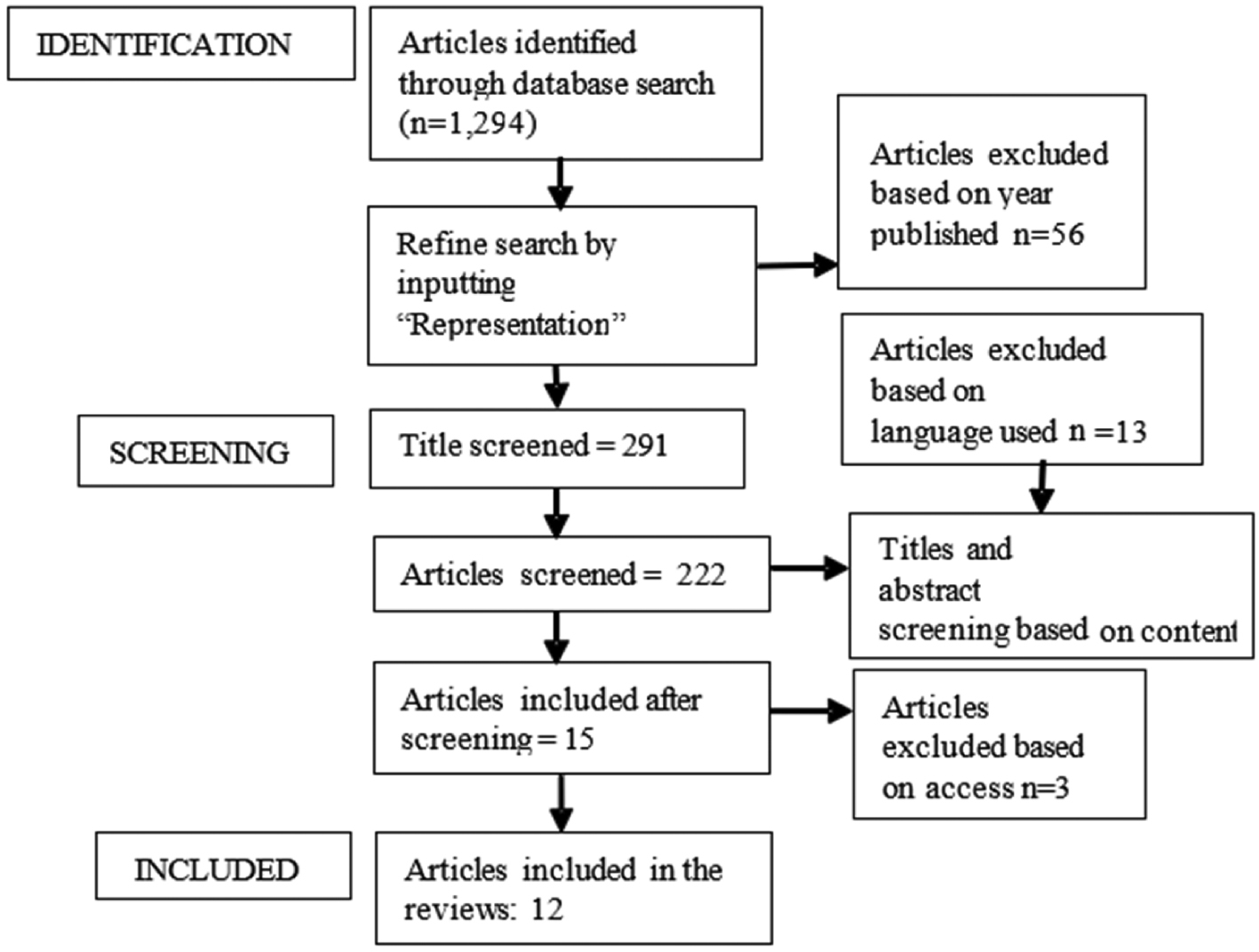
Figure 1 - Overview of the literature selection procedure.
The next step was the abstract screening process to find relevant articles that were presented based on the article’s research questions. The process involves limiting the articles based on these criteria: (i) visual representation of music source types, (ii) visual arts and music based on human experience, and (iii) non-synesthetic phenomenon article. The first research objective was to set apart the music source for visual representations discussed in the articles. The approach is more holistic when using an entire music composition as a source of visual representation. Meanwhile, using specific music elements or forms for visual representation means focusing on aspects of music (e.g., melody, timbre, tempo, dynamics). The second objective was to find out the process of translation from visual arts to music based on human experience (in non-synesthetic conditions), which involves expression and emotion. To meet this objective, the area of study since visual arts and music is not limited to one discipline as this is already interdisciplinary research. By not limiting the area, the exploration of methods is varied, and we can achieve a more holistic understanding. However, from 222 articles, there were not many topics that connect both visual arts and music. Despite the broad criteria, the search for topics that connect both visual arts and music results in 15 studies of relevance after abstract screening.
The final step in the selection process involved choosing articles that provided full-text versions, resulting in 12 studies being included in the review. This criterion introduces a limitation by potentially excluding significant research not accessible due to subscription or paywall barriers. However, the selected studies were thoroughly reviewed and analyzed using a thematic analysis approach, with potential codes identified from each article to develop subthemes that address the research questions.
Results
This section presents the key findings from these 12 literature reviews, showcasing a range of approaches and insights. Scholars have investigated how music influences visual creativity and how visual elements can shape the experience of music. The insights from each review are briefly summarized below.
Spence and Di Stefano (2022): Colored hearing, color music, color organs, and the search for perceptually meaningful correspondences between color and sound
The study by Spence and Di Stefano (2022) discusses historical exploration of the potential relationships between color and sound. This pursuit traces back to ancient philosophies and has evolved through the ages with contributions from notable figures such as Aristotle, Newton, Goethe, and Helmholtz. These historical perspectives support Spence and Stefano’s article about the analogies and correspondences between the visual and auditory forms, particularly between musical scales and the color spectrum. The research discusses the foundational theory and empirical investigations of these cross-modal correspondences, examining the nuanced relationships among pitch, timbre, and color. According to Spence and Stefano, people intuitively associate higher pitches with brighter visual stimuli and lower pitches with darker visuals. Despite the lack of direct mappings between specific hues and pitches, studies have identified more consistent associations with brightness and timbre. For instance, according to Adeli et al. (2014), “soft” timbres are associated with cool colors such as blue, green, or light gray, and these colors are often linked with rounded shapes. This suggests a perceptual link between softer, mellower sounds and visual impressions of lighter, cooler hues, which might be perceived as less visually “loud” or bright. On the opposite side, “harsh” timbres are associated with colors like red and yellow, which are linked with sharp angular shapes. In conclusion, Spence and Di Stefano’s (2022) work represents a thorough and reflective examination of the connections between color and sound. It navigates historical perspectives, empirical research, artistic explorations, and theoretical debates.
Liu (2022): Painting of music
Liu’s article (2022) discusses the relationship between music art and visual arts in the form of visual representation. This article talks about two types of visual representations of music: (a) Visual representation of a musical composition (piece of music) in the form of images or depictions. An example of this type of visual representation is a painting by Jack Ox, which depicts Anton Bruckner’s composition Eighth Symphony with an architectural illustration combined with lines and colors; (b) Representation of the music form itself, capturing existing musical elements. This type of representation can be seen in Paul Klee’s painting titled “Fuge in Rot.” In this painting, a series of pink shapes (leaves, vase, circle, triangle, and square) with a gradient from dark to light are arranged sequentially according to the melody.
Liu’s method here involves analyzing existing visual arts pieces (by Paul Klee) to see how Klee represents melody in “Fuge in Rot” and reviewing literature related to the correspondence between visual arts and music.
Besides representation, this article also discusses how to appreciate a painting of music. When viewing a painting of music, the audience is not always familiar with the music being represented. However, appreciation can still be achieved by imagining or contemplating the music expressed through the painting’s feel and character. For example, bold colors and sharp lines can stimulate viewers to imagine certain music.
Banerjee et al. (2022): Musical influence on visual aesthetics: An exploration on intermediality from psychological, semiotic, and fractal approach
Banerjee et al. (2022) discuss the relationship between auditory and visual stimuli and their combined impact on human emotional experiences and memories. In the research, Banerjee et al. highlight how our sensory experiences, particularly those involving auditory and visual elements, are connected, creating memories and emotions. For instance, hearing a song can trigger vivid memories of the environment in which it was first heard, just as revisiting a painting can bring back auditory memories of conversations or music from that moment. There are three primary attributes in the study of music signals: pitch, loudness, and timbre. The researchers distinguish between the objective measurement of sound frequency in Hertz and the subjective perception of pitch and also explore how loudness and pitch are perceived to be interconnected based on daily experiences and nature’s patterns. The research also explores musical features such as tempo, pauses, and compositional complexity and their influence on listeners’ emotional responses.
The research method involves an innovative multi-approach analysis. Abstract paintings and instrumental music are used in the variations in emotional outcomes based on compatible and incompatible combinations of music and visual arts. The choice of abstract paintings aims to focus on emotional communication through basic visual elements, aligning with the abstract emotional evocation of instrumental music.
Several important results are present: Musical features such as tempo and loudness have visual dynamic and color intensity. Complex and chaotic visuals were found to have emotional counterparts in music characterized by fast tempo and high loudness (dynamics). From the audience response, music significantly influences the emotional reception of abstract paintings; thus, it can enhance emotional valence and make the overall aesthetic experience more intense. The study also found that soft, slow, music clips aligned well with static and cool paintings. Meanwhile, fast and loud music clips tend to trigger higher arousal emotions and match with the complex painting. Because this study is a mixed-method study, there is also fractal analysis finding, which revealed a correlation between the complexity and temporal aspects of paintings and music.
Giannos et al. (2021): Cross-modal associations between harmonic dissonance and visual roughness
This article shows how a sound element (harmony) can be associated with a specific texture. In this article, several types of harmony (minor, major, jazz, quartal, octatonic, random, and whole tone) are tested to determine human perceptions of them by associating them with visual roughness—a coarse visual texture.
In this article, the researchers want to determine whether dissonant harmony (inharmonious sounds/slightly rough) creates a rough visual perception and whether consonant harmony (sounds pleasing) makes people think of a smooth visual.
In testing this, Giannos et al. took a series of melodies and added different harmonies. Some sounded conventional and familiar, whereas others sounded foreign and random. Afterward, respondents were asked to match the music with images containing smooth and rough textures.
The result of this study showed that the more the music is dissonant/inharmonious, the more likely respondents are to match it with images with a rough texture. In addition, respondents generally considered harmonic and tonal music to sound more pleasant and familiar. This is also shown by the results of the texture pairing, namely images with a smooth texture. In this article, the social and cultural relations of the respondents are not mentioned; hence, it cannot be concluded that the visual representation of the harmony music element is related to social and cultural aspects.
Gayen et al. (2021): Musical influence on visual aesthetics: Influence of “indeterminate music” on visual art: A phenomenological, semiotic and fractal exploration
The article by Gayen et al. is based on how composers and visual artists have connections in their works. The researchers observed that, even though these art forms are related, how this relationship is produced has not yet been revealed. Thus, in this article, the research was conducted by playing songs from composers and giving abstract expressionist painters the opportunity to create paintings inspired by what they heard.
In their analysis process, Gayen et al. examined the experiences and feelings of the painters while working, studied the music and their paintings in detail to understand their connection, and performed quantitative analysis using mathematical methods (detrended fluctuation analysis [DFA]) to study the patterns of music and painting.
The results showed a strong relationship between the musical style’s main characteristics and the artists’ paintings. The emotions and images/paintings inspired by certain music are very personal and vary from person to person. However, these paintings do indeed show a relationship with music. This relationship can be direct (iconic), based on memory/emotion (indexical), or symbolic. Fragmented-sounding music often makes people feel emotions like fear and uncertainty. This type of music is reflected in paintings with fragmented lines. Different musical structures evoke different emotions. For example, stable music tones can elicit feelings of loneliness or sadness, whereas fluctuating tones can evoke emotions like anger or surprise.
Novák (2020): Transmedia principles in Impressionism spanning painting, music and literature
This article does not directly discuss the correlation between musical elements and visual/artistic elements as two different forms of art. However, the article explores the transmedia principles in Impressionism that encompass three forms of art: painting, music, and literature. Applying intermediality, Novák (2020) finds an exploration of the meeting point of these three art forms.
In Novak’s writing, Impressionism aims to evoke sensory experiences, capturing emotions, and changes in light and color. Emotions in painting is achieved directly using color, light, and brushstrokes. Music cannot “show” these changes visually. However, composers influenced by Impressionism, such as Debussy, use melody, rhythm, and timbre (the quality or “color” of sound) in varied ways to stimulate and depict similar emotions or impressions from a scene. The visual representation discussed here is generally melody, rhythm, and timbre, but it is not detailed regarding the media transition. Examples taken are Monet’s paintings and compositions by Debussy. Although not discussing the representation of music or related visuals, the similarity in mood in the Impressionist style in music and visual arts proves that both art forms in Impressionism evoke sensory impressions and emotions, capture something transient, and present the artist’s interpretation of a scene or moment. There are three works from three forms of art discussed in this article:
Painting: Monet painted the Rouen Cathedral in a different way; he did not just attempt to show the physical building. Instead, he tried to capture the feeling or experience of viewing the cathedral in a particular light and time. Thus, this painting focuses on emotions and the interplay of light and shadow.
Music: Debussy’s composition titled La Mer talks about the sea, but Debussy did not attempt to mimic the sound of the ocean directly; instead, Debussy tried to convey feelings and emotions when viewing the sea.
Literature: Verlaine’s poem “Chanson d’automne” talks about the autumn landscape, but its delivery goes deeper into human emotions like sadness, longing, and the passage of time.
The similarity of these three Impressionist works is their depiction of emotions and specific motifs without conveying them literally.
Elkoshi (2019): When sounds, colors, and shapes meet: Investigating children’s audiovisual art in response to classical music
In the article, Elkoshi discusses how sounds/music are represented in visual forms by children aged 7 to 8 years. This research is inspired by studies related to child development psychology and cognition, examining children’s intuitive efforts to notate musical elements. The method used is based on a pedagogical approach titled Musikalische Graphik, which assumes analogies between color and form with music.
Elkoshi used classical music compositions Danielis Ludus, Chopin’s Prelude Op. 28 No. 10 in C-sharp minor, and Bela Bartók’s Melody in the Mist as stimuli and gave participants the opportunity to draw freely.
The results of this study revealed several types of visual representations of the music compositions presented to the children. Some captured the feelings or ideas they associated with themselves, influenced by culture, or connected with emotions and stories they wanted to convey; others captured music as form (the musical elements themselves) and summarized it with lines and areas.
Athanasopoulos and Antović (2018): Conceptual integration of sound and image: A model of perceptual modalities
This article by George Athanasopoulos focuses on the blending of music and visual representation in two dimensions as a hidden mechanism presented in “perceptual modalities.” Based on the conceptual blending theory, which combines words, images, and ideas in “mental spaces,” the article emphasizes how a representation is constructed from an experience-based nature. In this article, the representation discussed is from the musical form, where Athanasopoulos provided stimuli to several groups of respondents from various countries—England, Japan, and Papua New Guinea. Subsequently, participants were asked to choose shapes that analogically describe the piece of music they heard. The data collection method involved a multiple-choice questionnaire: music was played, and respondents were asked to select one answer representing the melody segment (forced choice).
The results of Athanasopoulos’ experiment conclude that melody was the musical element tested, and the visual elements chosen to represent it were points and lines. The questionnaire results show that pitch alterations can be visualized as variations in the height of lines, and sociocultural aspects also affect the visual representation of music. This is because the way music is conveyed is a form of communication; hence, social and cultural aspects will also influence the personal association between music and visuals.
McMullan-Glossop (2017): Hues, tints, tones, and shades: Timbre as color in the music of Rebecca Saunders
McMullan-Glossop’s article does not directly address the reciprocal relationship between visual arts and music. However, McMullan-Glossop focuses on how, in contemporary music, Rebecca Saunders—a contemporary composer—frequently uses the terms color and timbre, emphasizing them in her compositions. This becomes interesting because color is a term closely associated with visual arts.
In the discussion, it is explained how light and dark colors create a gradient in visual arts. Generally, the term gradient refers to a small change from light to dark or vice versa. In the article, it is explained that in music, gradual shifts, or “gradients,” can be more apparent. For example, there might be a slow increase in the number of instruments being played or a pitch may decrease gradually. These are the findings that portray the relationship of visual and music according to McMullan-Glossop when identifying Rebecca Saunders’ work. McMullan-Glossop also states that Rebecca Saunders extensively uses these gradients in her music. She makes listeners focus on the small changes in sound and pitch (dynamics). An example can be found in her work titled Blaauw.
Actis-Grosso et al. (2017): Can music be figurative? Exploring the possibility of cross-modal similarities between music and visual arts
The article by Actis-Grosso et al. aims to explore the relationship between music genres and paintings, specifically classical music, jazz music, with figurative and abstract visual arts, and how there are fundamental similarities between these. Actis-Grosso conducted two experiments in their research, the first of which examined how classical and jazz music were paired with figurative and abstract paintings.
In the first experiment, participants were shown 20 sets of paintings, including three figurative and three abstract paintings. They viewed these paintings under one of three auditory conditions: silence, classical music, or jazz music. The findings were that figurative paintings were more associated with classical music, and abstract paintings were associated with jazz music.
The second experiment aims to determine that music could be categorized as “figurative” and “abstract” just like paintings. In this second experiment, participants were asked to classify 40 music clips (20 classical and 20 jazz) as abstract or figurative. The findings from this second experiment were intriguing because there was a difference in the results between male and female participants. For male participants, jazz music was categorized as “abstract” music, and classical music was classified as “figurative,” whereas for female participants, more categorized jazz music as having a figurative nature.
Thus, the conclusion drawn from this research is that there is a relationship between how humans perceive and associate music and visual arts (especially classical music with figurative paintings and jazz music with abstract paintings). However, there is ambiguity when music is categorized as figurative and abstract, and factors like gender can influence such perceptions.
Bergstorm-Nielsen (2010): Graphic notation—The simple sketch and beyond
This article specifically discusses graphic notation, which is a visual representation of music from the perspective of music therapy as a method to depict music visually, as well as to sharpen memory and reflection. Although the article addresses visual representation of music from the therapy side, how music therapists use graphic notation is fascinating.
According to Bergstrom-Nielsen, graphic notation is not intended to be played with musical instruments but serves and functions as a tool for the listener as well as a map to visually map the musical landscape. Instead of using complex and colorful visual elements, Bergstrom-Nielsen uses simple, colorless sketches focused on lines and shapes to represent the music.
In his research, Bergstrom-Nielsen conducted music therapy with 10 adults with mental retardation. Participants were asked to make free sketches based on the music they heard. From several sketch examples, the use of lines was often associated with dynamics (loudness and softness) and tempo, and some types of lines were also seen to represent different types of timbre.
The results from some participants were not the same, depending on their musical background.
Davies (2009): Perceiving melodies and perceiving musical colors
This article does not directly discuss how music is represented visually, but researchers try to explain the relationship between the two from a psychology and neuroscience perspective. In this article, Davies (2009) emphasizes the human perception of melody and visual perception. There are some exciting findings in Davies’ article regarding the comparison of how humans perceive melody and visuals. According to Davies, the human brain can recognize visual objects and melodies even when the orientation of the visual object/melody is changed (for example, an image is flipped and viewed from a different angle; music is played backwards or changes in the sequence of intervals). However, the ability to recognize music is described as more limited than the capacity for human visual recognition.
Davies also emphasizes in human perception that certain sound qualities (timbre) in music refer to color, but this is not explicitly explained in terms of the related types of sound and colors.
In the 12 studies reviewed, several keywords have been coded that can be classified and presented in a table so that the contents can be discussed systematically.
Table 2 organizes diverse studies focused on the intersection of music and visual arts, specifically examining non-synesthetic visual representations of musical elements. Each entry in the table outlines the author(s), research aim, the source of visual representation (whether it is full composition or stimuli), the visual elements used for representation, the research design, perspective, and sample details when applicable. This structured approach allows for comparative analysis across different methodologies, theoretical frameworks, and findings, highlighting how music’s various elements—such as melody, rhythm, harmony, timbre, and dynamics—are visually represented in academic research.
| No. Author | Research aim | Visual representation of music source | Music element represented | Visual element to represent | Research design | Perspective | Sample (if any) | |
|---|---|---|---|---|---|---|---|---|
| 1 | Spence and Di Stefano (2022) | To explore the relationship between hue (color) and pitch (sound) and timbre | Music form | Pitch/melody Timbre | Color | Cross-modal mapping (experimental) | Psychology of music | – |
| 2 | Liu (2022) | To provide a conceptual framework for understanding paintings from music using examples from existing artwork | Music composition Music form | Melody | Color | Object analysis, philosophical analysis Conceptual exploration | Art | – |
| 3 | Banerjee et al. (2022) | To understand the intermedial relationship between different genres of music and visual arts using multi-approach analysis methods (two-dimensional detrended fluctuation analysis [2D-DFA] and quantitative audience response) | Music composition | - | Painting | 2D-DFA and the quantitative audience response (mathematical) | Art Psychology Computational | Painting samples: 8 abstract paintings Music samples: 8 piano clips (60 s) |
| 4 | Giannos et al. (2021) | To examine the relationship between harmonization with varying degrees of dissonance and visual roughness (texture) | Music Form | Harmony | Texture | Questionnaires (experimental) | Psychology of music | Human sample: 34 people (19 female, 15 male) |
| 5 | Gayen et al. (2021) | To understand the nature of “indeterminate music” in paintings using interpretations of the process was compared with detailed semiotic analysis of specific musical and visual elements | Music Composition | − | Painting | DFA (semiotics, mathematical) | Art psychology Computational | Music samples: 4; painting samples: 4 |
| 6 | Novák (2020) | To explore the transmedia principles in Impressionism across painting, music, and literature | Music composition | Melody Rhythm Timbre | Color and lights | Object comparation analysis (transmedial) | Art | - |
| 7 | Elkoshi (2019) | To investigate children’s visual response to complete classical works from different historical periods | Music composition | − | Free sketches | (experimental) | Psychology of music | Human samples: 181 second graders students Music samples: three complete musical works |
| 8 | Athanasopoulos and Antović (2018) | To explore the shape of music based on music form melody | Music form | Melody | Lines | Questionnaires (experimental, semiotics) | Psychology of music Anthropology | Human sample: cross-cultural respondents |
| 9 | McMullan-Glossop (2017) | To analyze the compositional approach of Rebecca Saunders (composer), focusing on her prioritization of “color” and “timbre” in music | Music composition | Timbre Dynamics | Color Color | Categorization (transmedial) | Art | Music samples: Music from Rebecca Saunders titled Blaauw and Shadow |
| 10 | Actis-Grosso et al. (2017) | To explore the relationship between music genre and paintings (specifically classical and jazz music with figurative and abstract painting) | Music composition | − | Abstract painting and figurative painting | Questionnaires (experimental) | Psychology of music Art | Human samples: 30 participants from the University of Milano-Bicocca Music samples: 20 classical music, 20 jazz music Painting samples: 20 abstracts and figurative paintings |
| 11 | Bergstorm-Nielsen (2010) | To identify graphic notations that act as visual representations from an art therapy view | Music composition | Dynamics Tempo Timbre | Lines | Experimental | Psychology of music | – |
| 12 | Davies (2009) | To identify comparisons between the visual perception of objects and audible perception of music | Music form | Timbre | Color | Object analysis comparison (experimental) | Psychology of music Neuroscience | – |
Thematic Analysis
This section provides a thematic analysis based on reviews of 12 selected studies, focusing on the relationship between music and visual arts. As presented in Table 2, we wrote down all of the sources, results, and methods presented in every research. Thus, we classified all those data to four dominant themes from the selected studies: (a) the nature of visual representations in music (which discusses about the visual representation of music sources), (b) methodological approaches and techniques, (c) the influence of cultural, societal, and individual factors, and (d) interdisciplinary approaches. These dominant themes were linked to broader philosophical frameworks: ontology, axiology, and epistemology. The ontological aspect pertained to the nature of visual representation, and the epistemological aspect concerned the methodological approaches used to bridge the gap between the observer and the phenomenon. The axiological aspect dealt with values and culture; therefore, it was also necessary to identify the influence of cultural, social, and individual factors on visual representation. This thematic analysis addresses the research questions by exploring different dimensions of non-synesthetic visual representation of music. The nature of visual representations (theme a) directly answers how full compositions and individual musical elements are depicted visually (research question 1), as it showcases the diversity in representation techniques. Methodological approaches (theme b) illuminate the specific techniques used (research question 2), offering insights into the creative and analytical methods used to translate music into visuals without synesthetic experiences.
Nature of Visual Representations in Music
This analysis section focuses on how musical compositions and music elements are visually represented in various studies. From the selected studies, all articles showed direct and indirect relationships between visual arts and music and how the music sources influence the visual representations. The studies identified two types of sources: (a) entire (full)/part of musical compositions and (b) specific musical elements. Musical compositions are described as the formation of a piece of music consisting of parts or musical elements. In contrast, musical elements refer to the individual part that form a music (pitch, melody, dynamics, timbre, tempo, etc.).
In the case of representing musical compositions visually, the visual representation likely captures the overall mood, themes, or even the narrative of the composition itself. Several studies, such as those by Liu (2022) and Novák (2020), explore visual representations of entire musical compositions, where artworks serve as narratives or visual depictions of music. Novák (2020) also explores the intersection of musical composition and paintings. Although Novak’s work does not directly discuss the relationship between certain musical elements and their visual representations, it notes that the mood in music and visual arts, particularly in the Impressionism style, shares similarities, capturing something temporary and presenting each artist’s interpretation of a moment. Elkoshi (2019) used selected repertoire comprised three musical compositions in his study (Danielis Ludus, Prelude Op. 28 No. 10 in C-sharp minor by Chopin, and Melody in the Mist Vol. 4 No. 107 by Bela Bartok). The visual representations derived from these compositions were varied. Some participants in Elkoshi’s study created illustrations based on musical elements they heard, whereas others drew illustrations because they interpreted the song based on specific phenomena.
For instance, one participant, Danka, depicted happy children going down a hill toward the beach while listening to Chopin’s Prelude, a representation that was more figurative than symbolic. Such variation might occur because complete composition carries broader emotional and narrative interpretations. Another example was Čiurlionis’s painting that was explained in Liu’s (2022) work. The painting depicted a song “Sonata of the Sun” that he also composed. In his painting, he incorporated specific visual elements, like castle-like shapes and three sun-like shapes, which represent distinct parts of Sonata I (Vergo, 2012). The music composition as source also occurred in the study of Actis-Grosso et al. (2017). The study focused on the emotional response and how it matches music compositions and paintings. It became interesting because participants could match certain compositions with certain paintings (jazz with abstract, classical with figurative ones). From the studies, the use of music compositions, partially or fully, can evoke the mood, story, and atmosphere of the compositions, which leads to more varied visual representations. Moreover, compositions carry a more holistic message or story, which is more readily translated into pictorial representations.
Moving on to visual representations based on specific musical elements, these tend to be more symbolic and abstract, as seen in the studies by Giannos et al. (2021), Athanasopoulos and Antović (2018), and Spence and Di Stefano (2022). They used certain musical elements (harmony and melody) to be visually represented by visual elements (line, color, and texture). The shapes are more symbolic and abstract because the musical elements are abstract.
Methodological Approaches and Techniques
This second thematic analysis aims to identify the diverse techniques and methodological approaches utilized in studies about the relationship between musical elements and visual representations. The focus is on uncovering the underlying methodologies used in research and artistic expression.
In the studies, methodological approaches refer to the broader strategies used in their study to explore and understand music–visual arts relationship. Meanwhile, techniques refer to specific tools or methods used in the research.
Various methodological approaches were observed in the studies, such as semiotics and symbolic interpretations, experiments, transmedia exploration, reviews, and mathematical and quantitative approach. A significant number of studies, like those by Banerjee et al. (2022), Athanasopoulos and Antović (2018), and Actis-Grosso et al. (2017), employ empirical and experimental methods to investigate the connections between music and visual arts systematically. These approaches often involve controlled experiments where participants are exposed to musical stimuli and their visual or emotional responses are recorded. For instance, Athanasopoulos’ study on conceptual integration used stimuli from different cultures to understand cross-cultural perceptions of music–visual associations, employing questionnaires to gather data on participants’ choices of visual shapes to represent musical pieces. Gayen et al. (2021) utilized semiotics and symbolic interpretation to analyze how paintings in visual arts act as signs and symbols representing musical compositions. There were iconic relationships (direct) that showed musical elements directly, and indexical relationships (based on memory/emotions) that showed the artists’ emotions and expressions. Novák (2020) applied a transmedia exploration approach, focusing on the sensory and emotional experiences related to music, visual arts, and literature within Impressionism. Although Novak’s work does not discuss the representation of music directly, it shows similarities in those art forms. Reviews and analyses of existing artworks were also common methodological approaches, as seen in the works of Novak and Liu. Novak reviewed the Impressionism style in music, literature, and paintings and discussed how Impressionism is manifested in all different mediums as philosophical basis. In contrast, Liu discussed specific artwork such as Čiurlionis’s painting and the music composition Sonata I. This kind of method facilitates a bigger understanding of artistic expressions, it allows nuanced explorations, differences, and similarities across different art mediums. Lastly, a mathematical and quantitative approach was employed by Gayen et al. (2021) to analyze pattern exploration in music and visual aesthetics. Other methodological approaches include historical and literature reviews. Spence and Di Stefano (2022) also engaged in comprehensive historical and literature reviews to trace the evolution of thought and artistic practice related to music and visual arts. This methodological approach helps to contextualize current research within a broader historical and theoretical framework, enriching the understanding of how concepts of music–visual integration have developed over time.
Techniques in the studies reviewed are varied, including graphic notation and sketching, experimental pairing and categorization, and questionnaires. For instance, studies like Bergstorm-Nielsen (2010) used graphic notation and simple sketches, focusing on lines and shapes to represent music visually. This technique was applied in a therapeutic context and used as music therapy. Elkoshi (2019) also used this technique to investigate children’s audiovisual responses. This technique, initially initiated by Rainer (1925) as Musikalische Graphik, has evolved to involve visual elements beyond colors and has been applied in various contexts, such as music therapy and investigating children’s audiovisual responses (Elkoshi, 2019). Techniques like sketches help gain expressive representation of music.
Influence of Cultural, Societal, and Individual Factors
The third thematic analysis is the cultural, societal, and individual factors in visual representation of music. Cultural and societal influences play a pivotal role in determining the nature of visual representations of music, as they embody the shared values, symbols, and meanings prevalent in societies (Novák, 2020). For instance, the use of transmedia exploration in studies illustrates the intersection of music, visual arts, and literature, reflecting broader cultural and philosophical bases such as Impressionism (Novák, 2020). Other examples include the works of Athanasopoulos and Antović (2018), cultural backgrounds of participants significantly influenced their visual representation of musical concepts. Participants from various cultures, such as British, Japanese, and Papua New Guinean societies, brought unique perspectives influenced by their linguistic and cultural contexts. For instance, the directionality of representation in various cultures, such as vertical representation in Mandarin speakers, influenced how musical sequences were visually depicted. Additionally, familiarity with western standard notation (WSN) and specific musical training played a role. Participants with knowledge of WSN showed tendencies to represent musical sequences in ways aligned with the standard notation’s conventions. Meanwhile, those from non-literate societies or with different musical notation systems showed varied visual representations, reflecting their unique cultural and musical influences. These research results are aligned with research from neuroscience, psychology, and education backgrounds which discuss musical abilities and linguistic cognitive process relationships (Fonseca-Mora, 2016).
Davies (2010) also discussed the universality and variability of melodic recognition across different cultures, specifically contrasting Western music with central African musical cultures. Although Davies’ study does not explicitly discuss the influence of cultural factors in visual representations, in another study, Athanasopoulos (2010) stated that people from different cultural backgrounds represent music in visual form differently. Athanasopoulos collected data from Scotland, Japan, and Papua New Guinea and explored the data through semiotics lens. Thus, different cultures might have unique ways of visually representing the intimate connections between sound, action, and musical instruments, contributing to the diversity of musical expressions and visual representations across the global musical landscape.
Individual factors are also presented in the studies. For instance, the study by Actis-Grosso et al. (2017) illustrates the influence of exposure to different musical genres on the visual representation of music. In their experiments, they found a notable association between classical music and figurative art, and jazz music with abstract art. This suggests that individuals’ exposure to specific musical genres can shape their visual representations of music, by aligning and categorizing specific musical styles with visual arts forms. Another intriguing perspective was found in the research of Actis-Grosso et al. (2017). The study found that male and female participants differed in their perceptions, with males more likely to categorize jazz music as abstract, and females tend to view jazz as more figurative. This suggests that gender may influence cognitive and perceptual mechanisms in associating music with visual forms.
Interdisciplinary Approaches
The fourth theme, interdisciplinary approaches, emerged in all 12 articles reviewed. The articles showed that researchers from diverse disciplines, such as art, psychology, and computational analysis, have explored various aspects to understand the complexities of visually representing music. Liu (2022), from art and history perspectives, tried to uncover the interrelationship between visual arts and music by analyzing existing artworks and emphasizing the viewer’s imaginative contemplation in appreciating the “painting of music.” Actis-Grosso et al. (2017) explore cross-modal similarities from a psychological point of view, investigating associations between musical genres and visual art forms, revealing perceptions influenced by factors such as gender. Interesting study like Banerjee et al. (2022) and Gayen et al. (2021) employed a blend of art, semiotics, psychology, and computational methods to delve into the intermedial relationship between different genres of music and visual arts. Such interdisciplinary methodologies, as seen in the reviewed studies, facilitate a more holistic understanding of the visual representation of music.
From the reviews, the psychology of music and art were the most influential in shaping the findings. Nine of the studies discussed this area from a psychology perspective, whereas six studies approached it too from an art perspective. This might be due to emotions and expressions in music perception. Music often stimulates strong emotional responses, and visual arts can do the same. Psychology offers a framework to explore and understand these emotional reactions and how they correlate. Although the interdisciplinary approaches presented in the study provide a comprehensive exploration of various disciplines in understanding visual representations of music, it also introduces complexity due to different terminologies and methodologies.
Canvas of Sounds: The Meeting Points
The thematic analysis previously discussed reveals several interesting meeting points where the concepts of music and visual art converge. These intersections highlight how the two forms communicate and influence each other and how this interplay is perceived and applied across different contexts. At the simplest level, music and visual arts meeting points can be seen in how a melody or rhythm inspires a painting (Elkoshi, 2019; Liu, 2022; Novák, 2022). Many studies show that people often link the mood of musical compositions with the atmosphere of visual works. A jazzy tune might bring to mind abstract and bold patterns, while a classical melody might be represented with detailed and realistic scenes (Actis-Grosso et al., 2017).
Cultural and personal backgrounds also create unique meeting points. Depending on where someone is and what they have experienced in life, they might visualize music in a way that is deeply personal or culturally specific. In this way, music can be seen as “language.” However, the music’s “language” is not referential in the same way that verbal language is. Verbal language operates through symbols (words) with specific, agreed-upon meanings and can directly represent objects, actions, and concepts. Music, meanwhile, creates meaning more abstractly and subjectively (Abel, 2018).
Visual arts and music were also seen through different academic lenses. These diverse approaches show that music and visual arts often speak the same language. They share the same symbolism and metaphors.
These intersections also touched the philosophical questions in ontology, axiology, and epistemology, as shown in Figure 2.
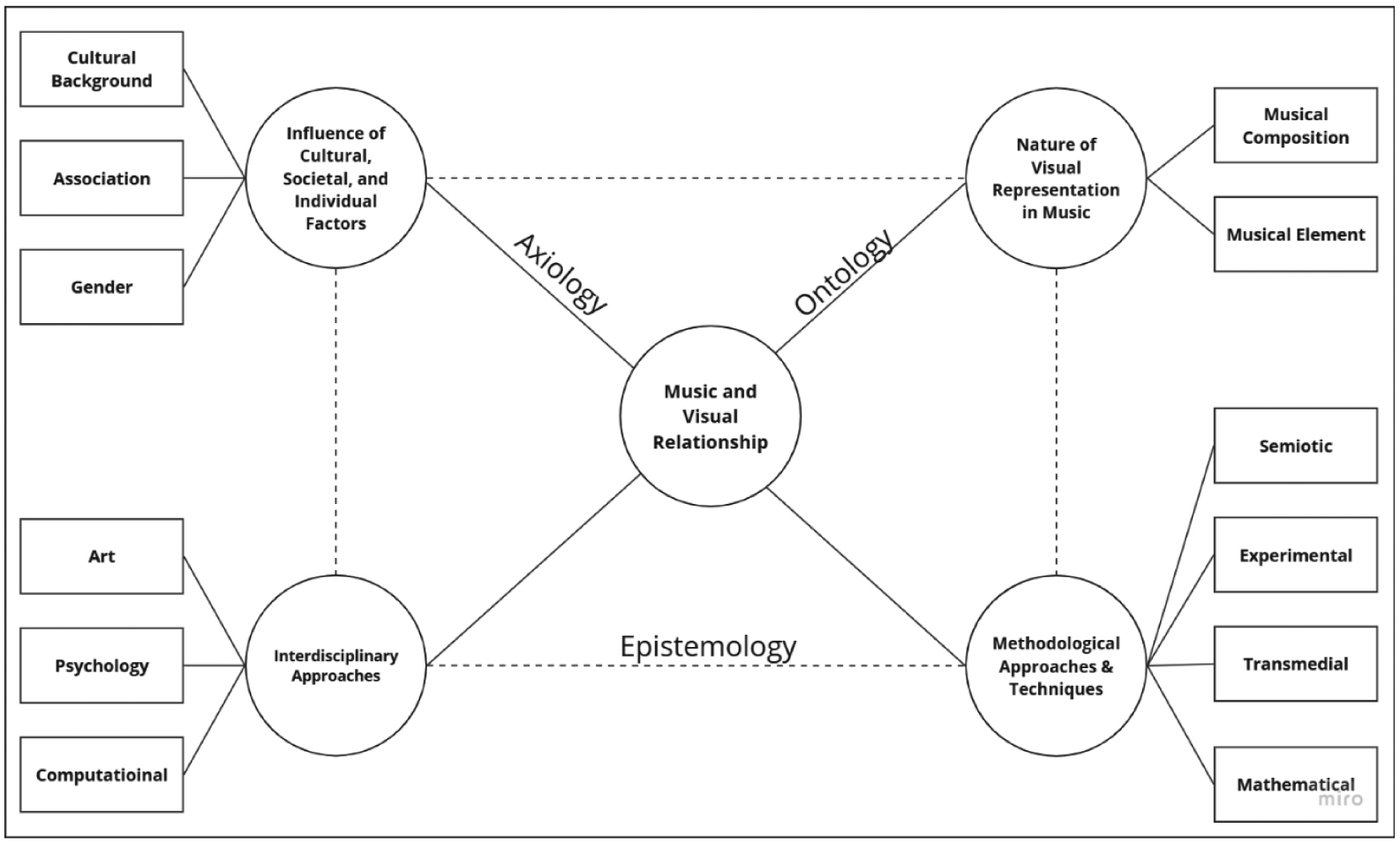
Figure 2 - Philosophical frameworks in the visual representation of music.
Ontology, which is the study of being and existence (Rosida et al., 2023), is discussed in the context of visual representation of music. Ontological questions arise concerning the nature of music and visual arts as forms of existence and how these forms influence each other. For example, Spence and Di Stefano (2022) explore the historical and perceptual connections between color and sound, an inquiry into the very nature of how music and visual stimuli exist in relation to each other. Similarly, Banerjee et al. (2022) and their exploration of how auditory and visual stimuli combine to influence human emotion. From an axiology view, the intersection of visual arts and music reflects us and our values as humans with different backgrounds. Liu (2022) discusses the aesthetic appreciation of music-inspired visual arts, engaging with the values that guide our appreciation and understanding of art. In the area of epistemology, the 12 studies summarized here contribute to epistemological discussions by examining how we come to know and understand the relationships between music and visual representation.
Conclusion
This literature review explored the non-synesthetic visual representations of music and explored the strategies and insights that artists and researchers employ in this interdisciplinary area. From the 12 articles reviewed, the review has identified four dominant themes: the nature of visual representations, diverse methodological approaches and techniques, the influence of cultural and individual factors, and the embrace of interdisciplinary perspectives of the visual representation of music. These four themes answered the guiding objectives in this article—the difference between visual representations of full musical compositions and those based on individual musical elements (e.g., rhythm, melody, harmony) and the techniques employed.
The first thematic analysis highlights the diverse ways music is visually represented, ranging from direct depictions of musical compositions to abstract interpretations of musical elements. The reviews revealed that the visual representation of complete musical compositions often leads to more nuanced and rich visual representation, capturing mood and narratives. This variety underscores the ontological complexity of music and visual arts as distinct yet overlapping forms of existence. The second analysis focuses on methodological approaches and techniques, revealing the innovative and varied research designs employed to explore the music–visual arts relationship. These methodologies, from experimental designs, transmedia exploration, and sketching to semiotic analyses, illustrate the epistemological challenges and opportunities in bridging the sensory experiences of music and visual arts. The third theme, the influence of cultural, societal, and individual factors, underscores the axiological dimensions of both music and visual arts. It highlights how values, shaped by cultural and personal experiences, play a critical role in interpreting and creating music-inspired visual arts. Finally, the theme of interdisciplinary approaches emphasizes the practical implications of studying music and visual arts together. These approaches come from various backgrounds: psychology, cultural studies, art, and even computational approaches.
Future research could benefit from a broader cultural exploration, technological integration, and a more in-depth focus on specific musical elements to gain our understanding of the visual representation of music in the non-synesthetic area.
Limitations and Future Research
This review has certain limitations. It draws from perspectives within specific cultures, potentially neglecting critical insights from less-represented regions. It also focuses on non-synesthetic visual representations, potentially missing out on the rich comparative insights that synesthetic experiences could offer. Another limitation is the access constraints. This access limit reflects broader challenges in academic research, where important insights might remain unseen due to restrictions on availability. Additionally, the scope of this review is confined to static visual representations, excluding the area of dynamic or interactive visuals. Dynamic visual representations like music videos or art videos inspired by music will enrich this research and also the music and visual arts areas.
Despite these limitations, the review opens several exciting areas for future research. There is an opportunity to explore how various cultures worldwide interpret music visually. A broader investigation into diverse cultural contexts could uncover unique visual representations, enhancing the universality of the findings. This should include representing entire musical compositions and individual musical elements.
The advancement of emerging technologies, such as virtual reality and innovative digital platforms, presents new areas to explore and illustrate the relationship between music and visual arts. Future studies might also consider expanding their scope to include dynamic and interactive visual representations.
About the Authors
Christabel Annora P. Parung is a designer, musician, lecturer in the Fashion Design Programme at the University of Surabaya (UBAYA) , and a doctoral candidate at the Faculty of Art and Design, Institut Teknologi Bandung. Her research explores the intersection of music, visual art, and textile design with cultural representation in Indonesian contexts. She has presented works on sustainability, textile innovation, and the adaptation of traditional motifs into contemporary design.
Author to whom correspondence should be addressed; E-mail: 37022010@mahasiswa.itb.ac.id; christabelapp@gmail.com.
Dr. Acep Iwan Saidi is a scholar of semiotics, visual culture, and literary studies. He earned his Doctorate in Fine Arts and Design from Institut Teknologi Bandung (ITB) after completing his Master’s in Literary Studies at Universitas Indonesia and his Bachelor's degree in Indonesian Literature at Universitas Padjadjaran. His research addresses visual semiotics, ethnosemiotics, and cultural narratives in contemporary and traditional Indonesian contexts. He has published extensively on the metaphors of nature, cultural memory, and digital ethnography.
Yan Yan Sunarya is a textile artist and senior lecturer at the Faculty of Art and Design, Institut Teknologi Bandung (ITB), specializing in Batik and textile design. His work explores the reinvention of traditional Indonesian techniques within modern frameworks, often bridging cultural heritage with contemporary aesthetics. His artistic and academic contributions aim to preserve Indonesian textile traditions while advancing them through research, exhibitions, and educational initiatives both locally and internationally.
Riama Maslan Sihombing is a researcher and educator in design, with expertise in children's book illustration, visual communication, and typography. She completed her Bachelor’s, Master’s, and Doctoral degrees in Design from the Faculty of Art and Design at Institut Teknologi Bandung (ITB), where she is currently a lecturer. Her interdisciplinary work involves community engagement, creative development, and the visual representation of narratives for diverse audiences.
Acknowledgments
This work is supported by the Pusat Layanan Pembiayaan Pendidikan (Puslapdik) and funded by Beasiswa Pendidikan Indonesia (BPI), Lembaga Pengelola Dana Pendidikan (LPDP) Kementerian Keuangan—Republic of Indonesia and PPAPT Kemdiktisaintek (Center for Higher Education Funding and Assessment Ministry of Higher Education, Science, and Technology of Republic Indonesia). We thank the editor and reviewers for reviewing this article. We also want to thank Institut Teknologi Bandung and Fakultas Industri Kreatif Universitas Surabaya for their endless support.
References
Abel, M. (2018). Is music a language?. Historical Materialism, 26(4), 59–86. DOI: 10.1163/1569206x-00001616. | |
Adeli, M., Rouat, J., & Molotchnikoff, S. (2014). Audiovisual correspondence between musical timbre and visual shapes. Frontiers in Human Neuroscience, 8, 1–11. DOI: 10.3389/fnhum.2014.00352. | |
Actis-Grosso, R., Lega, C., Zani, A., Daneyko, O., Cattaneo, Z., & Zavagno, D. (2017). Can music be figurative? Exploring the possibility of crossmodal similarities between music and Visual Arts. Psihologija, 50(3), 285–306. DOI: 10.2298/psi1703285a. | |
Athanasopoulos, G. (2010). Semiotic approaches to visual representation of music. In Before and After Music: Proceedings from the 10th International Congress on Musical Signification, Vilnius, pp. 299–308. | |
Athanasopoulos, G., & Antović, M. (2018). Conceptual integration of sound and image: A model of perceptual modalities. Musicae Scientiae, 22(1), 72–87. DOI: 10.1177/1029864917713244. | |
Banerjee, A., Gayen, P., Sanyal, S., Nag, S., Borgohain, J., Roy, S., Patnaik, P., & Ghosh, D. (2022). Musical influence on visual aesthetics: An exploration on intermediality from psychological, semiotic, and fractal approach. In Advances in Speech and Music Technology (pp. 353–378). DOI: 10.1007/978-3-031-18444-4_18. | |
Bergstrøm-Nielsen, C. (2010). Graphic notation – the simple sketch and beyond. Nordic Journal of Music Therapy, 19(2), 162–177. DOI: 10.1080/08098131.2010.497227. | |
Chiou, R., Stelter, M., & Rich, A. N. (2013). Beyond colour perception: Auditory–visual synaesthesia induces experiences of geometric objects in specific locations. Cortex, 49(6), 1750–1763. DOI: 10.1016/j.cortex.2012.04.006. | |
Chiou, R., Rich, A. N., Rogers, S., & Pearson, J. (2018). Exploring the functional nature of synaesthetic colour: Dissociations from colour perception and imagery. Cognition, 177, 107–121. DOI: 10.1016/j.cognition.2018.03.022. | |
Davies, S. (2009). Perceiving melodies and perceiving musical colors. Review of Philosophy and Psychology, 1(1), 19–39. DOI: 10.1007/s13164-009-0007-2. | |
Dhar, A. (2023). The connection between music and visual art. International Journal of Early Childhood Special Education, 14, 4157–4163. DOI: 10.48047/intjecse/v14i1.512. | |
Elkoshi, R. (2019). When sounds, colors, and shapes meet: Investigating Children’s Audiovisual Art in response to classical music. International Journal of Music Education, 37(4), 576–592. DOI: 10.1177/0255761419866084. | |
Fonseca-Mora, M. C. (2016). Chapter One: Music and language learning: An Introduction. In Melodies, rhythm and cognition in Foreign Language Learning (pp. 3–6). Cambridge Scholars Publishing. | |
Gayen, P., Banerjee, A., Sanyal, S., Nag, S., Patnaik, P., & Ghosh, D. (2021). Influence of “Indeterminate music” on visual art: A phenomenological, semiotic and fractal exploration. Journal of Physics: Conference Series, 1896(1), 012021. DOI: 10.1088/1742-6596/1896/1/012021. | |
Giannos, K., Athanasopoulos, G., & Cambouropoulos, E. (2021). Cross-modal associations between Harmonic Dissonance and visual roughness. Music & Science, 4. DOI: 10.1177/20592043211055484. | |
Hochel, M., & Milán, E. G. (2008). Synaesthesia: The existing state of affairs. Cognitive Neuropsychology, 25(1), 93–117. DOI: 10.1080/02643290701822815. | |
Isrow, Z. (2017). Defining art and its future. Journal of Arts and Humanities, 6(6), 84. DOI: 10.18533/journal.v6i6.1207. | |
Jamalus. (1988). Pengajaran Musik Melalui Pengalaman Musik. Jakarta: Depdikbud. | |
Kandinsky, W., & Bähr, A. (2021). Point and line to plane: Contribution to the analysis of the pictorial elements. Zürich: Lars Müller Publishers. | |
Kanellos, E. (2018). Visual trends in Contemporary Visual Music Practice. Body, Space & Technology, 17(1), 22. DOI: 10.16995/bst.294. | |
Lynall, M.-E., & Blakemore, C. (2013). What synesthesia isn’t. Oxford Handbook Online, 959–998. DOI: 10.1093/oxfordhb/9780199603329.013.0047. | |
Liu, M. (2022). Paintings of music. The Journal of Aesthetics and Art Criticism, 80(2), 151–163. DOI: 10.1093/jaac/kpac003. | |
McMullan-Glossop, E. (2017). Hues, tints, tones, and shades: Timbre as colour in the music of Rebecca Saunders. Contemporary Music Review, 36(6), 488–529. DOI: 10.1080/07494467.2017.1452697. | |
Mealor, A. D., Simner, J., Rothen, N., Carmichael, D. A., & Ward, J. (2016). Different dimensions of cognitive style in typical and atypical cognition: New evidence and a new measurement tool. PLoS One, 11(5), 1–21. DOI: 10.1371/journal.pone.0155483. | |
Mitchell, W. J. T. (1994). Picture theory: Essays on verbal and visual representation. University of Chicago Press. | |
Novák, R. (2020). Transmedia principles in Impressionism spanning painting, music and literature. Neohelicon, 48(1), 299–312. DOI: 10.1007/s11059-020-00558-7. | |
Oksanen, A., Cvetkovic, A., Akin, N., Latikka, R., Bergdahl, J., Chen, Y., & Savela, N. (2023). Artificial Intelligence in fine arts: A systematic review of Empirical Research. Computers in Human Behavior: Artificial Humans, 1(2), 100004. DOI: 10.1016/j.chbah.2023.100004. | |
Osborne, P. (2013). Anywhere or not at all: Philosophy of contemporary art. London: Verso Books. | |
Rainer, O. (1925). Musikalische graphik: Studien und versuche uber die wechselbeziehungen zwischen ton- und Farbharmonien. Wien: Deutscher Verlag fur Jugend und Volk. | |
Rosida, R. F., Amaliah, L. N., Mahardika, I. K., & Suratno, S. (2023). The process of forming knowledge: In the study of ontology, epistemology, and axiology. International Journal for Educational and Vocational Studies, 5(1). DOI: 10.29103/ijevs.v5i1.12980. | |
Smela, B., Toumi, M., Świerk, K., Gawlik, K., Clay, E., & Boyer, L. (2023). Systematic literature reviews over the years. Journal of Market Access & Health Policy, 11(1), 1–11. DOI: 10.1080/20016689.2023.2244305. | |
Spence, C., & Di Stefano, N. (2022). Coloured hearing, colour music, colour organs, and the search for perceptually meaningful correspondences between colour and sound. i-Perception, 13(3), 204166952210928. DOI: 10.1177/20416695221092802. | |
Vergo, P. (2012). The music of painting: Music, modernism and the Visual Arts from the Romantics to John Cage (pp. 212). London: Phaidon. | |
Watson, M. R., Chromý, J., Crawford, L., Eagleman, D. M., Enns, J. T., & Akins, K. A. (2017). The prevalence of synaesthesia depends on early language learning. Consciousness and Cognition, 48, 212–231. DOI: 10.1016/j.concog.2016.12.004. |