Axiological Approach to the Development of Artistic Competence of Children under Martial Law
Volume 11, Issue 1, Pages 47-64
Abstract
The article considers the prospects for further improvement of the education system regarding the development of artistic competence of children under martial law. Priority activities necessary for the formation of children’s artistic competence are identified, which have already proved their effectiveness in Ukrainian and foreign education systems. The article also reveals the methods and techniques necessary for the formation of children’s artistic competence, which allowed development of the emotionality and observation of children, which are the basis for artistic competence. The results facilitate the identification of the basic principles of the formation of artistic competence of children and describe new opportunities for their realization under martial law. This is a necessary condition for the harmonious development of the child’s personality and determining his/her moral guidelines. Moreover, a set of recommendations to improve the effectiveness of the development of artistic competence of children under martial law is presented. The main patterns of art education in the professional activities of educators and teachers when working with children are identified. It is emphasized that the involvement of a child in artistic activities stipulates the formation of basic skills, namely the ability to show one’s own emotions, aesthetic taste, sense of rhythm, the ability to hear others, fine motor skills, and mobility. The main goal of developing the artistic competence of children is to create their own picture of the world in each particular child and cultivate critical thinking, which protects against propaganda and negative information influences that have intensified in the conditions of the Russian-Ukrainian war.
摘要
本文探讨了戒严时期儿童艺术能力发展教育体系的进一步完善前景。文中确定了培养儿童艺术能力所需的优先活动,这些活动已在乌克兰和其他国家教育体系中被证明是行之有效的。此外,本文还揭示了培养儿童艺术能力所需的方法和技巧,这些方法和技巧有助于培养儿童的情感和观察能力,而情感和观察能力是艺术能力的基础。研究结果有助于明确儿童艺术能力形成的基本原则,并描述戒严时期实现这些原则的新机遇。这是儿童人格和谐发展和确定其道德准则的必要条件。此外,本文还提出了一系列建议,以提高戒严时期儿童艺术能力发展的有效性。文中还确定了教育工作者和教师在儿童工作中的专业活动中进行艺术教育的主要模式。需要强调的是,儿童参与艺术活动有助于培养基本技能,即表达自我情感的能力、审美品味、节奏感、倾听他人的能力、精细动作技能和灵活性。培养儿童艺术能力的主要目标是在每个孩子身上构建他们自己的世界观,并培养批判性思维,从而抵御在俄乌战争时期愈演愈烈的宣传和负面信息的影响。
Keywords
arts, children, development, education, upbringing, war.
关键词
艺术, 儿童, 发展, 教育, 成长, 战争.
History
Received 01 January 2025
Accepted 01 March 2025
Open Access
This is an open access article.
Introduction
Preschool education in Ukraine is famous for a high level of involvement of children in arts. This is confirmed by the approval of the basic component of preschool education (BCPE) on January 12, 2021. This state standard defines artistic (artistic-productive, musical, and theatrical) competence as one of the requirements for learning outcomes (Ministry of Education and Science, 2021a). The competences of the child are formed in the educational space during the performance of the activities organized by the teacher. As one of the varieties of competence, the artistic competence means the child’s awareness of the forms of arts and the desire to obtain a unique result of his/her creative activity (Kolomiiets et al., 2023).
It is necessary to consider the meaning of the concepts of competence and artistic competence in order to understand their specifics and features. The Law of Ukraine No. 2145-VIII of September 5, 2017 (2017) defines competence as “a dynamic combination of knowledge, skills, ways of thinking, views, values, other personal qualities, which determines the ability of a person to successfully socialize, conduct professional and/or further educational activities.” For the effective development of artistic competence of children, it is necessary to change not only the legislation but also the role of the teacher. Performing a function of facilitator, the teacher will support the child ensuring his/her well-being and independence. The function of such a teacher is to help the child realize his/her artistic potential for creativity (Shevchuk, 2021).
Representatives of non-governmental organizations and artists, who implement humanitarian and educational projects, play an important role in ensuring the development of artistic competence of children in Ukraine. For example, the art project “DIM: Children’s Inclusive Media Studio. A Place of Power” allowed children with disabilities and victims of the war to use the means of art for their creative self-fulfillment. In such a way, it became possible to restore and maintain the mental health of children through various forms of art (Baranivska, 2024).
The conditions of martial law limited the development of the artistic competence of children since it became dangerous to gather children in groups due to the terrorist nature of the war of the Russian Federation against Ukraine. The war kills children and their families; moreover, it hinders their education and upbringing because 3790 schools and kindergartens were destroyed by bombs and missile strikes (Human Rights Watch, 2023). Consequently, developing artistic competence of children in adverse conditions of martial law is complicated and demonstrates a range of features.
The armed aggression of the Russian Federation against Ukraine slowed down the education reforms, which, in turn, could ruin the socialization of the Ukrainian children. Since 2014 when the annexation of the Crimea occurred and the hostilities started in the East of Ukraine, most Ukrainian children could continue their studies (except for some residents of the temporary occupied territories). A large number of educational institutions moved their activities to the territory controlled by the Ukrainian authorities. In contrast, after the launch of the full-scale invasion, upbringing and education of children in Ukraine became deadly dangerous. Thus, as of December 2022, 13% of students and 3% of teachers were forced to move abroad (Kohut et al., 2023).
In this regard, the following features in the development of artistic competence of children under martial law can be distinguished: the imperfection of Ukrainian legislation on education, the lack of recommendations for increasing the effectiveness of the development of artistic competence of children, and the impact of martial law on education (Brovchak et al., 2020). Therefore, it is necessary to establish the main regularities of the use of art education tools in the professional activities of educators and teachers when working with children and provide recommendations for increasing the effectiveness of the cultivation of artistic competence of children under martial law.
The aim of the study is to develop an axiological approach to the development of artistic competence of children under martial law. The research aim determines the following research objectives:
to explain the specifics of children’s artistic competence and its development;
to identify priority activities for the formation of artistic competence of children;
to analyze methods and techniques of artistic competence development;
to define the means of forming the artistic competence of children;
to study problems of development of artistic competence under martial law;
to provide recommendations to improve the effectiveness children’s artistic competence development under martial law.
The relevance of this study stems from the crucial role of education and upbringing in securing children’s future well-being. Given the impact of the Russian Federation’s war against Ukraine, new approaches are needed to develop and enhance children’s artistic competence. Using such approaches will help children to realize creative skills, making their taste more aesthetic and refined. The object of the study is improving the education system in the context of the development of children’s artistic competence. The subject of the research is the principles of applying new approaches to the formation and development of children’s artistic competence under martial law.
Literature Review
With the rapid development of all spheres of life, improving the education system is especially important. In particular, the development of artistic competence of children in the conditions of martial law requires knowledge of pedagogy, art history, management, and law. The importance of developing a child’s artistic competence is determined by the fact that observing art teaches him/her to express himself/herself better, think faster and more flexibly, and be successful in learning (Sosiedko, 2019). The development of artistic competence of children, the importance of art and its function during martial law has been studied by Ukrainian and foreign researchers (Fielding & Murcia, 2022; Hoffmann et al., 2021; Smith et al., 2023).
In times of martial law and post-war reconstruction, cultivating a sense of belonging and pride in one’s country helps children develop emotional resilience, perseverance, and civil responsibility (Ragozina, 2023). Art is a powerful tool for expressing patriotism, healing injuries, and preserving cultural heritage, which makes it a valuable tool for education and psychological support during the restoration of Ukraine. That is why the introduction of military-patriotic education is important in modern realities. Ukrainian experience shows the importance of cultural and educational events for the development of creativity (Bryl & Sadivnycha, 2023). In this regard, Smith et al. (2023) performed a study intended to reveal the function of Odesa Academic Puppet Theater during the war. The study showed the therapeutic effect of art for traumatized children and their parents.
Moreover, Zhytnik (2023) analyzed the results of the international research program “Integration and Formation of Universal Human Values in Refugee Children from Ukraine in Germany through Acquaintance with German Culture.” As a result, the scholar establishes the importance of developing new competencies and qualities in children for building intercultural relations. Apart from that, Dobrukha (2024) explored the state of non-formal education in Ukraine and identified the specifics of the development of artistic competence during COVID-19 and martial law.
Furthermore, Kovalchuk and Yavorska (2022) characterized the components of artistic educational competence. Similarly, Bohdanovych (2020) investigated the formation of the artistic competence of future elementary school teachers. Shulha (2024) conducted a study of the potential of theatrical play for the formation of artistic and creative competence of preschool children in the context of the tasks of the state standard of preschool education. In addition, a group of Swedish scholars substantiate the need to involve teachers in the formation of the artistic competence of children in their musical practical activities (Lagerlof & Wallerstedt, 2019). Hoffmann et al. (2021) consider art programming as one of the most promising approaches to learning creativity because it provides meaningful learning through enjoyable activities. It involves a course for children, which is aimed at developing their creative skills. In addition, the researchers discuss potential solutions for long-term creative learning and skills beyond the course.
Apart from that, Monkeviciene et al. (2020) studied how STEAM education affects all competencies of 3- to 6-year-old children, focusing on the artistic competence. Moreover, Stephenson (2023) sought to solve several problems in children’s perception of learning through dramatic art, namely to link collective creativity, dramatic art, well-being, and relational learning to make changes; to create a model of inclinations towards creativity and well-being based on empirical research of children; and to provide a new methodological approach to measuring relational learning through meta-affect.
Fielding and Murcia (2022) emphasize the growing role of digital technology in the development of early childhood creativity. Meanwhile, Teshaevich (2022) underlines the importance of children’s literature as an artistic tool for the development of professional competence. These views underpin the importance of integrating digital innovation and traditional artistic forms to enhance children’s creative and cognitive development. By combining technology with literature, educators can create a more dynamic and integrated approach to cultivating the artistic competence from an early age. Nevertheless, it should be noted that approaches to education and upbringing require updating for increasing the effectiveness of the development of artistic competence of children under martial law.
Methodology
The connection between children’s artistic education and aesthetic qualities, creativity, and therapeutic effectiveness are key aspects justifying its significance in the modern context. The expressive and aesthetic component of artistic education focuses on the development of the children’s ability to perceive and create beauty and express their thoughts and emotions through artistic forms. At the same time, the creative component emphasizes the ability for original thinking and an innovative approach, whereas the therapeutic aspect contributes to emotional recovery and the formation of psychological stability, especially in conditions of stress or trauma. These components have a close relationship, that is, aesthetic education creates the basis for the development of creativity, whereas creativity enhances the therapeutic effect, providing children with tools for adaptation and self-expression.
The historical analysis confirms the importance of art education in different contexts. For example, during periods of crisis, such as wars or social disasters, art served as a means of maintaining the emotional state of children. In camps for immigrants or schools in the postwar period, creative classes gave children the opportunity to express fears and hopes through drawings, music, or theatrical performances. In such circumstances, educators often used methods aimed not only at teaching art but also at reducing stress and anxiety.
For instance, during World War II, art programs were organized in resettlement camps in Europe as a way to support the emotional state of children. They painted scenes from everyday life or what reflected their dreams, allowing children to express fears and hopes. In post-war Japan, artistic education was integrated into school curricula as a way of psychological rehabilitation and creating a positive atmosphere for recovery. In refugee camps in Syria, art programs are used as a tool for developing resilience where children overcome the consequences of traumatic events through creativity. These examples demonstrate that art education is a key element in supporting personal development, even in critical environments. In modern Ukraine, art education has a similar role: it not only supports children in difficult times but also provides the basis for the formation of critical thinking, emotional stability, and creative potential necessary for the future reconstruction of the country (Hoffmann et al., 2021).
To achieve the aim and objectives of the study, general methods are used, which include observations, interviews, questionnaires, analysis of documents, statistical processing of data (Figure 1). These methods facilitate exploring what programs and techniques teachers implement, how children react to creative activities, and what effects they have on emotional and cognitive development. The context of the study includes children of different ages who have been exposed to hostilities, in particular internally displaced persons, educators, and teachers working in difficult conditions.
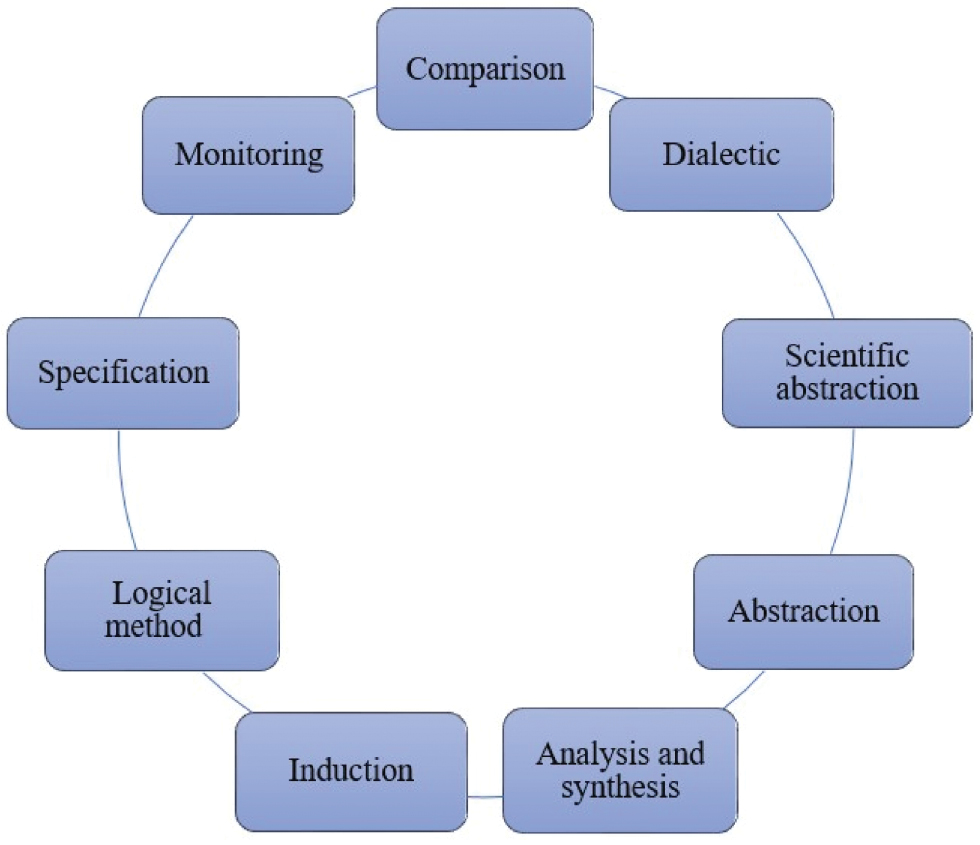
Figure 1 - Main research methods.
As Figure 1 shows, monitoring is used to collect, classify, and analyze the specifics of the artistic competence of children. This method involves a systematic approach to gathering information about children’s abilities, behaviors, and progress in the artistic competence. Monitoring enables tracking of changes over time and assessment of the impact of various interventions or educational programs aimed at enhancing artistic competence. Through this method, data can be continuously updated, providing a real-time overview of the effectiveness of pedagogical strategies.
Moreover, the comparison is applied to compare methods and techniques for the formation of artistic competence of children. This method means comparing different techniques used to develop children’s artistic competence. By analyzing various educational approaches, it is possible to identify which techniques are more effective in promoting artistic skills and creativity of children. The comparative analysis offers insights into best practices, drawing on both Ukrainian and international experiences. Thus, a comparison of educational methods from different cultural contexts demonstrates innovative approaches that can be adapted to specific conditions of martial law where resources and stability are limited.
The abstraction helps single out the main concepts and categories used in the research. This method allows the researcher to step back from specific details and focus on the broader ideas that underpin the formation of artistic competence. This method is useful in identifying the core elements of artistic competence, such as creativity, expression, and technical skill, which can then be analyzed in relation to specific educational strategies. Moreover, the analysis and synthesis facilitate determining the main stages and factors of the cultivation of children’s artistic competence. The analysis is used to examine the individual components of artistic competence, whereas synthesis brings these elements together to form a cohesive picture. These methods work in tandem to explore the micro and macro aspects of artistic education, from the development of specific skills to the overall impact on children’s creative growth.
Furthermore, induction is applied to forecast the prospects for further improvement of the education system regarding the development of children’s artistic competence under martial law. By analyzing current data and trends, it is possible to make informed predictions about the likely outcomes of different educational interventions. This method is especially valuable in the context of martial law, where uncertainty and disruption may affect the availability of resources and opportunities for art education. Inductive reasoning allows to anticipate challenges and suggest solutions that are adaptable to the warfare. The research also relies on scientific abstraction, logical reasoning, and dialectic methods to support the critical evaluation of data and help in forming robust, evidence-based conclusions. By applying logical and dialectic reasoning, the research can engage with complex ideas and conflicting perspectives.
The specification is used to establish the expediency of the recommendations to increase the effectiveness of the development of children’s artistic competence under martial law. This method ensures that the suggested recommendations are feasible and relevant to the specific context of martial law. By testing the recommendations against real-world conditions, it is possible to refine them to meet the needs of children and educators better. Finally, in addition to these methods, the research incorporates techniques for information collection and processing, as well as analytical work to justify the findings. These methods ensure that the research is grounded on reliable data and that the conclusions drawn are well-supported by evidence.
Results
According to the BCPE, artistic competence is “the ability to realize one’s artistic and aesthetic potential practically to obtain the desired result of creative activity on the basis of developed emotions and feelings for art forms, to apply art skills in life situations elementary during educational and independent activities” (Ministry of Education and Science, 2021b). The artistic competence of children contains a range of components (Figure 2).
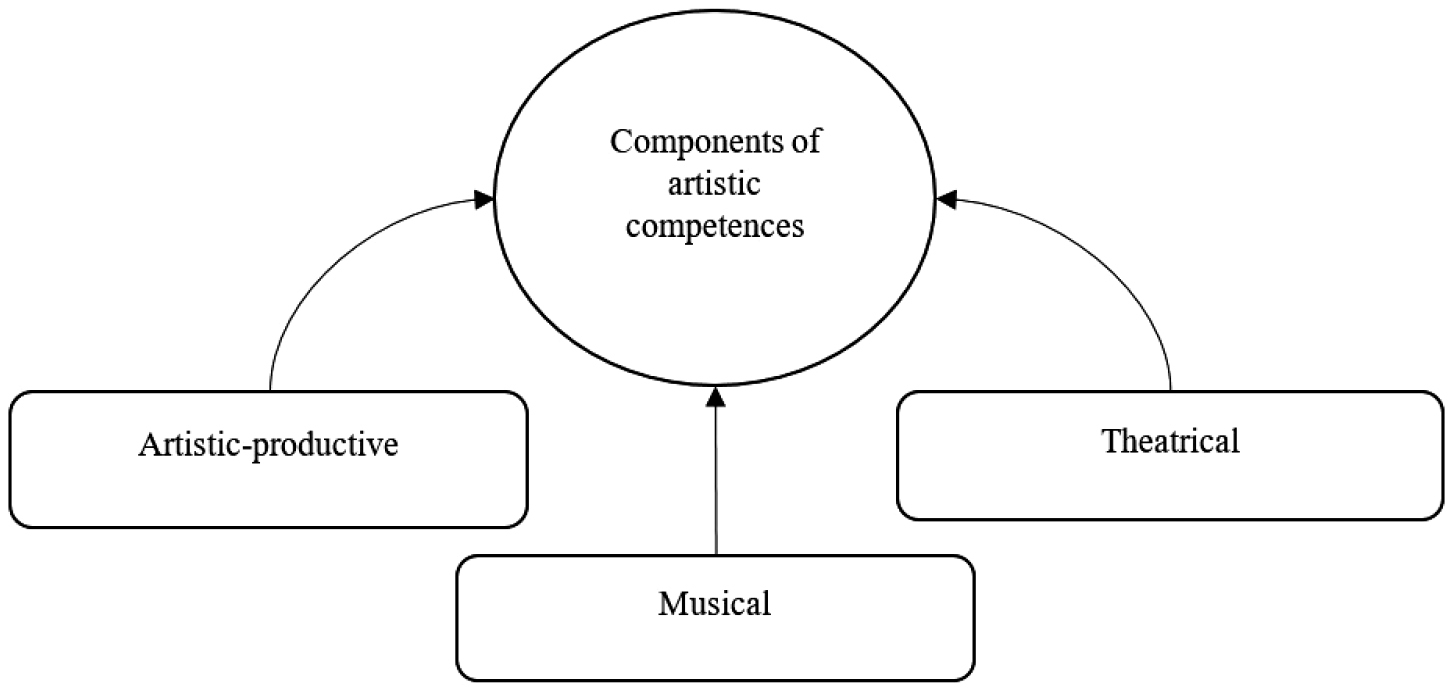
Figure 2 - Components of artistic competences of children. Source: Based on the new edition of the Basic Component of Preschool Education: Educational Direction “Child in the Art World” (2021).
It is necessary to explain the significance of these components in the formation of artistic competence. The artistic competence requires a complex system of knowledge, skills, communication, and a responsible attitude. Within this competence, a child must have the following knowledge:
possess a system of ideas about the integrity of artistic culture and the forms and genres of art to the extent necessary for his/her creative activity;
possess knowledge of fine and folk decorative and applied art, the content of a specific artistic thesaurus, artistic and figurative language of various types of art;
know the work of the most famous national and foreign artists;
know the best examples of musical, visual, choreographic, theatrical art in Ukraine and the world;
possess knowledge of the history of world and national art, Ukrainian studies, understand the place and role of the Ukrainian national art regarding universal values (Polovina & Kondratets, 2019).
Thus, the musical competence is the ability to understand musical art and express oneself creatively through music. This is formed in the process of perceiving musical compositions, performing works in accordance with the specified song repertoire and creating musical products (the process of musical activity) (Spitza & Tarasevych, 2021). The theatrical competence is the child’s ability to perceive dramatic art. It helps to form an aesthetic taste, develop communicative qualities, educate the will, and cultivate a positive emotional mood (Brovchak et al., 2018). The combination of all these components allows teachers to form the artistic competence of the child and acquire skills that will help him/her in adult life (Figure 3).
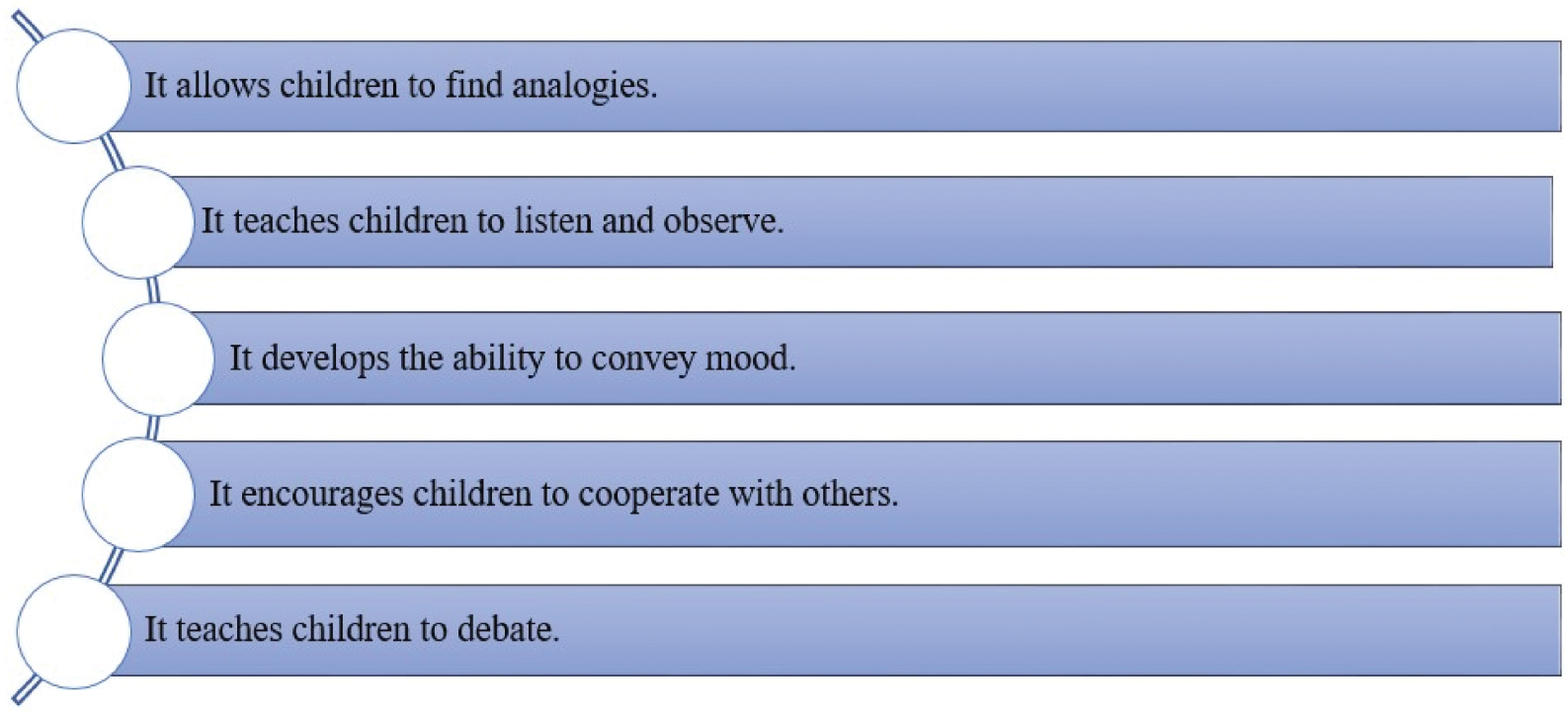
Figure 3 - Skills acquired within the framework of cultivating the child’s artistic competence.
All these skills are necessary for the child for harmonious development and ensuring his/her well-being throughout life. This will increase the effectiveness of his/her interaction within society, especially in the process of post-war reconstruction of Ukraine (Brovchak et al., 2024). Therefore, it is important to emphasize the importance of acquiring these skills by the child for the state and society. In accordance with Article 57 of Law of Ukraine No. 2145-VIII of September 5, 2017 (2017), children and teachers are guaranteed the organization of the educational process in a remote form or in any other form that is most secure for its participants. After the introduction of the martial law regime, the educational process is transferred to remote form due to the hostilities that pose a danger to the life and health of children and teachers. In such conditions, it is extremely difficult to form and develop children’s artistic competence. Table 1 presents the problems associated with the cultivation of children’s artistic competence, together with the proposed solutions identified by the research methods used in this study.
| No. | Problem | Solution |
|---|---|---|
| 1 | Inability to attend a cultural event | Conducting online excursions and listening to music and their further discussion using messengers and Zoom platform |
| 2 | Lack of interaction with other children | Formation of groups for creative tasks, which stimulates the personal ties |
| 3 | Low parental interest | Communication with family members to explain the importance of artistic competence in the child’s future life |
| 4 | Moral injury from war | Use of art and music therapy techniques, involvement of psychologists |
| 5 | Lack of necessary funding | Attending free art events and organizing charity exhibitions |
Given the problems outlined in Table 1, a range of recommendations to increase the effectiveness of the development of children’s artistic competence under martial law can be provided. First of all, it is necessary to define the functions of a particular educational institution and its specialization. Moreover, it is important to conduct research on potential threats and risks to the development of child’s artistic competence. Apart from that, teachers should develop an individual plan of artistic competence for each child. Furthermore, it is necessary to hold preliminary consultations with a child psychologist and artists. It is also advisable to analyze the features of the children’s group in terms of communication and special skills of children. In addition, it is critical to consider the feasibility of using different techniques to cultivate each child’s artistic competence. Another important aspect is parents’ involvement in the process of creativity of their child. Apart from that, teachers should adapt artistic activities to children’s individual features.
In the absence of the necessary funds in the family to develop the child’s artistic competence, parents are advised to resort to state institutions, artists, or charitable foundations. This will allow them to form a request about the specific creative needs of their child and realize it. These recommendations will help teachers and parents of children to understand the importance of artistic competence, which will play a positive role in the process of their harmonious development and ensuring their future well-being. Furthermore, the book War with the Voices of Children is recommended for school-age children and their parents. The illustrations have significant artistic value, and the information contained in the book is the basis for the formation of the children’s worldview. In addition, part of the funds from the sale of copies is promised to be directed to psychological assistance to Ukrainian children who suffered from the war (Yakovenko, 2024). The next step of the study is to identify the priority activities for the formation of children’s artistic competence (Figure 4).
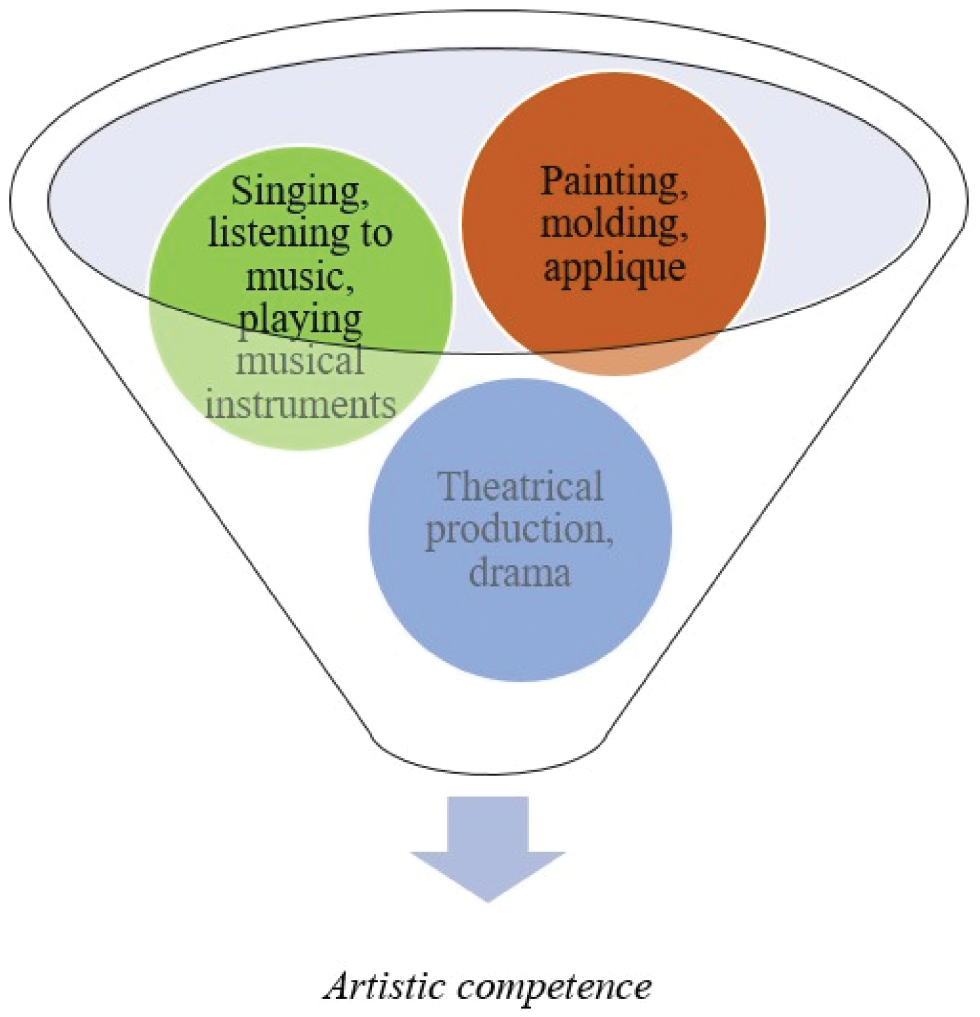
Figure 4 - Activities for the formation of children’s artistic competence. Source: Based on Polovina (2021).
These actions should be performed by the child exclusively on his/her initiative on the basis of his/her experience and creative drives. Pedagogical support should not be intrusive, but necessary only for episodic assistance to the child (Kolomiiets et al., 2020). In this regard, it is also necessary to mention the conditions for the formation of children’s artistic competence because if the child chooses the forms of activity at his/her discretion, then the teacher creates the necessary conditions. Accordingly, the first condition is the use of measures for the development of the child’s emotional sphere. Moreover, the teacher should be able to overcome obstacles and problems in a timely manner. It is also important for the teacher to encourage children emotionally. Another condition is understanding the relationship between the aesthetic and moral development of the child. Finally, the teacher should ensure interaction of the child with real objects of creativity.
The teacher is able to form the artistic competence of the child only by fulfilling all these requirements. This requires special knowledge and skills. Since the formation and development of the child’s artistic competence requires him/her to improve his/her skills of emotionality and observation, the basic methods and techniques that the teacher uses are aimed at cultivating these skills. Figure 5 provides the verbal and empirical methods of formation and development of children’s artistic competence.
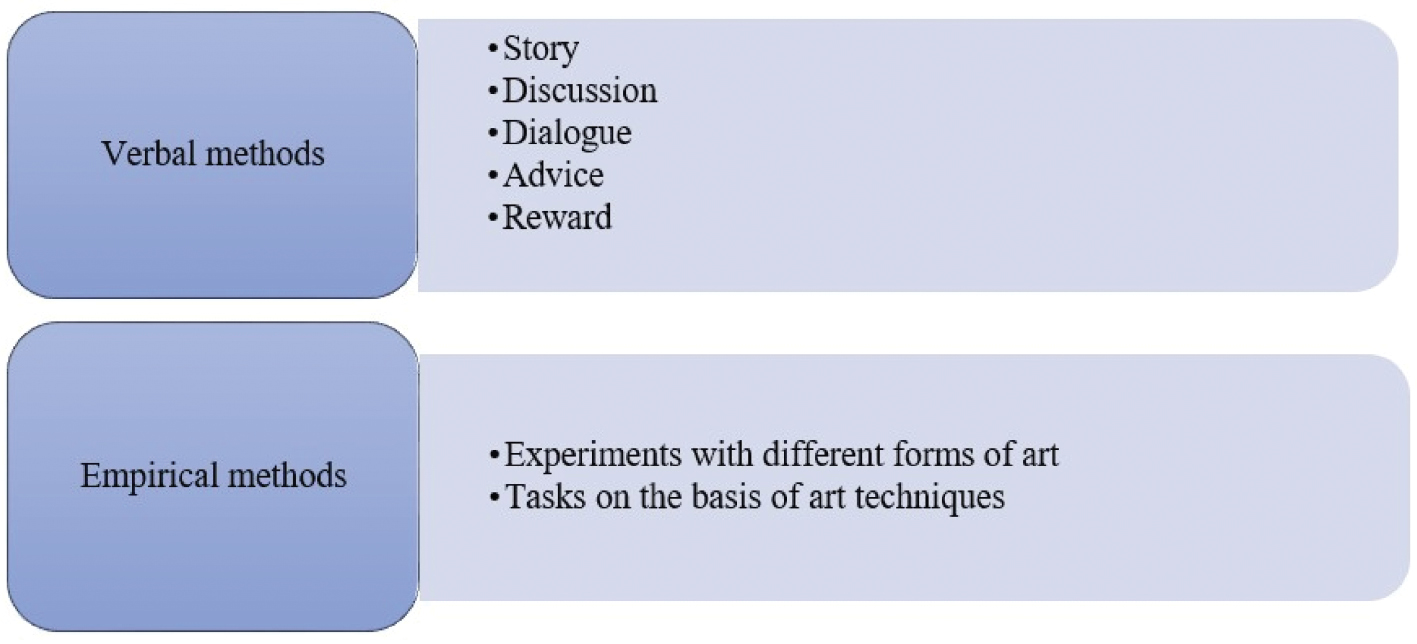
Figure 5 - Methods of formation and development of children’s artistic competence.
In addition, game techniques are also used, which are effective in working with children because such techniques concentrate their attention on the necessary objects. For the successful development of children’s artistic competence, it is necessary to use the following algorithm of classes:
defining the topic of the lesson;
selecting necessary equipment and materials;
creating intrigue to motivate children;
providing children with tools to create an artistic image;
identifying techniques to stimulate children to create an image;
choosing the most convenient form of displaying children’s works;
use of emotional-oriented pedagogical techniques.
Consistent implementation of this algorithm can help develop children’s artistic competence quickly and effectively. Depending on its functions and specialization of educational institutions, the necessary set of steps during the execution of the algorithm can change because it is determined comprehensively by a matrix of factors.
Discussion
Martial law in Ukraine has far-reaching effects on preschool education. Teaching art to preschool children under martial law requires a highly adaptive approach that considers the emotional, psychological, and logistical challenges unique to the warfare. Art education for young children in these conditions shifts away from conventional goals like developing artistic skills and creativity and instead focuses on emotional expression, providing a sense of stability, and offering therapeutic benefits.
First of all, children are exposed to stress, fear, and trauma. Art can become a vital tool for emotional expression, allowing children to visualize and externalize their emotions in a safe, non-verbal way. Teachers may encourage children to draw what they feel or depict their experiences to help them process difficult emotions. Thus, artistic activities may become outlets for expressing fear, sadness, or confusion. For example, children might draw images related to war, destruction, or sadness, instead of developing skills in more traditional artistic forms. Their emotional state can dominate their artistic output, which can both hinder and transform their creative learning process.
Emotional intelligence is a broad concept that includes emotional self-regulation, resilience, and the ability to understand and manage one’s emotions. It is important that arts education develops these components of emotional intelligence rather than just the expression of emotions through creativity. The ability to regulate emotional responses in social contexts is also crucial (Goleman, 2020). The natural process of self-expression through art can help children find ways to manage their emotions, which is particularly useful for those who have experienced emotional trauma.
To address this, many preschool institutions may shift to a trauma-informed approach to art education. Research in this area suggests that trauma-informed methods can improve the psychological state of children who have experienced trauma. For example, studying the use of art therapy in the context of military or post-conflict situations indicates a positive effect in reducing the symptoms of post-traumatic stress disorder and increasing emotional stability. At the same time, the introduction of such methods requires trained specialists who can configure the therapeutic process correctly and provide a safe environment for children. Hence, educators and art therapists should be trained to recognize traumatic signs and work with them in a way that does not cause additional emotional trauma.
Teachers may prioritize emotional expression over technical skill development, recognizing that art can serve as a therapeutic tool. Drawing, painting, and sculpting may be used to help children process emotions, calm anxiety, and build resilience, rather than focusing on mastering artistic techniques. Moreover, teachers may organize group art activities where children work together on collages or shared drawings. This fosters a sense of community and cooperation, helping children rebuild social bonds that might be strained during warfare. Working together can also give children a sense of connection, which is vital for their emotional well-being.
Martial law often disrupts supply chains, and art supplies may become scarce. Preschools may face difficulties in obtaining basic materials like crayons, paints, paper, and clay, limiting the range of activities children can engage in. In some cases, educators may need to rely on makeshift or recycled materials, such as cardboard, fabric scraps, or natural objects like leaves and stones. Although this can stimulate creativity, it may also restrict the variety of artistic techniques and mediums available for children to explore. Simple tools like pencils, chalk, or even fingers can be used for drawing, and teachers may encourage environmental art by having children gather and create using materials from their surroundings, such as sand or mud. In addition, teachers might focus on simpler techniques like sketching, coloring, or hand-painting. This ensures that children still have a tactile, creative experience, even if they are not developing complex artistic skills.
Many Ukrainian families have been displaced due to the hostilities, and children may be attending new or temporary preschools. For these children, the upheaval in their lives can create feelings of insecurity and isolation. Artistic activities might focus on helping children regain a sense of stability and identity, rather than advancing technical artistic skills. Preschools operating in shelters or makeshift classrooms may lack the optimal space, tools, or ambiance necessary for creative work. Space might be cramped, and art may need to be done in a more constrained, less exploratory way, limiting how children can engage with different materials and techniques.
In this connection, it is also necessary to mention that teachers should be trained in trauma-informed practices, using art as a way to observe signs of trauma in children. The content of children’s drawings may provide insights into their inner worlds, showing what is weighing on their minds, such as homes being destroyed, soldiers, or fearful situations of the war. Art can also serve as a way to monitor children’s emotional recovery over time. Thus, as children express their feelings through art, teachers can observe whether their images become more positive, indicating emotional healing.
Because of wartime disruptions, preschools may need to operate in unconventional spaces like bomb shelters or outdoor settings. Teachers must be flexible, adapting art lessons to whatever space is available. Outdoor art, such as using natural materials to make sculptures or painting on walls or the ground, can be introduced to engage children’s creativity in less-than-ideal environments. Art sessions might be shortened to account for limited attention spans in stressful environments, focusing on quick, manageable projects that children can complete in a short time.
Under martial law, schools and teachers prioritize children’s physical and psychological safety. As a result, art education may take a backseat to more immediate concerns like food, shelter, and basic education. Although some artistic activities may continue, they might not be as systematic or well-rounded as they would be in normal circumstances. Art activities may also be simplified, focusing more on calming, repetitive tasks like coloring or basic drawing, which are easy to organize but less enriching from a developmental perspective. Despite these challenges, art can become a tool for fostering resilience. Some schools might integrate more art therapy or structured creative activities that focus on healing, collaboration, and emotional expression. Projects could be designed to help children process their experiences, create a sense of normalcy, or foster a sense of achievement in difficult circumstances. Teachers may create a safe space for art activities, even in temporary or makeshift classrooms. This could include using music, dim lighting, or calming routines to set the mood for creativity. The goal is to make the space feel secure, even when external conditions are stressful.
Furthermore, establishing routines is crucial for young children to feel safe. Teachers may schedule art activities at the same time each day to provide a sense of stability and predictability. Knowing that “art time” comes after snack time, for instance, can offer comfort and structure in an otherwise unpredictable environment. This routine gives children something to look forward to and helps them focus on the present moment, providing relief from the stress of external circumstances.
Martial law may lead to a reduction in staff, as teachers may be called to military service or forced to evacuate. In some cases, less experienced educators or volunteers may step in, which could affect the quality and consistency of artistic instruction. During martial law, teacher training and professional development in early childhood art education may be put on hold. Teachers might not have access to new teaching methods, materials, or resources that support the development of children’s artistic competence. This can result in a reliance on older methods and less innovation in the classroom.
In times of national resilience, there is a heightened focus on national identity and cultural pride. In preschool art programs, this could manifest in projects that emphasize Ukrainian symbols, folklore, and national colors, using art as a means to reinforce a collective identity and sense of belonging. Children may be encouraged to create works that reflect Ukrainian history, cultural traditions, or patriotic themes. This could shape their artistic experience and competence in ways that are deeply connected to cultural expression. There may also be an increased emphasis on teaching traditional Ukrainian art forms as a way of preserving cultural heritage. Teachers might focus on folk art, crafts, and other traditional techniques, allowing children to engage with their cultural roots. For example, teaching traditional Ukrainian crafts, such as petrykivka painting or creating motanka dolls (traditional amulet dolls), can also serve as a way to preserve cultural heritage, giving children a connection to their history and national identity during a time when it may feel threatened. This focus could help offset some of the developmental disruptions by anchoring artistic activities in a rich, meaningful cultural context.
Martial law significantly affects the development of children’s artistic competence by shifting the focus of art education toward emotional support, dealing with resource constraints, and operating in unstable environments. Although traditional markers of artistic competence such as fine motor skills, creativity, and understanding of art techniques may suffer, the emphasis on emotional expression, resilience, and cultural identity may offer alternative paths for children to engage with art. This can foster the development of children’s artistic competence, under the circumstances of war and displacement.
Conclusions
As a result of the research, the main regularities of the use of art education tools in the professional activities of teachers when working with children were identified, thus the recommendations for increasing effectiveness of the development of children’s artistic competence under martial law.
The activities necessary for the formation of children’s artistic competence were identified. They proved their effectiveness in both Ukrainian and foreign education systems. Moreover, the methods and techniques used for the formation of children’s artistic competence were defined. It was established that they facilitated developing children’s emotionality and observation skills, which is the basis for their artistic competence.
Furthermore, the basic regularities of the use of art education in professional activity of preschool teachers were defined. It was explained that the involvement of a child in artistic activities is a necessary need, which allows him/her to form basic skills for adult life, namely emotional intelligence, aesthetic taste, sense of rhythm, fine motor skills, and mobility. A number of additional recommendations were also provided to improve the development of children’s artistic competence under martial law.
This research made an attempt to elaborate on the development of children’s artistic competence under martial law. However, it presents some limitations. Thus, the research was not focused on practical measures to develop the artistic competence of children in other military conflicts, such as the war in Yugoslavia, the war in Iraq, etc.
In this regard, further studies should contain clear examples of a direct correlation between the successful activities of teachers in war conditions and the development of children’s artistic competence. Thus, future research should also create a mathematical model of the dependence of the effectiveness of children’s artistic competence on teachers’ work. Finally, it is also important to consider the similar experience of foreign countries in terms of the realization of children’s artistic and aesthetic potential.
About the Authors
Liudmyla S. Brovchak has a PhD in pedagogy, and she is an associate professor and the vice rector for Scientific and Pedagogical Work and Social Issues at Vinnytsia Mykhailo Kotsiubynskyi State Pedagogical University. ORCID ID: https://orcid.org/0000-0001-8321-9267.
Lesia V. Starovoit has a PhD in pedagogy, and she is an associate professor at the Department of Artistic Disciplines in Pre-school and Primary School Education, Valentyna Voloshyna Faculty of Pre-school and Primary Education, Vinnytsia Mykhailo Kotsiubynskyi State Pedagogical University. ORCID ID: https://orcid.org/0000-0002-5888-1651.
Author to whom correspondence should be addressed; E-Mail: lesia_starovoit@sci-univ.com
Larysa M. Likhitska has a PhD in Pedagogy, and she is an associate professor at the Department of Artistic Disciplines in Pre-school and Primary School Education, Valentyna Voloshyna Faculty of Pre-school and Primary Education, Vinnytsia Mykhailo Kotsiubynskyi State Pedagogical University. ORCID ID: https://orcid.org/0000-0002-0883-7628.
Iryna B. Shvets is a People’s Artist of Ukraine awardee and professor at the Department of Vocal and Choral Training, Theory and Methods of Music Education, Faculty of Arts and Art Education Technologies, Vinnytsya Mykhailo Kotsiubynskyi State Pedagogical University. ORCID ID: https://orcid.org/0000-0003-3803-9683.
Yuliya I. Yakymenko is an assistant at the Department of Artistic Disciplines in Pre-school and Primary School Education, Valentyna Voloshyna Faculty of Pre-school and Primary Education, Vinnytsia Mykhailo Kotsiubynskyi State Pedagogical University. ORCID ID: https://orcid.org/0000-0002-7552-359X.
Ethical Approval
All procedures performed in studies involving human participants were in accordance with the ethical standards of the institutional and national research committee and with the 1964 Helsinki Declaration and its later amendments or comparable ethical standards.
Authors’ Contributions
All authors contributed equally to this study.
Availability of Data and Materials
Data availability is not applicable to this article as no new data were created or analysed in this study.
Consent to Participate
Informed consent was obtained from all individual participants included in the study.
Consent for Publication
All individual participants agreed to be included in the study.
Funding
The authors did not receive funds, grants, or other support from any organization for the submitted work. No funding was received to assist with the preparation of this manuscript or for conducting this study.
Conflicts of Interest
The author has no financial and competing interests to declare.
References
Baranivska, Т. (2024). Culture without barriers: An art project for children was organized in Kyiv. Suspilne Kyiv. Retrieved from https://suspilne.media/kyiv/806627-kultura-bez-bareriv-u-kievi-organizuvali-misteckij-proekt-dla-ditej/. | |
Bohdanovych, L. (2020). Formation of artistic competence as an important component of professional training of future primary school teachers. Innovation in Upbringing, 1(11), 186–193. DOI: 10.35619/iiu.v1i11.266. | |
Brovchak, L. S., Starovoit, L. V., & Likhitska, L. M. (2018). Pedagogical conditions for creative and artistic development of children of senior preschool age by means of art. New Educational Review, 52(2), 206–217. DOI: 10.15804/tner.2018.52.2.16. | |
Brovchak, L., Starovoit, L., Shykyrinska, O., & Likhitska, L. (2020). The impact of symbolism of artistic works on tourism development. International Journal of Hospitality and Tourism Systems, 13(2), 77–84. | |
Brovchak, L., Starovoit, L., Likhitska, L., Todosienko, N., & Shvets, I. (2024). Integrating music, drama and visual arts in extracurricular programs: Enhancing psychological development in early school-aged children. Sapienza: International Journal of Interdisciplinary Studies, 5(3), 1–13. DOI: 10.51798/sijis.v5i3.791. | |
Bryl, M. M., & Sadivnycha, O. A. (2023). Art Forum as an artistic association of students, teachers and artists. Art and Education, 3(109), 28–42. DOI: 10.32405/2308-8885-2023-3(109)-28-42. | |
Dobrukha, В. (2024). Non-formal education in Ukraine: Art dimension. In Collection of Scientific Papers “ΛΌГOΣ”, (March 1, 2024; Paris, France), 362–365. DOI: 10.36074/logos-01.03.2024.080. | |
Fielding, K., & Murcia, K. (2022). Research linking digital technologies to young children’s creativity: An interpretive framework and systematic review. Issues in Educational Research, 32(1), 105–125. | |
Goleman, D. (2020). Emotional intelligence: Why it can matter more than IQ. Bloomsbury Publishing. | |
Hoffmann, J. D., Ivcevic, Z., & Maliakkal, N. (2021). Emotions, creativity, and the arts: Evaluating a course for children. Empirical Studies of the Arts, 39(2), 123–148. DOI: 10.1177/0276237420907864. | |
Human Rights Watch. (2023). Ukraine: War’s toll on schools, children’s future. Retrieved from https://www.hrw.org/news/2023/11/09/ukraine-wars-toll-schools-childrens-future. | |
Kohut, І., Nikulina, O., Syrbu, O., Zheriobkina, Т., & Nazarenko, Yu. (2023). War and education. How a year of the full-scale invasion influenced Ukrainian schools. Cedos. Retrieved from https://cedos.org.ua/researches/vijna-ta-osvita-yak-rik-povnomasshtabnogo-vtorgnennya-vplynuv-na-ukrayinski-shkoly/ | |
Kolomiiets, A. M., Gromov, I. V., Kolomiiets, L. I., Mazaikina, I. O., & Kolomiiets, D. I. (2020). Work with foreign scientific editions as an effective factor in motivating undergraduates to improve their foreign language competency. New Educational Review, 60, 96–107. DOI: 10.15804/tner.20.60.2.08. | |
Kolomiiets, A. M., Gromov, I. V., Brovchak, L. S., Babchuk, Y. M., & Tertychna, T. D. (2023). Approbation of emergency education strategies for internally displaced Ukrainian children under the martial law conditions. New Educational Review, 72, 49–65. DOI: 10.15804/tner.23.72.2.04. | |
Kovalchuk, L., & Yavorska, K. (2022). Artistic educational competence of future primary school teachers: Essence, components, ways of formation. Bulletin of the Lviv University. Series Pedagogics, 36, 113–123. DOI: 10.30970/vpe.2022.36.11558. | |
Lagerlof, P., & Wallerstedt, C. (2019). ‘I don’t even dare to do it’: Problematising the image of the competent and musical child. Music Education Research, 21(1), 86–98. DOI: 10.1080/14613808.2018.1503244. | |
Law of Ukraine No. 2145-VIII of September 5, 2017. (2017). Retrieved from https://zakon.rada.gov.ua/laws/show/2145-19#Text. | |
Ministry of Education and Science. (2021a). Basic component of preschool education in Ukraine. Retrieved from https://mon.gov.ua/osvita-2/doshkilna-osvita-2/bazoviy-komponent-doshkilnoi-osviti-v-ukraini. | |
Ministry of Education and Science. (2021b). New edition of the Basic component of preschool education: Educational direction “Child in the world of arts”. Music Director, 2. Retrieved from https://emuzker.expertus.com.ua/872075. | |
Monkeviciene, O., Autukeviciene, B., Kaminskiene, L., & Monkevicius, J. (2020). Impact of innovative STEAM education practices on teacher professional development and 3-6-year-old children’s competence development. Journal of Social Studies Education Research, 11(4), 1–27. Retrieved from https://portalcris.vdu.lt/server/api/core/bitstreams/fcaafac5-1316-472d-9da2-731123dda0f7/content. | |
Polovina, O. A. (2021). Child in the art world. Preschool Education, 2, 3–8. Retrieved from https://elibrary.kubg.edu.ua/id/eprint/37061/1/O_Polovina_DV_2_21.pdf. | |
Polovina, O., & Kondratets, I. (2019). New approaches to the formation of artistic and practical competence of future educators. National Education, 2(38), 11–18. | |
Ragozina, V. (2023). The problem of military-patriotic education of school students and youth through art: Research aspects and perspectives. Theoretical and Methodical Problems of Children and Youth Education, 27(2), 150–162. DOI: 10.32405/2308-3778-2023-27-2-150-162. | |
Shevchuk, A. (2021). Art education of children. Traditions and innovations in the updated Basic component of preschool education. Preschool Education, 4, 20–23. Retrieved from https://mon.gov.ua/static-objects/mon/sites/1/doshkilna/2021/04/27/Mystetska.osvita.ditey.Tradytsiyi.innovatsiyi%20.Avtorka.A.Shevchuk.27_04.pdf. | |
Shulha, M. (2024). The potential of theatrical play in the formation of artistic and creative competence and comprehensive development of preschool children. In Proceedings of the 7th International Scientific Conference “Scientific Results, July 25–26, 2024; Rome, Italy (pp. 28–33). Retrieved from https://drive.google.com/file/d/1K-31jvfKw46URkjtSVtLJBcO1HbFwH2E/view. | |
Smith, M., Rozova, Т. В., Borodina, H. В., & Ovcharenko, Т. C. (2023). Puppetry in the face of war. Culturological Almanac, 2, 276–288. DOI: 10.31392/cult.alm.2023.2.38. | |
Sosiedko, І. (2019). How to explain art to children: Simply about complex things. Big Fish Academy. Retrieved from https://bigfish.academy/news/yak-poyasniti-dityam-mistectvo-prosto-pro-skladne. | |
Spitza, R. І., & Tarasevych, K. S. (2021). Category “musical competence of primary school teachers” in modern pedagogical science. Academic Studies. Series “Education”, 1(4), 203–209. DOI: 10.52726/as.pedagogy/2021.4.1.30. | |
Stephenson, L. (2023). Collective creativity and wellbeing dispositions: Children’s perceptions of learning through drama. Thinking Skills and Creativity, 47, 101188. DOI: 10.1016/j.tsc.2022.101188. | |
Teshaevich, S. F. (2022). The role of children’s literature in the formation of professional competence. Central Asian Journal of Social Sciences and History, 3(12), 235–240. DOI: 10.17605/OSF.IO/PEX37. | |
Yakovenko, І. (2024). The Ukrainian book “War with the voices of children” will be released by the American publishing house. The Village Ukraine. Retrieved from https://www.village.com.ua/village/knowledge/edu-news/348415-ukrayinsku-knigu-viyna-golosami-ditey-vipustit-amerikanske-vidavnitstvo. | |
Zhytnik, Т. (2023). Online technologies of integration of refugee children from Ukraine in Germany through the means of culture and art. Science and Education, 2, 15–21. DOI: 10.24195/2414-4665-2023-2-3. |