Chapter One: An Art Therapy Intervention on Identity Development through the Lens of the Adoptee: A Qualitative Arts-based Approach
Volume 11, Issue 1, Pages 65-84
Abstract
The goal of this pilot research explored the complex meaning of international adoptees’ efforts to identify the missing pieces of their journeys through an art therapy intervention—“Chapter One.” The study sought to understand the impact of the unknown on the identity formation of international adoptees. Holding creative space to explore a time when choice was made for us, and we did not have words to describe our feelings, was powerful. The art created is a physical picture book story of our beginning. The art gives our beginning a home, something to look at and understand how these first moments really shape who we become. I am an international adoptee and invited three international adoptees to explore their early years and reflect on the art created through a structured interview. The art was examined from an art therapy perspective, using Hinz’ expressive therapies continuum, as a basis for discussion. Interviews were transcribed, analyzed, and coded using thematic analysis. The major themes that emerged from the art therapy directive related to identity development: assumptions, privilege, trauma, independence and resilience, grief and loss, and fantasy versus reality. All themes are relatable and have informed my current evidence-based practice.
摘要
本项试点研究旨在通过一项名为“第一章”的艺术治疗干预,探究国际被领养者努力拼凑其人生历程缺失片段背后的复杂意义。该研究试图理解未知因素对国际被领养者身份认同形成的影响。营造创意空间,用以探寻那段别人替我们做出选择、而我们尚无法用言语形容自身感受的时光,具有重大意义。创作的艺术作品是关于我们人生起点的实体绘本故事。这些艺术作品为我们的起点赋予了归宿,让我们有所凝视、有所领悟,明白最初的这些经历究竟是如何塑造了如今的我们。我本人就是一名国际被领养者,我邀请了另外三名国际被领养者一同探索他们的早年经历,并通过结构化访谈,对创作的艺术作品进行反思。我们从艺术治疗的视角,以欣茨的表达性治疗连续体为讨论基础,对这些艺术作品展开审视。访谈内容被转录,随后运用主题分析法进行分析并编码。从这项艺术治疗指导中浮现出的与身份认同发展相关的主要主题有:假设、特权、创伤、独立与韧性、悲伤与失落,以及幻想与现实。所有主题都具有相关性,并为我当前的循证实践提供了参考。
Keywords
adoption, post-adoption, art therapy, Chapter One, journey.
关键词
收养, 收养后, 艺术治疗, 第一章, 旅程.
History
Received 01 March 2025
Accepted 01 May 2025
Open Access
This is an open access article.
Introduction
Identity formation begins at birth and continues across the lifespan (Colaner & Soliz, 2015, p. 4). Although there has been much research on the topics of identity and adoption, there is little research regarding the use of art therapy to understand the adoptee’s identity development. Darryl McDaniels, a pioneer of hip-hop and a founding member of the legendary musical group Run-DMC, and an adoptee, introduced the idea that adoptees begin their lives from chapter two: Most people start their life book at chapter one, “but adoptees live their lives from chapter two. All we want is to know the beginning of our own story.” Although the non-adoptee has access to their full story, and has grown up from chapter one, adoptees start from chapter two. They lack the answer to “who am I?,” a complex question with answers that depend on the circumstances of the adoption. Certain contexts can include open, closed, domestic, transracial, and/or international. As adoptees, we live with “missing pieces” and wonder of what could have been. Giving space to explore all the wonder through art gives an adoptees chapter one a home. It gives us something concrete to look at, to share, to reflect on. Art is a powerful tool that helps us bring unimaginable moments toward a more approachable story to explore, process and move through.
Author’s Background
I am a transracial, international adoptee. I was adopted from India when I was 6 months old and grew up in Connecticut with my mom, dad, and older sister, who was also adopted from India. For the first 6 months of my life, I lived in an orphanage run by the sisters of the Holy Cross in New Delhi. The only information I have is my birth mother’s first name, the city in India where I was born, and a short letter explaining that my birth grandmother accompanied a nun from the orphanage as they traveled from Patna to Delhi. My birth mother named me Chandani, which means moonlight in Hindi…the moon—a place many adoptees look toward when they think about birth family. I had the opportunity to do my graduate intern training at Boston Post Adoption Resources, as a first-year student at Lesley University, and spent the next 8 years working collaboratively. I am now the founder of Chandani Post Adoption Counseling, LLC, supporting those in the adoption community as they navigate the ups and downs of their unique and personal adoption journeys. I believe in the power of storytelling and story-sharing, and I am dedicated to sharing my story in the hopes that it helps support others through theirs. As I move through my own personal journey within adoption, and as I continue to support adoptees in the therapeutic work, art has proven to be an incredible way to access all the little parts of us that need healing and holding. Art has allowed me to share my story and captivate a feeling I will never have words for.
Exploring the Adoptee’s Birth Country
Heritage trips provide context for the adoptee’s life narrative, open a discussion around race, allow grief to be expressed, and create shared meaning. Although there are multiple benefits to heritage trips, they are not universally positive. Wilson and Summerhill-Coleman (2013) explain that “adoptees may struggle with feelings of ‘otherness’ within their birth country and experience increased distress with the simultaneous identities of ‘native’ and ‘foreigner’” (p. 264).
International Adoption Experience
One of the biggest struggles for interracial adoptees is the juxtaposition of their appearance to their internal identity. In their work, Younes and Klein (2014) illuminate the vulnerability of adoptees by stating, “The different appearance and the consequential discrimination they experience becomes a breeding ground for mental health problems” (p. 69). Many international adoptees known to this researcher have expressed their culture as being “Americanized,” raising issues of discrimination against adoptees who are perceived to be part of the culture of the country where they were born but did not grow up. This can lead to what is known as identity diffusion.
Identity diffusion occurs when adolescents struggle to develop a sense of self (Karkouti, 2014, p. 258). For some adoptees, the shift toward independence and the discovery of identity during adolescence can raise subconscious tensions that impact the developmental process.
Three Components of the Adoptee’s Identity Development
According to Grotevant et al. (2000), “identity development, a life-long process, involves a dynamic tension between something considered core and something considered context to that core” (p. 381) and involves “‘Coming to terms’ with oneself in the context of the family and culture into which one has been adopted” (Grotevant et al., 2000, p. 382). The three components of identity development include the intrapsychic component, intrafamily relationships, and society outside the family. The intrapsychic component is grounded in the theoretical work of Erik Erikson and focuses on the “cognitive and affective processes involved in constructing one’s adoptive identity” (Grotevant et al., 2000, p. 382). The cognitive process relates to one’s thoughts and the affective process is associated feelings and emotions. For some children, information about the orphanage from which they came might be available but information about their birthparents might never be” (Grotevant et al., 2000, p. 380). The impact of community on identity formation includes race, ethnicity, social class, and nationality.
Identity Formation in Adoptees
The concept of nature versus nurture plays an important role in the exploration and discovery of one’s identity in adoption. Nature refers to the impact of genetics on social development, whereas nurture is the idea that human development is driven by external environmental factors (Plomin, 1994, p. 37). It is difficult for the adoptee to determine how much nature influences their development when they lack information on their biological heritage.
“Adoptive identity is the mechanism through which individuals make sense of their adoption” (Colaner & Soliz, 2015, p. 7) and involves reflective exploration and preoccupation. Reflective exploration is described as integrating adoption into a larger sense of self whereas preoccupation is adoption defining the self (Colaner & Soliz, 2015, p. 2). The goal of adoptive identity is to come to a place where adoption plays a role in identity but does not stall at a preoccupation. “Individuals who have undergone considerable identity work are able to incorporate both positive and negative aspects of their adoption into a sense that includes but is not overly preoccupied with their adopted status” (Colaner & Soliz, 2015, p. 6).
Cultural Identity Development
The Harris racial identity theory addresses those who struggle to make sense of their racial and cultural identity (Harris O’Connor, 2012, p. 53-57) and divides racial identity into five constructs:
genetic racial identity: biological characteristics a person is born with;
imposed racial identity: stereotypes and what society imposes on the adoptee;
cognitive racial identity: what the adopted person knows themselves to be;
feeling’s racial identity: the idea that inner feelings do not have to match outer features;
visual racial identity: the skin color a person sees.
Adoption-related Loss
Emphasis only on what children gain through adoption can cause what is known as adoption-related loss (Brodzinsky, 2011, p. 204; Miller, 2003, p. 220). Although the goal of adoption is to place children in homes where they will strive and succeed, adoption-related loss should not be ignored. The most common type of loss is the separation from birthparents, followed by the loss associated with biological extended family members and the loss of caregivers and support in orphanages or foster homes who are not biologically related to the child (Brodzinsky, 2011, p. 204). Some adoptees feel loss when they realize the lack of similarities to their family members, such as skills, traits, interests, behaviors, and personalities.
Effectiveness of Art Therapy in the Exploration of the Unknown
Peter London wrote, “Art can be said to be—and can be used as—the externalized map of our interior self” (1989). Essentially, art therapy brings art and psychology together and focuses on non-verbal personal expression (Malchiodi, 2007). In her book The Art of Art Therapy, Judith A. Rubin comments, “my own conviction is that therapy itself is an exploratory process, one in which the individual hopefully discovers and understands his own ideas and feelings, which eventually helps him to be more in charge of his life” (1984, p. 15).
Barbara Robertson has explored an art therapy intervention with adolescent adoptees through a clinical case intervention to “help guide adolescent adoptees to a greater understanding and acceptance of their personhood, life history, adoptive connection, and right to full acceptance in society” (2001, p. 76). Essentially, participants make life books to explore identity issues and adoption assumptions. Interestingly, it is suggested that adoptees use a three-ring binder so they can add anything they feel is missing or remove what no longer connects to them.
Research Method
“Chapter One” is a term used when talking to adoptees about their beginnings, prior to their adoption, during the child’s non-verbal years when cognition is the only way of understanding and communicating and refers to the unknown gap year(s). This research focuses on adoptees with closed adoptions who have little information on their biological family and where lack of information on biological and initial environmental origins, complicate identity development. Three participants were invited to envision their “Chapter One” through the use of various art materials. Through an art therapy intervention called, Chapter One, as well as a pre and post semi-structured interview, the author explored how international adoptees’ “Chapter One” has influenced their identity development.
Participants
The participants were three international adoptees, aged 21 to 30 years old. Two participants, one male and one female, were adopted from Korea and had recently taken trips back to their birth countries. The third participant was adopted from Cambodia as an infant and has traveled back to her birth country once. None of the participants have met their biological families. This study applied for and was approved for human subjects research by the Institutional Review Board at Lesley University, Boston, MA, USA.
Data Collection/Measurement
The development of this art therapy intervention called “Chapter One” was influenced by the work of Cathy A. Malchiodi, “Art + Therapy = Process + Product” (2007, p. 6). The analysis employs both expressive therapies and explores themes related to grief and loss, fantasy versus reality, and questions relating to the unknown. The intervention was not an art therapy assessment; hence, no measurement was used. The project design focused on the adoption narrative each participant created and how they described the story in relation to their identity formation. Once completed, a structured 20-minute interview was conducted. All raw data was filed in a secure location. Each participant was individually pre-interviewed in a 2-hour session to obtain answers to the follow questions:
From what country where you adopted?
At what age were you adopted?
Have you explored the culture from which you were adopted?
Do you incorporate (country from which you were born) traditions into your life?
Have you noticed differences in your culture now and your heritage?
What are some traits you think you were born with?
How much information do you have about your biological family?
Can you describe a struggle you have encountered being an adoptee?
Can you describe a strength you have gained because you were adopted?
Describe your attachment to your adoptive family.
Following a short discussion around these questions, each participant was given six pieces of paper bound by a ring clip, markers, oil pastels, colored pencils, pens, collage materials, and watercolors. “Chapter One” was described to participants as a term used within the adoption community to define the time between birth and adoption. They were given 45 minutes to envision their “Chapter One,” followed by a 20-minute post-interview:
Can you tell me about your art piece?
How do you think the past has helped shape your identity?
Has your experience of your “Chapter One” changed in any way after working with the art?
What was it like for you to explore the past in this way?
How does the art therapy intervention correlate to your life now?
If you could change anything, would you?
Does this piece have a title? Explain.
Results
All participants have pseudonyms to protect their privacy and identity.
Participant A: Abby
Intake
Abby shared that she was adopted from Cambodia at the age of 4 years. Prior to being brought to the orphanage, she lived with her grandmother and two biological siblings. Abby’s biological grandmother was sick, and her older siblings helped to take care of her. Abby recalled them, “asking if I wanted to stay or help out with her, or, they didn’t say to an orphanage, but did I want to go live somewhere else. At 3 years old, Abby made the decision to live somewhere else, as she thought, “it would be better if I was just out of the way so that they could take care of her (grandmother).” Multiple themes emerged from Abby’s intake, including assumptions, privilege, vivid memories, trauma, healthy attachments, and the integration of her native culture.
Abby returned to Cambodia when she was a junior in high school and shared, “surprisingly it felt like I was returning home. It just felt like you were home and back and everybody is so welcoming.” Regarding her integration into her native culture, Abby found herself apologizing for outsiders’ assumptions of her culture. When she was in Cambodia, native people would “come up to me and be like Khmer? And I’d be like, yeah but then they started speaking Khmer to me and I was like oh no, no I can’t understand it. And then they would look at you and be like umm…and I would be like I’m so sorry.” This is an example of the incongruence of identity—outer appearance compared with who they identify as. Abby spoke about the privilege she feels since living in the United States with her Caucasian family, compared with the developing country where she lived for the first 4 years of her life. “My biggest strength is appreciating what I have, including having a better life, and a family who loves me.” When asking about her attachment to her adoptive family Abby responded, “I love them. If anything happened to them, I would be heartbroken.” This is notable as not all adoptees feel a deep connection and experience healthy attachments within their adoptive family. Abby did share that one of her biggest struggles is “sometimes I just don’t feel like I belong there, but I know I do. It’s just really hard to watch how they interact with each other and how they all look alike and I’m over here…just like watching that, it kind of hurts sometimes.”
Post Art Interview
Abby chose watercolors, markers, colored pencils and three pieces of paper for her “Chapter One.” Abby explained that the first page (Figure 1) is a depiction of her Cambodian village, “It’s tropical and dry there, and so warm.”
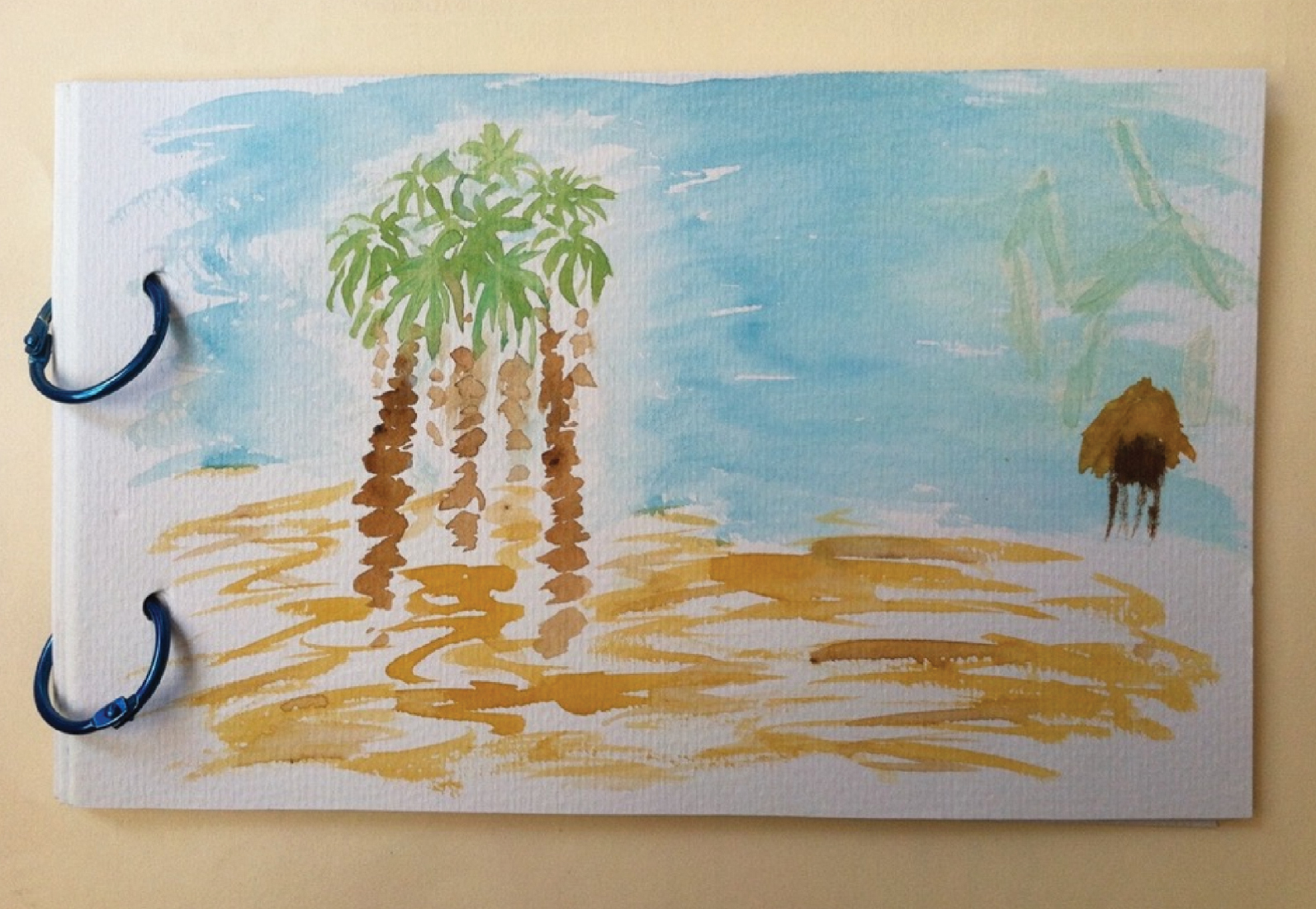
Figure 1 - “Abby’s First Page.” Watercolor by Abby.
Abby’s second page (Figure 2), created using markers and colored pencils, is a picture of “what would have happened if I had gone with the other family.” Prior to her final adoption, a different family was interested in adopting her. She shared that the father in that household was a professional clown and Abby remembers him doing tricks for her and taking picture of her in a blue dress with yellow shoes. The small image to the left of the clown is a self-portrait, the same picture that was sent to her “forever family” before she was placed with them.
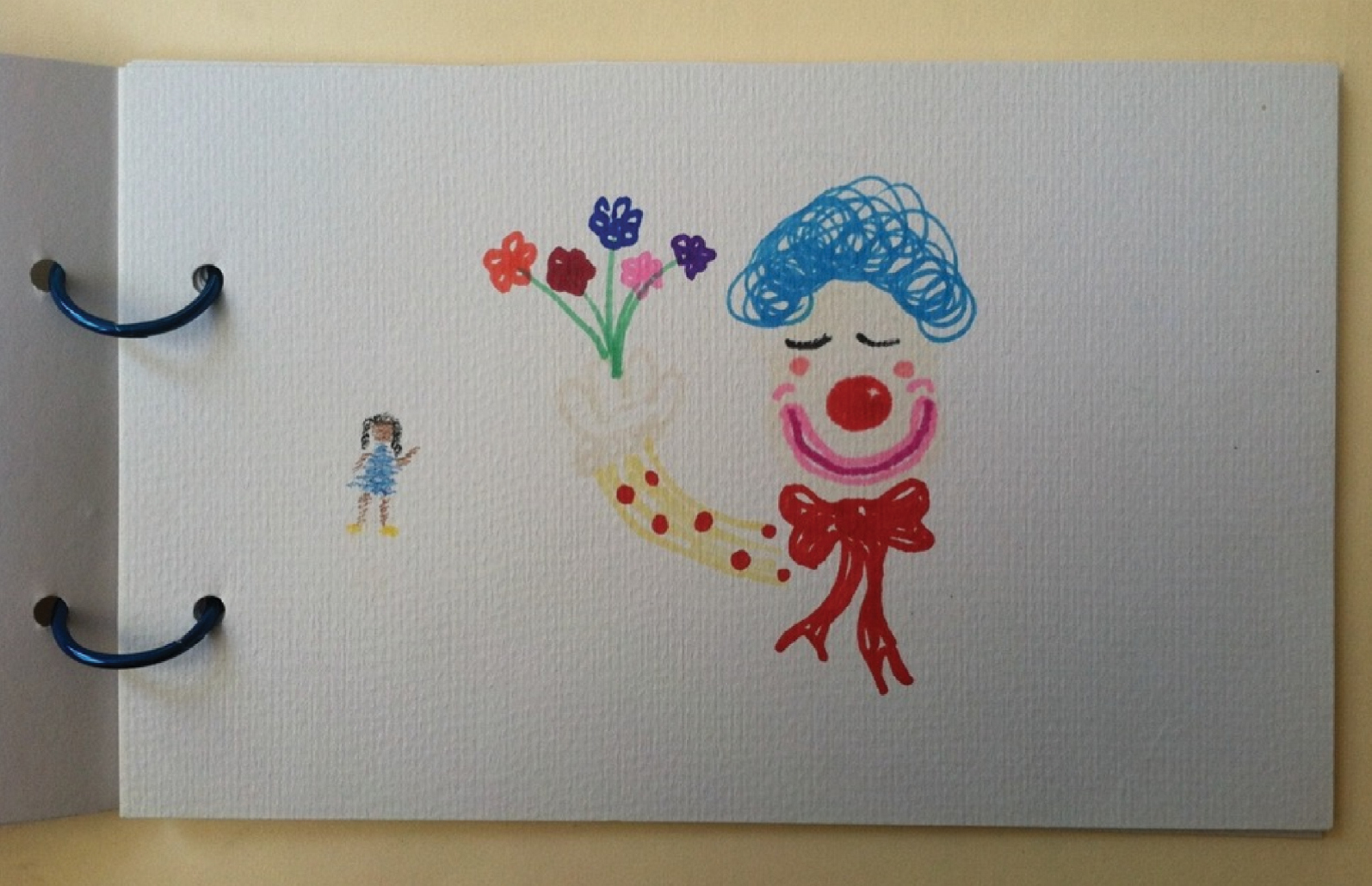
Figure 2 - “Abby’s Second Page.” Marker and colored pencil by Abby.
Abby’s final page (Figure 3) was created using watercolor and colored pencils. Abby described that it was a depiction of what she wants: “I want to be living on the coast, near the water, somewhere quiet.” When asked if Abby’s experience of her “Chapter One” had changed after working with the art she explained, “drawing my last one, it really sets a goal for what I really want. Something that makes me really happy.”
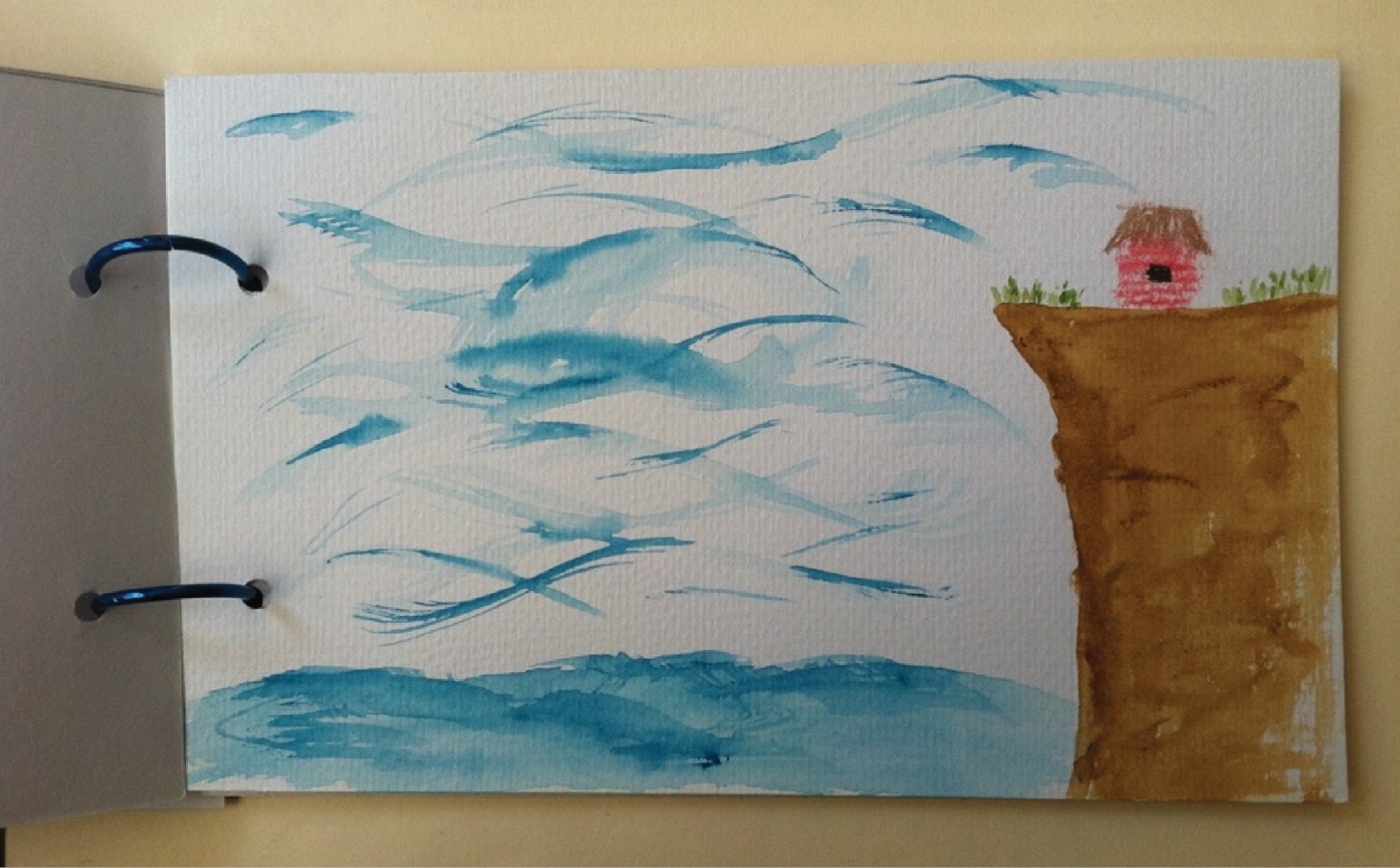
Figure 3 - “Abby’s Third Page.” Watercolor and colored pencil by Abby.
In response to an interview question about how/if her past has helped shape her identity, Abby explained, “I really don’t have a past in a way because I don’t know, I was still young.” Abby indicated that the past that helped shape her identity started with “Chapter Two”—where she felt it was okay to grow and experience. Themes of fantasy versus reality, trauma, grief, and loss all emerged throughout Abby’s artwork, and within the verbal discussion.
Participant B: Eva
Intake
Eva was adopted from South Korea when she was 2 years old. She recently visited her birth country and said she plans to visit again this coming summer. Eva shared that she has not deeply explored her biological culture, other than owning a traditional Korean dress when she was younger, until she traveled back to her birth country. “I’ve been trying to like teach myself how to cook and I’ve been trying to learn the language…there’s just a lot of barriers when you don’t have any exposure and people don’t know how to talk to you.” Eva talked a lot about the assumptions native Koreans had of her when she went back. “I felt like I did a lot of apologizing for not speaking Korean, and I did a lot of “I don’t know” and then they are like, “why don’t you know,” and then you have to do this whole like back-story explanation.” Eva explained that the most frustrating thing for her is “people and their assumptions.” She shared a story of when her friends made some jokes about being adopted. Eva described that her culture is very Midwestern Americanized, including the way she dresses, speaks, and her values.
Eva compared herself to her adoptive family and identified some traits that she feels she was born with: “my passion and dramatization.” She explained that, in contrast, her adoptive family is very stoic and laid back. Eva shared how important the idea of biological traits was for her because “you don’t really think about yourself apart from that because you are always trying to think about yourself integrated into your family.”
Eva shared how independent she is and has been throughout her whole life. She shared how difficult it was for her to bring this into conversation with her family. She stated that her relationship with them is complicated. “If they were gone, I’d be okay…It’s almost like you have to force yourself to be connected because you don’t really have any of those other things that are keeping you guys together.” Eva started to explore the anger she has around her unknown beginning—the sonograms or when people talk about being in gestation. There were clear themes of frustration, grief, trauma, assumptions, and the importance of her South Korean heritage.
Post Art Interview
Eva used oil pastels and markers for her first page (Figure 4).
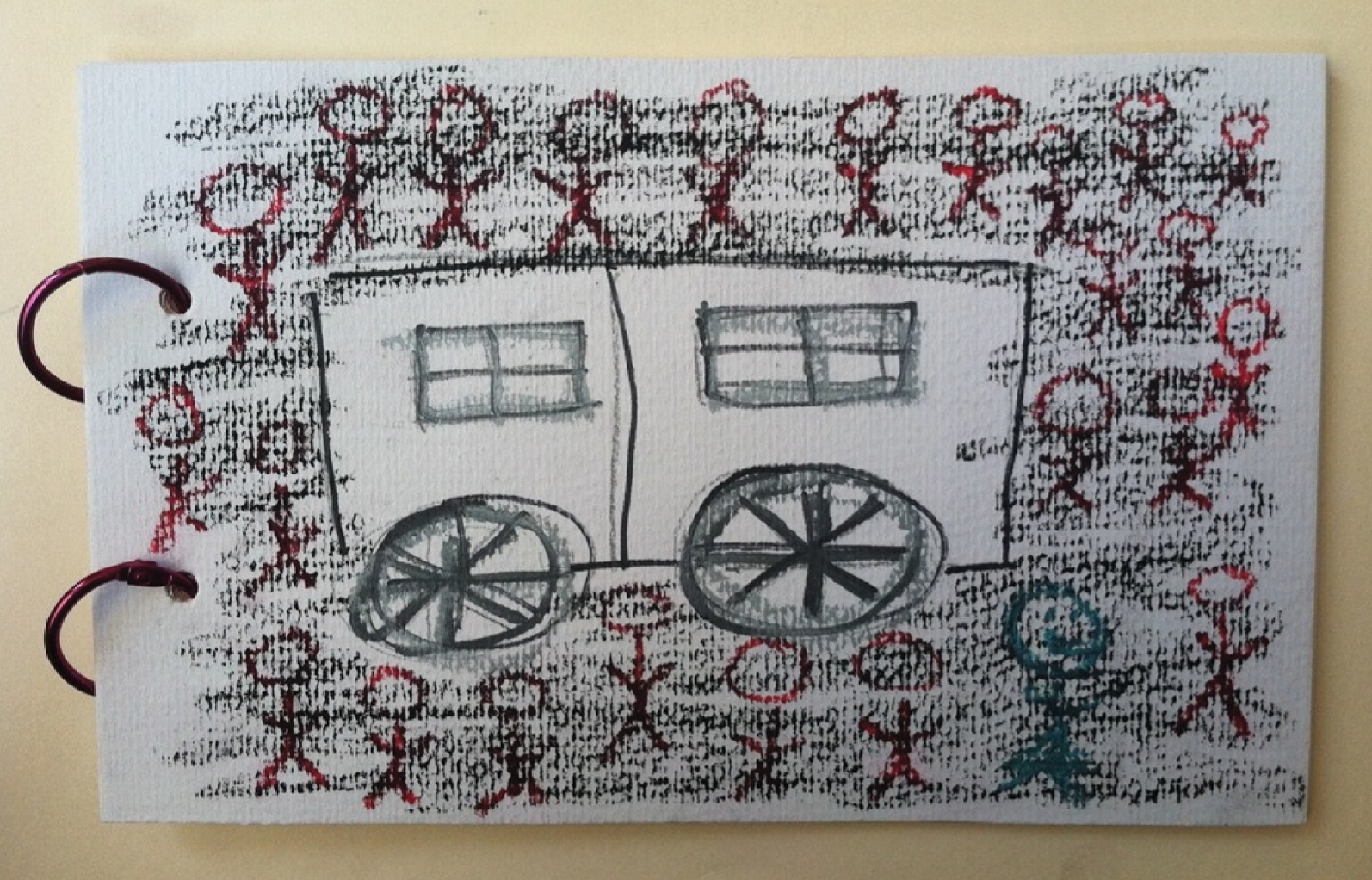
Figure 4 - “Eva’s First Page.” Pastels by Eva.
She shared that her first page is what she imagined her “Chapter One” was like growing up. “I know I was left in a train station, and I always imagined that somehow, maybe I got lost or something happened…that I was at this very crowded train station and somehow, just became.” Eva explained that she is the blue person on the bottom right of her first page. She was unable to answer where the train was going and questioned if it was coming from somewhere.
Eva’s second page (Figure 5) was created using graphite pencil, colored pencils, and markers. She shared that this picture was inspired by her trip back to Korea and her search for her birth family, “I guess my actual ‘Chapter One.’” Eva learned that she was found in the waiting room of a train station. “There was a man there who was just a random stranger, and this woman left me with the man.” Eva explained that she is the middle human figure, the figure to the left is the man, and the figure to the right is “the woman that left me: And we don’t know, we think that she was probably my mother, but we don’t know.”
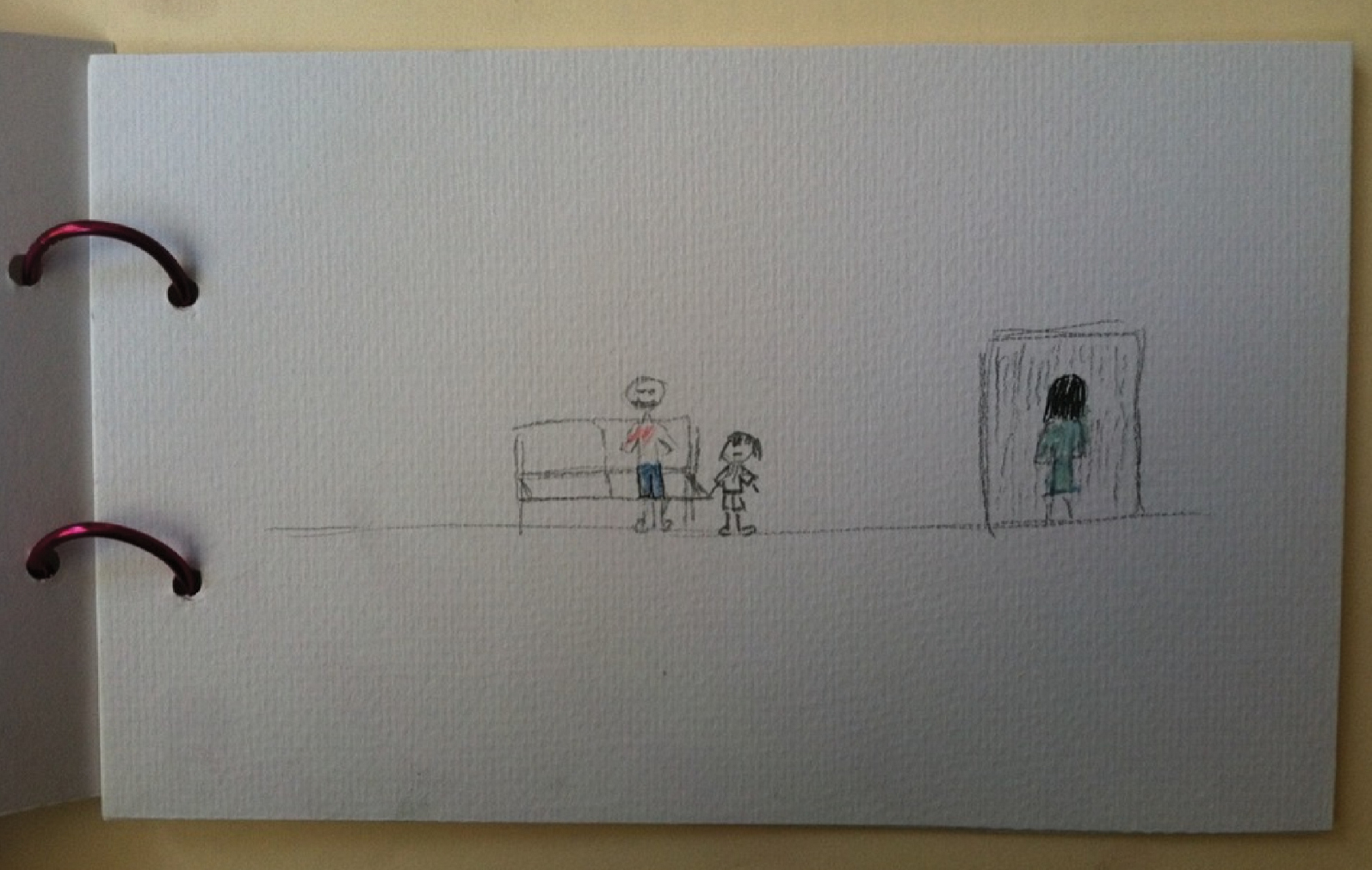
Figure 5 - “Eva’s Second Page.” Colored pencil and pastels by Eva.
This past summer, Eva was able to meet the now 80-year-old Korean man who brought her to the police station. “There’s something about meeting someone that has those baby stories, you know what I mean? It’s kind of amazing.”
Eva’s third page (Figure 6) was created using pen, oil pastels, and graphite pencil. She explained that she had some pictures from the orphanage where she remembers a “red room for the infants…and a blue room for the toddlers.” As an adoptee, Eva felt that seeing pictures of her in the orphanage that she never saw growing up was surreal. When asked if she was in this drawing, Eva indicated that she did not draw herself because it was hard for her to imagine her early years. What she did remember was all the children dressed in traditional Korean outfits for a special holiday.
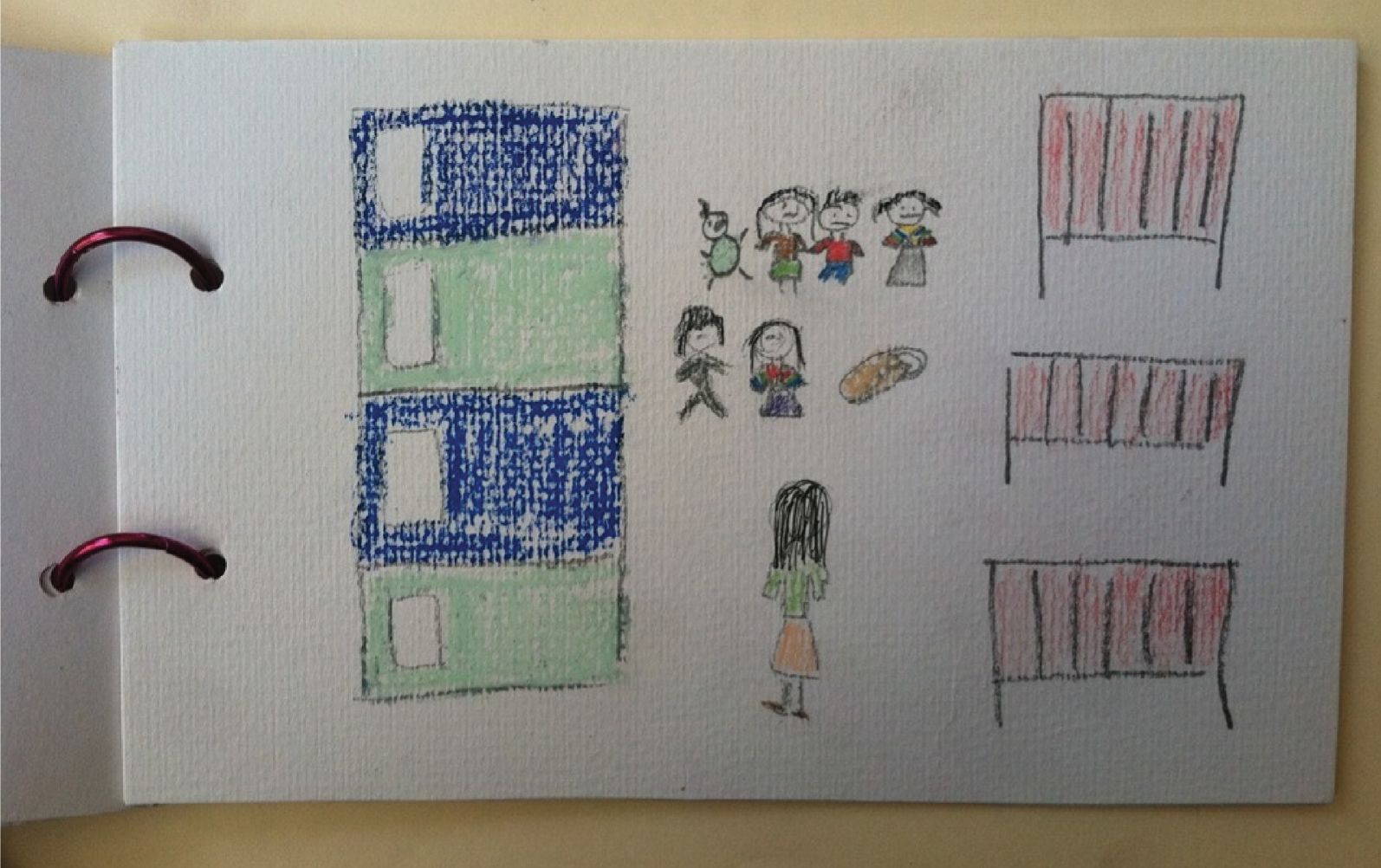
Figure 6 - “Eva’s Third Page.” Colored pencil and pastels by Eva.
After looking at her “Chapter One” drawing, Eva entitled her piece “Daegu,” the town where the train station and orphanage are located. In response to the idea that the past shapes identity, Eva feels like she is “more accepting of myself and of my past, which is hard…nobody wants to say like ‘I lived in an orphanage for six months,’ that’s sad, and that’s a hard thing to own without feeling awful about it.” Eva found the art therapy directive helpful in visualizing her story and committing it to paper. She acknowledged the importance of expressing it on paper. “It’s like something that you cannot put into words.”
Participant C: Isaac
Intake
Isaac was adopted from Korea when he was about 1 year old. He shared that he returned to Korea for the first time in 2010 but does not feel like he has explored his native culture in much depth. Isaac identifies his culture as American, and one of his biggest struggles is, “I think, at times, I wish I were more…I wish I could speak Korean, I wish I were more Korean just because then the person that I am on the inside would match the person I am on the outside more, because people have the expectations.” People expect things from Isaac that do not match how he identifies. Isaac indicated that he has naturally been a leader throughout his life, and one of his strengths has been resilience and his independence.
Isaac and his biological older brother were both adopted into the same “forever family,” who have three other children—one adopted daughter and two younger siblings biological to his adoptive parents. Isaac shared that he is very close with his biological brother and adoptive sister. His parents divorced when he was younger, which made things “strange for a while,” but he now works with his adoptive father, and he has a “sort of strange slash border repair relationship with my mom.” Isaac shared that he is not close with his two younger siblings. Isaac’s biological brother met their birth mother a few years ago when he visited Korea. When asked how much information Isaac had on his birth family he said, “not a lot…our dad died…I would love more information.”
Post Art Interview
Isaac was the only participant to use all six pieces of paper; all were created using colored markers.
Isaac’s first page (Figure 7) depicts his early life, “I always imagined that we lived in like this rural part and there’s like wheat fields, and I don’t even know if wheat grows in Korea, but I always pictured there to be some kind of wheat field thing, so I drew that.” Isaac shared this image represents his birth mother, father, and older brother, and he drew himself in his mother’s arms.
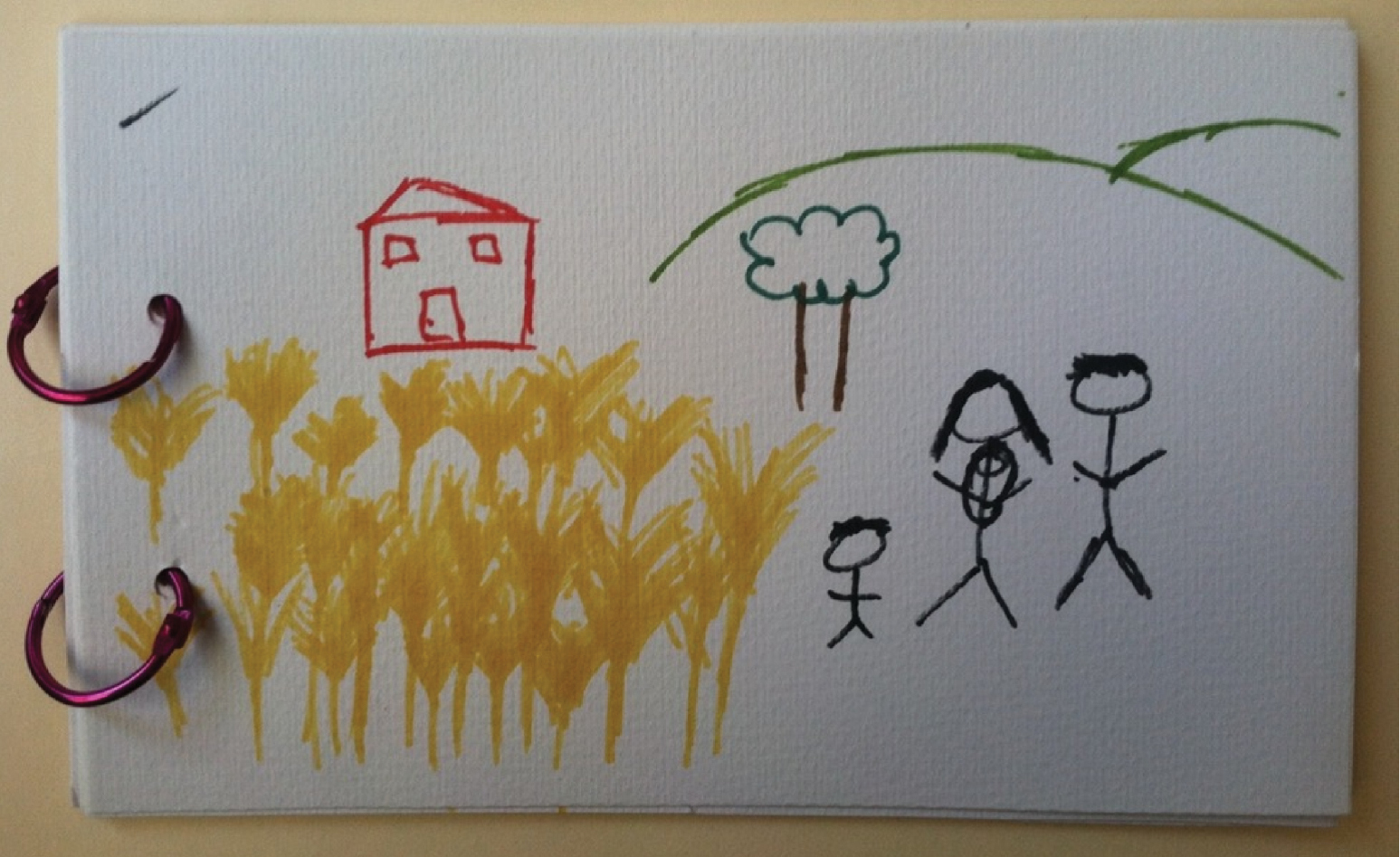
Figure 7 - (G) “Isaac’s First Page.” Marker by Isaac.
Isaac’s second page (Figure 8) is very similar to the first, with fields, hills, a tree, and a red house. A notable difference is that there are three people instead of four. “At some point we knew my dad died…and it was just our mom and us.”
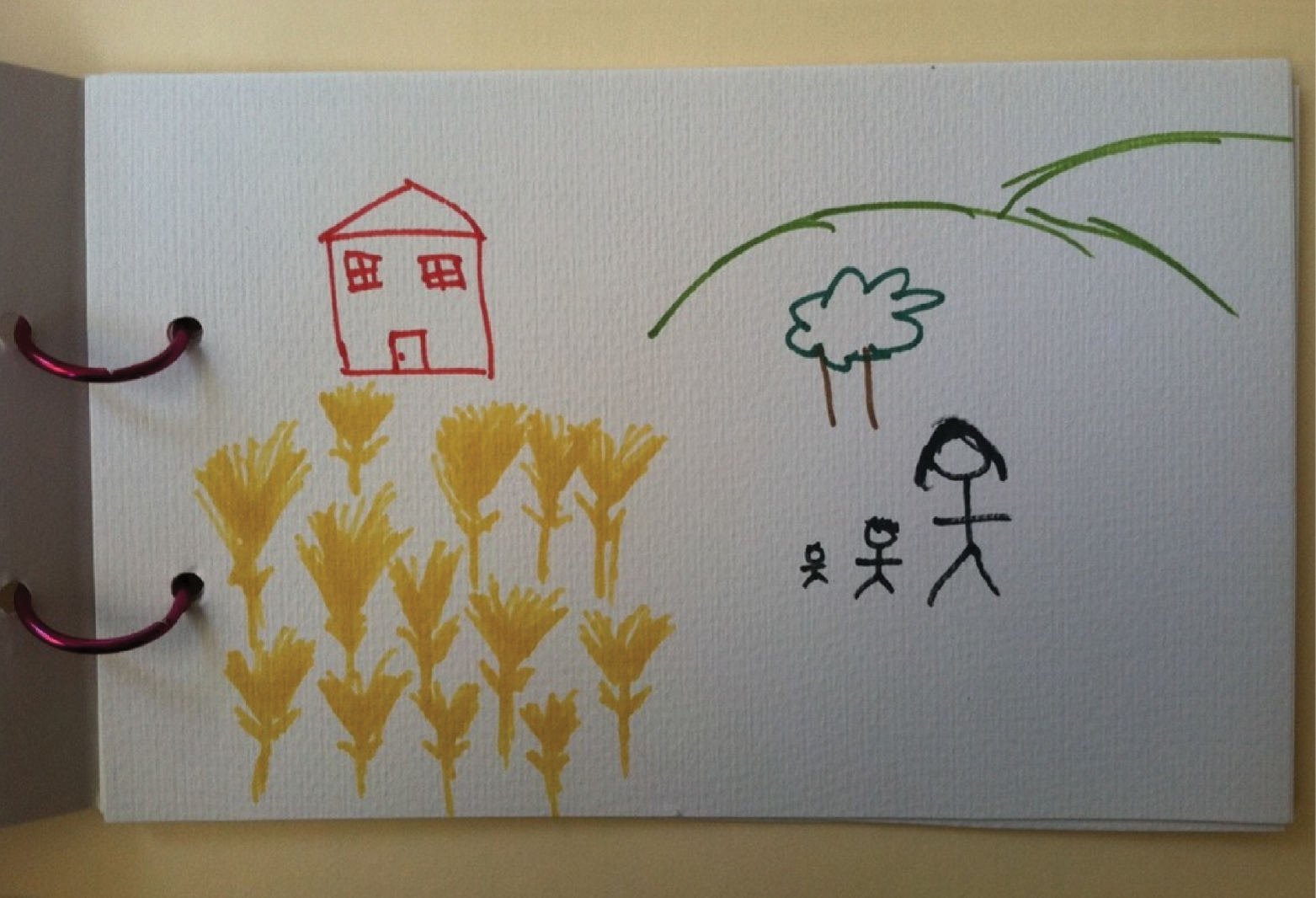
Figure 8 - “Isaac’s Second Page.” Marker by Isaac.
On the third page (Figure 9), Isaac captures his birth mother bringing him and his brother to the adoption agency. “At some point my mom, after consulting my family, brought us to the adoption agency, which I don’t know what it looks like, but I imagine it to be something…it’s a side profile of a building.”
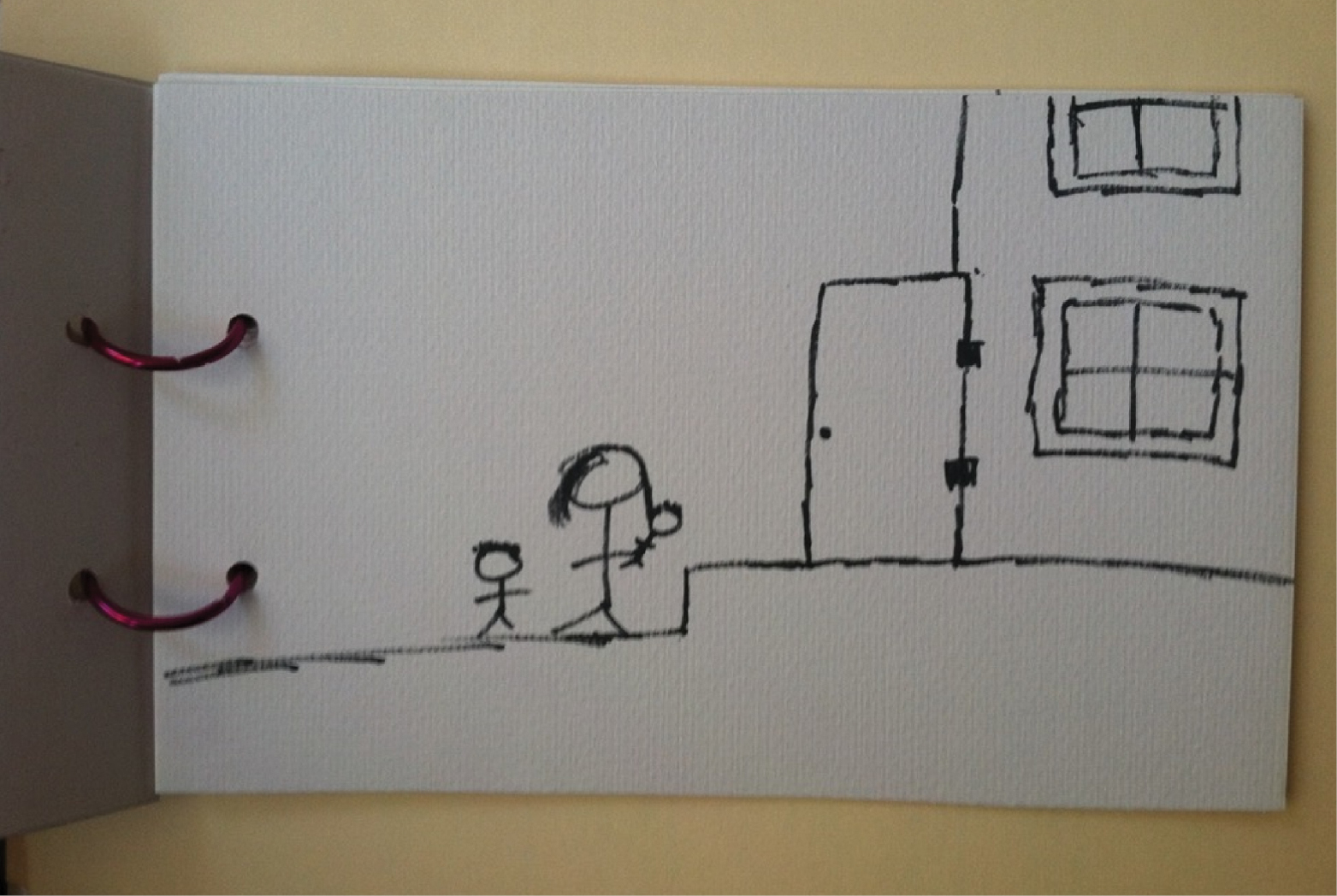
Figure 9 - “Isaac’s Third Page.” Marker by Isaac.
Isaac’s fourth drawing (Figure 10) was of his mother walking out of the agency alone. “So that’s her bringing us in, and then that’s her walking out without us, and I don’t know if that’s how it happened, but I don’t know any other way that it would happen.” Isaac was asked what it was like for him to draw these two images, one after the other. “Looking back on it now, it looks really sad…It looks very sad now.” When asked if it was sad, Isaac responded, “I think it was sad. You know, it’s like she obviously made a decision at some point to…that it was better that she gave us up for adoption, but I can’t imagine that was easy. To go in with two kids and come out alone….”
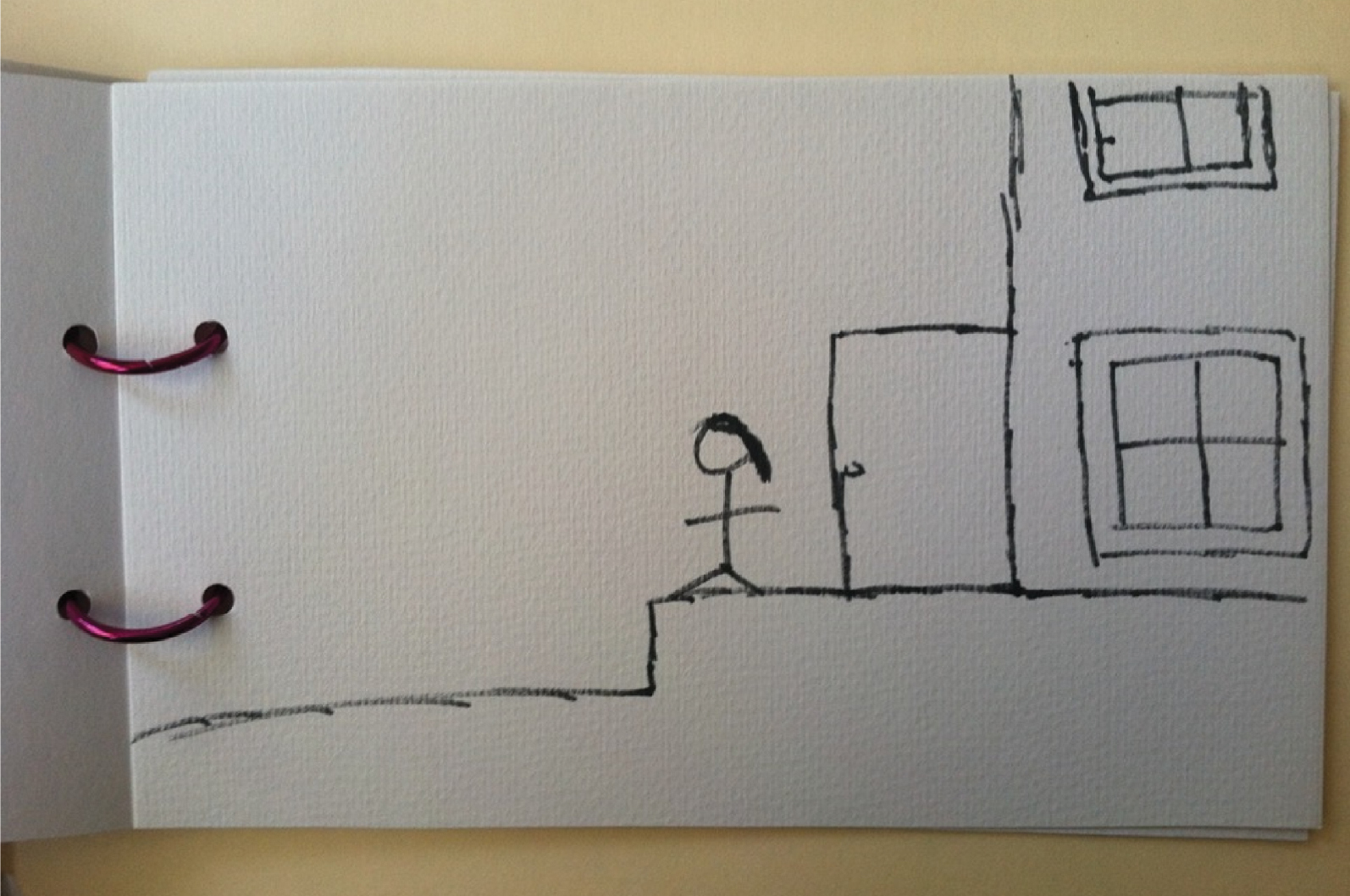
Figure 10 - “Isaac’s Fourth Page.” Marker by Isaac.
Isaac’s fifth page (Figure 11) relates to a photograph he grew up with. “There’s a picture of us at the agency, there’s a lot of older women and some kids…I don’t think there were any pictures of us with other kids, but I imagine there were other kids there.” Isaac shared that he is one of the babies with a caretaker.
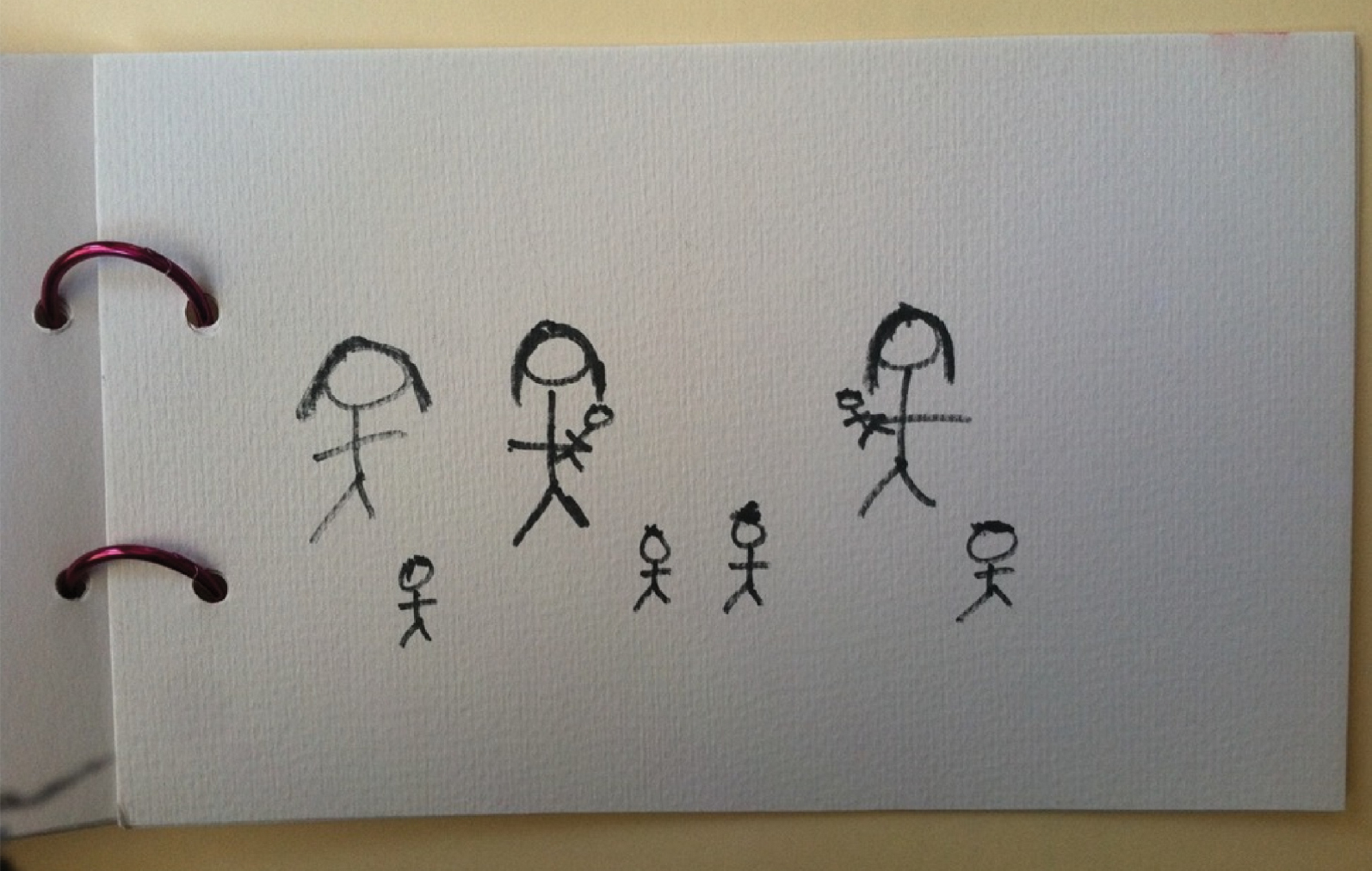
Figure 11 - “Isaac’s Fifth Page.” Marker by Isaac.
Isaac’s last drawing is a plane (Figure 12). “And then, you know, we were adopted…and then our lives began when we landed in the States. So that’s sort of how I think about it, or when you asked me, I guess that’s how I thought about it, what my life was like.”
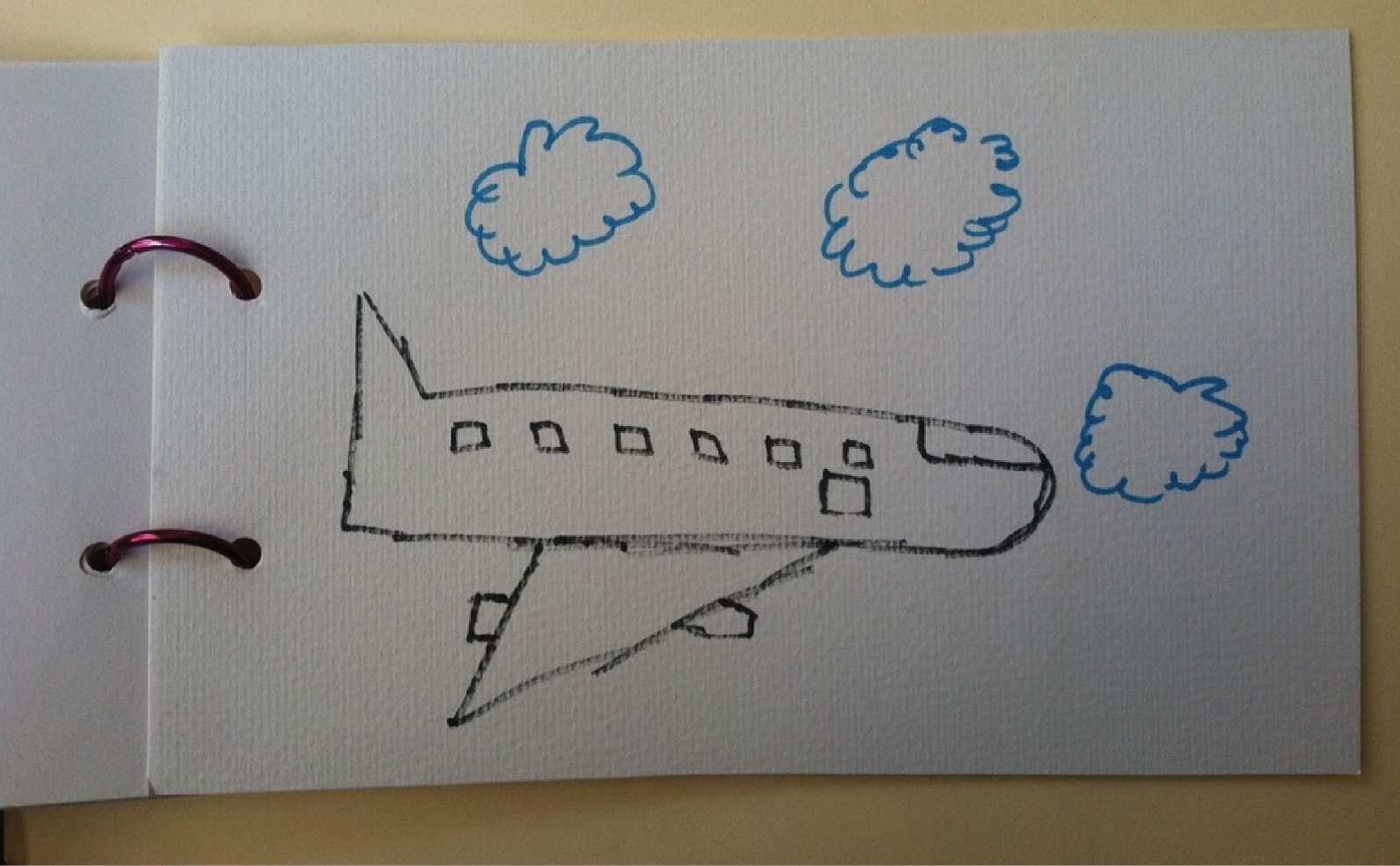
Figure 12 - “Isaac’s Sixth Page.” Marker by Isaac.
Five of the six images have human figures, but none have faces. When asked if this was because he did not know what people looked like or because he struggled to know what their expressions would be, Isaac shared that he never draws faces with stick figures. “I figured I don’t really know what our dad looks like, I mean I know what my brother and I look like, but I don’t think I could do a proper representation.”
Isaac relates his “Chapter One” past to his identity: “everything about the past makes you who you are so I think that probably in more ways than I am even conscious about—growing, having this as part of my past absolutely is part of who I am.” Isaac also indicated that in order to commit his story to paper, he had to think about the story and concluded that it was a sad story. The author validated the idea and asked if the word “sad” was describing his story or what he was feeling in the moment. Isaac shared, “No. I feel a little sad…This is who I was at some point.” When asked if he would change anything Isaac said no, explaining, “I feel like everything that happens in your life makes you who you are today, so if you were to change anything, you wouldn’t be who you are.”
Art Materials in the Art Therapy Context
Materials are categorized as resistive or fluid. Materials that require pressure are more resistive: stone/wood sculpture, clay, colored pencils/pens, collage, crayons, and markers. Fluid materials have less inherent structure: watercolors, paint, chalk pastels, and oil pastels (Hinz, 2009, p. 31). “Fluid materials are likely to elicit emotional responses and restrictive media are likely to evoke cognitive responses (Hinz, 2009, p. 32). It is interesting that both Abby and Eva used materials from both fluid and restrictive groups to create their stories and expressed emotional and cognitive responses in their art. Isaac used markers for his entire piece. The expressive therapies continuum (ETC) (Hinz, 2009) defines markers to be more restrictive than other materials, suggesting a more cognitive response.
All participants moved in and out of the perceptual/affective, cognitive/symbolic, and creative levels. Abby, Eva, and Isaac all created images they had once seen before and were expressive and emotional (Hinz, 2009, p. 6). The cognitive/symbolic level was most represented in the study. “Symbols provide access to intuitive functions and serve as reminders that experiences are not entirely conscious and fully understood” (Hinz, 2009, p. 12). The participants explored memories or fantasies of their past and used symbolism to represent their memories. The cognitive aspect represents problem solving and complex thought. Thoughts, feelings, and emotions that are difficult to verbalize. Although there is verbal input, it is not required to understand meaning behind complex symbols (Hinz, 2009, p. 6).
Group Data
Multiple common themes were noted in the participants stories, including assumptions, privilege, trauma, independence and resilience, grief and loss, and fantasy versus reality.
Assumptions
Both Abby and Eva experienced feeling that they needed to apologize for not being able to communicate with the community when in their birth country. All participants shared feeling moments of incongruence between their inside and outside being. Isaac felt he sometimes wanted to be “more Korean,” whereas Eva questioned peoples’ motivation when they made assumptions.
Privilege
Abby was the only participant who identified her privilege as something for which she is grateful. “You basically have things, so you don’t even have to think about it. You have food, you have a grocery store, you have money and a job, and you can pay for it. You have clean water.” She was also the only participant to indicate her family attachment as a positive and healthy relationship. Eva and Isaac had similar stories of disorganized attachment; not that they do not love their families, rather an observation of more visible trauma in relation to abandonment.
Grief/Loss
All participants experienced some type of grief and loss. For Abby, family loss was evident when she shared, “I thought it would be better if I was out of the way…so I decided to live somewhere else.” Eva’s feeling of heritage loss was reflected when she said, “I feel like I did a lot of apologizing for not speaking Korean, and I did a lot of “I don’t know” and then they are like, “why don’t you know” and then you have to do this whole back story explanation.” Isaac’s comment, “Our dad died, and it was just our mom and us…that’s her bringing us in, and then that’s her walking out without us” is clear evidence of his emotional loss.
Fantasy versus Reality
Themes of fantasy versus reality are depicted throughout each participant’s artwork. Abby’s reality was based on memories she had of her Cambodian village; her fantasy was explored through her dreams and goals for life. Eva’s reality was shown through an image of the train station where she was left. Her second image was one that she drew from her current memory of visiting her birth country. Her last picture was her image of the orphanage. Most of Eva’s “Chapter One” is from reality-based memories. Isaac explored the reality of his father dying, his mother placing both him and his brother up for adoption and getting on a plane to start their new life. He imagined wheat fields by his house and depicted what the adoption agency may look like. Isaac portrayed his story based on his reality and his fantasy through visualizations.
Sense of Belonging
There was a sense of belonging theme in almost every response. Abby shared that her visit to Cambodia felt like home. She sometimes struggles to connect to her adoptive family and questioned what life would be like for them without her in it. Eva explored her feelings around the disorganized attachment to her adoptive family, and Isaac shared his desire to be more Korean—so the person he is on the outside matches the person he is on the inside more. These examples highlight the confusion many adoptees experience in terms of feeling a sense of belonging. It is to validate that exploring the past is difficult and can raise complex emotions.
Conclusion
The art created during this research study tell stories of missing pieces. Participants utilized art materials they felt comfortable with to explore a complex concept. Common themes include lacking a sense of belonging and frustration about the mismatch between the outward appearance and internal feelings. The artwork created was examined with the ETC to provide an introduction into the power of art therapy, and how different art mediums can elicit different responses.
Acknowledgements
To Rebecca Zarate and Patricia D’Amore, thank you for being the incredible editors of this piece. It would not exist without you both. To all my mother’s—my birth mother, Sally Rogers, and Jennifer Eckert, thank you for supporting me, loving me, and being my reason why.
Conflicts of Interest
The authors declare no conflict of interest.
Appendix
An Institutional Review Board application was applied for at Lesley University and granted in December 2015, pending all other site approvals necessary. On December 19, 2015, permission was granted from the research site to conduct the study. Once all approvals were confirmed, data collection began on January 16, 2016.
About the Author
I am a transracial, international adoptee. I was adopted from India when I was 6 months old and grew up in Connecticut with my mom, dad, and older sister, who was also adopted from India. For the first 6 months of my life, I lived in an orphanage run by the sisters of the Holy Cross in New Delhi. The only information I have is my birth mother’s first name, the city in India where I was born, and a short letter explaining that my birth grandmother accompanied a nun from the orphanage as they traveled from Patna to Delhi. My birth mother named me Chandani, which means moonlight in Hindi…the moon—a place many adoptees look toward when they think about birth family. I had the opportunity to do my graduate intern training at Boston Post Adoption Resources, as a first-year student at Lesley University, and spent the next 8 years working collaboratively. I am now the founder of Chandani Post Adoption Counseling, LLC, supporting those in the adoption community as they navigate the ups and downs of their unique and personal adoption journeys. I believe in the power of storytelling and story-sharing, and I am dedicated to sharing my story in the hopes that it helps support others through theirs. As I move through my own personal journey within adoption, and as I continue to support adoptees in the therapeutic work, art has proven to be an incredible way to access all the little parts of us that need healing and holding. Art has allowed me to share my story and captivate a feeling I will never have words for.
Author to whom correspondence should be addressed; E-Mail: maya@chandanicounseling.com.
References
Brodzinsky, D. M. (2011). Children’s understanding of adoption: Developmental and clinical implications. Professional Psychology: Research and Practice, 42(2), 200–207. | |
Colaner, C. W., & Soliz, J. (2015). A communication-based approach to adoptive identity: Theoretical and empirical support. Communication Research, 44(5), 611–637. | |
Grotevant, H. D., Dunbar, N., Kohler, J. K., & Lash Esau, A. M. (2000). Adoptive identity: How contexts within and beyond the family shape developmental pathways. Family Relations, 49(4), 379–387. | |
Harris O’Connor, S. (2012). An introspective study of a transracial adoptee: The Harris narrative. Arlington, MA: The Plumping Station. | |
Hinz, L. (2009). Expressive Therapies Continuum: A framework for using art in therapy. New York, NY: Routledge. | |
Karkouti, I. M. (2014). Examining psychosocial identity development theories: A guideline for professional practice. Education, 135(2), 257–263. | |
London, P. (1989). No more secondhand art. Boston, MA: Shambhala. | |
Malchiodi, C. A. (2007). The art therapy sourcebook. New York: McCraw-Hill. | |
Miller, W. (2003). Metaphors of identity and motifs of expression: Clinical observations on international adoption and the use of the sand tray process in art therapy with internationally adopted children. In D. J. Betts (Ed.), Creative arts therapies approaches in adoption and foster care (pp. 214–260). Springfield, IL: Charles C Thomas. | |
Plomin, R. (1994). Nature, nurture, and social development. Social Development, 3(1), 37–53. | |
Robertson, B. (2001). Drawing a blank: Art therapy for adolescent adoptees. American Journal of Art Therapy, 39, 74–79. | |
Rubin, J. A. (1984). The art of art therapy. New York, NY: Brunner/Mazel. | |
Wilson, S. L., & Summerhill-Coleman, L. (2013). Exploring birth countries: The mental health implications of heritage travel for children/adolescents adopted internationally. Adoption Quarterly, 16, 262–278. | |
Younes, M. N., & Klein, S. A. (2014). The international adoption experience: Do they live happily ever after? Adoption Quarterly, 17, 65–83. |