Investigating the Impact of Musical Soundscapes on Well-being: A Qualitative Focus Group Study Using Arts-Based Methods
Volume 11, Issue 1, Pages 85-104
Abstract
This study explores the impact of musical soundscapes on well-being through a qualitative inductive thematic analysis. Utilizing focus groups and participatory arts-based methods, participants engaged with meditative soundscapes periodically over a week, sharing their responses through text, voice, and visual imagery. These multisensory responses were cross-referenced with focus group transcripts to deepen the thematic analysis. The findings reveal diverse positive outcomes, including personal, psychological, physiological, and sociocultural benefits. Notable emergent themes include intersensory synchrony, embodied musical affects, stress relief, self-transcendence, communal connection, and integrated well-being. The study underscores the capacity of musical experiences, which transcend cultural boundaries, to enhance well-being across these dimensions. These preliminary results highlight the potential of cross-cultural musicality to foster holistic well-being, suggesting that musical soundscapes can act as a powerful medium for enhancing well-being.
摘要
本研究通过质性归纳式主题分析, 探讨音乐声景对幸福感的影响。采用焦点小组与参与式艺术本位方法, 受试者在一周内分阶段体验冥想声景, 并通过文字、语音及视觉意象分享其反馈。这些多感官反馈与焦点小组转录文本进行交叉比对, 以深化主题分析。研究结果揭示了多样化的积极效益, 涵盖个人、心理、生理及社会文化多个层面。显著涌现的主题包括:多感官协同效应、具身化音乐影响、压力缓解、自我超越、社群联结及整合性幸福感。该研究强调了音乐体验超越文化界限、进而提升多维度幸福感的能力。这些初步结果凸显了跨文化音乐性促进整体幸福感的潜力, 表明音乐声景可作为提升幸福感的有效媒介。
Keywords
cross-cultural music, well-being, qualitative methodology, participatory arts response, thematic analysis.
关键词
跨文化音乐, 幸福感, 定性研究方法, 参与式艺术反馈, 主题分析.
History
Received 01 January 2025
Accepted 01 March 2025
Open Access
This is an open access article.
Introduction
In recent years, the convergence of mindfulness and creative practices has produced considerable interest within the field of well-being (Kabat-Zinn, 2003). Mobile phone technology continues to be one of the most highly accessed routes to digital media and resources. This has led to a proliferation of well-being apps, and within the market, a growth in meditation music and sound engagement designed to affect emotional well-being has emerged. Although the market is rapidly growing, the impact of cross-cultural soundscapes on well-being remains relatively unexplored. We undertook this study to investigate the impact of cross-cultural sounds with a UK adult population.
In this article, we focus first on the theoretical background of the research, characterized by a transdisciplinary approach. We then explore why we chose to use a qualitative methodology. In the third section, we detail how we recruited participants, organized the focus groups, and gathered and analysed data. In the Results section, we illustrate the six themes produced by the thematic analysis (namely, discovering a novel experience of intersensory synchrony, embodying musical affects, relief from stress, feeling self-transcendent, becoming within an archaic community and integrated well-being), and in the last section, we discuss our findings.
Theoretical Approach
The soundscapes that we used for our study was selected on the basis of its rich complexity, developed by a well-known Danish vocalist with a background as a rapper and music artist. His cultural heritage, influenced by his father who crafted bespoke shaman drums in collaboration with shamans, imparted a rich arrangement of nuanced cultural elements to the sound design. The design concept for the music focused on models of digital engagement to produced more settled states of personal and social awareness. The concept was developed in response to recent research that indicates that culturally complex music can produce a disconnect between users and meditation, often due to a misalignment with personal or cultural values or constraints in time availability (Beaudoin & Maki, 2020; Kellen & Saxena, 2020; Lea et al., 2015).
Therefore, the music was developed using a design-driven methodology (Acklin, 2010) that was deeply influenced by the designer experience with musical performance and his artistic intuitions. Such an approach facilitated a bidirectional, design process in which the design was informed by the author’s vision, while simultaneously being shaped across cultural and social milieus (Kirsh, 2013). Consequently, the resulting musical compositions represent an integration of artistic innovation and cross-cultural musical principles, which we will describe in more detail later. The musicality was further realized through user interaction, establishing a feedback loop in the design process. Although the musical compositions are not co-created, their structural ambiguity allows for user interpretation through active listening, fostering new personal relationships between the listener and others/otherness.
We recognize that our analysis of musicality emerges from a European–North American framework, and we are mindful of the historical dynamics where music outside the dominant discourse has been met with varying degrees of respect and exploitation. At its worst, this has manifested through anthropological and Eurocentric perspectives that have exoticized, othered, or commercialized non-Western musical traditions. Such approaches have often reduced diverse cultural expressions to objects of curiosity, reinforcing a colonial epistemology that privileges Western thought and marginalizes the “other” (Rice, 2013, p. 8). Although we do not claim expertise in ethnomusicology, it is important to emphasize that this article reflects the voices and perspectives of our participants.
As revealed through a series of in-depth interviews with the app’s designer, the musical meditations were crafted using an eclectic blend of shamanic chanting patterns, rap melodies, classical compositions, and choral music, seamlessly integrated into a cohesive sonic narrative. Each composition, ranging from 5 to 8 minutes in length, alludes to indigenous styles of music without seeking to emulate the specific musical heritage of any particular indigenous population. Instead, the pieces are built on key principles known to inspire introspection, such as circular singing, nature-inspired melodies, chanting, and the use of analogue instruments, including the shamanic drum. This sound palette was carefully composed to create a model of musicality that integrates rhythmic patterns commonly associated with Western musical traditions while incorporating elements from non-Western music, particularly variations in tempo and rhythm. The Western rhythmic frame refers to a structured approach often characterized by regular time signatures and predictable beat cycles, serving as a foundation for the composition. The non-Western elements, in contrast, introduce rhythmic diversity through alternative pacing and phrasing, creating a dynamic interplay intended to evoke a brief yet immersive musical journey (Merriam & Merriam, 1964).
In contrast to mainstream Western popular and classical music, which often emphasizes logical, rule-based melodic structures and external formal relationships (Stevens, 2012), these compositions prioritize fostering an inward-looking, experiential engagement. The term “rational” here refers to the adherence to systematic, codified frameworks that guide melodic and harmonic development in much of Western music. This is not to suggest that non-Western forms lack rationality but rather to highlight the differing priorities and aesthetic approaches, where non-Western traditions may place greater emphasis on spontaneity, oral transmission, or context-specific interpretations.
The music draws inspiration from traditions that emphasize intuition and emptiness as aesthetic principles, fostering a framework that supports harmonic convergence (Hao, 2023; Ping, 2021). This approach does not imply that intuition and rationality are mutually exclusive; rather, it highlights a shift in focus toward experiential and emergent qualities, where harmonic alignment arises organically within the creative process. Such traditions often integrate both structured and intuitive elements, challenging conventional dichotomies in musical aesthetics.
Although cross-cultural musical fusion is not a novel concept, recent scholarship suggests that integrating disparate genres, particularly within meditation contexts, can evoke a sense of cultural dissonance for some listeners. By “cultural dissonance,” we refer to a feeling of tension or unease arising when contrasting cultural elements are juxtaposed in ways that challenge familiar aesthetic or cultural norms. This concept draws from, but is distinct from, “cognitive dissonance,” as it focuses on the interplay of cultural expectations and the listener’s perception of harmony or congruity within the music. Although this fusion has the potential to be refreshing and enriching by exposing listeners to new and diverse cultural expressions, it may also produce a distancing effect, potentially alienating some listeners who struggle to reconcile the contrasting elements (Beaudoin & Maki, 2020; Kellen & Saxena, 2020; Lea et al., 2015). This duality highlights the complexity of cross-cultural musical integration, where the novelty can simultaneously engage and challenge the listener.
However, we theorize that the integration of fundamental aesthetic musical principles focusing on more intuitive capacities and qualities of emptiness as breaks from some of the norms of Western musicality could provide shifts in musical experience that provide opportunities for introspection and co-creating musical meanings through the elements of choral resonance. This aligns with the ideas of musician Atau Tanaka, who suggests that when music relates to complex social milieus, importantly it:
How music works, in real time as a medium through which both emotion and action are configured, provides, in my view, a topic through which to think about the non-cognitive, aesthetic and material bases of action, experience, interaction and the reproduction of action over time and space as socio-cultural and psych-cultural institutions. (O’Hara & Brown, 2006, p. 24)
The concept of social musicality, as identified by Tanaka, underscores the importance of participatory active listening as intrinsic to the musical outcome, emphasizing its interpersonal and collective dimensions. Cross-cultural elements, which can be found in many genres of Western music (Bellman, 1998), reflect the interplay of psychological and cognitive influences in shaping how listeners engage with such compositions. Additionally, non-Western modes of musicality have been widely introduced into meditation apps, aligning with somatic and psychological approaches as evidence-based strategies for improving well-being (Hilton et al., 2019). We also theorize that using such aesthetic devices as musical principles have the capacities to produce qualities of attention that are qualitatively different to the dominant normative cognitive lenses, commonly applied in many Western contexts (McGilchrist, 2019). Likewise meditation as an originally non-Western mode of attention was originally established as a well-being technique used in many standardized therapies during the late 1990s (Kabat-Zinn, 1990). Kabat-Zinn (2003) describes meditation as developing a capacity to nurture a quality of non-judgmental attentiveness that can allow experiences to unfold moment by moment without becoming attached to any particular elements of experience. However, although face-to-face meditation (often called mindfulness in the West) shows efficacy in a range of areas, including workplace stress (Hilton et al., 2019), the evidence for digitalized, self-led meditation appears to be inconclusive and is often overstated for commercialization purposes (O’Daffer et al., 2022). Our research was designed to respond to this gap in the research.
The theoretical framework guiding our investigation into the interplay between culture and musical experience is also underpinned by posthuman and new materialist perspectives (Braidotti, 2019). This framework builds on the insights of Deleuze and Guattari (1988), who emphasize the subjectification of experience, suggesting that musical encounters are not fixed but are part of an ongoing process of becoming entangled with cultural, material, and affective forces. Within this dynamic, the potential for cultural dissonance and distancing reflects the complexities of deterritorializing personal and cultural subjectivities, where individuals negotiate their relationship to unfamiliar or contrasting elements. Musical experiences, in this context, serve as a medium through which these evolving subjectivities are explored and reconfigured.
The emphasis on the “cross-culturality” of the musical soundscapes was particularly central to the experience of the soundscape designer, whom we interviewed on multiple occasions. Their vision of integrating diverse musical traditions aims to honor a multiplicity of influences, even as we, as researchers, remain aware of the ethical and cultural sensitivities that accompany such interdisciplinary collaborations.
From our field diary, data entry (August 10, 2023):
During the interview he [the artist] said that he ‘really wanted people to feel the music going around and through their bodies’. He said ‘he used digital and analogue equipment to enable this, including a shaman drum, that found it’s tone in relation to what was required’. He spoke about trying to reduce an ‘egocentric’ position for the listener so that it became more than human, even referring to the music as cosmological, although there was a sense that he didn’t want to go ‘too far’ because he felt this might hinder perceptions making it less acceptable. […]
From the artist’s point of view, putting together different musical elements through the technology of sampling was a way of building a ‘cosmological space’ where people could feel represented and engage with an empowering sense of otherness, broadening awareness and qualities of attention.
Despite the intention to grasp and represent an emic point of view (van de Vijver, 2010), we are aware of the deep power disparity that still stands in the music production business between artists that work in Europe and North America and from musicians from the rest of the world. In this sense, we recognize that the use of cross-cultural sounds fuels a world music economy that fragment sounds and abstract them from their context of production, often producing a discourse around authenticity that benefits the consumer and the distributor to the detriment of the musicians that produced the sound (Théberge, 2003). We were not able, in our research, to deepen the understanding of the meaning that our research participants attributed to the concept of “cultural,” “traditional,” and “authentic.” We recognized this limitation and tried to grasp the artist’s point of view on what they perceived to be a cross-cultural sound, created in their listening experience.
Methods
After funding acquisition, the study was developed in March 2023, and the research took place between April and July 2023. Data analysis took place in August 2023. The research question was, “What impact does periodic listening to cross-cultural music have on well-being?” Brunel University approved the ethics for the study, and all participants were given an information sheet, and they provided signed consent for the data, including images, to be published as part of the research. We aimed to qualitatively investigate the experiences of individuals engaging with the musical pieces, including interoceptions and exteroceptions relating to well-being. The research was collaboratively designed and conducted by the authors, XXXX, a PhD student in medical anthropology at the University of Milan—at the time, a Brunel University postgraduate student in psychological anthropology, and XXXXXX, who has a background in researching arts therapy practices in health contexts. Their combined perspectives provided a platform for the study’s focus on the experiences of participants, enabling an integration of new materialist theories applied to ethnographic and psychological methods. Regular meetings facilitated the integration of their knowledge and skills in designing the study and analyzing focus group data. The study was also designed to allow participants to initially draw or paint their experiences of the music to allow for nonverbal affects to be fully realized and expressed. This approach encouraged rich expression of qualitative experience through exploring the visual composition, form, color, line, and intended and unintended meanings. The study’s timeline spanned from February to August 2023, with both researchers actively engaged in the design, execution, and analysis phases. The research project received funding from BB. Additionally, the project underwent an ethical review process with Brunel University London.
Our research design was informed by Njie and Asimiran’s (2014), who suggests the
underlying meaning unearthed through the genre of thorough questioning, interaction and observation whose choice is informed by the depth of what the research hopes to reveal especially the meanings and the relationship between situations and settings. (p. 27)
This approach has been used in the mental health field (Smith, 1996) and psychological research (Mey, 2022). We chose to use focus groups as a data collection research method as it provides
access to participants’ own language, concepts and concerns; encouraging the production of more fully articulated accounts; and offering an opportunity to observe the process of collective sense-making in action. (Wilkinson, 1998, p. 197)
We considered this approach to be appropriate for our investigation owing to our interest in researching contextual actors (Latour, 2005) and the potential for collective associations through the music that may be expanded on in a group context.
Study Design
To investigate the experiential impact of meditative soundscapes designed with a cross-cultural perspective Soundwheel (2022), we used a focus group methodology. The primary objective of these focus groups was to explore participants’ perceptions, associations, ideas, and experiences concerning their experience of the musical soundscapes. The study also incorporated image-based exercises as the initial part of the focus group discussions. This innovative approach was designed to facilitate a deeper exploration of the participants’ affects, allowing them to express their experience through nonverbal means, qualitatively manifesting associations produced through sound. Therefore, this method aimed to provide the researchers with a richer, more comprehensive understanding of the experiential impact of the music.
Participants
The recruitment of participants for this study was conducted through two primary channels: email invitations within a large university and through an advertisement on the social networking platform LinkedIn. Our focus was on recruiting a diverse group of individuals who could provide varied perspectives.
The demographic composition of the participant’s was intentionally varied, encompassing a range of ages, education levels, and work experiences. This diversity was critical in ensuring that the study captured a broad spectrum of user experiences and perspectives, thereby enhancing the richness and applicability of the findings.
Prior to each focus group, participants completed a digital demographic questionnaire containing 13 open-ended questions. These questions sought information on age, employment status, ethnicity, gender identity, religious beliefs, disability status, education level, hearing impairment, and use of well-being apps. The digital format allowed participants to respond at their convenience. The same questionnaire was distributed via email to all participants across four cohorts. The decision to use open-ended questions was to enable participants to express their experiences in their own terms. The age distribution was within the 18–40-year range (Table 1). In the study, among the 22 participants, four were unemployed and nine were students. Employment status varied, with four being employed, two self-employed, one working part-time, and two students working part-time. Their professions included a teacher, waitress, CEO, art therapist, and dementia care assistant. Regarding ethnic identity, seven participants chose not to disclose, three identified as White British, two as Black British, two as Caucasian, with the remainder distributed among various mixed and specific ethnicities. In terms of gender, 12 identified as female, three as male, and seven did not specify. In terms of religion, four were religious (Catholic, Muslim, Jewish, Christian), four were non-religious, one was spiritual/agnostic, and one atheist (Table 2). Only two reported disabilities (dyslexia; ADHD and dyslexia/dyspraxia), none had hearing impairments or used music for well-being. Of the 22, only three disclosed their highest education level (A level, undergraduate, M/A art therapy trainee, B/A fine arts), with the majority preferring not to specify.
| Category | Subcategory | n | % |
|---|---|---|---|
| Age | |||
| 18-20 years | 2 | 9 | |
| 20-30 years | 7 | 32 | |
| 30-40 years | 13 | 59 | |
| Mean age: 30.4 years | |||
| Employment status | |||
| Employed | 4 | 18 | |
| Part-time employed | 1 | 4 | |
| Employed and student | 2 | 9 | |
| Student only | 9 | 40 | |
| Unemployed | 4 | 18 | |
| Self-employed | 2 | 9 | |
| Gender | |||
| Female | 12 | 54.5 | |
| Male | 3 | 13.6 | |
| Prefer not to say | 7 | 31.9 | |
| Educational level | |||
| A level | 1 | 4 | |
| Bachelor degree | 1 | 4 | |
| Master’s degree | 1 | 4 | |
| Prefer not to say | 19 | 86 | |
| Category | Subcategory | n | % |
|---|---|---|---|
| Ethnic group | |||
| Asian | 1 | 4.5 | |
| Black British | 2 | 9 | |
| White British | 4 | 18 | |
| Asian and British | 2 | 9 | |
| Caucasian | 2 | 9 | |
| White British Irish | 1 | 4.5 | |
| Indian | 1 | 4.5 | |
| Caribbean | 1 | 4.5 | |
| Prefer not to say | 7 | 32 | |
| Faith and beliefs | |||
| Christianity | 3 | 13.6 | |
| Islam | 1 | 4.5 | |
| Judaism | 1 | 4.5 | |
| Spiritualism | 1 | 4.5 | |
| Agnostic | 1 | 4.5 | |
| Atheist | 7 | 32 | |
| Prefer not to say | 8 | 36 | |
Focus Groups
We facilitated four focus groups, within environments that participants were familiar with, including university environments and online sessions where participants could be at home. This was designed to foster a naturalistic and comfortable setting conducive to open discussion (Morgan, 1996). The facilitators used a semi-structured approach, initiating each session with open questions, allowing nuanced exploration of the environments, culture, emotionality, and bodily experience pertinent to the research question while remaining receptive to new areas of exploration emerging during the discussions (Krueger, 2014). The primary aim was to explore participants’ experiences of the music, focusing on its impact on bodily sensations, associations, emotional responses, and environmental interactions (Barbour, 2010).
Each focus group session included 4 to 7 participants, with discussions lasting approximately 90 minutes. This duration was deemed sufficient to allow for in-depth exploration of the participants’ experiences and perspectives.
Phases of the Focus Groups
The structure of the focus group sessions was in four phases: engagement with the music; in-depth sharing of experiences; visual expression; exploration of the image responses. This approach was devised to capture a nuanced understanding of the music’s impact, integrating verbal, gestural, and visual descriptions and embracing potential intra-active experiences with the musical environment (Barad, 2007).
The focus groups were conducted in four phases to capture the multifaceted impact of the music, integrating verbal, gestural, and visual descriptions while considering intra-active experiences with the musical environment (Barad, 2007). In the first phase, participants discussed their recent interactions with the music and participated in a live listening session, enhancing recall and helping to establish how they engaged with the music in their daily routines (Wilkinson, 1998). The second phase involved in-depth sharing of experiences, focusing on how the music influenced participants’ emotional states, well-being, and social interactions, offering insights into the broader psychosocial effects of cross-cultural music (Liamputtong, 2011). In the third phase, participants expressed their experiences through painting or drawing, enabling a more nuanced, non-verbal articulation of feelings and perceptions, particularly those that were difficult to convey in words (Leavy, 2020; Toll, 2018). Finally, in the fourth phase, participants reflected on their artwork, translating their visual expressions into verbal descriptions, which deepened their understanding of both individual and collective experiences with the music (Vaughn et al., 1996).
Data Collection Methods
In each focus group session, data were collected through a combination of audio recordings, notes-taking, and we took a digital photo of each image produced. Participants provided informed consent for the audio recording of the sessions, after reading the information sheet about the project.
Data Analysis Process
All focus group sessions were audio-recorded and subsequently transcribed verbatim to facilitate detailed coding and analysis. The primary method of data analysis used was inducive thematic analysis, a technique widely recognized for its efficacy in identifying, analyzing, and reporting patterns within data (Braun & Clarke, 2006). This method was particularly suited to our study because it allowed for a systematic investigation of a large data set, enabling us to discern thematic patterns in the text while contextualizing the participants’ narratives, thereby enhancing the accuracy and depth of our interpretations (Namey et al., 2008).
In line with the six-phase framework proposed by Braun and Clarke (2006) our thematic analysis process involved (1) an initial familiarization with the data, where researchers immersed themselves in the details and nuances of the transcripts; (2) generating initial codes, identifying salient features of the data in a systematic fashion across the entire data set; (3) identifying emergent themes, where codes were collated according to their proximity of meaning relation; (4) defining and refining themes, ensuring they formed a coherent pattern; (5) iteratively reviewing themes, refining the specifics of each theme and the overall concepts the data conveyed; and (6) writing up the results, where the final analysis was compiled into a coherent and logically structured set of themes.
During the analysis, two researchers independently read and re-read all transcripts, engaging in open coding to identify initial codes using the software Dedoose. This iterative process ensured a comprehensive knowledge of the data. Subsequent meetings between the researchers allowed for collaborative discussion and refinement of codes, with new codes emerging and existing ones being expanded or modified. This collaborative approach to coding and theme development ensured a rigorous and reflexive analytical process.
Results
The thematic analysis produced six domains of change: discovering a novel experience of intersensory synchrony, embodying musical affects, relief from stress, feeling self-transcendent, becoming within an archaic community, and integrated well-being. These domains elucidate the multifaceted ways in which meditation sounds influence individuals’ subjective experiences and perceptions of well-being, emphasizing the interconnectedness of sensory stimuli, emotional states, and broader sociocultural contexts.
An image has been selected for each theme based on the theme’s salience within the participant narratives; however, it is also evident that the images intersect multiple themes.
Theme 1: Discovering a Novel Experience of Intersensory Synchrony
This theme was the least prevalent in excerpts from the transcripts (13/348) and elucidates instances of amodal and what appeared to be synesthetic immersion within the musical experience. Such immersion often manifested spatially, as an intersensory phenomenon (Figure 1). Participant 2 articulates this as a swelling sensation, combining both sound and tactility in response to the music:
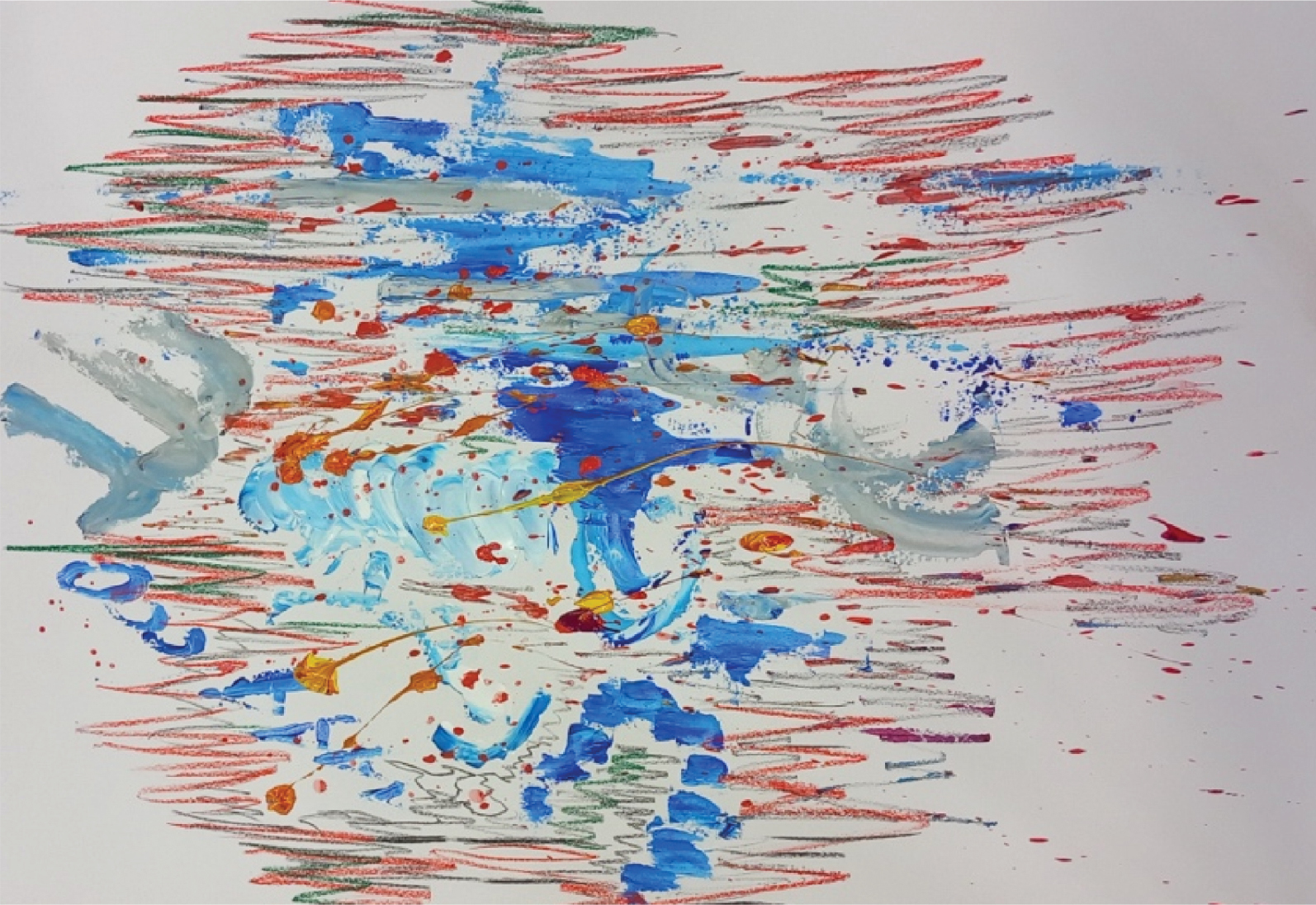
Figure 1 - Participant 10: In this composition, the participant described the blue figure at the center as embodying the auditory experience, suggesting fluid motion and intersensory synchrony. Surrounded by energetic strokes and splatters, the figure appears to be in harmony with these elements, resonating with the environment. The blue evokes tranquility and vastness, whereas the red, orange, and yellow accents create a visual symphony around the central figure, depicting a symbiotic dance of senses.
“And that I feel like it, I feel like it swells in me. I feel like the music swells.”1
This description suggests a merging of auditory stimuli with a visceral, physical response. Similarly, participant 10 describes a rhythmic bodily experience of being carried aloft and then released coordinated with the musical baseline,
“I felt as If I was floated and then deflated. Floated and deflated. I think it was maybe the base. Ta ta-ta-ta [she mimics the rhythm].”
These accounts underscore a kinesthetic quality of the musical engagement, where sound was not only heard but also felt through other senses in a way that transcends a traditional notion of sensory boundaries.
Theme 2: Embodying Musical Affects
This theme was present according to 28/348 of the excerpts and refers to embodied musical affects as a salient theme, underscoring the emotional resonance that embodied auditory perception. Participants reported a deep sense of bodily integration with the music, describing it as a whole-body experience. Participant 1 encapsulates this sensation, stating,
“I actually feel like the music and I become one. I feel like the music is genuinely inter-woven into my fibres.”
This conveys a sense of integration among the self, body, and the musical experience, again suggesting a synesthetic blending of sensory modalities where the music becomes an intrinsic part of the participant’s corporeal existence. Further emphasizing this theme, participant 1 describes the music as an enveloping presence,
“For me, it’s like a wall of sound, but I really like that. I like feeling enveloped by sound.”
This description moves beyond the internal experience to encompass the sound environment is felt to wrap around the body and creating a tangible affective situatedness of musical experience (Figure 2).
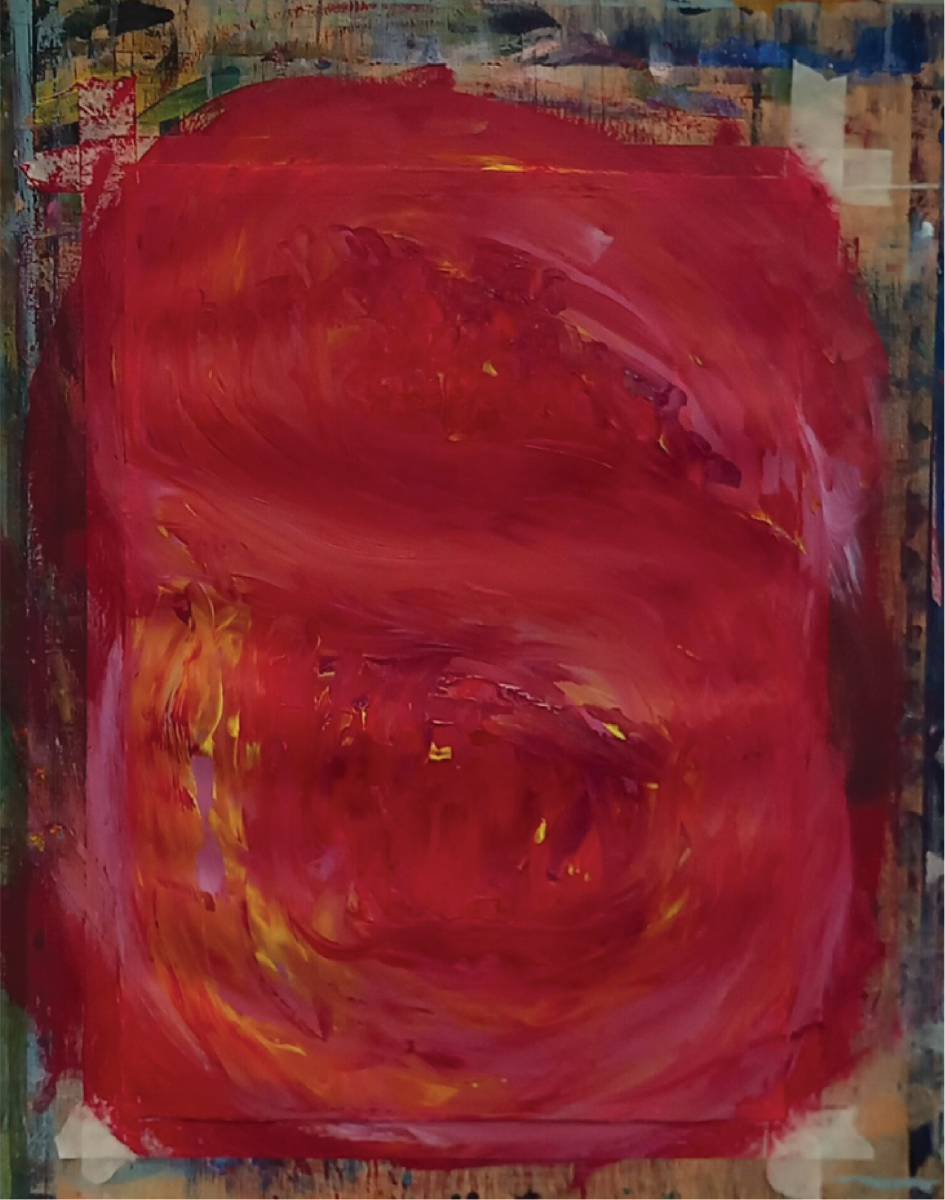
Figure 2 - Participant 1 describes the image as dominated by a sweeping “S” motion of deep red paint. The visceral strokes suggest the rhythmic dynamism and emotional intensity often felt in response to the stirring music. This tactile application of paint embodied the physicality of the music’s impact on the participant, with the color red mirroring a deep emotional resonance.
Theme 3: Altered Relationship to Stress
The theme was counted (29/348) in response to the music. This theme refers to a complex landscape of stress responses. Although the music served as a place of tranquility for many, it was also disturbing for others.
Participant narratives highlight the music’s capacity to transform stress into states of calm and introspection (Figure 3). Participant 4 shares the soothing impact of the music,
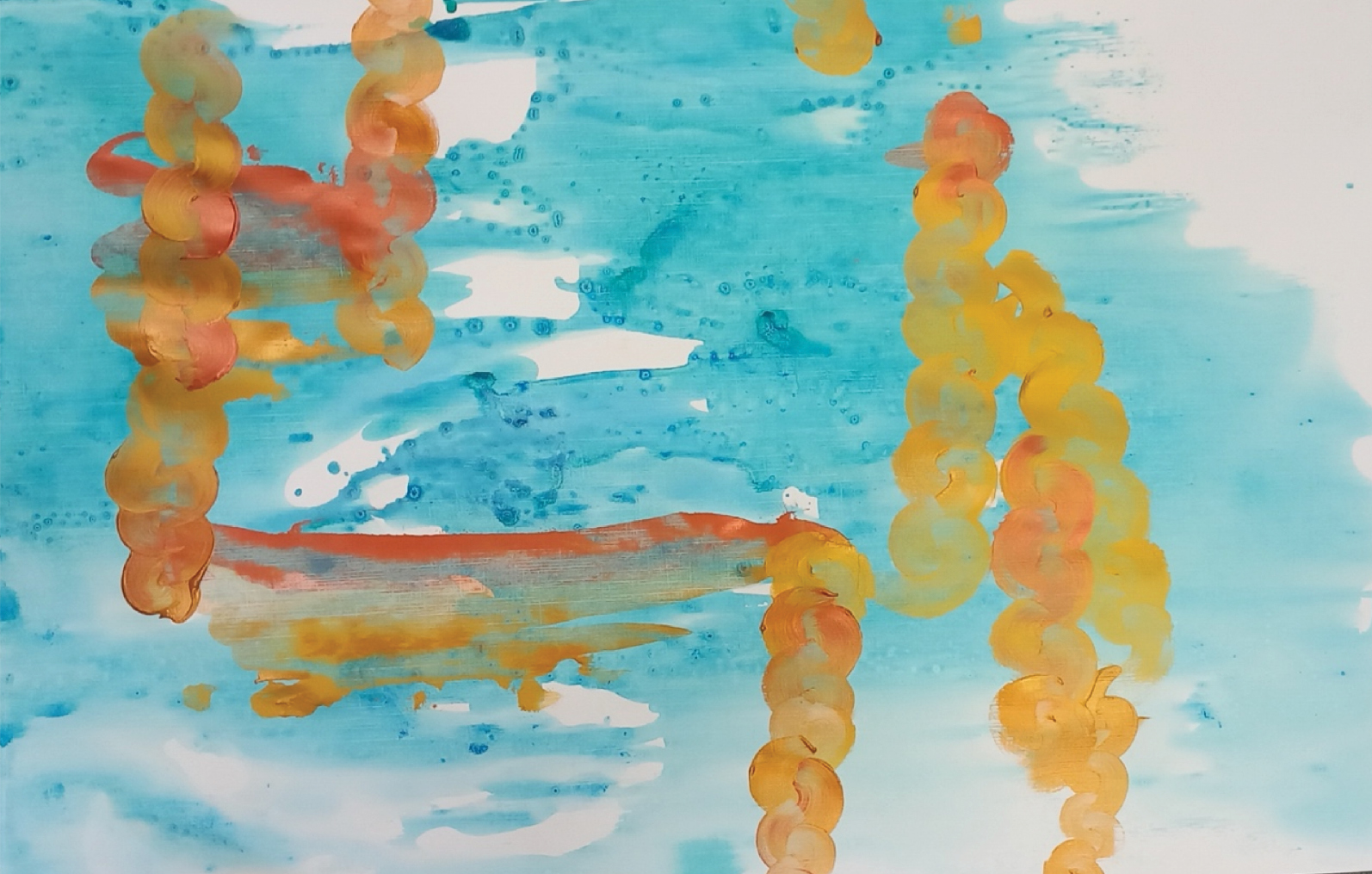
Figure 3 - Participant 7 describes the image as using calming blue tones that form a tranquil background, overlaid with chains of warm, amber-hued circles resembling gentle ripples or soft bubbles. The blue background evokes a sense of peace and serenity, reminiscent of the sky on a sunny day or the surface of a still ocean. The soft, interconnected circles in warm tones appeared to represent moments of comfort and ease, the rhythmic pattern suggesting a soothing continuity and repetition of the music.
“So I listen to it after eating. And normally I’m a bit stressed, whatever, but it made me calm down and make the process easier…to relaxing. It was just nice.”
This testimony underscores the music’s potential to ease postprandial stress and induce a more relaxed state. Likewise, participant 10’s described respite from physical manifestations of stress manifested through the body.
“I suffer from stomach pain and I’m trying to kind of figure out if it’s stress related. I’m pretty sure it is. And it [listening to the music] eased the pain.”
In this instance, the music’s influence is implicated in alleviating somatic symptoms associated with stress.
Conversely, the music’s soundscapes were not always comforting, as participant 18’s encounter suggests,
“The two songs I listen to, there was one that was it was just disturbing for me. Like I just I didn’t feel comfortable with it and I had to just turn it off.”
Likewise, participant 9 experienced a quality of overstimulation.
“I found it really stressful. Too many elements and too fast and making me feel really, like, freaked out. Like a bit scared, almost.”
However, another participant described a metaphor of the sea in a way that captured the essence of an altered relationship to stress and its complexities, “kind of going in or going to the sea is also a little bit quite scary.” For this participant, the experience of a changing relationship to stress was more complex, describing the sea as formidable, where she ultimately found herself feeling calmer.
Experiencing an altered relationship to stress was the most cited response for the music’s impact, a typical response is stated by participant 19, “I found it relieving. It made me calm down.” This demonstrates the music’s role in psychobiological transition from stress to calm. According to the focus groups, the music has the potential to act as a catalyst for relieving stress but it can also overwhelm participants.
Theme 4: Self-Transcendent Emotions
This theme was referred to 55/348 in the excerpts. Within the scope of self-transcendent emotions, the analysis reveals a sense of emotions exceeding a sense of self. Participants articulated trepidations akin to the vastness of the environment feeling small, almost insignificant, with sentiments of discomfort at experiencing powerful emotions that transcended their sense of self. Participant 15, for instance, reported a deep communion with nature, perceived as a feminine source of strength and serenity,
“Mainly for me, just my inner peace. Just me connecting with nature, drawing all strength and motivation from her.”
This affinity with the natural world denotes a source of emotionality and vitality. Participant 9’s encounter suggested a departure from the mundane to the spiritual,
“This feels more like it’s…it’s something that’s trying to get you in touch with a spirit of some magic in the air. It’s more kind of spiritual than normal meditation.”
These statements suggest that cross-cultural music can evoke an experience of emotional expansivity reaching beyond bodily boundaries and forming new human to non-human dialogues (Figure 4).
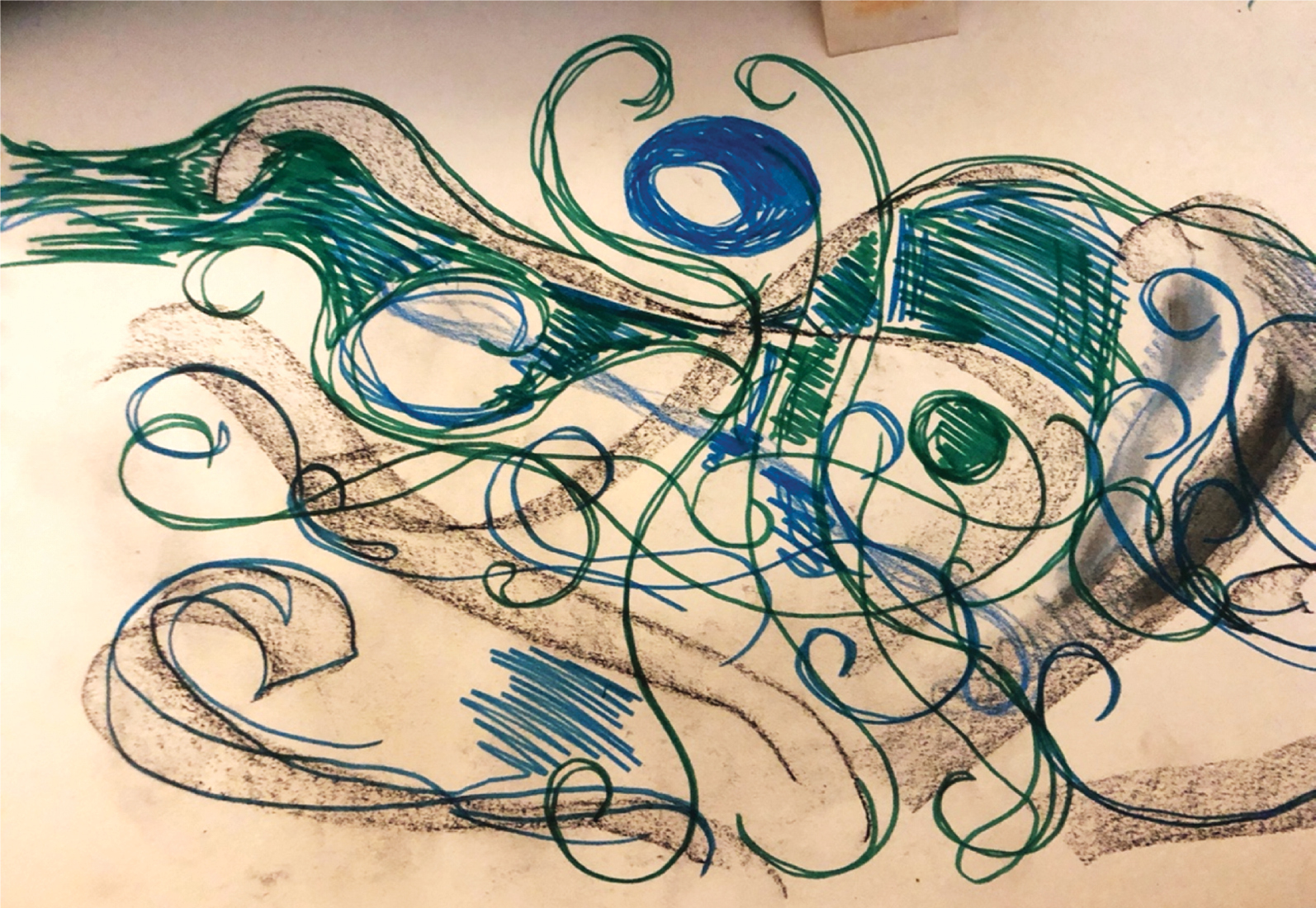
Figure 4 - The swirling blues and greens intertwined with bold, dark lines capture the essence of self-transcendent emotions, reflecting participant 18’s description of a complex journey through music-induced meditation. The blue and green motifs represented the ebb and flow of the ocean—a place of both tranquility and trepidation, mirroring the participant’s sentiments of emotions transcending her experience symbolized the fluidity of the music and its ability to carry the listener, akin to the waves that both soothe and threaten to engulf.
This visual manifestation of the participant’s emotional state embodied a reprieve from interpersonal stress, while also acknowledging the potential to “drown” in the immensity of an affective response to the world elicited by the music.
Theme 5: Becoming within an Archaic Community
The theme of an ancient or ancestral community was the second largest theme, referred to as 108/348, and captures the essence of historical collective experience and cultural heritages as elicited by the music. Participants’ reflections revealed a connection to a collective past and a sense of unity. Participant 11’s encounter with “epic music” points to the music’s ability to evoke a sense of historicity.
“Music was a bit of an epic music trying to take us back to the old culture, not so much of a modernized world.”
Other participants also said that they experienced the music as evoking a collective memory, producing images of an archaic human history. Participants felt that the male choral sounds produced the sensation of being part of a community, reminiscent of pagan or spiritual gatherings, reinforcing the theme’s communal aspect, referred to as “prehistoric” and “aboriginal” by other participants.
“I felt like the male vocals…I felt like it was some sort of pagan and sort of spiritual essence where I was part of a community.”
Participant 5 said: “Quite like campfire and an all-together community.” This affect of the music appeared to act as a link between the participant’s emotional community associated with a collective history and culture (Figure 5).
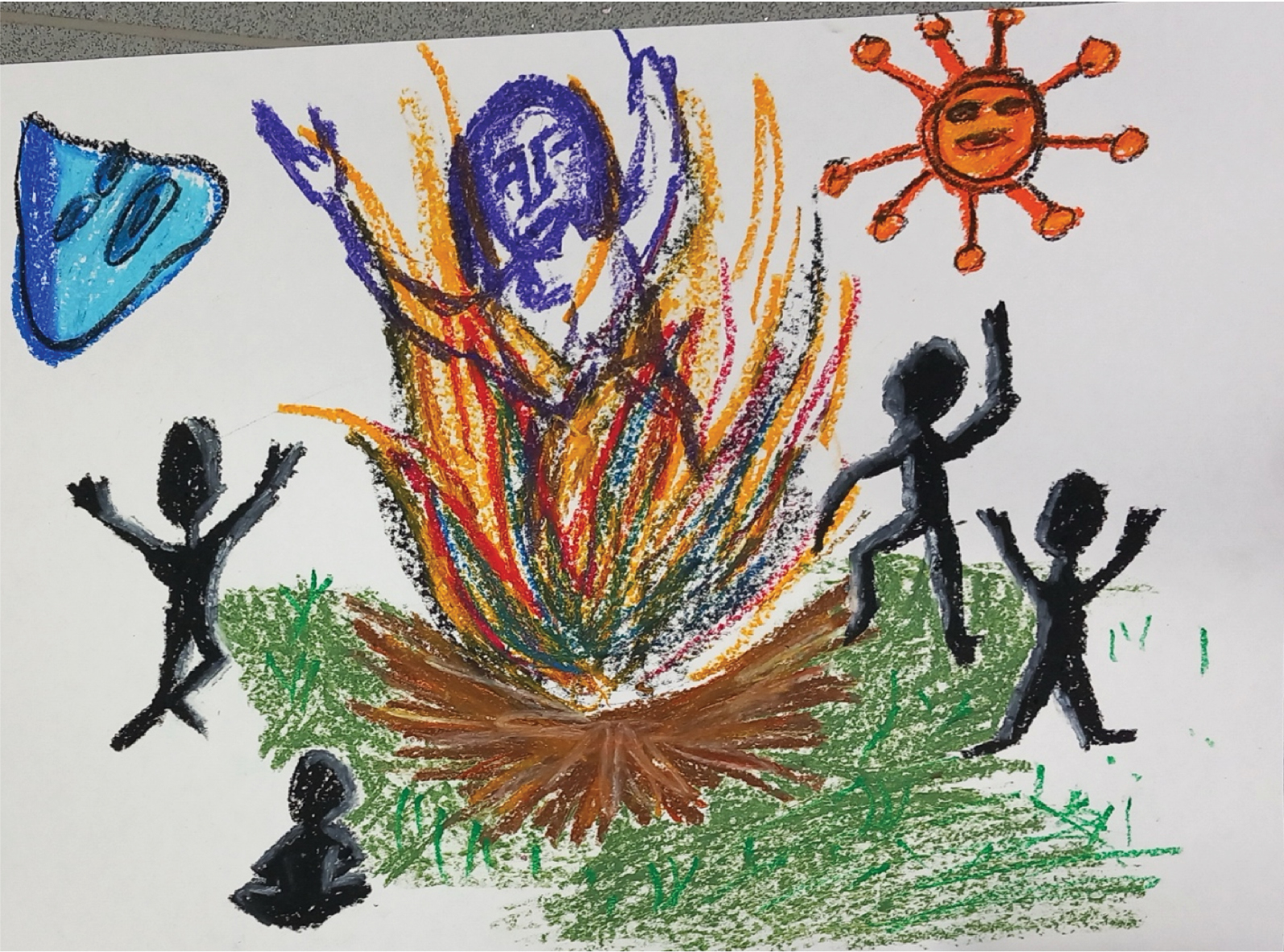
Figure 5 - This artwork captures the essence of becoming within an archaic community through a central figure surrounded by vibrant, flame-like strokes, evoking a sense of cultural or spiritual vitality. The participant suggested that the raised arms of the figures were a celebration or invocation, centralizing their role as a pivotal conduit for communal energy. The sun’s anthropomorphic face over the scene, symbolizing a connection between a symbolic presence and the community. Accents like the blue mask-like figure suggest cultural heritage and identity, attending to affects that shape communities.
Theme 6: Integrated Well-Being
The theme of integrated well-being was the largest collection of excerpts, with 117/348 referring to this theme. Within the context of the music, this was an experience of navigating complex and personal challenges within the music itself. One participant shares an intimate journey of marital struggle with infertility, emphasizing the music’s role in facilitating a newfound relational openness.
“So, basically, I had an issue with my partner. Having been married for 4 years now and no pregnancy, we’ve been battling with infertility and it’s tolled on us physically, socially, relationship wise and mentally. But fortunately, I got to know about this music. I noticed that I’ve been able to open myself up to reality. There’s this calm I have after each session.…Yes, this meant that we could conceive.”
This account conveys the profound impact of a sense of integrated well-being through the music—where the interplay of physical sensations, social dynamics, mental states, and emotional well-being are all acknowledged and embraced through the musical experience.
“I was made to reflect and think on much deeper level.”
This introspection is an integral aspect of well-being, as it allows the user to process and integrate experiences, leading to a more profound understanding of self and environment (Figure 6).
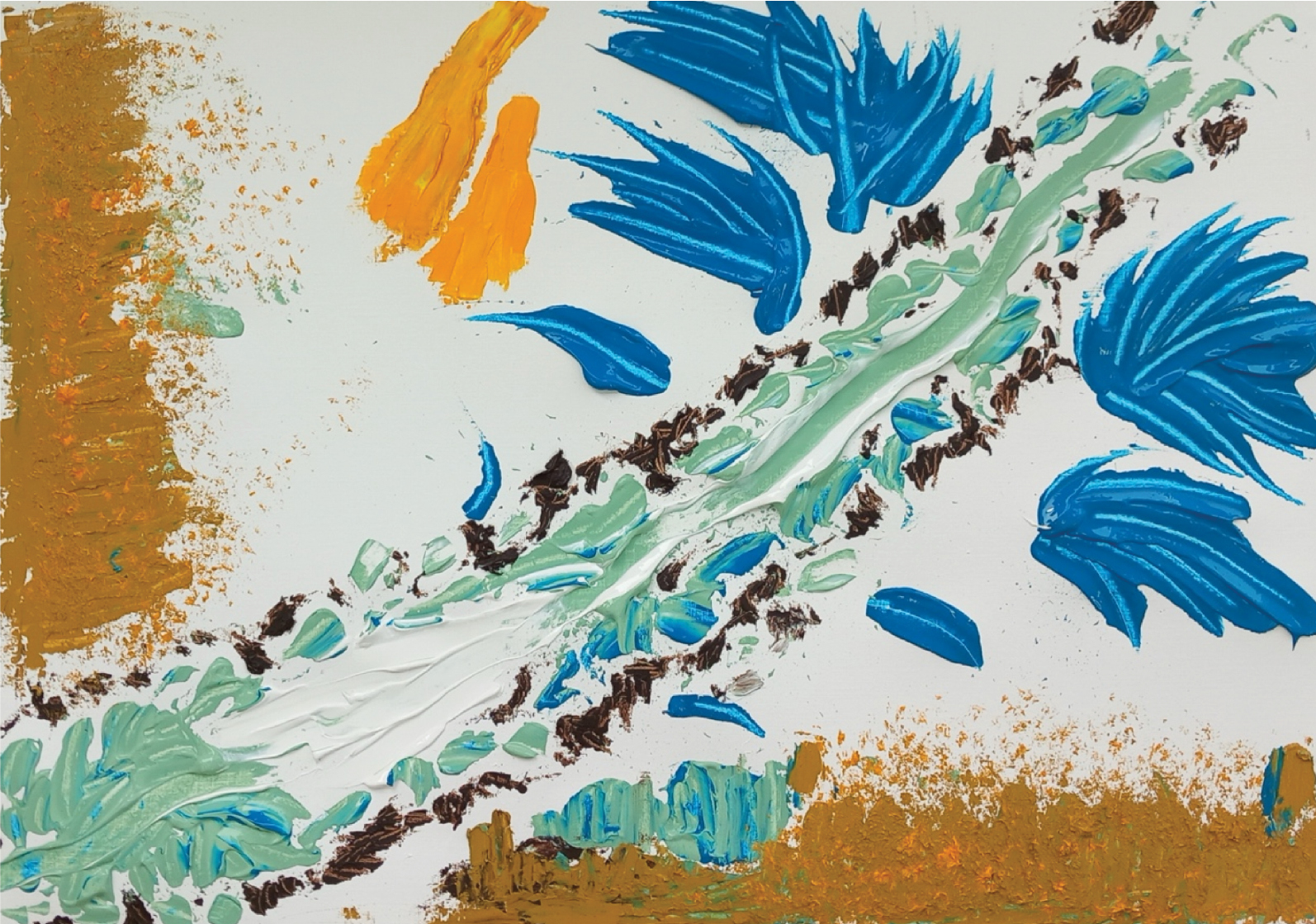
Figure 6 - The artwork presents a dynamic interplay of colors and textures that was interpreted by participant 6 in the context of integrative well-being. Broad strokes of calming blue suggest a flow or current, perhaps symbolic of emotional fluidity. Contrasting with the blue are the warm, earthy tones that occupy the edges and lower part of the image. These represented the grounding elements of the musical experience— the body and the physical realm. Speckles and splashes across the canvas bring a sense of spontaneity and improvisation.
In conclusion, these narratives reveal that cross-cultural music serves as a catalyst for integrative well-being, fostering an environment where users can experience healing encompassing their physical, emotional, psychological, and social domains.
Discussion
The exploration of cross-cultural music offers insights into holistic well-being and creative expression. Participants’ experiences suggest the music’s audio meditation goes beyond relaxation, fostering novel creative and embodied experiences. The study highlights the music’s multifaceted effects, with its blend of instruments and polyphonic vocals evoking emotional depth and resonating with participants’ bodies and memories. However, some found the intensity overwhelming, losing control during the process.
The music also influenced reflections on gender and cultural history, with many participants feeling more connected to nature and less stressed. The feminine narrator alongside a male chorus prompted unique reflections, especially for female participants. Although intended as cross-cultural, the music was designed by a Western organization integrating Western and Eastern techniques to create healing sound environments. Its accessibility primarily reflects a Western perspective, and future studies would benefit from broader cultural consultation. Although the music aimed for emotional empowerment, it does not fully represent cross-cultural integration.
In summary, the music helped users navigate personal histories and contexts through a creative lens, suggesting it could play a role in integrative well-being. The findings have implications for digital health interventions, emphasizing the importance of inclusivity and integrating Eastern musical frameworks within a Western model. However, limitations include potential bias from group dynamics, a narrow demographic, reliance on thematic analysis, and the lack of longitudinal data. The study’s focus on one type of music limits its generalizability. Further research with diverse demographic groups and long-term use is needed to verify and expand these findings.
Conclusion
The investigation into the impact of a specific form of cross-cultural music reveals its potential to foster a broad spectrum of well-being-related experiences. Thematic analysis of focus group discussions identified several key themes, demonstrating the music’s capacity to promote introspection, reshape stress responses, enhance well-being, and cultivate embodied musical engagement. Participants reported profound experiences that transcended conventional musical interaction, invoking a heightened sociohistorical consciousness, deepened self-awareness, and a strengthened sense of community.
This and the subsequent quotes are direct verbatim from the transcriptions of the focus groups and report what participants have said during the meeting.
About the Authors
Dominik Havsteen-Franklin, Professor of Practice in Arts Therapies at Brunel University London, specialises in creative health research. His work bridges clinical practice and participatory arts methodologies, focusing on wellbeing, resilience, and digital health interventions. He has led numerous international and interdisciplinary collaborations in creative health.
Amalia Campagna is a doctoral researcher in medical anthropology at the University of Milan and a graduate of Brunel University’s psychological anthropology programme. Her research focuses on participatory methods, cross-cultural healing practices, and the integration of arts-based approaches within anthropological inquiry.
Author to whom correspondence should be addressed; E-Mail: dominik.havsteen-franklin@brunel.ac.uk
Acknowledgements
We extend our gratitude to all participants for their valuable contributions to this study. We also acknowledge Kristian Humaidan and his company, Soundwheel, for their exceptional work in producing the music used during the study. Examples of the music can be accessed at https://www.soundwheel.com.
Funding
This project received funding from Beyond Beta.
References
Acklin, C. (2010). Design-driven innovation process model. Design Management Journal, 5(1), 50–60. DOI: 10.1111/j.1948-7177.2010.00013.x. | |
Barad, K. (2007). Meeting the universe halfway: Quantum physics and the entanglement of matter and meaning. Duke University Press. | |
Barbour, R. S. (2010). Focus groups. In Qualitative Methods in Health Research (pp. 327–352). London: Sage. | |
Beaudoin, M.-N., & Maki, K. (2020). Mindfulness in a busy world: Lowering barriers for adults and youth to cultivate focus, emotional peace, and gratefulness. Rowman & Littlefield Publishers. | |
Bellman, J. (Ed.). (1998). The exotic in Western music. UPNE. | |
Braidotti, R. (2019). A theoretical framework for the critical posthumanities. Theory, Culture & Society, 36(6), 31–61. DOI: 10.1177/0263276418771486. | |
Braun, V., & Clarke, V. (2006). Using thematic analysis in psychology. Qualitative Research in Psychology, 3(2), 77–101. | |
Deleuze, G., & Guattari, F. (1988). A thousand plateaus: Capitalism and schizophrenia. Bloomsbury Publishing. | |
DeNora, T. (2000). Music in everyday life. Cambridge University Press. | |
Hao, W. (2023). A comparative study of Chinese and western music. Highlights in Art and Design, 3(1), 80–82. | |
Hilton, L. G., Marshall, N. J., Motala, A., Taylor, S. L., Miake-Lye, I. M., Baxi, S., Shanman, R. M., Solloway, M. R., Beroesand, J. M., & Hempel, S. (2019). Mindfulness meditation for workplace wellness: An evidence map. Work, 63(2), 205–218. | |
Kabat-Zinn, J. (2003). Mindfulness-based interventions in context: Past, present, and future. Clinical Psychology: Science and Practice, 10(2), 144–156. DOI: 10.1093/clipsy.bpg016. | |
Kabat-Zinn, J., & Hanh, T. N. (2009). Full catastrophe living: Using the wisdom of your body and mind to face stress, pain, and illness. Delta. | |
Kellen, M., & Saxena, D. (2020). Calm my headspace: Motivations and barriers for adoption and usage of meditation apps during times of crisis. DOI: https://aisel.aisnet.org/iceb2020/43/. | |
Kirsh, D. (2013). Embodied cognition and the magical future of interaction design. ACM Transactions on Computer-Human Interaction, 20(1), 3:1–3:30. DOI: 10.1145/2442106.2442109. | |
Krueger, R. A. (2014). Focus groups: A practical guide for applied research. Sage Publications. | |
Latour, B. (2005). Reassembling the social: An introduction to actor-network-theory. Oxford Academic. DOI: 10.1093/oso/9780199256044.001.0001. | |
Lea, J., Cadman, L., & Philo, C. (2015). Changing the habits of a lifetime? Mindfulness meditation and habitual geographies. Cultural Geographies, 22(1), 49–65. DOI: 10.1177/1474474014536519. | |
Leavy, P. (2020). Method meets art: Arts-based research practice. Guilford Publications. | |
Liamputtong, P. (2011). Focus group methodology: Principles and practice (pp. 1–224). SAGE Publications Ltd. DOI: 10.4135/9781473957657. | |
McGilchrist, I. (2019). The master and his emissary: The divided brain and the making of the western world. New Haven and London: Yale University Press. | |
Merriam, A. P., & Merriam, V. (1964). The anthropology of music. Northwestern University Press. | |
Mey, G. (2022). Qualitative methodology. In J. Zumbach, D. Bernstein, S. Narciss, & G. Marsico (Eds.), International handbook of psychology learning and teaching (pp. 1–26). Springer International Publishing. DOI: 10.1007/978-3-030-26248-8_22-2. | |
Morgan, D. L. (1996). Focus groups as qualitative research (Vol. 16). Sage Publications. | |
Namey, E., Guest, G., Thairu, L., & Johnson, L. (2008). Data reduction techniques for large qualitative data sets. Handbook for Team-Based Qualitative Research, 2(1), 137–161. | |
Njie, B., & Asimiran, S. (2014). Case study as a choice in qualitative methodology. Journal of Research & Method in Education, 4(3), 35–40. | |
O’Callaghan, C., & Michael, N. (2016). Music therapy in grief and mourning. In J. Edwards (Ed.), The Oxford handbook of music therapy (pp. 405–414). Oxford Academic. | |
O’Daffer, A., Colt, S. F., Wasil, A. R., & Lau, N. (2022). Efficacy and conflicts of interest in randomized controlled trials evaluating headspace and calm apps: Systematic review. JMIR Mental Health, 9(9), e40924. DOI: 10.2196/40924. | |
O’Hara, K., & Brown, B. (Eds.). (2006). Consuming music together social and collaborative aspects of music consumption technologies. Dordrecht: Springer. https://link.springer.com/book/10.1007/1-4020-4097-0#page=265. | |
Ping, H. (2021). A comparative study of eastern and western music aesthetics from the perspective of cross-culture (pp. 1865–1868). DOI: 10.2991/assehr.k.211220.316. | |
Rice, T. (2013). Ethnomusicology: A very short introduction. Oxford University Press. | |
Smith, J. A. (1996). Qualitative methodology: Analysing participants’ perspectives. Current Opinion in Psychiatry, 9(6), 417. | |
SoundWheel. (2022). Why meditation can be so difficult. SoundWheel ApS. https://www.soundwheel.com/post/design-a-beautiful-blog. | |
Stevens, C. J. (2012). Music perception and cognition: A review of recent cross-cultural research. Topics in Cognitive Science, 4(4), 653–667. | |
Théberge, P. (2003). Ethnic sounds. Music and technoculture (pp. 93–108). Wesleyan University Press. | |
Toll, H. (2018). Handbook of arts-based research (Manuel sur la recherche axée sur l’art), edited by Patricia Leavy. Canadian Art Therapy Association Journal, 31(2), 105–107. DOI: 10.1080/08322473.2018.1520030. | |
van de Vijver, F. J. (2010). Emic-etic distinction. In The encyclopedia of cross-cultural school psychology (pp. 422–423). Springer. | |
Vaughn, S., Schumm, J. S., Sinagub, J., & Sinagub, J. M. (1996). Focus group interviews in education and psychology. Sage. | |
Wilkinson, S. (1998). Focus group methodology: A review. International Journal of Social Research Methodology, 1(3), 181–203. DOI: 10.1080/13645579.1998.10846874. |