The Therapeutic Dimensions of BaTonga Mourning Songs: A Study of “Oona mwanaangu waakucaala kunamaumbwe”
Volume 11, Issue 1, Pages 6-21
Abstract
This article examines the role of a BaTonga funeral song, “Oona mwanaangu waakucaala kunamaumbwe,” as an embodied, performative practice of mourning and meaning-making. Drawing on arts-based research, grief literature, and Indigenous knowledge systems, the article situates the song as a narrative and artistic knowledge site. The study argues for the significance of contextualized musical narratives in creative arts therapies and invites reflection on how embodied grief rituals provide insights beyond conventional verbal or conceptual frameworks. By analyzing the song’s lyrical content, performative elements, and cultural significance, this research demonstrates the therapeutic potential inherent in Indigenous musical mourning practices and their relevance to contemporary therapeutic approaches.
摘要
本文考察了巴通加族葬礼歌曲“Oona mwanaangu waakucaala kunamaumbwe”作为一种具身的、表演性的哀悼和意义构建实践的作用。借助艺术本位研究、悲伤主题文献和原住民知识体系,本研究将这首歌曲定位为一个叙事和艺术知识载体。研究强调了情境化音乐叙事在创造性艺术治疗中的重要性,并引发我们思考具身的悲伤仪式如何提供超越普通语言或概念框架的深刻见解。通过分析该歌曲的歌词内容、表演性元素和文化意义,本研究揭示了原住民音乐哀悼实践所蕴含的治疗潜力及其与当代治疗方法的相关性。
Keywords
BaTonga, mourning songs, indigenous music, narrative therapy, music therapy, grief and loss.
关键词
巴通加族, 悼歌, 原住民音乐, 叙事疗法, 音乐治疗, 哀伤与丧失.
History
Received 01 February 2025
Accepted 01 April 2025
Open Access
This is an open access article.
Introduction
The mourning rituals of BaTonga of Zambia are rich with musical, symbolic, and performative meanings (Mulenga, 2018). Among many expressive musical expressions is the performance of Kuzemba, in which the song “Oona mwanaangu waakucaala kunamaumbwe,” a funeral lament, is performed at community funerals. This article draws on arts-based research (ABR) and ethnographic methods to explore the song’s role in grieving processes, as well as its potential relevance to music therapy and broader creative arts therapies (CATs) contexts. This funeral song is ideal for analyzing the multimodal nature of artistic expression among the BaTonga people. Multimodality, defined as the integration of multiple semiotic resources or modes of communication such as verbal language, music, bodily movement, spatial arrangement, and material artefacts to create meaning (Hachintu, 2024), is deeply embedded in BaTonga cultural practices. In “Oona mwanaangu,” we observe the convergence of sonic elements (melody, rhythm, and vocal timber), kinesthetic patterns (circular formation and ritualized movements), verbal content (lyrical lamentations), and material components (accompanying instruments)—all working together to facilitate mourning, commemorate the deceased, and promote community healing. By examining the intersection of musical expression, narrative construction, and communal healing within BaTonga funeral practices, this article contributes to the growing field of culturally responsive therapeutic approaches.
Contextual Background
Mazabuka District in Zambia is home to the BaTonga people, an ethnic group with a rich tradition in music and oral performance (Moonga, 2019). Among their many cultural expressions, funeral ceremonies are significant as public, communal events where mourning is expressed and enacted through specific artistic forms (Lubbungu, 2020). One powerful example is the lament “Oona mwanaangu waakucaala kunamaumbwe,” translated as “My child is asleep, left at the graveyard,” which is often sung by a circle of mourners gathered at the deceased’s homestead or the location of the funeral. The song serves as a sonic, social, and spiritual articulation of loss, embodying cultural knowledge and healing practices passed down through generations.
Within BaTonga culture, death rituals follow specific protocols that honor the deceased and the community’s need for collective processing. Music is a fundamental component of BaTonga cultural expression, with specific musical traditions marking important life transitions, particularly the passage from life to death. These musical expressions assume profound significance during funerals, serving as vehicles for grief expression, remembrance, and community solidarity.
BaTonga funeral songs represent sophisticated forms of poetic expression that fulfil crucial social functions within Tonga folklore (Lubbungu, 2020). These songs create structured outlets for mourning while simultaneously strengthening community bonds during periods of collective grief. The rich repertoire encompasses diverse traditions, including Kuzemba, Kuyabila, Bukonkoolo, Zitengulo, Nyeele, Kweema, Cikaambe-kaambe, Ndikiti, Buntibe, and Kalyaba—each serving specific ceremonial purposes while reflecting the cultural values and spiritual beliefs of BaTonga (Mulenga, 2018).
The dilwe ceremony, during which “Oona mwanaangu” is performed, exemplifies how musical traditions are integrated into broader funeral rituals to facilitate emotional expression and spiritual transition. As a Kuzemba song, “Oona mwanaangu” belongs to one of the most immediate musical responses to death in the community. According to Lubbungu (2020), Kuzemba performances begin shortly after a death is announced through the beating of “ngoma yabukali” (funeral drum), with family members of the deceased running in various directions across the yard while chanting songs—symbolically searching for their departed loved one. The singing is often accompanied by the distinctive goblet-shaped budima drums, which come in different sizes and are specifically used for funeral ceremonies among BaTonga. This emotionally charged performance extends to the graveside on the burial day, where performers wield spears known as “masumo” accompanied by instruments called “miyuwa”—specially prepared small tins filled with pebbles, with sticks protruding through holes. Within this cultural framework, we can understand how the song functions as an artistic expression and a therapeutic intervention embedded within BaTonga Indigenous knowledge systems (IKS). Figure 1 shows the map of Mazabuka District, and Figure 2 presents the budima drum.
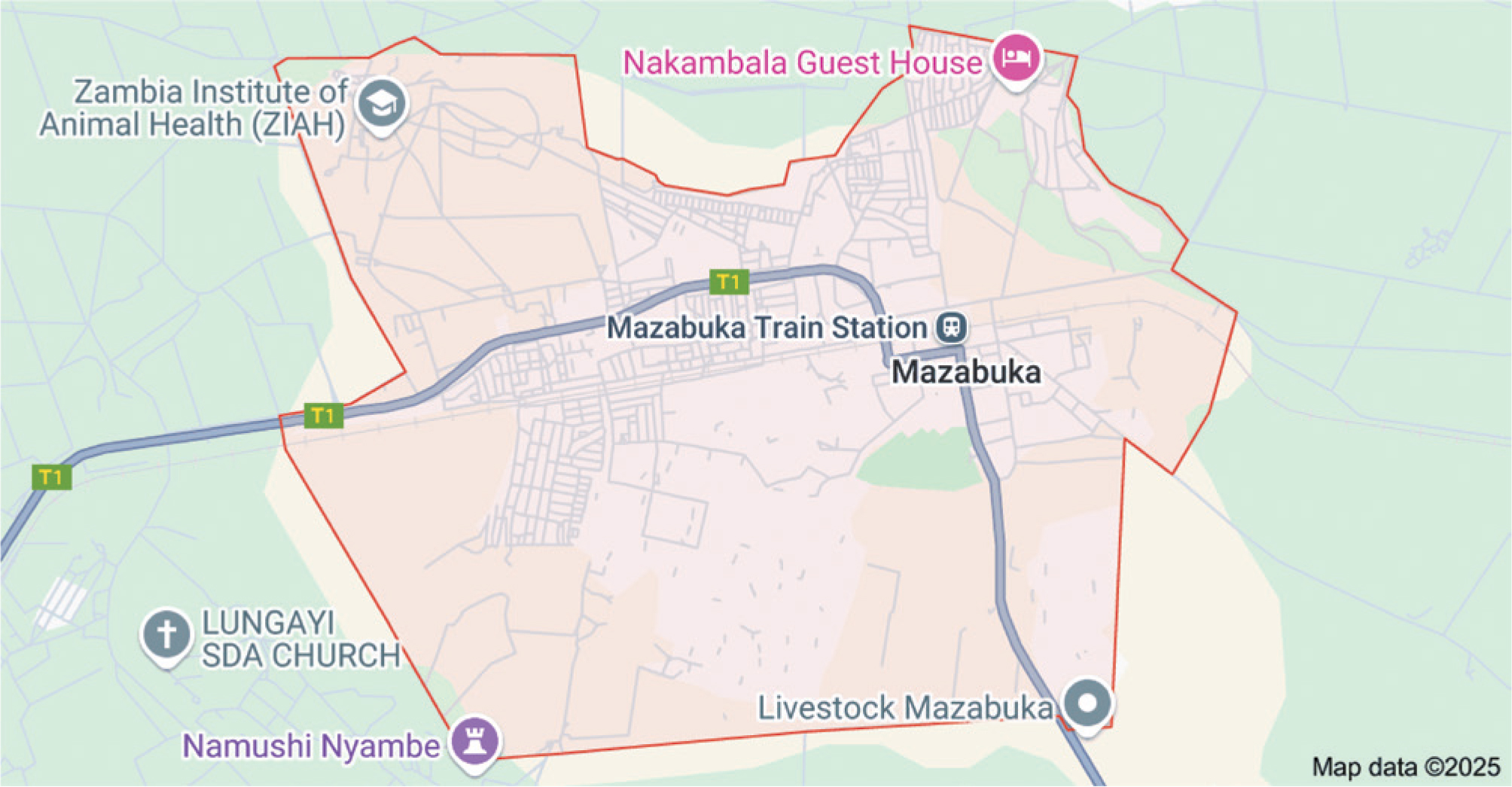
Figure 1 - Geographical map of Mazabuka.
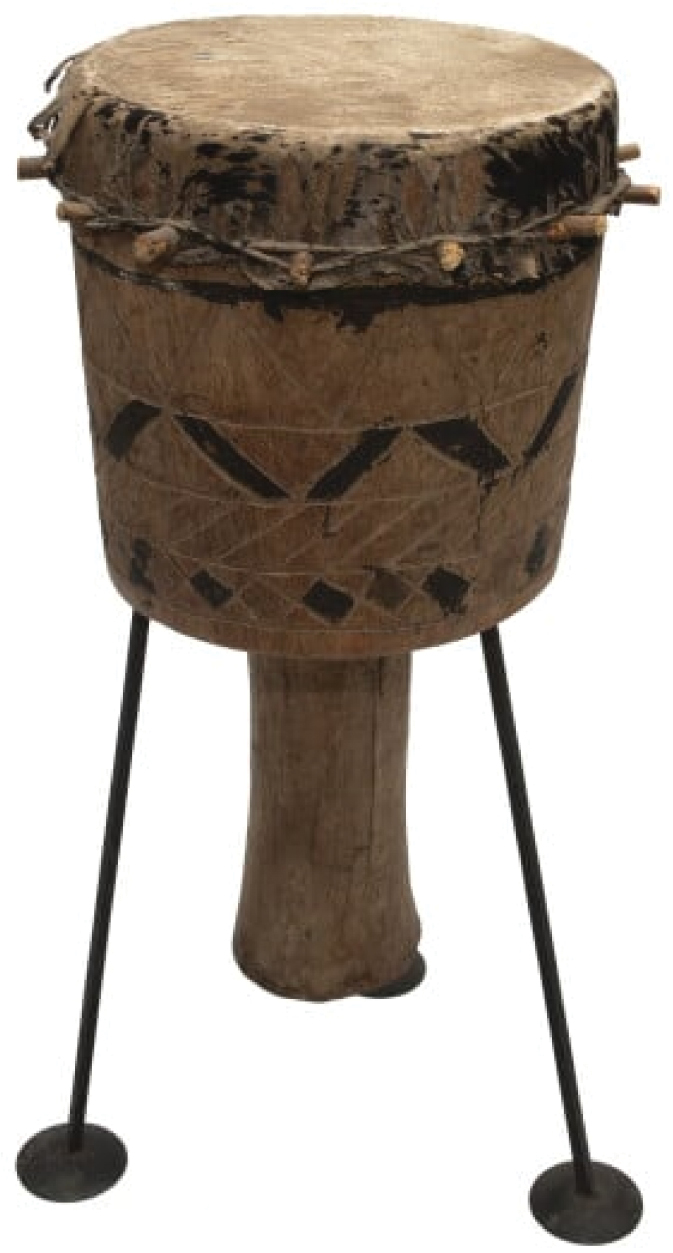
Figure 2 - Budima drum courtesy of https://www.drumcafe.com/product/batonga-budima-drum
Author’s Positionality Statement
I, Nsamu Moonga, approached this study from the perspective of a music psychotherapist and researcher with a deep personal and cultural connection to BaTonga of Zambia. Having been raised within the BaTonga community, I am familiar with the BaTonga language and its traditions, values, and the pivotal role of music in marking life transitions. This cultural immersion has shaped my respect for IKS and informed my exploration of their therapeutic potential.
My professional background as a music therapist complements this cultural lens, enabling me to critically examine how BaTonga mourning songs, such as “Oona mwanaangu waakucaala kunamaumbwe,” embody principles of narrative and music therapy. I recognize the power of these songs to transform grief into collective healing, and I am committed to showcasing their relevance in global therapeutic practices.
As a researcher, I strive to honor the authenticity and complexity of BaTonga mourning rituals while remaining mindful of my dual role as an insider and academic. This duality compels me to balance my connection and a critical, reflexive stance, ensuring that my interpretations respect the community’s voice and lived experiences.
Situating this article within the broader discourse on expressive arts and narrative therapy, I aim to contribute to preserving and appreciating IKS while advocating for their inclusion in cross-cultural therapeutic frameworks.
Theoretical Framework: Grief, Knowledge, and Communal Performance in Batonga Musical Lamentation
This study draws on a transdisciplinary theoretical framework that weaves embodiment, performance, Indigenous epistemology, music therapy, and ABR. Central to the analysis is the understanding that BaTonga funeral laments are expressive acts of grief and cultural and epistemological events. They function as multisensory texts—sonic, kinetic, symbolic, and social—that communicate loss and healing in ways that extend beyond verbal discourse or individual experience. This section situates the funeral song “Oona mwanaangu” within five interrelated theoretical lenses: embodied expression and metaphor, music as a knowing practice, critiques of dominant grief models, limitations of narrative inquiry, and comparative perspectives from CATs.
Embodied Expression and Metaphorical Insight
Unlike written or verbal narratives, the performance of this lament communicates through vocal nuance, rhythmic cadence, body movement, and communal synchrony. The call-and-response pattern, the rocking of bodies, and the layered weeping tones convey grief in ways language cannot fully encapsulate (Lubbungu, 2020). These embodied expressions are a repository of unspoken, culturally embedded knowledge (Mulenga, 2018).
The graveyard metaphor as a “place of sleeping” that the deceased prematurely entered expresses loss through an idiom of communal life disruption. However, this metaphor is only fully realized in performance through the singers’ voices, gestures, and shared presence. The embodied nature of the performance creates a multisensory experience that engages participants physically, emotionally, and spiritually, facilitating a holistic approach to grief processing that transcends and includes cognitive understanding.
A Song as a Knowing Practice
Oona mwanaangu is not merely expressive; it is epistemological. In BaTonga culture, music is not only about emotion but also about making sense of experience. This aligns with Leavy’s (2020) definition of art as a method of inquiry, McNiff’s (2019) conceptualization of art as research, and Indigenous relational epistemologies (Chilisa, 2019; Smith, 2012). The lament serves as a knowing practice—an archive of communal grief, a cultural pedagogical tool, and a restorative ritual.
This performative epistemology resonates with principles of ABR, where the artistic process becomes a form of inquiry and a means of generating knowledge (McNiff, 2019). The BaTonga funeral song thus occupies a dual space: deeply situated in cultural tradition and entirely consistent with contemporary understandings of ABR. This perspective challenges conventional research paradigms by acknowledging that knowledge can be embodied, performed, and communally constructed rather than merely verbalized or conceptualized.
Music Therapy, Mourning, and Grief Literature
Current music therapy literature highlights the power of music in bereavement work (O’Callaghan et al., 2013), often emphasizing individual expression, emotional catharsis, or memory recall (Okamoto, 2005). In contrast, BaTonga practices emphasize communal processing, cyclical expression, and cosmological storytelling (Mulenga, 2018).
Despite the Western frameworks proposed by Schell Pate (2024), and acknowledged by O’Callaghan et al., 2013, the efficacy of improvisation and song often remains rooted in individualized understandings of grief. BaTonga musical rituals provide a counterpoint—illustrating grief as a shared, embodied, and ritualized experience. This comparative perspective not only diversifies the field but enriches therapeutic discourse by demonstrating the potential for integrating collective approaches to grief processing within contemporary practice.
The global literature on mourning remains underexplored regarding African communal and performative practices. This article seeks to fill that gap by describing how mourning functions as an aesthetic, symbolic, and somatic process in BaTonga cosmology. By examining Indigenous approaches to grief through musical expression, this article expands the theoretical and practical foundations of music therapy and grief support.
Narrative Inquiry and its Limits
While narrative inquiry is a valuable qualitative method (Clandinin, 2022), it may not fully capture the depth of nonlinear, symbolic, and affective aspects embedded in ritual mourning songs (Bolden, 2017). The narrative content of “Oona mwanaangu,” a mourner’s lament to a deceased person, exists within a broader framework of symbolic action and communal enactment that cannot be fully reduced to text or verbal narrative.
Thus, while narrative structures are present, they are deeply interwoven with sound, space, gesture, and rhythm, suggesting that ABR is better suited to accommodate this inquiry. This view aligns with narrative therapy approaches that recognize the multidimensional nature of human experience and the limitations of purely verbal or textual exploration (White & Epston, 1990).
Musical Narratives as Meaning-Making
A musical narrative in this context encompasses lyrical content, sonic symbolism, performative presence, and cultural timing. The concept of musicking (Small, 1999) is particularly instructive, as meaning emerges from the song and communal singing, listening, and mourning together.
Meaning is constructed intersubjectively through tonal variations, rhythm, repetition, and the symbolic embodiment of grief. The lament facilitates ancestral dialogue and spiritual continuity—it is both a grief expression and a cultural map, guiding mourners through the terrain of loss while anchoring them in cultural heritage and communal support structures.
Comparative Perspectives from CATs
In drama therapy, mourning is often addressed through role play and ritual enactment (Johnson et al., 2009; Mqwathi, 2019). Visual arts therapy uses symbolic expression to externalize loss (Malchiodi, 2020). Pennebaker and Smyth (2016) noted that expressive writing provides psychological relief through narrative. However, these modalities often lack the integrated sound-body-community constellation evident in BaTonga musical mourning.
Music uniquely holds space for ritualized, nonverbal grief that is both personal and communal. Repetitive refrains, modal singing, and rhythmic rocking induce a trance-like state, allowing grief to be metabolized communally. This multidimensional approach offers valuable insights for integrative therapeutic practices that aim to engage the whole person—within their cultural, spiritual, and communal world.
Rationale for Song Selection and Ethical Considerations
The mourning song “Oona mwanaangu waakucaala kunamaumbwe” was chosen for analysis due to its profound cultural significance, widespread use at funerals, and therapeutic function within BaTonga mourning rituals. This public domain composition, traditionally performed during dilwe ceremonies, is a living testament to the rich heritage of the BaTonga people. It represents an established element of BaTonga funeral practices that have served communal healing purposes for generations. This selection provides an ideal framework for examining the intersection of musical expression, narrative therapy, and collective emotional processing within an Indigenous context.
The song “Oona mwanaangu” belongs to the Kuzemba tradition, a significant funeral performance among the Tonga people of southern Zambia. Kuzemba, translated as “searching,” is a ritual performed immediately after a death is announced through beating the “ngoma yabukali” (funeral drum). This performance features family members of the deceased running in various directions across the yard while chanting songs, symbolically searching for their lost loved one. The Kuzemba tradition continues at the graveside on the day of burial, where performers wield spears known as “masumo” and are accompanied by instruments called “miyuwa” (specially prepared small tins filled with pebbles and with sticks protruding through holes). As a Kuzemba song, “Oona mwanaangu” is a profoundly emotional expression that marks the beginning of mourning rituals and reflects BaTonga’s cultural approach to processing grief and honoring the deceased.
Analysis: A literary and Cultural Reading of “Oona mwanaangu” in BaTonga Indigenous Musical Arts
This analysis approaches the song “Oona mwanaangu…” (“My child sleeps…”) through an Indigenous musical arts framework, viewing the lyrics as living poetic expression embedded within a communal, spiritual, and performative context. Rooted in BaTonga epistemologies, this approach draws from oral literary traditions, sound-based knowledge transmission, and decolonial ethical considerations to interpret meaning, affect, and therapeutic significance.
Ethical Framing and Methodological Grounding
In line with Indigenous ethical principles, this study acknowledges the communal authorship and sacred dimension of BaTonga funeral songs. Rather than extract lyrics for detached interpretation, the analysis situates the song within its ceremonial performance context. As the song belongs to the public domain and is widely known within BaTonga communities, its inclusion here is treated with cultural reverence and scholarly humility. This approach aligns with decolonizing research methodologies (Chilisa, 2019; Smith, 2012) that resist intellectual extraction and instead honor IKS as contemporary, living, and relational.
The following represents the complete lyrical content of this significant cultural text:
| Song in CiTonga | Estimated translation to English |
|---|---|
| Ndamulumba nobantu, | Thank you, folks, |
| Andimwaambile mbucatalika mwanagngu ooyu, | Let me tell you how it began with my child, |
| Oona imwanaangu wakucaala kunamaumbwe. | My youngest child is in the grave. |
| Moomu mwaalikoonenoonena, onaa, | There he lay, slept, |
| (Oyu mwanaangu), | (This is my child), |
| Oona mwanaangu taata ona, | Sleep, my child, sleep, |
| (Kaka mwaangu) | (Oh! Please!) |
| Oona imwanaangu waakucaala kunamaumbwe ×2 | Sleep, my child, alone left in the grave ×2 |
| Waali kwaamba, imutwe ulacisa | He mentioned headache |
| Ndaatiiti mbweene bwiinda taata, | I thought it would pass, my child, |
| Oona imwanaangu, wakucaala kunamauumbwe. | Sleep, my child, and go to the grave. |
| [Continued choruses and verses with similar structure…] | [Translations continue with a similar pattern…] |
| Nobana bokwesu ndalumba, | Thank you, folks, |
| Mbumwandiyobweda kamuya mukapumune, | As you have laid me to rest, |
| Kamundilombela ntanjile cinyonyoono | Pray for me not to sin. |
| [Final chorus repeats] | [Final translation repeats] |
Literary and Therapeutic Analysis of “Oona mwanaangu waakucaala kunamaumbwe”
This section delves into a comprehensive analysis of the BaTonga lament, “Oona mwanaangu waakucaala kunamaumbwe,” a unique and culturally significant performance in the BaTonga dilwe mourning ceremony. The analysis, rooted in expressive arts therapy, Indigenous cosmologies, and narrative traditions, explores the lament’s poetic structure, sonic and performative elements, and therapeutic resonance. This multidimensional reading aims to illuminate the song’s role as a cultural, emotional, and spiritual response to death, affirming continuity, communal care, and healing. Each subsection unpacks distinct thematic layers, offering a nuanced understanding of the lament as both a ritual text and a therapeutic modality.
Poetic and Performative Dimensions of the Lament
The song is built around the repeated phrase:
“Oona mwanaangu!”
(“My child sleeps!”)
This exclamation functions as both refrain and invocation. In BaTonga oral poetics, repetition is not redundant but serves as ritualized emphasis—amplifying emotion, summoning spiritual presence, and anchoring communal grief. In Indigenous literary traditions, such repetition establishes rhythm, emotional continuity, and sacred resonance. The structure recalls antiphonal call-and-response practices, where a soloist initiates a lament, and the community echoes or responds, enacting a shared space of mourning.
The metaphoric language that frames death as “sleeping at the graveyard” (“koona kunamaumbwe”) reflects a cosmological vision in which the grave is not a terminal point but a liminal portal to the ancestral realm. This refigures the experience of loss from existential rupture to spiritual transformation. Within this worldview, mourning becomes an act of continuity rather than closure.
Sonic Imagery and Symbolic Resonance
The lament is sonically rich, integrating trembling vocal tones, ululations, and sighing phrases that reflect the emotional fragmentation of the bereaved. These elements function as sonic metaphors—voicing sorrow through embodied, aural texture. Harmonies are sparse; instead, unison and heterophony dominate, preserving the raw immediacy of emotion and avoiding aesthetic resolution. This musical minimalism facilitates therapeutic witnessing: individual pain is voiced within the communal soundscape without being isolated or erased.
These sonic and musical features enact what McNiff (2019) and Levine (2015) describe as aesthetic transformation—where the expressive act becomes a vehicle for healing rather than a representation of it.
Temporal and Spatial Dynamics of Performance
Unlike the temporally bounded structures of Western funerary music, “Oona mwanaangu” is performed cyclically across days and ritual sites. This circular temporality mirrors BaTonga’s cosmology: grief is nonlinear, healing is recursive, and mourning is revisited through collective memory. The BaTonga community plays a central role in this process, creating a psychologically safe environment where emotional expression is permitted and encouraged within culturally defined boundaries.
Spatially, the performance is integrated into culturally significant locations—homes, graveyards, and during the kubuyila (spirit-return) ritual. The location shapes the meaning of each phrase: the same line sung at the grave may invoke presence and continuity, while at home, it may speak to absence and longing. Thus, the lyrics’ interpretation must consider spatial context integral to their poetic and emotional resonance.
Narrative and Dialogic Structure
The song follows a narrative arc chronicling illness, communal care efforts, and eventual death. It acknowledges consultations with traditional healers (mung’anga) and modern medical practitioners, ultimately arriving at the acceptance of mortality. This progression embeds the death within communal relationality and shared responsibility.
Moreover, the lament is dialogic—it speaks not only about but to the deceased, ancestors, and community, creating a conversational space where the bereaved verbally interact with the deceased. In this dialogic exchange, the deceased speaks back to the bereaved through the bereaved's own voices and imagination, establishing a bidirectional communication that transcends the finality of death:
“Ndamulumba no bantu… kamuya mukalyookezye mbumwandiyobola lino!”
(“I thank you folks…Go and rest now that you have put me to rest!”)
Such lines are declarations and invocations, constructing the lament as a multivocal text in which grief, memory, and ancestral communication intertwine. This aligns with Bakhtinian notions of dialogism and with Indigenous literary theory that views mourning songs as participatory conversations across realms and generations.
Embodiment and Improvisation as Expressive Modalities
The song is performed with vigorous choreography, clapping, rocking, and footwork, translating emotional states into embodied form. This kinesthetic expressiveness renders internal sorrow into external, visible, and communal ritual. The physicality amplifies the lament’s therapeutic value, transforming it into a multisensory healing modality.
Significantly, the improvisational structure permits mourners to insert biographical details of the deceased, ensuring the ritual remains personally resonant. This adaptability reflects Indigenous literary practices where orature is never static but always responsive to context, audience, and need, highlighting the personal resonance and relevance the lament can have for each individual. A demonstration of Kuzemba performed at BaTonga funerals can be viewed in this archival video recording: https://www.youtube.com/watch?v=0nQTEueQEBY.
Towards a Therapeutic Reading: The Lament as Healing Modality
The therapeutic functions of “Oona mwanaangu waakucaala kunamaumbwe” operate through multiple dimensions, establishing the lament as a sophisticated healing modality within BaTonga culture. Through this funeral song, mourners experience the externalization of pain via lyrical expression and embodied performance, allowing grief to be voiced and physically manifested rather than suppressed. Simultaneously, the song facilitates a cosmological reframing of death, positioning it within the BaTonga understanding of ancestral transformation rather than as final separation.
The performance context provides structured ritual containment for grief, creating a psychologically safe environment where emotional expression is permitted and encouraged within culturally defined boundaries. Additionally, the song’s improvisational flexibility allows for personalized meaning-making, enabling mourners to adapt the performance to reflect specific relationships and circumstances of loss.
These therapeutic elements align with narrative therapy principles (Dickson, 2020; White & Epston, 1990), particularly thickening the narrative—expanding singular stories of loss into multidimensional accounts of connection, care, and continuity. Through this narrative thickening, grief is not minimized but instead honored and integrated into a broader context of an ongoing relationship with the deceased.
Beyond the immediate ritual moment, the lament is a durable cultural resource for ongoing emotional sustenance. Its literary sophistication and performative richness make “Oona mwanaangu” a paradigmatic example of how Indigenous musical arts offer holistic healing pathways deeply rooted in poetic expression, spiritual understanding, and communal support.
Through the lens of Indigenous literary and music-therapeutic analysis, “Oona mwanaangu waakucaala kunamaumbwe” emerges as a profound text of lament, resistance, and restoration. It embodies the BaTonga community’s cosmology, ethical relationality, and creative resilience in the face of loss. This analysis calls for further engagement with Indigenous musical texts as cultural artefacts and as active, living literature—ritualized scripts of memory, meaning, and medicine that continue to serve vital functions within their communities.
Discussion
“Oona mwanaangu waakucaala kunamaumbwe” exemplifies the sophisticated functionality of communal ritual songs within BaTonga mourning practices. Such compositions deliberately employ accessible structures, particularly call-and-response patterns, that maximize collective participation while facilitating profound emotional expression, as Lubbungu (2020) demonstrated. The structural proximity between stanzas and chorus enhances this participatory dynamic, ensuring universal accessibility regardless of musical proficiency. While melodically straightforward, the composition demonstrates remarkable memorability, aligning with Nzewi and Nzewi (2007) conceptualization of gathering songs as narrative devices bearing therapeutic potential. These compositions facilitate immediate externalization while providing structural flexibility for spontaneous adaptation. This improvisational capacity enables performers to contextualize the composition within specific circumstances, generating a collective ownership dynamic (Dueck, 2013). The community maintains a collective memory of individual contributions and their contextual origins, reinforcing the centrality of shared experience in therapeutic processing (Denborough, 2012).
Despite its linguistic accessibility, the composition operates through sophisticated metaphorical frameworks, mainly depicting mortality through sleep imagery. The refrain “Oona imwanaangu waakucaala kunamaumbwe” (“My child has slept; they remain at the graveyard”) demonstrates ritual music’s multivalent semantic operation characteristic. While superficially denoting physical rest, within the context of mourning, it functions as a euphemistic representation of eternal rest. This semantic duality exemplifies the BaTonga tradition of integrating quotidian and transcendent elements within ritual practice, a phenomenon documented in previous ethnographic and musicological research (Moonga, 2019).
Ritual compositions within the dilwe ceremonial context frequently traverse mundane and spiritual domains, commemorating the deceased’s metaphysical transition through symbolically dense narratives (Patrick DiMaio & Economos, 2017). This layered symbolism characterizes numerous Indigenous musical traditions, where compositions are vehicles for literal communication and metaphysical mediation (Vercelli, 2006).
The embodied dimension of this musical expression significantly enhances its therapeutic efficacy. While carrying substantial symbolic weight, the composition’s choreographic elements facilitate somatic release for participants. The kinesthetic movements, choreographically synchronized with the narrative progression, physically enact the deceased’s journey, transforming grief processing from passive reception into active embodiment. The composition chronicles the deceased’s illness trajectory and the community’s healing interventions and consultations with traditional practitioners and biomedical institutions, culminating in the acknowledgement of mortality. This narrative sequence serves dual purposes: it preserves biographical information while deepening the emotional connection to grief. This “thickening” process, as Dickson (2020) emphasized, involves exploring the multidimensional nature of bereavement, enabling participants to fully inhabit their emotional experience while reimagining their relationship with loss. This engagement facilitates the emergence of alternative narratives centered on resilience and recovery.
Ritual performances, particularly this composition, generate enduring psychological impacts, especially for those intimately connected to the deceased. Mourners simultaneously express their grief and participate in collective memorialization, facilitating the bereavement process. The composition provides sustained emotional support, resonating psychologically long after the ceremonial conclusion. It serves as a commemorative artifact and therapeutic instrument for the bereaved, maintaining the deceased’s presence through musical evocation. My encounter with this composition during my brother Henry’s dilwe during adolescence continues to function as both a memorial and a reminder of ongoing grief processes that shape my understanding of life’s precarity and existential possibilities. This experience reflects a widespread phenomenon in which improvisational compositions, such as “Oona mwanaangu,” have served as informal therapeutic instruments across diverse cultural contexts for centuries (Cerami-Guarino, 2023). Mourning songs create psychological spaces where grief becomes communal, witnessed, and expressed, providing emotional support that transcends verbal communication.
The therapeutic potential of such musical narratives is only beginning to receive comprehensive recognition in contemporary research. As interdisciplinary investigations explore the intersections between musical expression, narrative construction, and bereavement processing, compositions like “Oona mwanaangu” offer invaluable insights into the role of music in mourning and recovery. These compositions facilitate individual grief processing and collective healing environments where community members actively participate in emotional processing. A systematic examination of such rituals and their associated musical practices significantly contributes to the evolving disciplines of music therapy and grief support.
Communal Ritual Songs and Emotional Expression
The participatory nature of BaTonga mourning songs, facilitated by call-and-response structures, enhances collective engagement and emotional expression. This aligns with Lubbungu’s (2020) analysis of BaTonga funeral songs, emphasizing their role in fostering communal mourning and emotional catharsis through structured performance procedures. Similarly, Wolf (2021) observed that mourning songs among the Kotas of South India amplify communal grief to ensure the deceased’s safe passage to the afterlife, underscoring the universal role of ritual music in fostering collective solidarity.
Improvisation and Therapeutic Flexibility
The improvisational capacity of BaTonga compositions enables contextual adaptation and fosters collective ownership. This resonates with the principles of improvisation in music therapy, where spontaneous musical creation facilitates emotional exploration and interpersonal connection (Bruscia, 1998). Improvisation enhances therapeutic efficacy by allowing participants to personalize grief narratives, a process also observed in Yolngu funeral rites in Northern Australia, where songs evolve into personalized narratives that integrate cultural and ancestral connections (Morphy, 2016).
Symbolism and Metaphorical Frameworks
The metaphorical representation of mortality through sleep imagery in BaTonga songs reflects a sophisticated interplay between quotidian and transcendent elements. This phenomenon is consistent with the ethnomusicological findings on BaTonga funeral songs, which often employ dense symbolic narratives to mediate between mundane and spiritual domains (Lubbungu, 2020). Wolf (2021) also noted that Kota mourning songs preserve individual memories while invoking tribal histories, demonstrating the layered symbolism inherent in Indigenous funeral music traditions.
Embodied Grief Processing
The choreographic elements of BaTonga mourning compositions facilitate somatic release and active embodiment of grief. This aligns with Dickson’s (2020) concept of “thickening” bereavement experiences through multidimensional engagement with loss. Furthermore, Garrido and Garrido (2016) and Makgahlela et al. (2021) observed that performative musical rites transform raw emotional outpourings into culturally negotiated grief processes that reintegrate mourners into their communities.
Psychological Impact and Memorialization
BaTonga mourning songs serve as commemorative artifacts and therapeutic instruments for sustained emotional support. Lubbungu (2020) described BaTonga dirges as conduits for understanding cultural identity while providing mourners psychological spaces for communal grief expression. Such compositions exemplify music’s transformative potential in processing bereavement across diverse cultural contexts.
Cross-cultural Applicability
Indigenous mourning practices have significant relevance for therapeutic interventions across cultural contexts. This perspective is supported by Garrido and Garrido’s (2016) research on the role of sacred music in grief rituals globally and Bruscia’s (1998) framework for integrating cultural narratives into music therapy practices.
Conclusion
This inquiry has examined BaTonga’s mourning composition “Oona mwanaangu waakucaala kunamaumbwe” within its ceremonial context of dilwe rituals, demonstrating its function in facilitating bereavement processing and fostering communal healing. Through a comprehensive analysis of its lyrical content and performative elements, this study demonstrates how BaTonga mourning compositions embody therapeutic principles that align with contemporary narrative and music therapy frameworks. These compositions provide culturally embedded mechanisms for processing loss, establishing pathways toward emotional reconciliation and collective solidarity.
Key structural characteristics, including antiphonal organization, symbolic imagery, and participatory methodology, enable these compositions to transform individual bereavement into communal rituals that foster resilience and psychological integration. The improvisational capacity of “Oona mwanaangu” enhances its contextual relevance to participants’ immediate experiences, maintaining dynamic and personalized connections to collective loss. These findings align with foundational narrative therapy work, emphasizing communal narratives’ transformative potential in identity formation and recovery processes (White & Epston, 1990).
Beyond their cultural specificity, BaTonga mourning compositions reflect therapeutic practices with cross-cultural applicability. Therapeutic practitioners can develop interventions that respect and integrate diverse cultural traditions by privileging Indigenous epistemologies, metaphorical frameworks, and symbolic systems inherent in these compositions. Future research should expand these investigations by examining additional Indigenous mourning practices and their potential applications in clinical and educational contexts, establishing connections between culturally specific knowledge and global therapeutic frameworks.
In conclusion, BaTonga mourning compositions exemplify music’s role as a transformative mechanism for navigating bereavement. These traditions offer significant insights into music therapy, narrative therapy, and expressive arts disciplines, highlighting the enduring interconnections between cultural practices, emotional processing, and psychological healing.
About the Author
Nsamu Moonga is a music psychotherapist, budding researcher, and teacher. His research interests are in Indigenous research methodologies and the Indigenization of health and well-being. ORCID ID: https://orcid.org/0000-0003-1536-6331.
Author to whom correspondence should be addressed; E-Mail: mwendandende@gmail.com.
References
Bolden, B. (2017). Music as method: Musically enhanced narrative inquiry. International Journal of Education & the Arts, 18(9). | |
Bruscia, K. E. (1998). An introduction to music psychotherapy. The Dynamics of Music Psychotherapy (p. 1–15). Barcelona: Barcelona Publishers. | |
Cerami-Guarino, B. (2023). Processing grief through music: A phenomenological exploration of parental loss in emerging adulthood. Adler University (doctoral thesis). | |
Chilisa, B. (2019). Indigenous research methodologies. London: Sage Publications. | |
Clandinin, D. J. (2022). Engaging in narrative inquiry. New York: Routledge. | |
Denborough, D. (2012). A storyline of collective narrative practice: A history of ideas, social projects and partnerships. International Journal of Narrative Therapy & Community Work, 1, 40–65. | |
Dickson, N. (2020). The midwife. African Journal of Gender and Religion, 26(1), 101–116. | |
Dueck, B. (2013). Musical intimacies and indigenous imaginaries: Aboriginal music and dance in public performance. New York: Oxford University Press. | |
Garrido, S., & Garrido, W. F. (2016). The psychological function of music in mourning rituals: Examples from three continents. In J. W. Davidson & S. Garrido (Eds.), Music and mourning (pp. 55–68). Milton Park: Routledge. | |
Hachintu, J. K. (2024). The transformed Muzembo funerary ritual of the Tonga people of Chikankata in Zambia, 2013-2023. Mulungushi University Multidisciplinary Journal, 5(1), 83–97. | |
Johnson, D. R., Johnson, D. R., & Emunah, R. (2009). Current approaches in drama therapy. Springfield: Charles C Thomas Publisher. | |
Leavy, P. (2020). Method meets art: Arts-based research practice. New York: Guilford Publications. | |
Levine, S. K. (2015). The Tao of poiesis: Expressive arts therapy and Taoist philosophy. Creative Arts in Education and Therapy (CAET), 1(1), 15–25. Retrieved from https://caet.inspirees.com/caetojsjournals/index.php/caet/article/view/5. | |
Lubbungu, J. (2020). Tonga funeral songs: A path to understanding the Tonga people of southern Zambia. Journal of Law and Social Sciences, 4(4), 35–42. | |
Makgahlela, M., Sodi, T., Nkoana, S., & Mokwena, J. (2021). Bereavement rituals and their related psychosocial functions in a Northern Sotho community of South Africa. Death Studies, 45(2), 91–100. https://doi.org/10.1080/07481187.2019.1616852. | |
Malchiodi, C. A. (2020). Trauma and expressive arts therapy: Brain, body, and imagination in the healing process. New York: Guilford Publications. | |
McNiff, S. (2019). Reflections on what “Art” does in art therapy practice and research. Art Therapy, 36(3), 162–165. https://doi.org/10.1080/07421656.2019.1649547. | |
Moonga, N. U. (2019). Exploring music therapy in the life of the Batonga of Mazabuka Southern Zambia. University of Pretoria (master’s thesis). | |
Morphy, H. (2016). Extended lives in global spaces: The anthropology of Yolngu pre-burial ceremonies. Journal of the Royal Anthropological Institute, 22(2), 332–355. https://doi.org/10.1111/1467-9655.12403. | |
Mqwathi, V. Z. (2019). The application of African mourning rituals within the Drama therapy space in order to support responses to loss. University of the Witwatersrand (master’s thesis). | |
Mulenga, M. P. (2018). Tonga mourning ritual (dilwe): The therapeutic aspect. Fenza Publications, Faith and Encounter Centre. | |
Nzewi, M., & Nzewi, O. (2007). A contemporary study of musical arts: Illuminations, reflections and explorations (Vol. 4). Cape Town: African Minds. | |
O’Callaghan, C. C., McDermott, F., Hudson, P., & Zalcberg, J. R. (2013). Sound continuing bonds with the deceased: The relevance of music, including preloss music therapy, for eight bereaved caregivers. Death Studies, 37(2), 101–125. https://doi.org/10.1080/07481187.2011.617488. | |
Okamoto, M. (2005). Effects of music therapy interventions on grief and spirituality of family members of patients in a hospice setting. Florida State University (master’s thesis). | |
Patrick DiMaio, L., & Economos, A. (2017). Exploring the role of music in grief. Bereavement Care, 36(2), 65–74. https://doi.org/10.1080/02682621.2017.1348585. | |
Pennebaker, J. W., & Smyth, J. M. (2016). Opening up by writing it down: How expressive writing improves health and eases emotional pain. New York: Guilford Publications. | |
Schell Pate, C. (2024). Expressive arts therapy and grief: A literature review. Expressive Therapies Capstone Theses. | |
Small, C. (1999). Musicking: The meanings of performing and listening. A lecture. Music Education Research, 1(1), 9–22. https://doi.org/10.1080/1461380990010102. | |
Tuhiwai Smith, L. (2012). Decolonizing methodologies: Research and indigenous peoples. London: Zed Books. | |
Vercelli, M. B. (2006). Performance practice of the Dagara-Birifor gyil tradition through the analysis of the Bewaa and Daarkpen repertoire. University of Arizona (master’s thesis). | |
White, M., & Epston, D. (1990). Narrative means to therapeutic ends. New York City: WW Norton & Company. | |
Wolf, R. K. (2021). The musical poetry of endangered languages. Oral Tradition, 35, 103–166. |