Evaluation of the Effectiveness of an Art Therapy Program for Deafblind People
Volume 11, Issue 1, Pages 151-167
Abstract
This study explores the effectiveness of puppetry-based art therapy in improving body perception, non-verbal communication, and interpersonal relationships in deafblind people. Interventions at the Foyer Claire Fontaine were evaluated by comparing the results between control and experimental groups. The results showed significant improvements in body and space perception as well as in communication skills and creativity in the experimental group compared to the control group. Non-verbal communication, especially through touch and body movements, proved to be an effective tool for the expression of ideas and emotions, facilitating interaction between the participants and the communicative mediators. Puppet-making not only promoted self-expression and creativity but also improved social skills and group cohesion. The findings underline the importance of including art therapy programs in specialized centers for people with deafblindness by providing evidence for the benefits of adapted art therapy, highlighting its potential to improve the quality of life of people with sensory impairments and providing a solid basis for future research and practical applications in the field of art therapy.
摘要
本研究探讨了木偶艺术疗法在改善聋盲人的身体感知、非语言沟通和人际关系方面的效果。通过比较对照组和实验组的结果,对克莱尔-方丹基金会的干预措施进行了评估。结果表明,与对照组相比,实验组在身体和空间感知能力以及沟通技巧和创造力方面都有明显改善。事实证明,非语言交流,特别是通过触摸和肢体动作进行的非语言交流,是表达思想和情感的有效工具,促进了参与者与交流媒介之间的互动。木偶制作不仅促进了自我表达和创造力,还提高了社交技能和团体凝聚力。研究结果强调了将艺术疗法项目纳入聋盲人专门中心的重要性,为适应性艺术疗法的益处提供了证据,突出了其改善感官障碍者生活质量的潜力,并为艺术疗法领域未来的研究和实际应用提供了坚实的基础。
Keywords
art therapy, deafblindness, non-verbal communication, body perception, social skills.
关键词
艺术疗法, 聋盲, 非语言沟通, 身体感知, 社交技能.
History
Received 01 April 2025
Accepted 01 June 2025
Open Access
This is an open access article.
Introduction
Art therapy has established itself as a therapeutic practice that uses the creative process to promote the physical, mental, and emotional health of individuals (Gibson, 2018). In the context of deafblind people, art therapy offers an alternative for communication and self-expression, overcoming sensory limitations through adapted and personalized methods. Puppetry, as a specific technique within art therapy, is presented as an effective methodology to improve body and spatial perception as well as to foster non-verbal communication and interpersonal relationships (King et al., 2019).
In this sense, in the European Union, there are several associations that promote access to culture and participation of people with visual and hearing disabilities through the performing arts, including the association Teatro Accesible and the Signos España Foundation in Spain, the Riksteatern Crea in Sweden, and the Souffleur d’Images in France. In Colombia, Gamboa Lozano (2018), directed a play with deafblind participants and accompanying persons. A reduced offer of stage plays in sign language, performed jointly by deaf artists and cultural workers, in addition to favoring the universal accessibility of theater by applying innovative solutions, as it favors, among other issues, corporeality and the perception that the body occupies in space; to which a deficit in the number of researches can be added (O’Dowd & Werner, 2024).
There are reasons for associations linked to people with sensory disabilities to promote the participation of deaf and/or blind people in the performing arts: The offer of stage plays in sign language, performed jointly by deaf artists and cultural workers is scarce and poor; furthermore, it is important to favor the universal accessibility of theater by applying innovative solutions, since it is a means of communication and representation that favors, among other things, corporeality and the perception that the body occupies in space.
Puppet-making has also been used as an effective technique to improve body and spatial perception in people with various disabilities, allowing participants to manipulate and represent body parts in a detailed way, facilitating greater body and spatial awareness. In addition, it encourages creativity and originality, moving away from the standard models and exploring different materials and methods (Timm-Bottos, 2016). It also promotes social interaction and interpersonal relationships (Anand et al., 2019), as group art activities allow participants to interact and relate more effectively (Chilton et al., 2009); interaction that also contributes to greater group cohesion and mutual support (Gibson, 2018; Thong, 2007), thus facilitating non-verbal communication, creativity, and personalization of therapeutic techniques (Anand et al., 2019; Choe & Carlton, 2019).
In this regard, previous research has shown that art therapy facilitates more effective and meaningful communication through non-verbal methods, allowing for the expression of feelings and emotions (Belkofer & McNutt, 2011). O’Dowd & Werner (2024) highlights how tactile and kinesthetic perception is essential, as it allows participants to develop a better understanding of their own bodies and environment through physical interaction.
Taking these questions into account, it was decided to implement an art therapy program at Foyer Claire Fontaine (hereafter FCF), based on the hypothesis that the construction of puppets has a positive influence on the perception of one’s own corporeality and its position in space; at the same time, that the process of construction in stages with the guidance of the art therapist improves the communicative efficiency, creativity, and interpersonal relationships of people with deafblindness.
Thus, given the deficits detected in research on this topic (O’Dowd & Werner, 2024), the aim of the study is to explore how the process of constructing a puppet can influence body and spatial perception (Alders et al., 2011) and the communication and relational skills of people with deafblindness.
The research questions were as follows:
RQ1. How does the construction of puppets affect the perception of body and space in deafblind individuals?
RQ2. What is the ability of participants to communicate through art therapy, especially through touch and other non-verbal forms?
RQ3. What are the differences in the techniques and methods used by participants in puppet-making and their relationship to creativity and originality?
RQ4. What changes are observed in participants’ relational skills?
Methodology
Study Design
Given the research questions, we opted for an interpretative approach through the use of qualitative techniques (interviews with FCF’s specialized staff, a questionnaire with open-ended questions for Apascide’s specialists, and systematic observation of the process of constructing the puppets and drawings made by the participants), triangulating the instruments and the participants in the program (Hsieh & Shannon, 2005).
Content analysis has been chosen for the systematic interpretation and categorization of the qualitative data collected through verbal interactions obtained from the interviews. This approach involves the identification of thematic patterns, recurrent concepts, and underlying meanings in the participants’ responses. The inductive analysis undertaken allows themes to emerge naturally from the data. Coding and categorization of verbal information are performed to capture the essence of shared perceptions, opinions, and experiences. The aim of using this approach is to gain a comprehensive and in-depth understanding of the issues raised in the discussions and interviews. To maintain the anonymity of the participants, the following identification keys were used (see Table 1).
| Participants | Code |
|---|---|
| Coordinator Claire Fontaine | C1 |
| Psychometrician Claire Fontaine | P1 |
| Sign language interpreter Claire Fontaine | I1 |
| Communicative mediator Claire Fontaine | MC1 |
| Communicative mediator Claire Fontaine | MC2 |
| Communicative mediator Claire Fontaine | MC3 |
| Communicative mediator Claire Fontaine | MC4 |
| Communicative mediator Claire Fontaine | MC5 |
| Art therapist | A |
The data derived from the systematic observation of the puppet construction process, once categorized, were analyzed using IBM SPSS version 28 (IBM Corp., Armonk, NY, USA).
The use of different data collection techniques and instruments and the results produced are compared in such a way as to provide greater strength to the analysis and to enable the detection of possible differences. In this sense, some point differences were observed, which are discussed in detail in the attached tables, graphs, and non-parametric χ2 analysis.
Instruments
An observational instrument was used to facilitate the systematic recording of the puppet construction process, which was reviewed and validated by FCF staff prior to implementation.
The art therapist who led the intervention received specific training in puppet-making with deafblind people, applying the observational instrument in interventions of similar characteristics, which is why it was not necessary to carry out a pretest-posttest.
In addition, interviews were conducted with FCF staff involved in puppet construction, and a questionnaire of open-ended questions was administered to Apascide staff (Table 2).
| Participants | Instruments | Data collection | Target |
|---|---|---|---|
| Apascide specialized staff | Questionnaire | Following the process of building puppets | Analyze the external validity of the observational instrument |
| FCF specialized staff | Interviews | During the process of building puppets | Analyze the external validity of the observational instrument Evaluate how puppet-making affects the perception of one’s own body and space Observe changes in participants’ relational skills |
| Art therapist | Interview | Following the process of building puppets | To analyze participants’ ability to communicate through art therapy, especially through touch, orality, and other non-verbal forms Identify differences in the techniques and methods used by participants in puppet-making and their relationship to creativity and originality |
| People with deafblindness | Data collection | During the sessions | Evaluate how puppet-making affects the perception of one’s own body and space Observe changes in participants’ relational skills |
Procedure
Documentation of the different instruments was collected at different stages of the procedure (Table 2). The observational recording was applied to assess how puppet-making affects the perception of self and space in individuals with deafblindness and to observe changes in the participants’ relational skills.
The interviews and open-ended questionnaire aimed to investigate participants’ subjective experiences and impressions of the art therapy program (Gao, 2006) and included questions to identify experts’ and observers’ views on the impact of the puppet-making process on deafblind people’s ability to perceive their own corporeality and its position in space, their communicative effectiveness and interrelationship, and their personal subjective appraisals of the art therapy program. The data were compared to identify meaningful categories based on the research questions and analyzed further.
This study adheres to ethical standards that prioritize integrity, confidentiality and respect for all participants and stakeholders. In particular, it follows the American Educational Research Association (AERA), (2019) standards and the recommendations of the British Educational Research Association (BERA, 2019).
In addition, in order to achieve methodological consistency, a best practice protocol is adopted, in accordance with the Declaration of Helsinki (World Medical Association, 2008), in two phases:
Participants are informed about the nature, purpose and methodological procedure, and are asked to collaborate on a voluntary basis, explaining that they can withdraw from the program at any time.
They are asked for informed consent, which specifies the confidential treatment of the data, limits its disclosure to the academic sphere and establishes personal responsibility and a physical place for its safekeeping.
Participants
The study described above involves a control group (Apascide), which included 15 users (13 deafblind), and an experimental group (FCF), which included 11 users with deafblindness. The members of the control group did not receive the full art therapy intervention and only participated in a one-and-a-half hour puppet-making workshop, whereas the experimental group (FCF) received the full art therapy intervention, which included regular and personalized 45-minute sessions for 15 weeks, following an adapted methodology with body work, use of drawing, puppet-making, and puppet performance. The control and experimental groups were chosen based on the availability of time and space, with only FCF fulfilling this condition.
Results
After analyzing the observational data and examining them in the context of the responses of FCF technical and expert staff, several significant trends have emerged regarding the effectiveness of the art therapy program with deafblind people, namely:
Category 1: Body and Space Perception
The creation of puppets allowed participants in the experimental group to explore and represent parts of the body in detail, enabling them to develop greater body and spatial awareness through the artistic activity, which had a positive impact on their self-expression and perception, as one specialist explains how a participant “showed a remarkable understanding of the different parts of the body when building her puppet” (P).
The puppet-making also helped participants to develop a better understanding of space by giving them a hands-on experience of how objects and body parts are positioned and move in space. For example, one participant explained that “the puppet was missing its feet to be complete and then I realised that I had gained a global view of the body, which is very difficult for a deafblind person” (P).
Meanwhile, the results show that the variability in the construction of the puppets among the participants was remarkable. Some showed a tendency “to include specific details while others focused on more general aspects” (MC5). These differences reflect the diverse ways in which deafblind people perceive and understand the body and space, “showing how individual sensory experiences shape perception and creativity” (A).
One of the highlights was how participants with visual residuals constructed puppets with more precise details, such as eyes and mouths, whereas those without visual residuals focused more on general shapes. This suggests that “residual visual ability influences how individuals represent body parts” (MC4).
Table 3 provides comparative data between the control and experimental groups on aspects related to the body characteristics of the constructed puppets and sensory impairment. In terms of the body of the puppets constructed, the control group seemed to have constructed more puppets with trunk, head, eyes, mouth, and hair/hat. Meanwhile, the experimental group had fewer instances of these features, suggesting a difference in preferences or approaches to puppet construction.
| Control group (%) | Experimental group (%) | |
|---|---|---|
| Body perception through constructed puppets | ||
| Arms | 62.5 | 37.5 |
| Legs | 50.0 | 50.0 |
| Trunk | 68.4 | 31.6 |
| Head | 70.0 | 30.0 |
| Eyes | 73.7 | 26.3 |
| Mouth | 66.7 | 33.3 |
| Ears | 66.7 | 33.3 |
| Nose | 33.3 | 66.7 |
| Hands/feet/legs | 42.9 | 57.1 |
| Hair/hat | 75.0 | 25.0 |
| Muzzle | 100 | 0 |
| Animal | 100 | 0 |
| Worn like a glove | 55.6 | 44.4 |
| Carried by the trunk | 75.0 | 25.0 |
| Carried by threads | 100 | 0 |
| Sensory disability | ||
| No visual or auditory traces | 28.6 | 71.4 |
| With auditory remnants | 60.0 | 40.0 |
| With visual remnants | 33.3 | 66.7 |
| With visual and auditory traces | 100 | 0 |
| No sensory disabilities | 100 | 0 |
In terms of sensory impairment, it appears that the control group had more participants with visual or auditory impairment, whereas the experimental group had more participants without visual or auditory impairment. This may indicate a difference in the composition of the groups in terms of sensory impairment, which affects the final puppet construction outcome.
Results for Category 2: Non-verbal Communication
The art therapy program for deafblind people revealed the importance of non-verbal communication, especially through touch and body movements, as it “not only facilitated a better understanding and connection between the participants and the communication mediators, but also allowed for a more effective expression of ideas and emotions” (C).
Both groups show a variety of communication methods, with a slight emphasis on oral sign language for the control group and the alphabet for the experimental group, as shown in Figure 1.
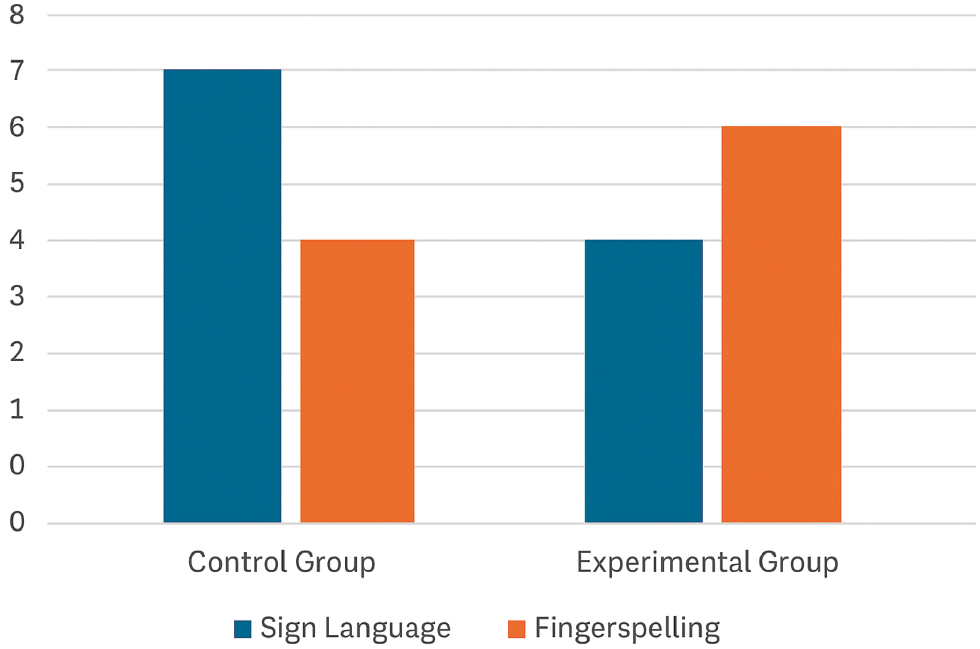
Figure 1 - Ways of communicating.
Communication through touch was one of the most effective methods observed during the program; hence, it proved to be “an enriching activity that allowed us to have non-verbal communication with the residents. I really enjoyed being there. It’s communication by touch” (MC4). This approach allowed deafblind participants to overcome the communication barriers they face on a daily basis.
The use of body movements also played an important role in communication during the program. The communication mediators adapted their instructions and explanations through movements that the participants could perceive and understand, “this was decisive, as deafblindness is very limiting and the adaptation of communication has to be very precise” (I).
Sign language, adapted to the sensory abilities of the participants, was another prominent method. Some participants used the alphabet inside the palms of their hands to communicate, which facilitated a more direct and understandable interaction, “for us it may be a picture that is nothing. But for them it is something” (I). This statement again highlights the need to adapt communication methods to the sensory perceptions of deafblind participants.
In this sense, the communication mediators observed that non-verbal communication proved to be a powerful tool to connect with the participants, “the experience showed me something unexpected and that is that deafblind people have a greater awareness of the body of movement than I thought” (P). These observations suggest that despite difficulties, non-verbal communication can enrich mutual understanding and creative expression.
Despite the overall effectiveness of these methods, there were also significant challenges. The energy and effort required to communicate non-verbally can be exhausting for participants; thus, the art therapist noted that “signing requires energy. You need to move your arms and hands, plus a lot of flexibility” (A).
Category 3: Creativity and Originality
The evaluation of the program revealed notable differences in techniques and creativity between the control and experimental groups. The participants in the experimental group demonstrated an ability to reinterpret and modify the original designs, which was evidenced in the variety and uniqueness of their puppets; thus, it was observed that “the experimental group has more instances of puppets that deviate from the proposed models” (C). This analysis is based on the observation of the puppets constructed and the methodologies used during the construction process.
The methods used to guide the participants were crucial. Communication by touch and the adaptation of instructions to the specific sensory abilities of each individual were “essential for the success of the workshop” (C). This methodological adaptation allowed “even those with severe disabilities to actively participate and benefit from the art therapy” (I).
As shown in Table 4, the experimental group more frequently engaged in puppet-making through collaborative and sensory methods such as “doing it with them” (75.0%) and “explaining with movement/body” (80.0%), while the control group relied more on conventional approaches like “teaching by touch” (66.7%) and had the highest percentage in the “we did not know/no concrete way” category (100%). These differences illustrate the experimental group's greater engagement with adaptive and participatory techniques, which may have fostered their creative output.
| Control group (%) | Experimental group (%) | |
|---|---|---|
| How to make the puppet | ||
| Doing it with them | 25.0 | 75.0 |
| Teaching by touch | 66.7 | 33.3 |
| Teaching with other senses | 66.7 | 33.3 |
| Explain with movement/body | 20.0 | 80.0 |
| Explain by touch | 75.0 | 25.0 |
| Explaining with other senses | 0 | 100 |
| We did not know/no concrete way | 100 | 0 |
| Level of cognitive functioning | ||
| Under | 50.0 | 50.0 |
| Medium | 66.7 | 33.3 |
| High | 57.1 | 42.9 |
| Type of puppet constructed | ||
| Following a proposed model | 60.0 | 40.0 |
| Moving away from the proposed models | 77.8 | 22.2 |
| Other types | 28.6 | 71.4 |
In contrast, as shown in Figure 1, the control group showed a higher proportion of cases where a concrete way of making the puppet could not be determined, indicating a possible lack of methodological adaptation to the specific needs of the participants, “this might have limited the participants’ ability to explore and experiment with their creations” (I).
As for the level of cognitive functioning, both groups show a similar distribution among low, medium, and high levels, as shown in Figure 2.
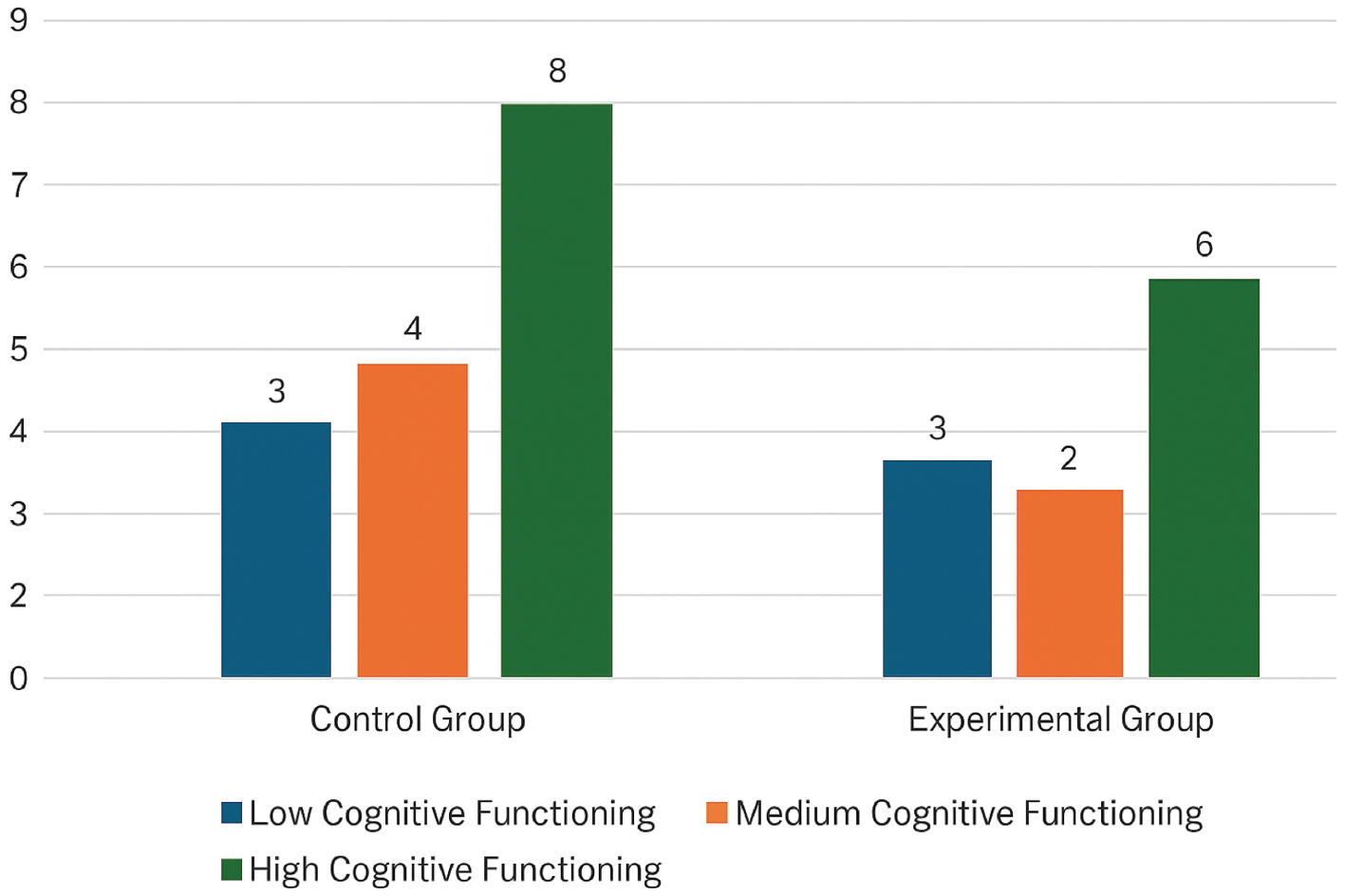
Figure 2 - Comparison between the control and experimental groups with respect to level of cognitive functioning.
Looking at sensory impairment, Figure 3 shows that while the control group has more participants with visual or hearing impairment, the experimental group has more participants without visual or hearing impairment. This may indicate a difference in the composition of the groups in terms of sensory impairment.
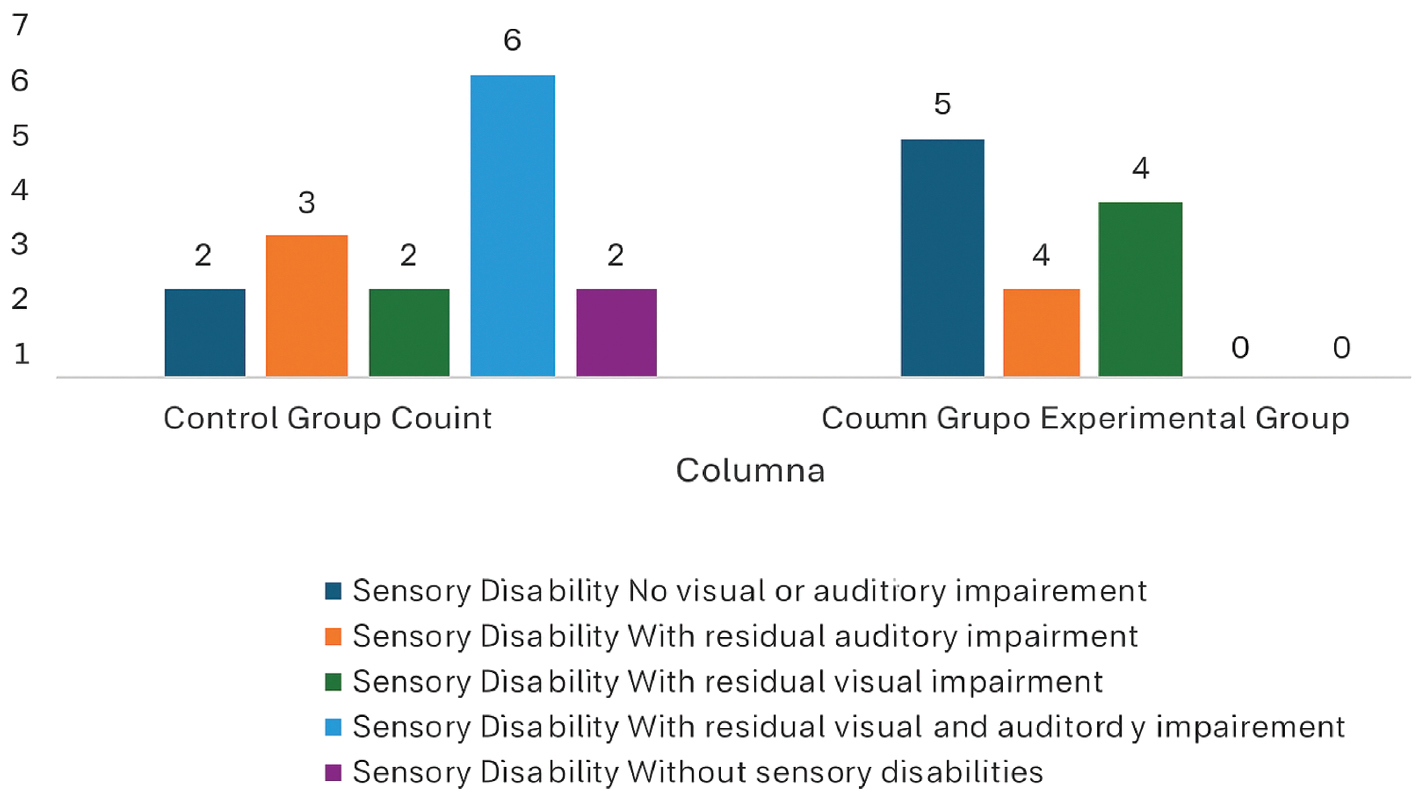
Figure 3 - Type and degree of sensory disability.
Regarding the body of the constructed puppets, Table 5 shows that the control group seems to have constructed more puppets with more precise features such as trunk, head, eyes, mouth, hair/hat, and carried by the trunk than the experimental group, which “suggests a difference in preferences or approaches to puppet construction” (C).
| Control group (%) | Experimental group (%) | χ2 | gl | Significance | |
|---|---|---|---|---|---|
| Body perception through constructed puppets | |||||
| Arms | 62.5 | 37.5 | 26.73 | 15 | 0.031a,c,* |
| Legs | 50.0 | 50.0 | |||
| Trunk | 68.4 | 31.6 | |||
| Head | 70.0 | 30.0 | |||
| Eyes | 73.7 | 26.3 | |||
| Mouth | 66.7 | 33.3 | |||
| Ears | 66.7 | 33.3 | |||
| Nose | 33.3 | 66.7 | |||
| Hands/feet/legs | 42.9 | 57.1 | |||
| Hair/hat | 75.0 | 25.0 | |||
| Muzzle | 100 | 0 | |||
| Animal | 100 | 0 | |||
| Worn like a glove | 55.6 | 44.4 | |||
| Carried by the trunk | 75.0 | 25.0 | |||
| Carried by threads | 100 | 0 | |||
| Sensory disability | |||||
| No visual or auditory traces | 28.6 | 71.4 | |||
| With auditory remnants | 60.0 | 40.0 | |||
| With visual remnants | 33.3 | 66.7 | |||
| With visual and auditory traces | 100 | 0 | |||
| No sensory disabilities | 100 | 0 | |||
| Level of cognitive functioning | 0.450 | 3 | 0.930a | ||
| How to make the puppet | 13.615 | 7 | 0.058a,a | ||
| Type of puppet constructed | 5.639 | 3 | 0.131a |
Regarding the selection and use of materials, the qualitative data show how the experimental group showed “a greater variety in the use of materials, exploring different textures and shapes, with a particular emphasis on explaining with movement/body” (IC1).
With regard to creativity and originality, the experimental group “presented a greater variety in the type of puppets constructed than the control group, which stuck to the established model” (A).
The results of the χ2 test are presented in Table 5. There is a significant relationship between the body of the constructed puppets and the groups (χ2 = 26.733, level of significance = 0.031), suggesting significant differences in the characteristics of the puppets’ bodies between the two groups. A marginally significant relationship was found between the way the puppet was made and the groups (χ2 = 13.615, level of significance = 0.058), suggesting possible differences in the teaching methods used in puppet-making between the groups. No significant differences were found either between the type of puppet constructed and the groups (χ2 = 5.639, level of significance = 0.131) (Figure 3) or between the level of cognitive functioning and the groups (χ2 = 0.450, level of significance = 0.930).
Category 4: Complementary Behavior and Interpersonal Relationships
The art therapy sessions proved to be a catalyst for improving social interaction among the deafblind participants. Although not all areas showed significant improvements, an increase in participants’ ability to focus and relate to others was observed, as shown in Table 6. This category encompasses aspects such as patience, attention, and social relationships, which were assessed through direct observation and reflections of the communication mediators.
| Control group (%) | Experimental group (%) | |
|---|---|---|
| Behavior | ||
| Focusing attention | 71.4 | 28.6 |
| Little patience | 54.5 | 45.5 |
| Relate | 50.0 | 50.0 |
| Sensory disability | ||
| No visual or auditory traces | 28.6 | 71.4 |
| With auditory remnants | 60.0 | 40.0 |
| With visual remnants | 33.3 | 66.7 |
| With visual and auditory traces | 100 | 0 |
| No sensory disabilities | 100 | 0 |
| How to communicate | ||
| Sign language in air | 63.6 | 36.4 |
| Oral language | 80.0 | 20.0 |
| Signs inside the palms of the hands | 40.0 | 60.0 |
Although no significant relationships were found in any of the areas, there was an improvement in participants’ ability to focus on activities and relate to others, which is one of the most striking findings. The puppet building and interaction during the sessions provided an environment where participants could develop and strengthen these skills, and the activity “also served as a means for them to interact and relate more effectively” (MC1).
The need-to-adapt activities and approach to meet the individual needs of participants were a recurring theme. The mediators’ ability to customize art therapy sessions to the abilities and limitations of each participant was crucial to foster an inclusive and supportive environment, in this sense, “tailoring activities to participants’ specific interests and abilities helped to maintain their interest and participation” (MC5).
Despite the observed improvements, challenges in communication and patience persisted in some cases who showed difficulties in “staying focused and patient during activities” (MC3).
Discussion
The present study on the effectiveness of an art therapy program applied to deafblind people focuses on the construction of puppets as a means to improve body and spatial perception as well as communication and relational skills of the participants. The choice of puppets is based on the fact that they are a tactile tool that facilitates the expression and perception of the body and the environment, providing an accessible alternative for people with sensory disabilities. The importance of adaptive technologies in the context of art therapy is highlighted by Alders et al. (2011), who reported the challenges and opportunities that arise when incorporating these technologies in the therapeutic setting.
The results of the study show that the intervention has a positive impact on the development of deafblind people. Significant improvement was observed in body and spatial perception, non-verbal communication, and interpersonal relationships. These findings are consistent with previous research highlighting the effectiveness of arts activities in fostering self-expression and understanding of the environment in people with sensory disabilities (Anand et al., 2019).
The construction of puppets allowed participants to explore and represent body parts in detail, developing greater body and spatial awareness. This result is consistent with that of Hackett et al. (2017), who consider that building their own puppets gives deafblind people the opportunity to share their reality and experiences with society, as the use of tactile models facilitates exploration and autonomy for blind people in understanding their environment (Buonamici et al., 2015).
Communication through touch and body movements as well as adapting communication techniques to the sensory abilities of the participants was determined to be an effective method to convey ideas and emotions, overcoming traditional communication barriers for deafblind people (Hackett et al., 2017), as “body movement is fundamental to recognise the environment through touch” (Buonamici et al., 2015).
Intervention over time, with specialized communicative mediators, allowed for greater creativity and originality in the experimental group, moving away from the proposed models and exploring different materials and methods. This finding suggests that flexibility in teaching techniques and adaptation to individual needs can foster greater creative expression and autonomy in participants, as noted by Hackett et al. (2017).
Ferro and Byers (2017) note that the use of puppets in expressive therapy can be particularly effective in developing creativity and communication skills in different populations, and Coleman and Cramer (2015) recommend the use of assistive technologies to create meaningful artistic experiences for people with multiple disabilities.
Based on the results situated within the academic literature, it is possible to state that the study demonstrates that puppet-making can be an effective intervention to improve body perception, non-verbal communication, and interpersonal relationships in deafblind people. These findings underline the importance of including art therapy programs in specialized centers, as they significantly reduce loneliness and hopelessness in people with sensory disabilities (Faramarzi & Moradi 2015).
Conclusions
The evaluation of the art therapy program for people with deafblindness revealed significant results in several areas:
Body and spatial perception: The construction of puppets allowed deafblind participants to explore and represent parts of the body in detail. There was a marked improvement in body and spatial awareness, resulting in improved self-expression and differentiation between one’s own body and that of others. Participants developed a more tangible understanding of space and body positions, achieving a more accurate and detailed representation in their puppets.
Non-verbal communication: The intervention demonstrated the crucial importance of non-verbal communication, especially through touch and body movements. These methods facilitated more effective expression of ideas and emotions, enabling participants to make meaningful connections with the communication mediators and with each other.
Puppet construction techniques: The experimental group showed greater creativity and originality in puppet construction, moving away from the proposed models and exploring different materials and construction methods. The variety of techniques used, adapted to the sensory capacities of each participant, enriched the creative experience and encouraged a richer and more diverse individual expression.
Complementary behavior and interpersonal relationships: The art therapy sessions promoted improved social interaction and interpersonal relationships. Participants demonstrated an increased ability to focus on activities and relate to others. The need to tailor activities to the abilities and limitations of each participant was key to fostering an inclusive and supportive environment.
However, the present clinical study has limitations that should be considered when interpreting the results and designing future research. Although the characteristics of the deafblind population justify the small sample size (Alders et al., 2011), it affects the generalizability of the results. Heterogeneity within the experimental group in terms of visual and auditory residuals as well as different levels of cognitive functioning means that the results may not be applicable to all deafblind people. However, such heterogeneity is inherent in the deafblind population and is therefore difficult to eliminate. This factor underlines the need for a highly personalized approach, which may not always be feasible (Choe & Carlton, 2019) and may limit the replicability of the study in other contexts (Hackett et al., 2017). The role of the communication mediators may have influenced the outcomes. The experience and skills of communication mediators in adapting art therapy techniques and communicating effectively with participants are crucial to the success of the program (King et al., 2019), which is why they need to be adequately trained.
These authors contributed equally to this work.
About the Authors
Juliette Masson is a doctoral candidate in the Artistic Training Program at the Complutense University of Madrid. She moved to Madrid to pursue doctoral research on the intersection of the arts—specifically puppetry—and sensory disabilities, with the aim of improving cultural accessibility for individuals with such disabilities.
Her artistic practice is rooted in live performance and audience engagement. She is particularly passionate about in-situ performance, favoring open-air environments and tailoring her creative work to the specific context, rather than forcing spaces to conform to predetermined artistic structures.
Juliette has also practiced activist clowning in the streets of Grenoble, using her body as her primary performance tool. She values spontaneity and the use of available resources—whatever is at hand—as essential elements in her work.
Author to whom correspondence should be addressed; E-Mail: jmasson@ucm.es; Tel.: +1-111-111-111 (ext. 123); Fax: +1-111-111-112; ORCID ID: https://orcid.org/0009-0008-4396-6071.
Victoria Martínez-Vérez holds a PhD in Sociology from the University of La Coruña and in Fine Arts from the Complutense University of Madrid. She also holds a diploma in Social Work and a degree in Sociology from the Universities of Santiago de Compostela and Pontificia de Salamanca. She is currently a lecturer in the Department of Musical, Plastic and Corporal Expression at the University of Valladolid. She is a member of the editorial committee of the journal Encuentros. Revista de Ciencias Humanas, Teoría Social y Pensamiento Crítico and collaborates as an international advisor in the journal Kepes, both indexed in Scopus. She has published numerous articles in high-impact journals and has been awarded several educational prizes, including the Educa Abanca, which recognises her as one of the best teachers in Spain. E-mail: vita.martinez@uva.es; ORCID ID: https://orcid.org/0000-0002-8417-5101.
Miguel Ranilla-Rodríguez, PhD Cum Laude in Fine Arts from the Complutense University of Madrid. He is a Tenured Lecturer (PDI Contratado Doctor) in the Department of Sculpture and Artistic Training (Artistic Training Section). Editor of the journal Arte, Individuo y Sociedad, and lecturer in the Master’s Degree in Secondary Education, Baccalaureate, Vocational Training, and Language Teaching, where he teaches the course “Processes and Methods of Audiovisual Media.”
He is an active researcher with Q1-indexed publications, conference presentations, and participation in various R&D and educational innovation projects. He has taught at several universities and faculties, including: Antonio de Nebrija University (Faculty of Languages and Education; Faculty of Communication and Arts), International University of La Rioja (Education), Alfonso X El Sabio University (Education), Complutense University of Madrid (Faculty of Education and University for Seniors), Faculty of Education in Vienna (Austria), Faculty of Philosophy in Warsaw (Poland), and Faculty of Fine Arts in Gdańsk (Poland).
He received the Excellence in Teaching Award from ANECA in 2016 and 2017. Additionally, he has exhibited his work as an artist in venues such as Fundación Antonio Pérez, La Casa Encendida, MediaLab Prado, and Off Limits, among others. E-Mail: migueran@ucm.es; ORCID ID: https://orcid.org/0000-0002-2052-7585.
Paula Gil-Ruiz, PhD in Audiovisual Communication (UCM). Degree in Humanities (Universitat Oberta de Catalunya). Degree in Fine Arts (UCM). Master in Teacher Training (UCM) with specialization in Visual Arts. Teaching experience in the degrees of Social Education, Pedagogy, Early Childhood Education and Primary Education at CES Don Bosco. She also teaches on the Degree in Higher Artistic Design at the European Institute of Design (IED) in Madrid. Main lines of research in audiovisual communication, sustainability, educational technology, didactics of visual arts, inclusive education and creativity. E-mail: pgil@cesdonbosco.com; ORCID ID: https://orcid.org/0000-0001-6231-3916.
Acknowledgement
There are no sources of funding. This article is part of the doctoral dissertation of Juliette Masson, supervised by Drs. Victoria Martínez-Vérez, Miguel Ranilla-Rodríguez, and Paula Gil-Ruiz.
Conflicts of Interest
There are no conflicts of interest.
References
Alders, A., Beck, L., Allen, P. B., & Mosinski, B. B. (2011). Technology in art therapy: Ethical challenges. Art Therapy: Journal of the American Art Therapy Association, 28(4), 165–170. DOI: 10.1080/07421656.2011.622683. | |
American Educational Research Association (AERA). (2019). Ethical Standards of AERA. Retrieved February 10, 2023, from https://www.aera.net/About-AERA/Key-Programs/Social-Justice/Ethical-Standards-of-the-AERA. | |
Anand, S. A., Houston, L. J., Avent, L. C., & Glen, T. (2019). Outpatient group art therapy in a psychiatry residency program. Art Therapy: Journal of the American Art Therapy Association, 36(1), 5–14. 10.1080/07421656.2019.1565291. | |
Belkofer, C. M., & McNutt, J. V. (2011). Understanding social media culture and its ethical challenges for art therapists. Art Therapy: Journal of the American Art Therapy Association, 28(4), 159–164. 10.1080/07421656.2011.622684. | |
British Educational Research Association (BERA). (2019). Guía Ética para la Investigación Educativa, cuarta edición (2018) (4th ed.). Retrieved March 15, 2024, from https://www.bera.ac.uk/publication/guia-etica-para-la-investigacion-educativa | |
Buonamici, F., Furferi, R., Governi, L., & Volpe, Y. (2015). Making blind people autonomous in the exploration of tactile models: A feasibility study. In M. Antona & C. Stephanidis (Eds.), Universal Access in Human-Computer Interaction. Access to Interaction. UAHCI 2015 (Vol. 9176, pp. 82–93). Lecture Notes in Computer Science. Cham, Springer. DOI: 10.1007/978-3-319-20681-3_8. | |
Chilton, G., Gerity, L., LaVorgna-Smith, M., & MacMichael, H. N. (2009). An online art exchange group: 14 Secrets for a Happy Artist’s Life. Art Therapy: Journal of the American Art Therapy Association, 26(2), 66–72. DOI: 10.1080/07421656.2009.10129741. | |
Choe, N. S., & Carlton, N. R. (2019). Behind the screens: Informed consent and digital literacy in art therapy. Art Therapy: Journal of the American Art Therapy Association, 36(1), 15–21. DOI: 10.1080/07421656.2019.1565060. | |
Coleman, M. B., & Cramer, E. S. (2015). Creating meaningful art experiences with assistive technology for students with physical, visual, severe, and multiple disabilities. Art Education, 68(2), 6–13. DOI: 10.1080/00043125.2015.11519308. | |
Faramarzi, S., & Moradi, M. (2015). Effectiveness of art therapy on reduction of hopelessness and solitude in children with hearing impairment. Bimonthly Audiology - Tehran University of Medical Sciences, 23(1), 25–31. | |
Ferro, M. J., & Byers, J. (2017). Expanding the range of puppetry in expressive play therapy. In R. L. A. Steen (Ed.), Emerging research in play therapy, child counseling, and consultation (pp. 158–181). Hershey, PA, USA: IGI Global. DOI: 10.4018/978-1-5225-2224-9.ch010. | |
Gamboa Lozano, P. A. (2018). Arte de sentidos [Proyecto Curricular De Artes Escenicas, Universidad Distrital Francisco Jose De Caldas Facultad De Artes ASAB]. http://repository.udistrital.edu.co/handle/11349/13249. About Riksteatern Crea. (s. d.). Riksteatern. https://www.riksteatern.se/en/Riksteatern-Crea/about-riksteatern-crea/. | |
Gao, X. (2006). Understanding changes in Chinese students’ uses of learning strategies in China and Britain: A socio-cultural re-interpretation. System, 34(1), 55–67. DOI: 10.1016/j.system.2005.04.003. | |
Gibson, D. (2018). A visual conversation with trauma: Visual journaling in art therapy to combat vicarious trauma. Art Therapy: Journal of the American Art Therapy Association, 35(2), 99–103. DOI: 10.1080/07421656.2018.1483166. | |
Hackett, S., Ashby, L., Parker, K., Goody, S., & Power, N. (2017). UK art therapy practice-based guidelines for children and adults with learning disabilities. International Journal of Art Therapy, 22(2), 84–94. DOI: 10.1080/17454832.2017.1319870. | |
Hsieh, H. F., & Shannon. S. E. (2005). Three approaches to qualitative content analysis. Qualitative Health Research, 15(9), 1277–1288. DOI: 10.1177/1049732305276687. | |
King, J. L., Kaimal, G., Konopka, L., Belkofer, C., & Strang, C. E. (2019). Practical applications of neuroscience-informed art therapy. Art Therapy: Journal of the American Art Therapy Association, 36(3), 149–156. DOI: 10.1080/07421656.2019.1649549. | |
O’Dowd, R., & Werner, S. (2024). The first steps of blended mobility in European higher education: A survey of blended intensive programmes. Journal of Studies in International Education. DOI: 10.1177/10283153241235704. | |
Thong, S. A. (2007). Redefining the tools of art therapy. Art Therapy: Journal of the American Art Therapy Association, 24(2), 52–58. DOI: 10.1080/07421656.2007.10129583. | |
Timm-Bottos, J. (2016). Beyond counseling and psychotherapy, there is a field. I’ll meet you there. Art Therapy: Journal of the American Art Therapy Association, 33(3), 160–162. DOI: 10.1080/07421656.2016.1199248. | |
World Medical Association. (2008). Declaración de Helsinki: Principios éticos para la investigación médica con seres humanos. Retrieved February 11, 2023, from https://www.wma.net/policies-post/wma-declaration-of-helsinki-ethical-principles-for-medical-research-involving-human-subjects/ |