Toward Redemptive Theater—A Structure for Silence
Volume 11, Issue 1, Pages 134-150
Abstract
In a world of conflict and polarities, this research seeks to design an applied drama and theater form that can create a third space where redemptive conversation could begin. The redemptive theater experiment follows a strategic narrative embodiment design that balances narrative structure with improvisational elements. This article analyzes one performance of the form to illuminate this narrative design structure, or STORI strategy, with an emphasis on how structure can enable play and improvisation. Specifically, how do we structure moments of silence as a meeting place for conflicting perspectives and ideologies? As silence and tension grow, how do we shape the space between us to enter it carefully and vulnerably, finding an improvisational moment of give and take? Although the scope of this study does not measure the redemptive impact of the design, it does illuminate further questions about the value of structuring moments of silence as part of the play; how the absence of the author of a story removes unhelpful power dynamics, opening the improvisational possibilities; and how enrolling both audience and players enables more nuanced reflection. The performance that is analyzed deals with questions of xenophobia and the intersection of gender and nationality.
摘要
在一个充满冲突和两极分化的世界中,这项研究旨在设计一种应用戏剧和剧场形式,可以创造一个第三空间,让救赎性对话开始。救赎性剧场实验遵循平衡叙事结构和即兴元素的战略叙事体现设计。本文分析了该形式的一次表演,以阐明这种叙事设计结构,或者说STORI策略,重点是结构如何能够促进游戏和即兴表演。具体来说,我们如何将沉默的时刻构建成一个冲突视角和意识形态的交汇点?随着沉默和紧张的增加,我们如何塑造我们之间的空间,谨慎而脆弱地进入其中,找到即兴的互动时刻?虽然这项研究的范围不涵盖设计的救赎影响的衡量,但它确实阐明了关于将沉默时刻作为戏剧的一部分进行结构化的价值的进一步问题;故事作者的缺席如何消除不利的权力动态,打开即兴表演的可能性;以及如何让观众和演员都参与进来,促使更加细致入微的反思。所分析的表演涉及对于仇外情绪以及性别和国籍交汇的问题。
Keywords
redemptive theater, narrative design, improvisation, xenophobia, silence.
关键词
救赎戏剧, 叙事设计, 即兴表演, 应用戏剧和戏剧, 沉默.
History
Received 01 February 2025
Accepted 01 April 2025
Open Access
This is an open access article.
Introduction: Strategic Intent
The redemptive theater (RT) experiment, initiated by Petro Janse van Vuuren, Tshego Khutsoane, and Les Nkosi at the Drama for Life Department, University of the Witwatersrand, Johannesburg, aims to design a theatrical format that embodies the redemptive quality of theater. Theater is known for being redemptive, as it provides a public space for discourse (Stephenson in Chen, 2019), and creates a liminal space where reality and fiction meet (Turner, 1982, 1990). As applied theater practitioners, we focused on creating a structured form of theater with the strategic intention of fostering redemptive experiences, not merely as a side effect but as a core outcome of the performance.
The project began in 2019 and has undergone several iterations. Some of these were detailed in our first short article in the book Theatre and Democracy: Building Democracy in Post-war and Post-democratic Contexts (Khutsoane et al., 2021). Since then, we have continued to experiment with different design elements.
Here, we highlight both the design and shape of the redemptive scripts developed thus far. The script shape is illustrated by The Reckoning of the Zulu, written by Nobantu Shabangu. The process design is demonstrated by a write-up of a short facilitation of its basic elements. An analysis of the script shape and process design is provided.
Now, let us explore the SNE character of RT. If the strategic intent of this work is to give structure to the silence that stretches between opposing ideologies, genders, races, generations, and nations, facilitating public discourse, what narrative structure and improvisational elements might facilitate this?
In our earlier write-up (Khutsoane et al., 2021), we noted the importance of silence in redemptive situations. Redemption involves authentic giving for the purpose of receiving authentic forgiveness or release from debt. It is a transactional experience that creates an opportunity for healing relationships between the giver and the receiver. At its core, it intentionally creates a space for individuals from opposing sides of a conflict to meet in vulnerability. How do we structure such a space theatrically? And how do we ensure that the redemptive effect transcends the stage to encompass the emotional responses and experiences of the audience?
This central question drives our creative enquiry. In this article, we focus on how the design and shape of our scripts and processes have developed to structure moments of silence as a meeting place for conflicting perspectives and ideologies.
In the years leading to and following 2020, marked by the COVID-19 pandemic, polarization in various conflicts deepened. We observed “culture wars” (Hunter, 1991) around vaccination and mask-wearing, racial divides highlighted by the Black Lives Matter movement, and the focus on gender-based violence during lockdowns (Ronson, 2024). More recently, political divisions have exploded in wars in Ukraine, Gaza, and elsewhere.
In South Africa, xenophobic attitudes, the theme of our performance analysis, continue to fester, strengthened by the economic decline since 2020 (Human Rights Watch, 2023). Xenophobia in South Africa, markedly against African immigrants from neighboring Zimbabwe and Mozambique, is a persistent issue, characterized by periodic violence, discrimination, and social exclusion. Despite government efforts to curb it, social tensions remain, often exacerbated by economic inequality and ineffective social integration strategies (Crush & Ramachandran, 2014; Misago, 2016).
The possibility of a third space for vulnerable and authentic public discourse is absent in many contexts. With social media thriving on conflicts to increase revenue, we turn to theater for inspiration. As silence and tension grow, how do we shape the space between us to enter it carefully and vulnerably, finding a moment of give and take.
This space of silence is where misunderstanding occurs, where we make assumptions about one another, and where we judge actions and intentions based on dominant and habitual narratives. Our redemptive stories, which our theater presentations are built on, ask: How does a man support the fight against gender-based violence if his very presence is triggering for the women he wants to ally with? How does a White Afrikaner recognize their privilege if Black counterparts cannot teach them without feeling exploited? How does a born-free South African make a future for herself if her father demands her earnings to heal apartheid’s scars? And, in the accompanying script: How does a queer Zulu woman, who understands othering, make sense of xenophobic behavior around her when she benefits from her South African identity?
Our idea of structured silence relates to the use of silence in applied drama and theater, allowing voices silenced by dominant and habitual narratives to speak. Structured moments of silence focus attention on what is not said verbally—gestures, non-verbal sounds, thoughts, and space.
Theory and Method Framework: The Structure of Redemptive Theater
The inspiration for the structure of RT is taken from the strategic narrative embodiment (SNE) model I had developed in my practice of applied theater in organizational (relationship systems) contexts (Figure 1). The model combines the framing effect of narrative structure with the spontaneity garnered from improvisational play to meet a specific strategic intent. Where the structure of story and the playfulness of improvisation meet within the containment of a particular intention, dominant stories are fractured and possibilities for new stories emerge.
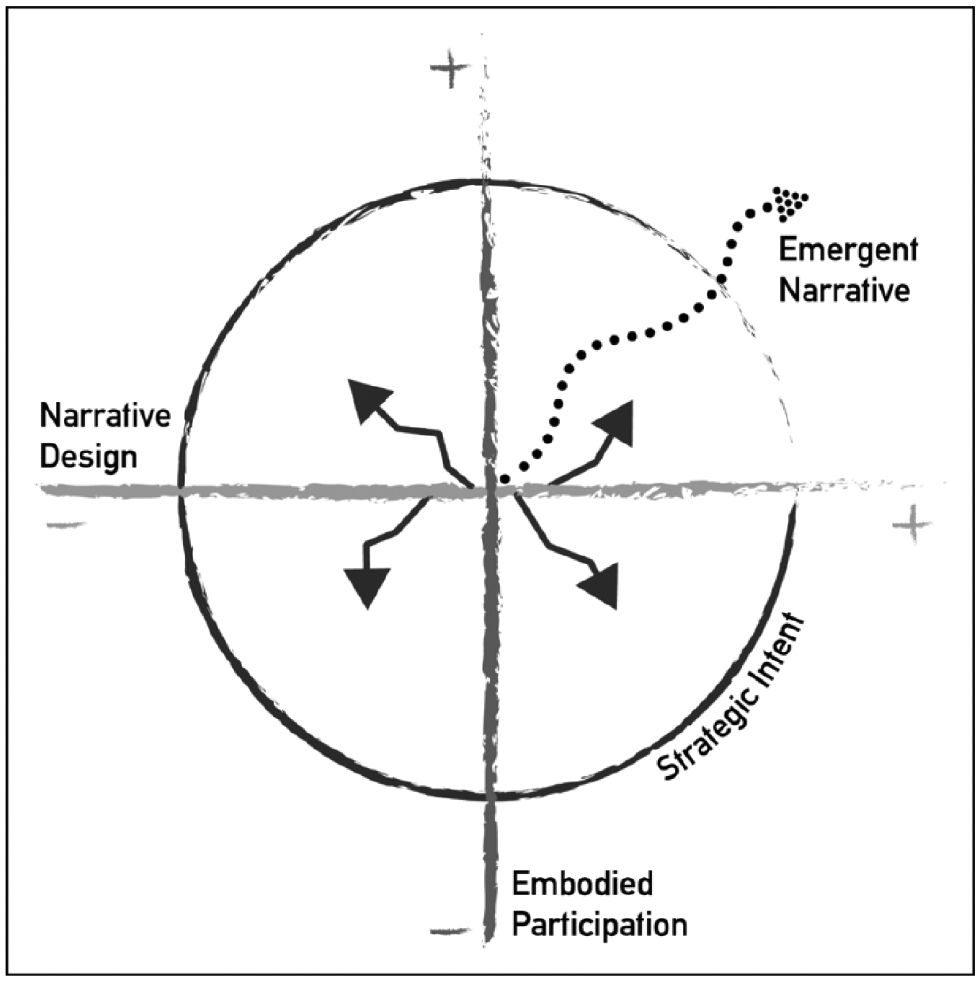
Figure 1 - Diagram of the strategic narrative embodiment model.
Now, let us explore the SNE character of RT. If the strategic intent of this work is to give structure to the silence that stretches between opposing ideologies, genders, races, generations, and nations, facilitating public discourse, what narrative structure and improvisational elements might facilitate this?
Narrative Design of Redemptive Theater
The narrative framework used by SNE and RT derives from an analysis of the mythic structure prevalent in applied drama, theater, and drama therapy. As discussed in Keeping Promises (Janse van Vuuren, 2016), this design simplifies the hero’s journey identified by Campbell (1988a, 1988b) and used by Vogler (1998). Although acknowledging the existence of other narrative structures, theorists in these fields have found the mythic structure of a hero embarking on a quest in a special world and returning with new insight particularly useful for change and transformation processes. This structure facilitates mapping the interaction between opposites, where the hero leaves their comfort zone, encounters opposing arguments in the special world, and integrates these experiences upon return. This mythic structure frames the interaction between opposites, bridging polarized identities or ideals (Lévi-Strauss 1963).
In the RT experiment, stories informing the script follow this structure, as does the design of the interactive applied drama performance process. RT uses the double journey characteristic of applied drama and theatre (Booth and Lundy, 1985; Bowel and Heap 2001; Kanira 1997). In both fictional stories and applied drama processes, participants transition from their ordinary world into a special world where they confront change and return with new insight.
Combining the two forms a journey within a journey:
The participant enters the theater from their ordinary world.
Engaging with the story, they identify with the characters.
Inhabiting a character’s role, they journey from the ordinary world into the story’s special world.
Together with the character, they find the elixir and return to the character’s world.
Leaving the theater, they return to their everyday life, enriched with new understanding.
For clarity, the script’s shape is outlined in Table 1 and the process design is outlined separately in Table 2. In Table 3, they will be integrated into the journey within a journey framework and analyzed based on an actual RT performance.
| Story structure | The redemptive story | |
|---|---|---|
| S | Strategic intent: The summons in the situation. This is the inciting incident that calls the attention of the protagonist. | The set-up: Who is the character? Where are they, why are they there and what is the context? |
| T | Transition: Terrors on the threshold. There are doubts, reservations, and excitements to work through as the protagonist commits to the adventure. | The build-up: What did the character find there and how did they react? What did they feel think and do? |
| O | Open experimentation: Obstacles and ordeal. The protagonist is confronted with something which contradicts what they believe (there “script”), and they must improvise. | The blow-up: What was the moment of confrontation that creates a dilemma? |
| R | Reflection—Reward and return. The protagonist receives a reward for their efforts and returns to their world with new insight. | The ‘fess-up: The protagonist faces the truth and sees the part of them that needs redemption. |
| I | Integration—implementing and new identity. The protagonist integrates new insight into their identity by implementing lessons learned. | The round-up: All players gather to reflect. To what extent do they find redemption or not? |
| RT facilitation design | |
|---|---|
| S | Strategic intent: The facilitator makes a statement around the intention of the experiment and the frame of the experience. For example, the facilitator
|
| T | Transition—The facilitator explains the rules of engagement that will allow audience to replace, or interact with, characters on stage, i.e., how they will cross the threshold. The rules of the engagement are as follows:
This may be practiced for audience members to test the mechanism—especially in the online version. |
| O | Open experimentation. The performance/reading of the script may now ensue. Here are two important facilitation notes:
|
| R | Reflect: The facilitator designs and facilitates a reflective moment with audience and players that allow the audience to respond to the stories or interact with the players or characters. The goal must be to allow for the possibility of redemption for the part of the character’s identity that hard to accept (the racist, the toxic male, the xenophobic person. Even if redemption itself is not possible 9 and must never be faked of forced) this identity must be engaged and interacted with authentically (not through rhetoric). This step overlaps with the “round-up” moment of the stories. |
| I | Integration: We have tried various ways to facilitate this. We named just a few. In part 2, I will comment on this phase of the design process. The issue here is that the integration work usually left to happen outside of the theater as participants return to their lives. 1. Audience members are asked to respond to a question on sticky notes or posters by offering their own stories. We wonder if there are better ways to do this. 2. Audience members receive copies of the script that they might take it into their own lives. They may stumble upon it every so often and wonder at it. This is harder when the script is digital. How do we bridge this obstacle? Do we trust that the stories will stick and come to mind of their own accord? 3. Audience members should be able to leave their contact details so that they might be invited to future performances and so continue the work. |
There are many versions of narrative arcs that describe the shape of stories. Within SNE, the STORI strategy captures stages of a story, whether informing a scripted narrative or process design. It simplifies classic narrative design from inciting incident to climax, denouement, and resolution.
The STORI Strategy of an RT Script
Table 1 presents the acronym STORI on the leftmost column, a short description in the second column, and outline potential events in the RT story for scripting. For fun, we labeled each redemptive moment, such as “the set-up” or “the ‘fess up.”
The final script may weave up to three stories together to create contrast and interaction. Here, we use only one story to illustrate the shape.
The STORI Strategy of a Redemptive Process Design
The RT design aims to create a dialogical performance through theater that can redeem a story seen as irredeemable. We identified two sub-objectives: first, to make theater where silences between words have body; second, to design a process that asks the community to own and accept the voices they silence as part of our collective reality. The version of the experiment below focuses less on the second objective.
Before discussing the STORI strategy, I want to note elements of the spatial design that characterize the work. How the space is set up significantly impacts how easily the audience can transition between seats and stage, metaphorizing their travel between their reality and the story reality on stage. Adaptations for online performances are also mentioned.
The space creates no level difference between audience and performers, such as stairs to climb to get on stage. Online, this is not an issue if everyone uses their cameras.
Audience and performers are placed as close as possible within the available space. Again, not a problem online.
The script is available to everyone via printed copies or projection behind performers for the audience to follow. Online, it is projected on a shared screen—Microsoft Teams allows toggling between slides and performers.
Performers hold their own scripts in hard copy or on a tablet. Online, everyone follows on screen.
Using the STORI strategy helped structure our work, but in previous presentations, we struggled to adequately frame public discourse. This presentation design revealed a shortcoming: It started with the story’s author on stage reading. As the script developed, the author left the stage for an audience member to take their place. At the end, the original author and the audience members who took the author’s place were invited on stage as a group representing the protagonist for a Q&A. The audience (out of role) could ask questions to those who had read as the protagonist. However, this design created silence in two ways instead of removing it.
First, the author, as the first-person teller, had extensive narrative knowledge, creating a power dynamic with those who took on the role for one reading. The latter felt obliged to the original teller to “get it right” if an audience member asked about their experience. The teller felt protective of their story and wanted accurate presentation. This imbalance silenced responses players might have given without the author present.
Second, a power dynamic arose between audience and players since players were in role and the audience was not. This dynamic is evened out in the traditional applied theater technique of hot seating, e.g., in Boal’s forum theater (1979, 1992), because as the story teller, the role held a certain power, and the actor’s own story was not the material of their performance, as in the case of the RT experiment. Again, this imbalance silenced certain audience questions or role answers, as the latter may become defensive.
For the performance below, we tried three adjustments to our design to better structure discourse and activate silenced perspectives. We focused on the improvisational aspects of the design.
Improvisational Structure of Interaction
In early RT scripts, silence was depicted as a character, sometimes given lines such as audience instructions or pauses before continuing (Khutsoane et al., 2021). However, this lacked a strong improvisational frame to encourage authentic audience participation (Izzo, 1998; Johnson, 1981). In part 2, changes made for the analyzed performance will address these challenges. For now, let us consider the relationship between STORI structure and elements enabling improvisational participation.
There might be concerns that the STORI strategy could restrict rather than liberate participants. However, structure often liberates the creative process, especially with unskilled participants. The facilitator’s skill in balancing structure with spontaneity makes the process artistic. Eugenio Barba (1995) emphasizes this:
An actor who has nothing, but rules is an actor who no longer has theatre but only liturgy. An actor without rules is also without theatre: she has only…drab behaviour with its predictability. (p. 18)
For our purposes, we recognize that structure enables play. STORI strategy provides one form of structure, while another arises from the rules of engagement, facilitating interactions between audience and characters to voice silenced perspectives and mitigate power dynamics. Improvisational principles are also useful for inviting a multiplicity of interpretation, while maintaining structure.
| Journey/STORI 1 —the story of the process for participants | Journey/STORI 2 — the story of the script for the characters | Description |
|---|---|---|
| Strategic intent 1 | The purpose for the participants was to experience redemptive theater in its current form including a couple of changes that had not yet been tested. | |
| Transition 1 | The participants transition by understanding the rules of the game and trying out the mechanism of (a) tapping in and out and of (b) activating silence. | |
| Open experiment 1 | Strategic intent 2 | The script reading begins with the introduction of the character and the set-up of the situation and its potential summons. |
| Transition 2 | The story relates the build-up to the moment of confrontation for the character and audience alike as it relates the thoughts and feelings of the character in relation to events in the narrative. | |
| Open experiment 2 | The script leads to a blow-up that confronts the protagonist with an uncomfortable part of themselves. In identification with the character, players, and audience alike, are also asked to look at this shadow side of us as humans. | |
| Reflection 1 | Reflection 2 | The character ‘fesses up to their role and admits a level of guilt in what had happened, taking some responsibility for it. This is the end of the script. |
| Integration 2 | All players who had contributed to the reading are called back on stage for the round-up. They reflect from within the role of the character to questions posed by the audience who are out of role. In this way, the character (and by extension players) begins to integrate the experience into their identity. | |
| Reflection 1 continues | The participant reflection process begins in the integration part of the round-up. It continues as the audience, thus far out of role, are enrolled now as the antagonist/counter character and asked to enter dialogue with those on stage still in role as protagonist. | |
| Integration 1 | According to the design of the RT process, this happens as players and audience come out of role and all return to their seats. A second round of reflection may occur as the facilitator leads a Q&A about the process. There was no formal time for this at the Arts Research Africa presentation, but I was able to engage very briefly with a couple of participants who are colleagues on their way out. |
STORI 1: Strategic Intent (for Participants)
The space is arranged with two chairs at the front, while the rest are set in rows like a regular presentation (Figure 2). The stage area is not raised, just a cleared space in front. A title slide is projected on the screen. A colleague sits on one of the chairs, starting the reading. We agreed that if he was not tapped out before a certain point in the text, he would leave on his own, creating the first opportunity for audience interaction. He was chosen because he is clearly not the original teller, who is a woman, to emphasize that anyone can replace the teller, regardless of visible attributes.
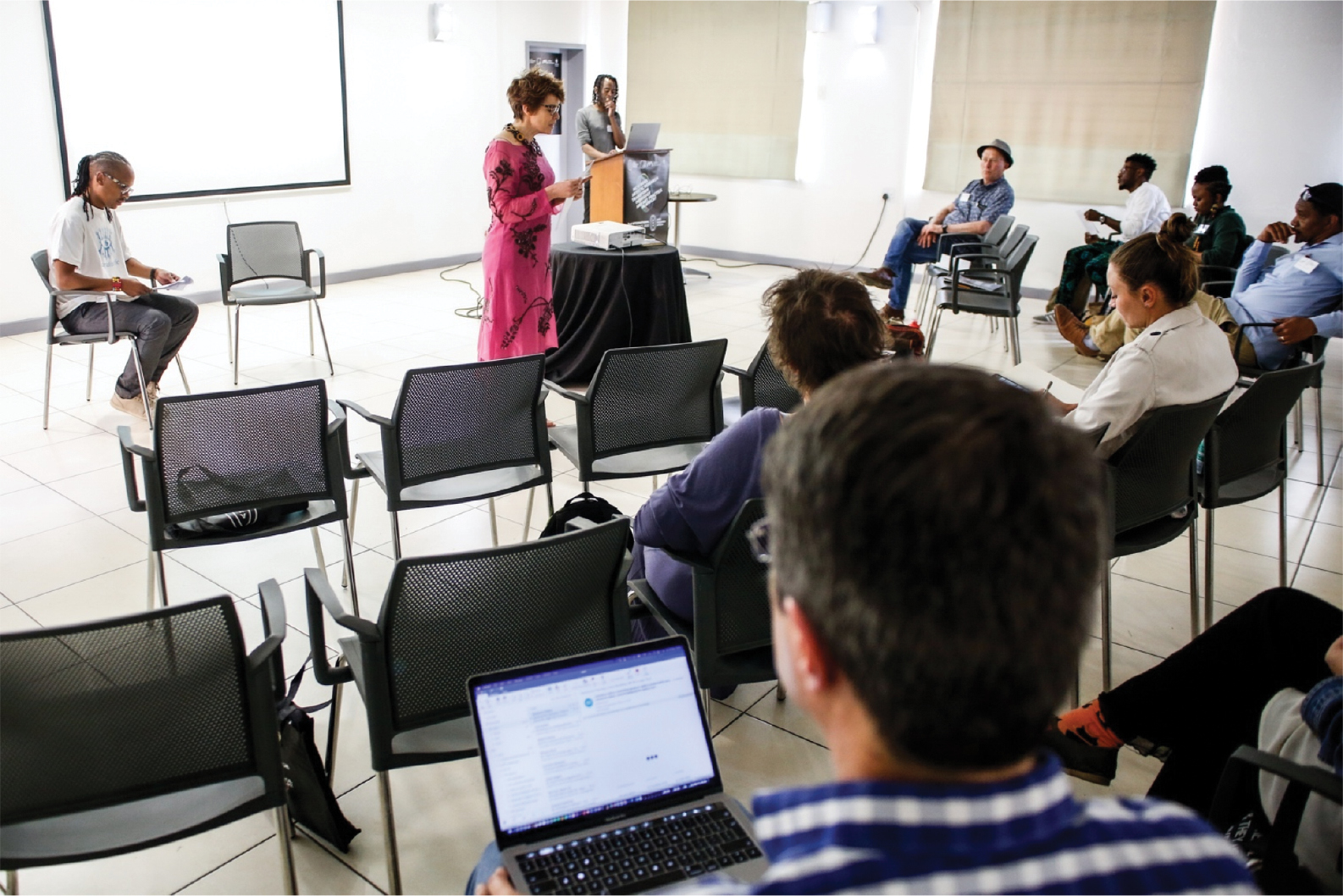
Figure 2 - Room set-up on the day of the performance at the Arts Research Africa conference. Photographer: Zivanai Matangi.
In previous RT versions, the original author started the reading, but this time, the author chose to remain unidentified in the audience. This choice led to an unexpected discovery that was not part of the design.
Once participants are seated, I, as the facilitator, welcome them and thank them for attending. To ensure everyone can see the text on the screen, I invite those at the back to move forward, forming a smaller group. I briefly explain RT as a research project and the current presentation’s purpose: to test adjustments made to better frame “silence” and alter audience interaction. I avoid giving too much detail to preserve the experience.
For clarity, previous RT scripts left the duration of silent moments to participants, with instructions embedded in the script. This often led to brief silences. In this Arts Research Africa version, we dedicated a slide to silence, marked by a color change. I controlled the slides and could change them to observe the effect. This idea originated from a 2021 group of master’s students who first structured silent moments with a slide, albeit without clear participant instructions as in this version. We aimed to see what happens when silence is held longer, with clearer but not prescriptive directions.
We also experimented with enrolling players as both the protagonist and the antagonist, enabling dialogue between characters fully held by participants for the first time. We wanted to see if this would eliminate the power dynamic between those in and out of role and how it would impact the redemptive value of the reflection.
STORI 1: Transition (for Participants)
After stating the intention of the presentation, I introduce my colleague and his role as the first player. Then I explain the rules of engagement for this round:
Once the reading has started, anyone may tap out the reader, at any time, take up the script and take their place.
The reader may, at any time, tap themselves out by leaving the script on the chair and returning to their seat.
If the chair is empty, we wait in silence until someone takes up the reading.
The audience may respond how they wish to the moments of silence indicated.
As we are now ready to begin, I introduce the character by reading their portrayal from the screen.
The Zulu:28-year-old black queer woman. Lives in Soweto (a township outside Johannesburg).
I also introduce Silence as a character (described as “the audience as they are today”) and use one of the silence slides to allow the audience to practice responding to it (Figure 3).
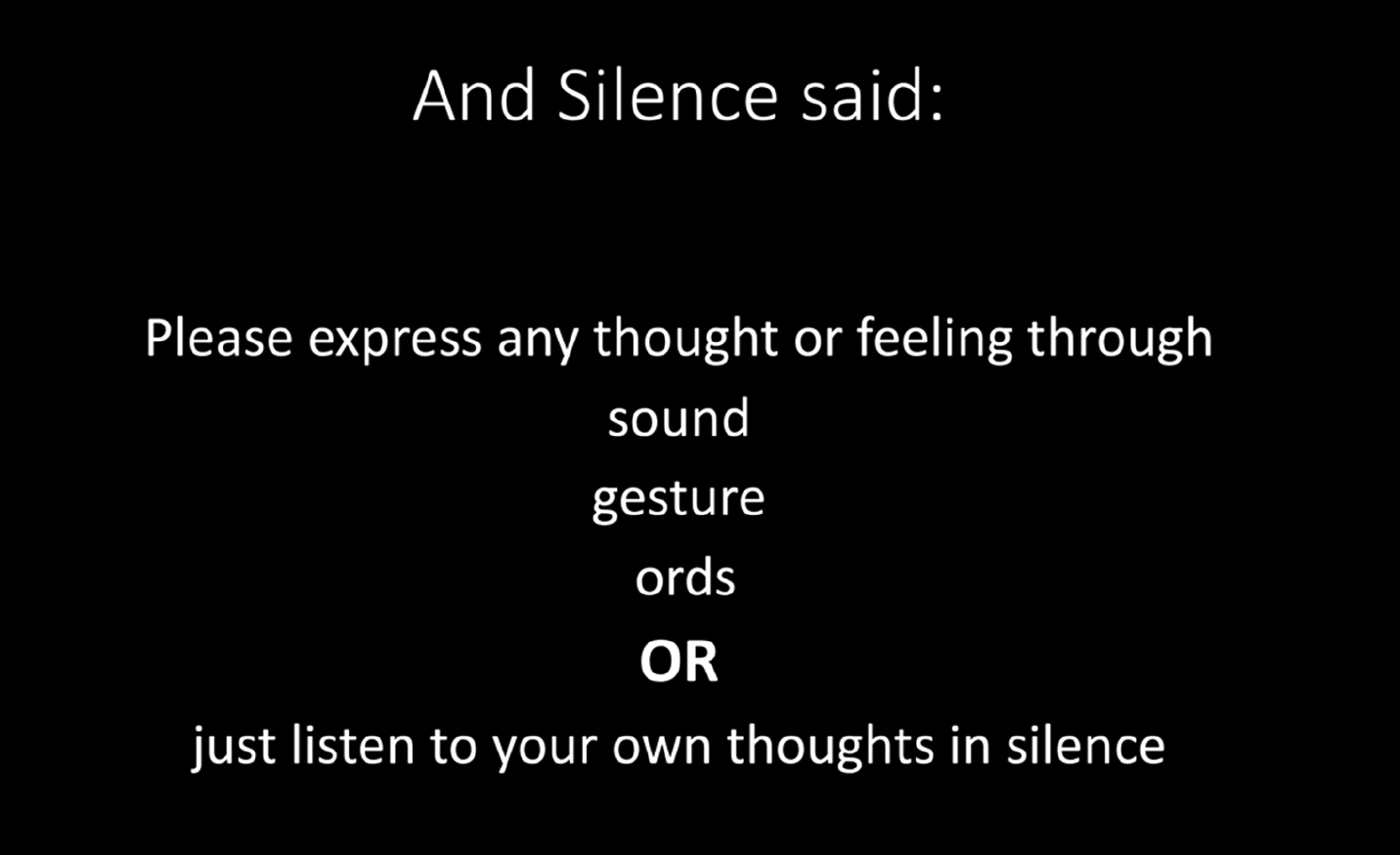
Figure 3 - Slide that provides the framing for moments of silence.
STORI 1: Open Experiment (for Participants)
STORI 2: Strategic Intent (for the Character)
The Set-up
The reading starts, and as the protagonist sets up the story, audience participants get ready to engage in the game play. Throughout the following reading, the script is taken up by different audience members (Figure 4).
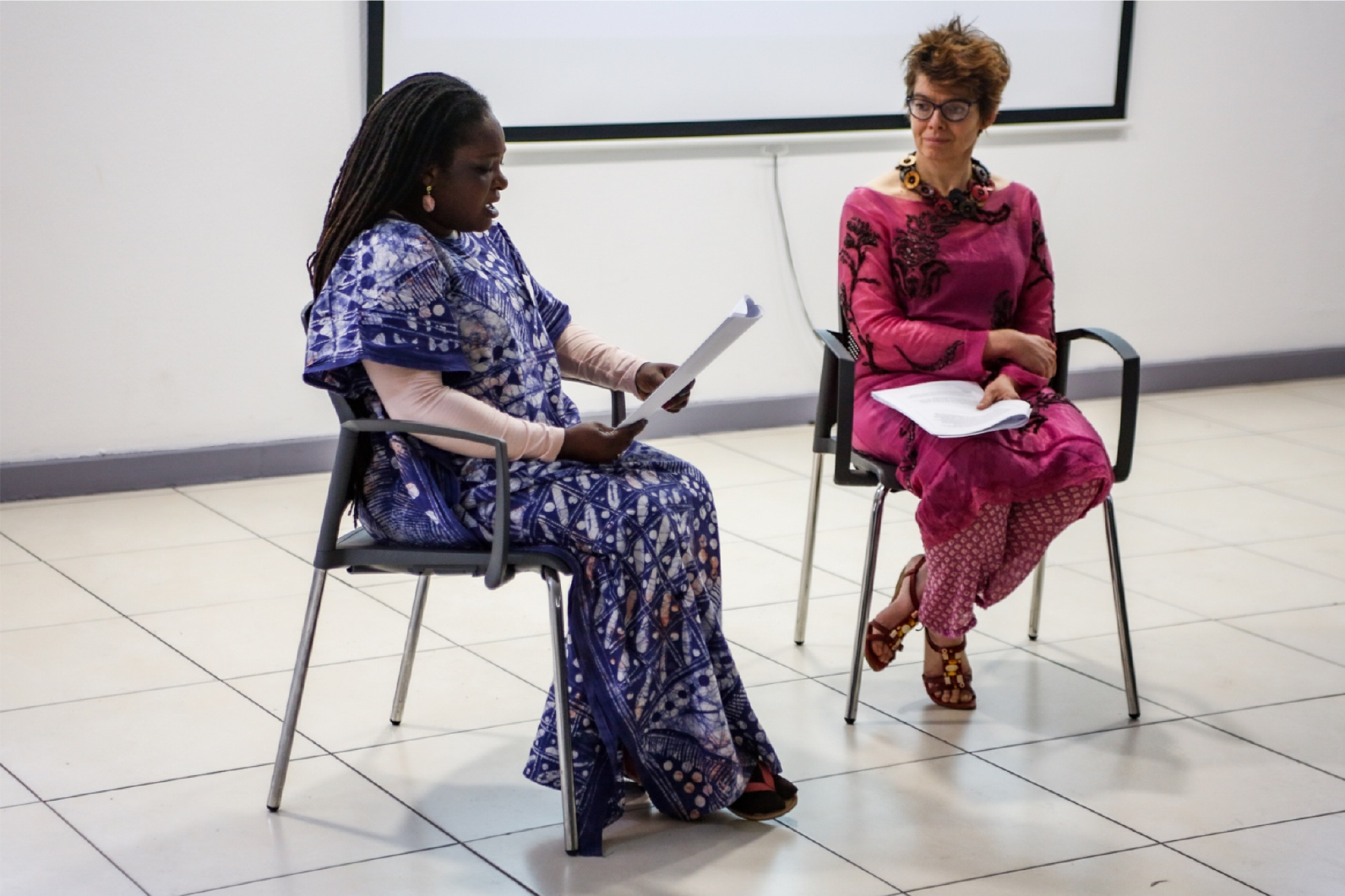
Figure 4 - A different player and the facilitator. Photographer: Zivanai Matangi.
The Reckoning of the Zulu
“I hate injustice. Don’t you?” (Shabangu, 2022 p. 4)
The Zulu identifying protagonist recounts an experience following a protest at Wits University against rape and femicide. Although not a student there yet, they participated with friends. After the protest, they were left waiting for a taxi as it got late and encountered an incident that revealed an internal conflict… (Shabangu, 2022).
STORI 2: Transition (for the Character)
The Build-up
At the protest, the Zulu feels a connection to a charismatic leader, a tall lesbian woman with “an amazing jaw and voice” (Shabangu, 2022 p. 6), and experiences a profound moment of solidarity during a lie-down to honour femicide victims. They later reflect on a young male student’s speech about his experience with sexual abuse saying: “That… that was brave of him.”
After the protest, while trying to catch a taxi back to Soweto, the protagonist faces a moral dilemma, one that they draw the audience participants into with them (Shabangu, 2022).
STORI 2: Open Experiment (for the Character)
The Blow-up
The queue marshal, Mr. Q, singles out a foreigner, a Shangaan man, and forces him out of the taxi to make room for the Zulu. Despite their discomfort and initial impulse to this injustice, the protagonist ultimately chooses to enter the taxi, rationalizing that at least the displaced man was not as vulnerable as they, a woman, might be (Shabangu, 2022).
STORI 1: Reflection (for the Participants)
STORI 2: Reflection (for the Character)
The ‘Fess-up
This incident makes the protagonist question their own xenophobia, despite having friends from various African backgrounds. Again, they find comfort in the thought: “At least he is a man” (Shabangu, 2022 p. 24).
More reflection is stimulated as participants wonder if they can completely agree with the protagonist or not. The reflective space between character and players opens to allow critical engagement.
STORI 2: Integration (for the Character)
The Round-up
Once the script is finished, I invite all players to sit on stage and respond to audience questions as the protagonist, the Zulu (Figure 5). I open the floor to two questions due to time constraints. From my research journal:
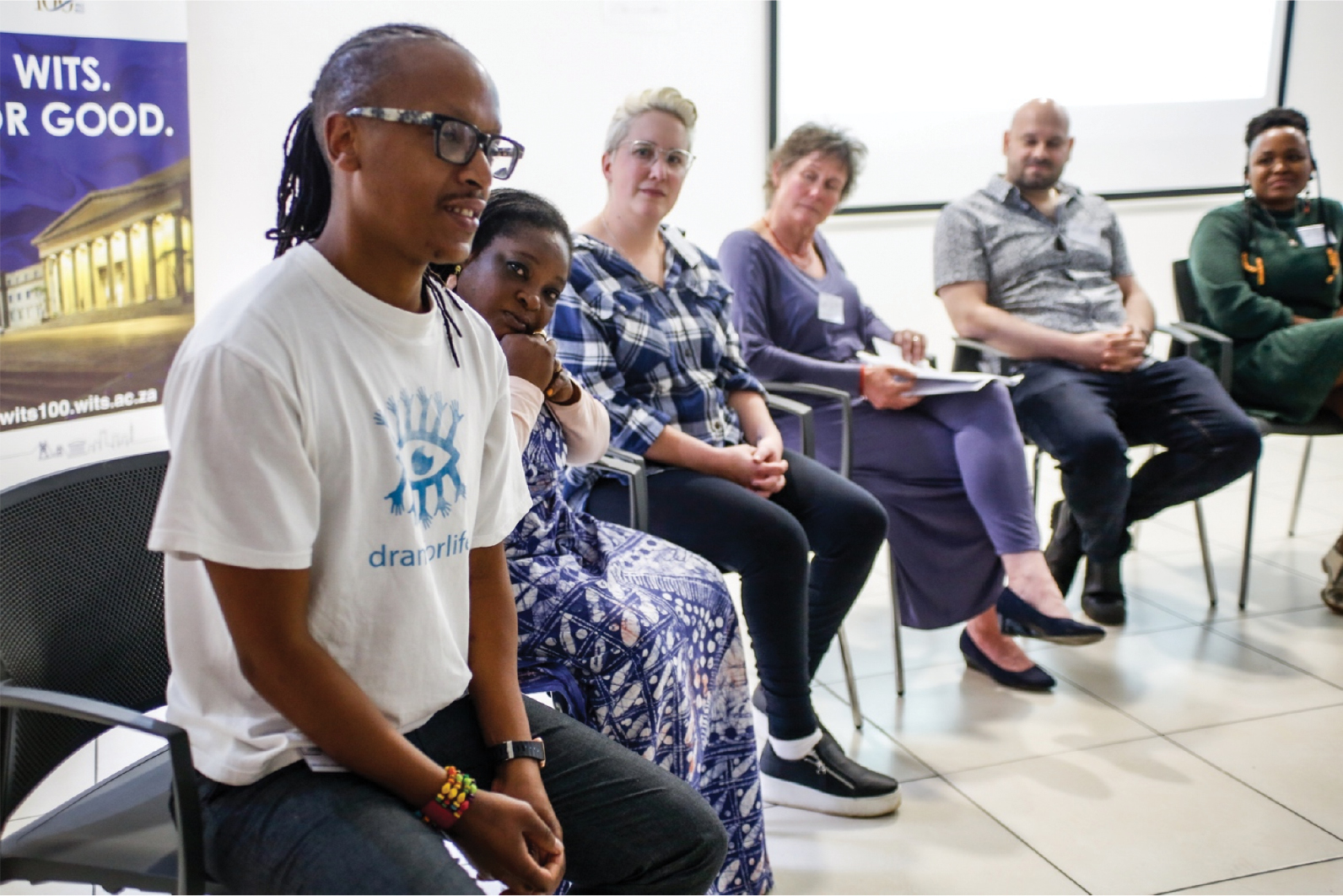
Figure 5 - The round-up of all players who took on the role of the Zulu. Photographer: Zivanai Matangi.
The first question was what the Zulu meant by “at least he is a man”. There is a lightness and unusual diversity in responses. No-one feels that they need to get the answer right. Each participant who answered did so from their point of view. I am surprised and pleased. It must be an unintended outcome of Nobantu not reading her own story and no one feeling as if there is an expert in the room that can catch them out if they get it wrong.
The second question did not make it into my journal, as I was more focused on the impact of the original author’s absence. Although I previously believed the original teller needed to be part of the performance for redemption, I am now reconsidering. Collective redemption might be possible if everyone takes ownership of societal issues like xenophobia.
Next, I enroll the audience as the Shangaan man and ask if they have any responses. From my research journal:
A woman says that she just wants to tell the Zulu, that she (the Shangaan man) bleeds the same colour blood as a woman does. While we did not have time to interrogate it, I am aware of the possibilities of this question. I want to ask her out of role what made her ask the question and if anything may have shifted for her as a woman in relation to men—particularly men that are foreign national? I am so curious about the complexities this question opens.
A Zimbabwean man responds by saying he would leave quickly because the group’s hostility was already too overwhelming to make any other response possible. I write in my journal:
I do not think any form of redemption could occur then and there. I would have wanted to ask the audience member as the Shangaan man what he might be thinking as he walks away. But my sense is that there is a devastating acceptance of the xenophobia rather than the awareness of a possibility to reconcile? Did this story not open that possibility? The time was up, and I cannot find out now.
STORI 1: Reflection (for the Participants) Continues
In applied drama and theater, in-role reflection is powerful but insufficient, and out-of-role reflection (the reward part of this story moment) did not occur. I simply de-rolled the audience and thanked them (Figure 6). Later, colleagues and I discussed the performance form, and unfortunately, not the theme of xenophobia or redemption.
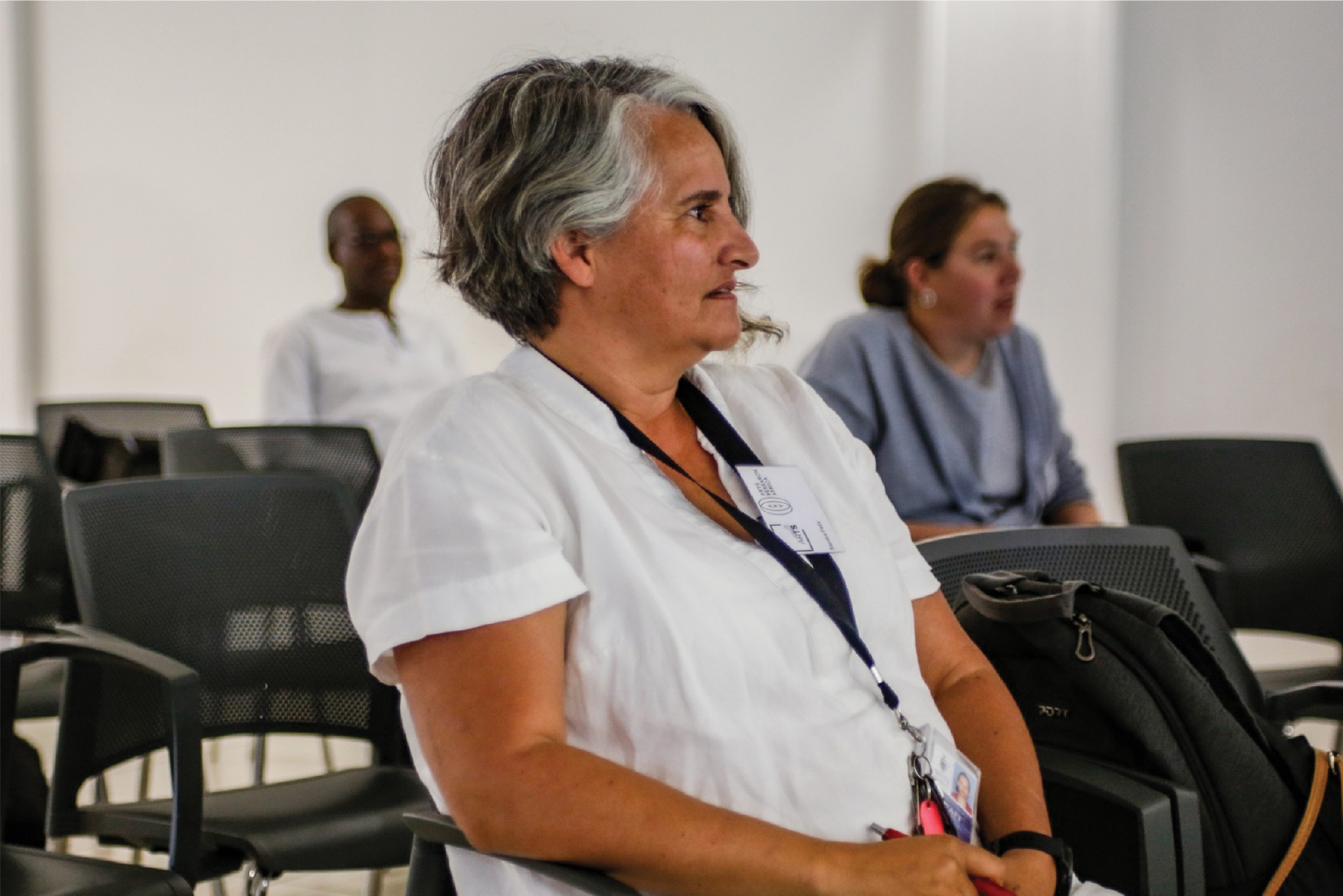
Figure 6 - An audience participant reflects. Photographer: Zivanai Matangi.
One colleague remarked: “It was an intriguing form. Very interesting. Surprisingly untheatrical (non-performative) yet compelling.” Another noted its reflective effect:
The redemptive theater model is interesting at many levels, the first and personal level is that evokes genuine feelings as one watches the reading, the second level is that it facilitates conversation amongst participants and the third level is that the interaction of participants is multifaceted, and this includes silence and sometimes tension in the room. Finally, is that it is deeply reflective particularly on one’s positionality in relation to the matter being explored.
The note on lack of theatricality made me think about the reflecting role humor plays in theater when working with stereotypes and especially when to interrogate stereotypes. The inexperience of the players made them miss the comic timing of funny moments in the script.
The original author could not attend due to transportation issues, which was ironic given the story’s content. In past performances, authors found integrating challenging parts of their identity deeply impactful. I wonder if watching the performance has the same effect as participating, given the benefits of not having the author on stage.
STORI 1: Integration (for the Participants)
Participants integrate when they express an intention to act differently or validate existing beliefs. Limited reflection time provided little evidence of integration, but in a previous redemptive process, a colleague became so intrigued by the work that she started her own redemptive performance to address racism at her institution. We continue to share notes on our work.
Conclusion
Treating the ARA performance as a report on findings allowed me to present the structure and workings of RT. I explained the SNE model and described the process. Because of limited reflection, I could not fully assess the changes we tested, but I plan to test them again with more time.
Key questions that emerged:
What is the effect of removing the author from the players?
How does controlling the “silence says” slide impact these moments?
What are the effects of enrolling the audience alongside the players?
What becomes possible for redemption with these changes?
What role does humor play in facilitating forgiveness?
How does playing oneself as the author compare to witnessing the story?
We look forward to exploring these questions in the next RT performance experiment.
About the Author
Dr. Petro Janse van Vuuren is a Senior Lecturer and PhD Programme Coordinator at Drama for Life, University of the Witwatersrand School of Arts. Her research explores applied performance, strategic narrative embodiment, and arts-based methodologies for social change, organisation development, and pedagogy. She has published in international journals and edited volumes on democracy, online embodiment, and improvisational leadership. Petro co-leads interdisciplinary projects on healing arts and community engagement, and serves on the national panel for creative research evaluation.
Author to whom correspondence should be addressed; E-Mail: petro.jansevanvuuren@wits.ac.za
Acknowledgement
Thanks to the Theatre and Democracy: Building Democracy in Post-war and Post-democratic Contexts project, UTF 2017-four-year/10001, which was funded by DIKU Norwegian Directorate for Excellence in Education.
Conflicts of Interest
The author declares no conflict of interest.
References
Barba, E. (1995). Dictionary of theatre anthropology: The secret art of the performer. London and New York: Routledge. | |
Boal, A. (1979). Theatre of the oppressed. London: Pluto Press. | |
Boal, A. (1992). Games for actors and non-actors. London and New York: Routledge. | |
Booth, D. W., & Lundy, C. J. (1985). Improvisation: Learning through drama. Toronto: Harcourt Brace Jovanovich. | |
Bowell, P., & Heap, B. S. (2001). Planning process drama. London: David Fulton Publishers. | |
Campbell, J. (1988a). The hero with a thousand faces. London: Paladin Grafton Books. | |
Campbell, J. (1988b). The power of myth. New York: Doubleday. | |
Chen, J. (2019). The redemptive power of theatre and the pursuit of justice in Our Country’s Good. Sino-US English Teaching, 16(1), 33–40. DOI: 10.17265/1539-8072/2019.01.005. | |
Crush, J., & Ramachandran, S. (2014). Xenophobic violence in South Africa: Denialism, minimalism, realism. Waterloo, ON: Southern African Migration Programme. | |
Human Rights Watch. (2023). Xenophobia rears its ugly head in South Africa. Human Rights Watch. Retrieved from https://www.nationaldrama.org.uk/keeping-promises-a-strategic-narrative-embodiment-model-for-designing-social-change-interventions/. | |
Hunter, J. D. (1991). Culture wars: The struggle to define America. New York: Basic Books. | |
Izzo, G. (1998). Acting interactive theatre: A handbook. Portsmouth: Heinemann. | |
Janse van Vuuren, P. (2016). Keeping promises: A strategic narrative embodiment model for designing social change interventions. Drama Research, 7(1), 1–23. | |
Johnstone, K. (1981). Impro: Improvisation and the theatre. London: Methuen. | |
Kanira, E. (1997). A mythic journey. In D. Davis (Ed.), Interactive research in drama in education (pp. 42–56). London: Trentham Books. | |
Khutsoane, T., Janse van Vuuren, P., & Nkosi, L. (2021). Redemptive theatre: When the performance is in the silence. In P. Janse van Vuuren, B. Rasmussen, & A. Khala (Eds.), Theatre and democracy: Building democracy in post-war and post-democratic contexts (pp. 163–172). Oslo, Norway: Cappelen Damm Akademisk. DOI: 10.23865/noasp.135.ch08. | |
Lévi-Strauss, C. (1963). Structural anthropology (C. Jacobson & B. Schoepf, Trans.). New York: Basic Books. | |
Misago, J. P. (2016). Political mobilisation as the trigger of xenophobic violence in post-apartheid South Africa. International Journal of Conflict and Violence, 10(1), 9–21. | |
Ronson, J. (2024). Things fell apart. BBC Sounds and Radio 4. | |
Shabangu, N. (2022). The reckoning of the Zulu. Johannesburg: University of the Witwatersrand. | |
Turner, V. (1982). From ritual to theatre: The human seriousness of play. Maryland: PAJ Publications. | |
Turner, V. (1990). Are there universals of performance in myth, ritual and drama? In R. Schechner & W. Appel (Eds.), By means of performance (pp. 8–18). Cambridge: Cambridge University Press. | |
Vogler, C. (1998). The writer’s journey: Mythical structure for storytellers and screenwriters. London: Michael Wiese Productions. |