Development of Children’s Creativity Through Collaborative Learning with Parents: A Case Study of Indonesia
Volume 11, Issue 1, Pages 168-183
Abstract
Learning is said to be successful if it involves all students. Active communication and collaboration between students, between students and teachers, and between students and parents are essential to produce quality learning. Achieving success in early childhood education cannot be separated from the role of teachers and parents. This study investigates the effectiveness of collaborative learning with parents in enhancing the creativity of kindergarten children in Rembang District through collage art based on natural materials. Using a quasi-experimental design with 150 participants, data were collected via questionnaires and analyzed using reliability tests and non-parametric tests. Results indicate significant improvements in children’s creativity scores, underscoring the importance of collaborative learning and creative activities in early childhood education. These findings offer valuable insights for educators and policymakers aiming to foster holistic development in children.
摘要
如果所有学生都参与其中,学习就被认为是成功的。学生之间、学生与教师之间、学生与家长之间的积极沟通与合作对于实现高质量的学习至关重要。幼儿教育的成功离不开教师和家长的作用。本研究调查了通过基于天然材料的拼贴艺术与家长合作学习对 Rembang 区幼儿园儿童创造力的提升效果。采用 150 名参与者的准实验设计,通过问卷收集数据,并使用信度测试和非参数测试进行分析。结果表明,儿童的创造力得分显著提高,强调了合作学习和创造性活动在幼儿教育中的重要性。这些发现为旨在促进儿童全面发展的教育工作者和政策制定者提供了宝贵的见解。
Keywords
collaborative learning, creative ability, collage art based on natural materials.
关键词
合作学习, 创造能力, 基于天然材料的拼贴艺术.
History
Received 01 February 2025
Accepted 01 April 2025
Open Access
This is an open access article.
Introduction
The role of collaborative learning, particularly parental involvement, has become increasingly significant in early childhood education. Collaborative learning refers to an educational approach in which individuals work together to achieve shared goals and develop knowledge through active group interactions. This method is characterized by mutual engagement, the exchange of ideas, and active participation, fostering deeper understanding and promoting critical thinking. In early childhood education, parental involvement is essential, as parents play a crucial role in shaping their children’s educational development (O’Donnell & Hmelo-Silver, 2013). Active parental participation leads to improved academic outcomes and enhanced creativity. Collaboration between parents and educators in early childhood settings is particularly impactful, as it supports the foundational skills and attitudes toward learning that children carry into later stages of education. By partnering with parents, teachers create a holistic learning environment that extends beyond the classroom and integrates learning into the home (Armadi et al., 2018).
Creativity is a vital component of young children’s development, closely tied to their ability to generate new ideas, think critically, and solve problems. Encouraging creativity helps children develop life skills that will benefit them both academically and personally (Suryana et al., 2022). According to Binsa et al. (2022), one effective way to nurture creativity is through art, specifically collage-making. Collage art involves assembling diverse materials to create something new, which not only fosters creativity but also improves fine motor skills, spatial awareness, and abstract thinking. When natural materials are incorporated into collage-making, children are introduced to environmental concepts and learn to appreciate and utilize resources from nature. This practice aligns with sustainability and environmental education, which have become increasingly important in contemporary educational practices.
In the Rembang District, collaborative learning involving parents has been implemented to enhance children’s creativity in collage-making using natural materials. This approach is based on the understanding that children thrive in environments where they receive academic and emotional support from both parents and teachers. By engaging in joint art projects, children strengthen their creative abilities while building closer bonds with their parents, fostering a positive attitude toward learning. Schools in Rembang District have recognized that active parental involvement is key to maximizing educational outcomes. To this end, initiatives such as workshops, joint art activities, and ongoing communication between teachers and parents have been introduced to support children’s learning both at school and at home. Utilizing natural materials in collage projects is particularly meaningful in Rembang, where local resources are abundant. Children not only develop creative skills but also cultivate a sense of connection to their community and environment, promoting values of sustainability and resourcefulness.
However, fostering creativity in young children presents several challenges. Traditional educational models often emphasize rote learning and standardized testing, which can stifle children’s natural curiosity and creativity. In Rembang District, these challenges are compounded by limited access to creative materials and insufficient parental engagement due to time constraints, lack of understanding, or limited resources (Leggett, 2017). Teachers may also lack the training needed to effectively implement creative activities using natural materials. Therefore, this study aims to analyze the effectiveness of collaborative learning with parents in improving children’s creativity through collage-making using natural materials in kindergartens in the Rembang District.
Theoretical Framework
The theoretical framework in Figure 1 outlines the existing conditions and desired outcomes for students in the Rembang District. Currently, students show limited proficiency in collage art and are not familiar with collaborative learning models that involve their parents. The aim is to enhance students’ skills in collage-making and improve learning outcomes through parental collaboration. This contrast between the current situation and future goals forms the central problem: assessing how collaborative learning with parents can foster children’s creativity in creating collage art using natural materials in kindergartens in the Rembang District.
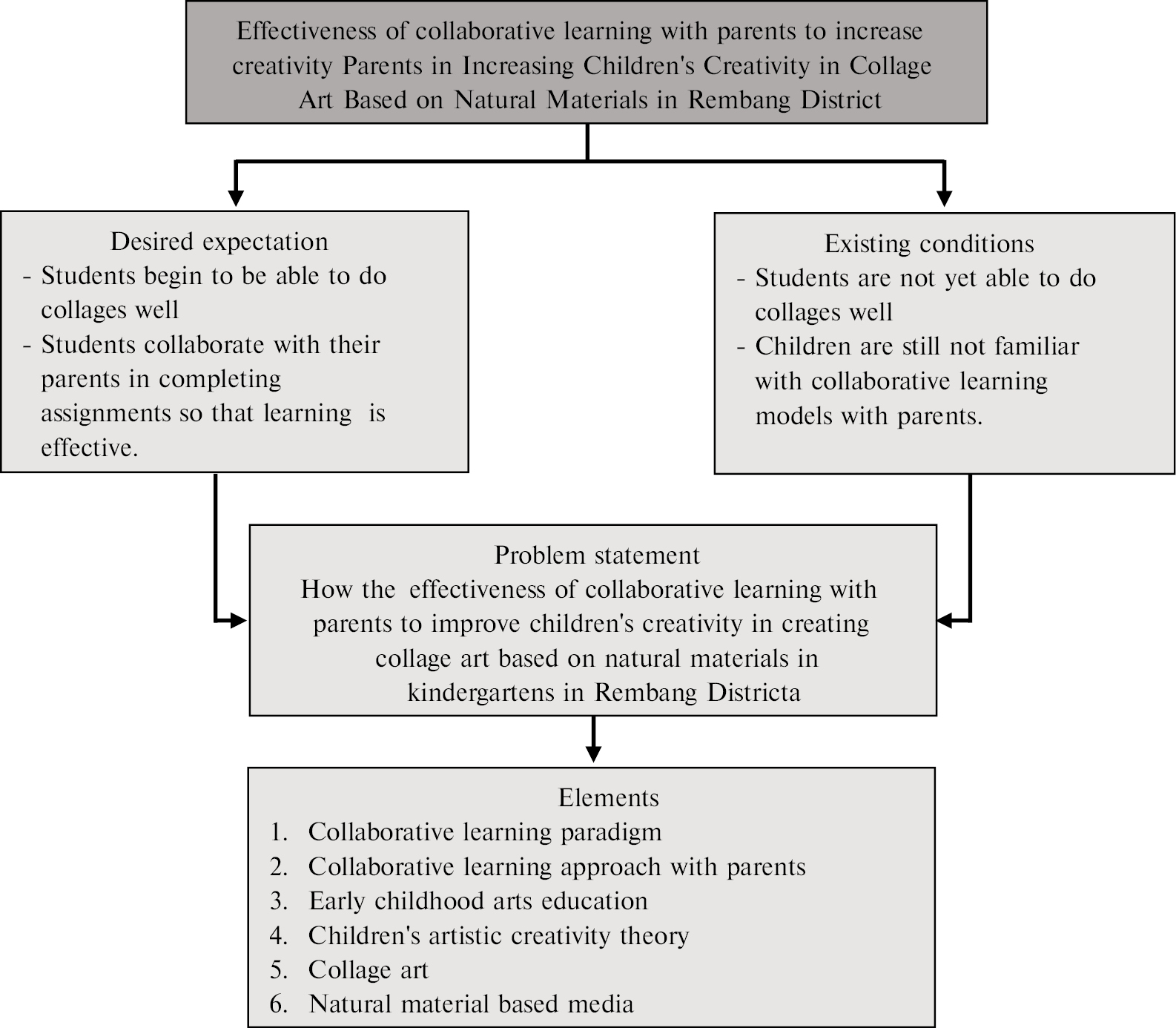
Figure 1 - Theoretical framework of research.
Six key elements form the basis of this framework: (1) collaborative learning paradigm, (2) collaborative learning with parents, (3) early childhood arts education, (4) children’s artistic creativity theory, (5) collage art, and (6) natural material-based media. These elements provide both the theoretical and practical foundation for the study. Vygotsky’s socio-constructivist theory highlights the importance of social interaction and collaboration in cognitive development, supporting the idea that involving parents in the learning process enhances children’s learning (Dias, 2019).
Parental involvement is another vital aspect supported by research. Epstein’s framework of six types of parental involvement shows the diverse ways parents contribute to their children’s education. Active parental engagement is linked to better academic achievement, improved school attendance, and more positive attitudes toward learning, especially in early childhood, where foundational skills are established (Caño et al., 2016). The integration of natural materials in art projects is an innovative method that aligns with place-based education principles. Using local, natural materials for collage art fosters creativity while promoting environmental awareness and sustainability. This is particularly relevant in Rembang District, where connecting children with their environment through educational activities is vital.
The implementation of collaborative learning activities, as highlighted in the framework, faces several challenges. Time constraints and logistical issues are significant barriers for many parents, particularly those with demanding work schedules. Schools can address these issues by offering flexible participation options and providing resources that parents can use at home. Additionally, some parents may lack confidence in their artistic abilities or feel uncertain about how to support their children’s creativity. Providing training and support for parents can help build their confidence and equip them with the skills needed to effectively participate in their children’s learning (Mustafa et al., 2022). Cultural and language barriers also pose challenges in diverse communities. Schools should provide translation services and cultural competency training for staff to ensure all families feel welcome and supported.
The hypothesis of this research is:
Ho1: Collaborative learning with parents does not significantly enhance the creativity of kindergarten children in creating collage art using natural materials in Rembang District.
Ha: Collaborative learning with parents significantly enhances the creativity of kindergarten children in creating collage art using natural materials in Rembang District.
Literature Review
Collaborative Learning
Collaborative learning is an educational approach in which students work together in groups to achieve shared goals. Rooted in socio-constructivist theories, particularly those of Vygotsky, it emphasizes the role of social interaction in cognitive development. Lantolf (2000) argues that learning is a social process, with knowledge constructed through interactions with peers and more knowledgeable individuals. In this method, students engage in dialogue, share diverse perspectives, and collaborate to solve problems, which enhances both their understanding and retention of information. This approach contrasts with traditional models that focus on individual work and competition. Collaborative learning fosters a sense of community and shared responsibility, making learning more engaging and supportive.
The benefits of collaborative learning are extensive. Beyond improving academic performance, it helps students develop crucial social and emotional skills. Research consistently shows that students in collaborative learning environments achieve higher academic outcomes, demonstrate better critical thinking, and retain information more effectively than those in traditional settings. A key advantage is its ability to promote critical thinking, as exposure to diverse viewpoints encourages students to evaluate their ideas and consider alternative solutions. Moreover, collaborative learning develops essential communication skills, as students must articulate their ideas clearly and listen to others, competencies vital for academic and professional success (Laal & Ghodsi, 2012).
Additionally, collaborative learning fosters social skills such as teamwork, empathy, and conflict resolution. Group work teaches students to cooperate, respect different perspectives, and resolve conflicts constructively, essential for positive relationships and effective participation in a diverse society. In early childhood education, where learning is often play-based, collaborative learning is particularly valuable. It supports the development of communication, problem-solving, and critical thinking skills at an early age. Activities like group projects, collaborative art, and team-based games help children develop cooperation and negotiation skills, which are crucial for their overall development (Dovigo, 2016).
However, challenges such as managing group dynamics and assessing individual contributions can hinder collaborative learning. Issues like unequal participation and dominant group members require teachers to facilitate group work effectively. These challenges are even more pronounced in early childhood settings, where children are still developing social and communication skills, making additional guidance from educators essential (Zisopoulou, 2019).
Parental Involvement in Education
Parental involvement in education is a key factor in promoting children’s academic success and overall development. Epstein’s framework outlines six types of parental involvement—parenting, communicating, volunteering, learning at home, decision-making, and collaborating with the community—highlighting the various ways parents can support their children’s education. This involvement is especially important in early childhood education, where foundational skills and positive learning attitudes are established. Research consistently links parental engagement to improved educational outcomes. According to Caño et al. (2016), children with actively involved parents tend to achieve higher academic success, have better school attendance, and develop more positive attitudes toward learning. Park and Holloway (2017) add that such children also demonstrate higher motivation, better self-esteem, and fewer behavioral problems.
In early childhood education, parental involvement plays a critical role in helping children feel secure and confident in their learning environment. This support fosters a willingness to participate in classroom activities and take on new challenges. Schools and educators can enhance parental involvement by establishing regular communication with parents through parent-teacher conferences, newsletters, and emails. According to Mo and Singh (2008), consistent communication keeps parents informed about their child’s progress and enables timely intervention when issues arise.
Creating opportunities for parents to participate in school activities and decision-making processes is another effective strategy. Schools can organize events such as open houses, workshops, and volunteer programs to encourage parental involvement. Including parents in school committees and decision-making bodies helps build a sense of investment and commitment to their child’s education. Additionally, schools can provide resources and training to help parents support learning at home, as suggested by Harris and Goodall (2008).
Challenges such as time constraints, lack of confidence, and cultural or language barriers may hinder parental involvement. Schools can address these issues by offering flexible participation options, providing resources and training, and fostering an inclusive environment through translation services and cultural competency training (Pomerantz et al., 2007).
Creativity in Early Childhood Education
Creativity in early childhood education is vital for cognitive, social, and emotional development. During these formative years, children explore the world, express their ideas, and develop problem-solving skills. Nurturing creativity brings numerous benefits, including enhanced academic performance, improved social interactions, and emotional well-being (Cheung, 2010). Yildirim and Yilmaz (2023) define creativity as the ability to generate novel and valuable ideas, emphasizing its role in fostering independent thinking and exploration. Creativity extends beyond artistic expression, encompassing divergent thinking, flexibility, and essential problem-solving skills for children’s overall development.
Fostering creativity is crucial for cognitive growth, as it enhances critical thinking and problem-solving abilities. Creative activities encourage children to explore different perspectives and develop innovative solutions, which are key to success both academically and in real life. Masruroh (2021) highlight how creativity in early education promotes critical thinking and problem-solving, while Iksan et al. (2020) note that it nurtures imagination and the generation of unique ideas, essential for cognitive development.
One effective way to encourage creativity in young children is through collage art using natural materials. This activity stimulates creative thinking while refining fine motor skills. Children select, arrange, and glue materials like leaves and twigs, fostering exploration of textures and forms. Collaborative learning also plays a crucial role, as group creative projects enhance peer interaction and teamwork. Widiarta et al. (2017) found that collaborative learning significantly boosts children’s creative thinking abilities.
Collaboration with parents and teachers further nurtures creativity. Yusri et al. (2020) demonstrate that parental involvement, particularly in activities like natural collage-making, enhances children’s creativity. Kaukab (2016) underscores that parental participation increases children’s motivation and creates a conducive environment for creative exploration.
Despite these benefits, fostering creativity faces challenges, particularly with traditional approaches that emphasize rote learning and standardized testing. To address this, educators should adopt flexible, child-centered teaching methods that prioritize creativity. Professional development programs focused on creative teaching strategies can also equip teachers with the skills necessary to effectively integrate creativity into early childhood education (Maghfuroh, 2020).
Collage Art as a Medium for Creativity
Collage art, a dynamic visual arts medium involving the assembly of various materials onto a single surface, plays a significant role in fostering creativity in early childhood education. Derived from the French term “coller,” meaning to glue, collage art enables children to explore their imagination through the use of diverse textures, colors, and shapes. This creative process not only nurtures their ability to think divergently but also encourages them to experiment with multiple possibilities. Rahmawati et al. (2023) highlight that collage art enhances children’s cognitive abilities, allowing them to think critically, create freely, and express their unique ideas. Additionally, the process helps improve fine motor skills, concentration, and understanding of different textures and materials.
Collage art can employ various techniques, each contributing differently to children’s creative development. For instance, using natural materials like leaves, seeds, and stones introduces children to the textures and forms found in nature, stimulating sensory exploration and fostering environmental awareness. Nurkhasanah (2017) emphasizes that this approach not only reduces waste but also promotes sustainability. Furthermore, using recycled materials in collage art teaches children the value of repurposing, as noted by Palintan and Saria (2018). Collages made from materials such as paper, fabric, and wood help children understand the properties and creative possibilities of different substances.
Themed projects, such as collages of animals or landscapes, offer additional educational opportunities. Yusri et al. (2020) demonstrate how using natural materials to depict animals enhances both creativity and environmental knowledge. Collaborative projects, where children work together on large collages, build teamwork, communication, and problem-solving skills, essential for their future learning and development. With the involvement of parents and teachers, children receive the guidance and support needed to fully explore their creative potential, making collage art a valuable tool for holistic development in early childhood education.
Methodology
The study employs a quasi-experimental design with a pre and post-test control group, ideal for comparing creativity levels before and after the intervention (Muse & Baldwin, 2021). Stratified random sampling was used to ensure a representative sample, accounting for population variations. A total of 150 children from five schools—TK Al Furqon, TK Muslimat NU, TK Permata Bunda, TK Al Ihsan, and TK Aisyiyah—were selected. The sample size was determined through statistical power analysis to detect meaningful differences in creativity outcomes.
A pre-test was conducted to assess the baseline creativity levels of both the experimental and control groups using a validated 25-item creativity questionnaire. The experimental group then participated in an 8-10 week collaborative learning intervention, where parents and children worked together on collage art projects using natural materials like leaves and twigs. The control group continued their regular classroom activities without collaborative learning sessions. This design aimed to evaluate the effect of parental involvement on children’s creativity.
After the intervention, a post-test using the same creativity assessment was administered to both groups. The pre and post-test results were compared to assess the intervention’s impact. Data analysis included descriptive statistics, normality tests, reliability and validity assessments, and hypothesis testing, conducted using SPSS version 26 (IBM Corp., Armonk, NY, USA). This analysis determined the effectiveness of the collaborative learning intervention in enhancing children’s creativity.
Results
Based on Table 1, all 30 items evaluated in this validity test have correlation coefficients (RCount) greater than the critical value (RTable = 0.239). Therefore, all items are considered valid, indicating that they are appropriate for measuring the constructs of collaborative learning and creativity in the context of this research. This robust validity ensures that the questionnaire items effectively capture the intended variables, providing reliable data for analysis.
| No. | Item | RCount | RTable | Description |
|---|---|---|---|---|
| 1 | X1 | 0.579 | 0.239 | Valid |
| 2 | X2 | 0.564 | 0.239 | Valid |
| 3 | X3 | 0.514 | 0.239 | Valid |
| 4 | X4 | 0.523 | 0.239 | Valid |
| 5 | X5 | 0.612 | 0.239 | Valid |
| 6 | X6 | 0.715 | 0.239 | Valid |
| 7 | X7 | 0.668 | 0.239 | Valid |
| 8 | X8 | 0.541 | 0.239 | Valid |
| 9 | X9 | 0.600 | 0.239 | Valid |
| 10 | X10 | 0.422 | 0.239 | Valid |
| 11 | X11 | 0.733 | 0.239 | Valid |
| 12 | X12 | 0.585 | 0.239 | Valid |
| 13 | X13 | 0.753 | 0.239 | Valid |
| 14 | X14 | 0.746 | 0.239 | Valid |
| 15 | X15 | 0.679 | 0.239 | Valid |
| 16 | X16 | 0.742 | 0.239 | Valid |
| 17 | X17 | 0.551 | 0.239 | Valid |
| 18 | X18 | 0.603 | 0.239 | Valid |
| 19 | X19 | 0.559 | 0.239 | Valid |
| 20 | X20 | 0.638 | 0.239 | Valid |
| 21 | X21 | 0.678 | 0.239 | Valid |
| 22 | X22 | 0.664 | 0.239 | Valid |
| 23 | X23 | 0.805 | 0.239 | Valid |
| 24 | X24 | 0.672 | 0.239 | Valid |
| 25 | X25 | 0.848 | 0.239 | Valid |
| 26 | X26 | 0.755 | 0.239 | Valid |
| 27 | X27 | 0.694 | 0.239 | Valid |
| 28 | X27 | 0.621 | 0.239 | Valid |
| 29 | X29 | 0.591 | 0.239 | Valid |
| 30 | X30 | 0.267 | 0.239 | Valid |
Table 2 presents the results of the validity test for 25 items, labeled Y1 to Y25. The validity of each item is assessed by comparing the correlation coefficient (RCount) of each item with the critical value from the correlation table (RTable), which is 0.239. All 25 items evaluated in this validity test have correlation coefficients (RCount) greater than the critical value (RTable = 0.239). Therefore, all items are considered valid, indicating that they are appropriate for measuring the constructs of collaborative learning and creativity in the context of this research. This robust validity ensures that the questionnaire items effectively capture the intended variables, providing reliable data for analysis.
| No. | Item | RCount | RTable | Description |
|---|---|---|---|---|
| 1. | Y1 | 0.452 | 0.239 | Valid |
| 2. | Y2 | 0.336 | 0.239 | Valid |
| 3. | Y3 | 0.590 | 0.239 | Valid |
| 4. | Y4 | 0.624 | 0.239 | Valid |
| 5. | Y5 | 0.643 | 0.239 | Valid |
| 6. | Y6 | 0.621 | 0.239 | Valid |
| 7. | Y7 | 0.518 | 0.239 | Valid |
| 8. | Y8 | 0.346 | 0.239 | Valid |
| 9. | Y9 | 0.510 | 0.239 | Valid |
| 10. | Y10 | 0.236 | 0.239 | Valid |
| 11. | Y11 | 0.586 | 0.239 | Valid |
| 12. | Y12 | 0.682 | 0.239 | Valid |
| 13. | Y13 | 0.663 | 0.239 | Valid |
| 14. | Y14 | 0.780 | 0.239 | Valid |
| 15. | Y15 | 0.566 | 0.239 | Valid |
| 16. | Y16 | 0.677 | 0.239 | Valid |
| 17. | Y17 | 0.694 | 0.239 | Valid |
| 18. | Y18 | 0.784 | 0.239 | Valid |
| 19. | Y19 | 0.728 | 0.239 | Valid |
| 20. | Y20 | 0.810 | 0.239 | Valid |
| 21. | Y21 | 0.555 | 0.239 | Valid |
| 22. | Y22 | 0.544 | 0.239 | Valid |
| 23. | Y23 | 0.563 | 0.239 | Valid |
| 24. | Y24 | 0.845 | 0.239 | Valid |
| 25. | Y25 | 0.873 | 0.239 | Valid |
The reliability statistics for the variable “collaborative learning” indicate that the measurement instrument is highly reliable. With a Cronbach’s alpha of 0.954, the set of 30 items shows excellent internal consistency, meaning that the items are well-correlated and reliably measure the same underlying concept of collaborative learning. This high reliability supports the use of this instrument in the research to assess collaborative learning effectively. The Cronbach’s alpha value is 0.954, which is considered to be in the “excellent” range. A value above 0.9 typically indicates that the items have a high level of internal consistency and reliability. This high alpha value suggests that the 30 items used to measure the “collaborative learning” variable consistently reflect the same underlying construct. Table 3 presents the reliability statistics for the variable “collaborative learning” based on Cronbach’s alpha.
| Croanbanch’s alpha | No. of item |
|---|---|
| 0.954 | 30 |
The reliability statistics for the variable “creativity” indicate that the measurement instrument is highly reliable. With a Cronbach’s Alpha of 0.937, the set of 25 items shows excellent internal consistency, meaning that the items are well-correlated and reliably measure the same underlying concept of creativity. This high reliability supports the use of this instrument in the research to assess creativity effectively. The Cronbach’s alpha value is 0.937, which is considered to be in the “excellent” range. A value above 0.9 typically indicates that the items have a high level of internal consistency and reliability. This high alpha value suggests that the 25 items used to measure the “Creativity” variable consistently reflect the same underlying construct. Table 4 presents the reliability statistics for the variable “reativity” based on Cronbach’s alpha.
| Croanbanch’s alpha | No. of item |
|---|---|
| 0.937 | 25 |
An independent sample t-test was conducted to determine the significance of collaborative learning’s impact on creativity. The t-value of 22.189 was significantly higher than the critical value at a 5% significance level, leading to the acceptance of the alternative hypothesis (Ha), indicating a significant positive impact of collaborative learning on creativity. The high beta value further supports the strength of this relationship. These findings validate the effectiveness of involving parents in collaborative learning activities to enhance children’s creativity in collage art using natural materials. Table 5 presents the results of an independent sample t-test to examine the effect of the collaborative learning intervention on children’s creativity.
| Model | Unstandardized coeficients | Standardized coeficients | t | Sig. | Collinearity statistics | ||
|---|---|---|---|---|---|---|---|
| B | Std. error | Beta | Tolerance | ||||
| 1 | (Constant) | 3.866 | 4.418 | 0.875 | 0.383 | ||
| Collaborative | 0.787 | 0.035 | 0.877 | 22.189 | 0.000 | 1.000 | |
Table 6 highlights a significant difference in creativity scores between the experimental and control groups. The experimental group, which participated in collaborative learning, had a mean rank of 110.83, notably higher than the control group’s mean rank of 40.17. This suggests that collaborative learning positively impacted the creativity of the experimental group. The sum of ranks further emphasizes this, with the experimental group achieving 8312.00 compared with the control group’s 3013.00. The Mann-Whitney U value was 163.000, and the Wilcoxon W value was 3013.000, with a Z value of –10.026. Most importantly, the a p-value of .000 (p < .05) indicates a statistically significant difference between the groups. The Mann-Whitney U test results clearly demonstrate that children in the experimental group, who engaged in collaborative learning, exhibited significantly higher creativity in their collage art using natural materials than those in the control group. This finding supports the hypothesis that parental involvement in collaborative learning significantly enhances children’s creativity, highlighting the effectiveness of this educational approach.
| Group | n | Mean rank | Sum of ranks | Mann-Whitney U | Wilcoxon W | Z | Asymp. sig. (two-tailed) |
|---|---|---|---|---|---|---|---|
| Total_score | |||||||
| Experiment | 75 | 110.83 | 8312.00 | 163.000 | 3013.000 | −10.026 | .000 |
| Control | 75 | 40.17 | 3013.00 | ||||
| Total | 150 | ||||||
Based on Table 7, the descriptive statistics indicate that the experimental group, which participated in collaborative learning, has higher average creativity scores (mean = 16.0933) than the control group (mean = 8.4667). The lower standard deviation and variance in the experimental group suggest that the scores are more consistent and less dispersed than those in the control group. The negative skewness in the experimental group’s scores indicates a tendency toward higher values, while the broader range and higher variance in the control group’s scores indicate greater variability. These results support the effectiveness of collaborative learning in enhancing children’s creativity.
| Group | Statistic | Std. error |
|---|---|---|
| Total_score | 16.0933 | .25902 |
| Experiment | ||
| Mean | ||
| 95% Confidence interval for the mean | ||
| Lower bound | 15.5772 | |
| Upper bound | 16.6094 | |
| 5% Trimmed mean | 16.2593 | |
| Median | 16.0000 | |
| Variance | 5.032 | |
| Std. deviation | 2.24315 | |
| Minimum | 10.00 | |
| Maximum | 19.00 | |
| Range | 9.00 | |
| Interquartile range | 3.00 | |
| Skewness | −1.028 | 0.277 |
| Kurtosis | 0.642 | 0.548 |
| Control | ||
| Mean | 8.4667 | 0.31840 |
| 95% Confidence interval for the mean | ||
| Lower bound | 7.8322 | |
| Upper bound | 9.1011 | |
| 5% Trimmed mean | 8.2704 | |
| Median | 8.0000 | |
| Variance | 7.604 | |
| Std. deviation | 2.75746 | |
| Minimum | 5.00 | |
| Maximum | 15.00 | |
| Range | 10.00 | |
Discussion
The significant improvement in children’s creativity, as demonstrated by the data analysis, underscores the positive impact of collaborative learning. The increase in fluency, originality, elaboration, and flexibility scores highlights that children are more likely to enhance their creative abilities when engaged in creative activities with active parental involvement. These findings align with Vygotsky’s socio-constructivist theory, which emphasizes the importance of social interaction and collaborative engagement in cognitive development. By integrating collaborative learning into early childhood education through creative projects such as collage-making with natural materials, the study takes a holistic approach to fostering creativity (Dias, 2019).
Collaborative learning, which involves both parents and teachers working together with children, significantly enhances the creative process. This approach creates a supportive environment where children feel encouraged to explore their ideas freely. Research has consistently shown that collaborative learning improves children’s creative and critical thinking abilities. Sundari et al. (2023) found that collaborative learning can boost creativity by 77.9% and critical thinking by 27.1%. Parental involvement plays a crucial role in this process. Parents’ active participation not only increases children’s motivation and interest in learning but also enhances the quality of their creative outputs. Kaukab (2016) emphasizes that when parents are involved, a positive learning environment is cultivated, fostering children’s creativity and building their confidence. This deeper connection between home and school ensures a more cohesive learning experience, bridging the gap between formal education and family support.
Collage art, specifically, offers many benefits for young children’s development. By manipulating small objects and materials, children develop fine motor skills—an essential foundation for tasks such as writing and tool use. Maghfuroh (2020) highlights that activities like collage-making also enhance concentration and patience as children learn to arrange materials carefully to achieve their desired outcomes. Additionally, collage art fosters spatial awareness and problem-solving skills, as children plan how different pieces fit together, encouraging cognitive development and innovative thinking. This creative process allows them to experiment with color, texture, and composition, broadening their understanding of artistic principles and aesthetics. The children in this study responded with enthusiasm, particularly when working with materials like rice, mung beans, and corn to create their artwork. The hands-on nature of the activity prompted them to think critically and creatively as they explored various possibilities (Hariyani et al., 2021).
Parental involvement in educational activities, particularly creative projects like collage art, significantly enhances children’s learning experiences. Parents’ participation provides emotional support and practical assistance, making learning more enjoyable and effective. Children who worked on collage projects with their parents exhibited higher levels of creativity and enthusiasm. This collaboration strengthens the parent-child bond while creating a positive learning environment at home. The study’s findings indicate that parents who actively engage in their children’s education help cultivate a learning culture that extends beyond the classroom (Maruddani & Sugito, 2022). Engaging in creative activities like collage-making with natural materials encourages children to appreciate their environment and learn creatively.
Conclusion
This study demonstrates that collaborative learning with parents significantly enhances children’s creativity, particularly in collage art using natural materials in Rembang District. The notable improvement in creativity scores, coupled with positive feedback from parents and teachers, highlights the crucial role of parental involvement in early childhood education. These findings align with existing research, emphasizing the benefits of creating a supportive and interactive learning environment. The study suggests practical implications for education, including actively involving parents through collaborative projects, workshops, and communication, as well as incorporating natural materials into the curriculum to foster creativity and environmental awareness. Nature-based projects offer children hands-on experiences that encourage sustainable thinking. Furthermore, the study underscores the importance of building a strong community among parents, teachers, and students by fostering inclusive environments. Addressing cultural and language barriers through translation services and cultural competency training will further ensure that all families can participate and benefit from the educational process.
Acknowledgements
The authors gratefully acknowledge the research grant provided by the Directorate General of Higher Education, Ministry of Education and Culture of the Republic of Indonesia. The authors also extend their appreciation to Universitas Muria Kudus for its invaluable support, which was instrumental in the successful execution of this research project.
About the Authors
Nur Fajrie is a is Ph.D in Art Education, Senior Lecturer of the Faculty of Teacher Training Education, Universitas Muria Kudus, Kudus, Central Java, Indonesia. His research interest focus on art education.
Author to whom correspondence should be addressed; E-Mail: nur.fajrie@umk.ac.id; ORCID ID: https://orcid.org/0000-0002-8704-0827.
Ahmad Hariyadi is a Senior Lecturer in Faculty of Teacher Training and Education Science, Universitas Muria Kudus, Indonesia. E-mail: ahmad.hariyadi@umk.ac.id; ORCID ID: https://orcid.org/0000-0001-8344-6718.
Heradini Faizah is a Master Student in Faculty of Teacher Training and Education Science, Universitas Muria Kudus, Indonesia. E-mail: 202203056@std.umk.ac.id; ORCID ID: https://orcid.org/0009-0007-3582-9686.
Hendri Pratama is a researcher in Faculty of Technical and Vocational Education in Sultan Idris Education University, Malaysia. He is the author of publications that mainly concern theoretical and methodological aspects of vocational education, educational technology and social science. E-mail: hendripratama.tvet@gmail.com; ORCID ID: https://orcid.org/0000-0002-0985-8156.
†These authors contributed equally to this work.
Conflicts of interest
The authors declare no conflict of interest.
References
Armadi, N. W., Pudjawan, K., & Antara, P. A. (2018). Pengaruh Metode Pembelajaran Kolaboratif Terhadap Perilaku Sosial pada Anak Kelompok B di Taman Kanak-Kanak. Jurnal Pendidikan Anak Usia Dini Undiksha, 6(2), 179–188. https://doi.org/10.23887/paud.v6i2.15320. | |
Binsa, U. H., Solikhatin, M., & Irbah, A. N. (2022). Kolase Kapas: Skill Membangun Kemampuan Seni Bagi Anak Usia Dini. WISDOM: Jurnal Pendidikan Anak Usia Dini, 3(2), 192–209. https://doi.org/10.21154/wisdom.v3i2.4874. | |
Caño, K. J., Cape, M. G., Cardosa, J. M., Miot, C., Pitogo, G. R., Quinio, C. M., & Merin, J. (2016). Parental involvement on pupils’ performance: Epstein’s framework. The Online Journal of New Horizons in Education, 6(4), 143–150. | |
Cheung, R. H. P. (2010). Designing movement activities to develop children’s creativity in early childhood education. Early Child Development and Care, 180(3), 377–385. https://doi.org/10.1080/03004430801931196. | |
Dias, I. S. (2019). Socio-constructivist Pedagogies: The interaction as the foundation of the childs development and learning. In Contemporary themes in early childhood education and international educational modules (pp. 5–16). Slovenia: University of Maribor Press. | |
Dovigo, F. (2016). Argumentation in preschool: A common ground for collaborative learning in early childhood. European Early Childhood Education Research Journal, 24(6), 818–840. https://doi.org/10.1080/1350293X.2016.1239327. | |
Harris, A., & Goodall, J. (2008). Do parents know they matter? Engaging all parents in learning. Educational Research, 50(3), 277–289. https://doi.org/10.1080/00131880802309424. | |
Hariyani, T. I., Fajrie, N., & Roysa, M. (2021). Kreativitas seni melalui metode collective painting. Jurnal Prasasti Ilmu, 1(2), 27–33. https://doi.org/10.24176/jpi.v1i2.6237. | |
Iksan, F., Wondal, R., & Arfa, U. (2020). Peran Kegiatan Mengecap Dalam Mengembangkan Kreativitas Anak Usia 5-6 Tahun. Jurnal Ilmiah Cahaya Paud, 2(1), 138–149. https://doi.org/10.33387/cp.v2i1.2109. | |
Kaukab, S. R. (2016). The impact of parent/family involvement on student’learning outcomes. International Journal of Research-Granthaalayah, 4(10), 72–81. https://doi.org/10.5281/zenodo.164925. | |
Laal, M., & Ghodsi, S. M. (2012). Benefits of collaborative learning. Procedia - Social and Behavioral Sciences, 31(2011), 486–490. https://doi.org/10.1016/j.sbspro.2011.12.091. | |
Lantolf, J. P. (2000). Introducing sociocultural theory. Sociocultural Theory and Second Language Learning, 1, 1–26. | |
Leggett, N. (2017). Early childhood creativity: Challenging educators in their role to intentionally develop creative thinking in children. Early Childhood Education Journal, 45(6), 845–853. https://doi.org/10.1007/s10643-016-0836-4. | |
Maruddani, R. T. J., & Sugito, S. (2022). Kolaborasi Guru dan Orang Tua dalam Pembelajaran Full Day School pada Masa Pandemi Covid-19. Jurnal Obsesi : Jurnal Pendidikan Anak Usia Dini, 6(4), 3771–3781. https://doi.org/10.31004/obsesi.v6i4.1731. | |
Maghfuroh, L. (2020). Kolase Daun Kering Meningkatkan Perkembangan Motorik Halus Anak Parasekolah. Jurnal Endurance: Kajian Ilmiah Problema Kesehatan, 5(2), 403–412. | |
Masruroh, N. F. (2021). Pembelajaran kolaboratif dalam membangun karakter relegius anak usia dini. Prosiding Seminar Nasional “Digital Learning Untuk Pembangunan Berkelanjutan Menuju Merdeka Belajar Kampus Merdeka”, 1, 93–99. | |
Muse, A., & Baldwin, J. M. (2021). Quasi-experimental research design. The Encyclopedia of Research Methods in Criminology and Criminal Justice, 24(1), 307–310. https://doi.org/10.1002/9781119111931.ch61. | |
Mustafa, Z., Kharuddin, A. F., Ibrahim, K. F. K., Azid, N., Pratama, H., & Rachman, N. (2022). Tornado correlation analysis on the arithmetic performance of 36-48 Month-Old Malaysian TASKA Children. Journal of Higher Education Theory and Practice, 22(13), 9–18. | |
Mo, Y., & Singh, K. (2008). Parents’ relationships and involvement: Effects on students’ school engagement and performance. RMLE Online, 31(10), 1–11. https://doi.org/10.1080/19404476.2008.11462053. | |
Nurkhasanah, S. (2017). Kolase Bahan Alam. Jurnal Abadimas Adi Buana, 1(2), 35–40. https://doi.org/10.36456/abadimas.v1.i2.a952. | |
O’Donnell, A. M., & Hmelo-Silver, C. E. (2013). Introduction: What is collaborative learning? An overview. In The international handbook of collaborative learning (1st ed., pp. 1–15). Taylor & Francis Group. | |
Palintan, A. T. A., & Saria. (2018). Penggunaan media kolase dalam meningkatkan kreativitas anak. Jurnal Pembelajaran Dan Pendidikan Anak Usia Dini, 1(1), 1–9. | |
Park, S., & Holloway, S. D. (2017). The effects of school-based parental involvement on academic achievement at the child and elementary school level: A longitudinal study. The Journal of Educational Research, 110(1), 1–16. https://doi.org/10.1080/00220671.2015.1016600. | |
Pomerantz, E. M., Moorman, E. A., & Litwack, S. D. (2007). The how, whom, and why of parents’ involvement in children’s academic lives: More is not always better. Review of Educational Research, 77(3), 373–410. https://doi.org/10.3102/003465430305567. | |
Rahmawati, H., Sobarna, A., & Mulyani, D. (2023, August). Peningkatan Kreativitas Anak Melalui Kegiatan Kolase Bahan Alam pada Kelompok B di PAUD Laskar Pelangi. In Bandung conference series: Early childhood teacher education (Vol. 3, No. 1). | |
Sundari, A., Masturoh, S., & Sianturi, R. (2023). Harmoni Pendidikan Anak Usia Dini: Menjalin Kepemimpinan Kolaboratif Antar Semua Steakholder Di TK Kartika. Jurnal PENA PAUD, 4(2), 25–36. https://doi.org/10.33369/penapaud.v4i2.30845. | |
Suryana, D., Tika, R., & Wardani, E. K. (2022, June). Management of creative early childhood education environment in increasing golden age creativity. In 6th International Conference of early childhood education (ICECE-6 2021) (pp. 17–20). Atlantis Press. https://doi.org/10.2991/assehr.k.220602.005. | |
Widiarta, I. P., Suastra, I. W., Suswandi, I., & Si, M. (2017). Efektivitas Collaborative Learning Dalam Meningkatkan Kemampuan Berpikir Kreatif Siswa SMA. Jurnal Pendidikan Fisika Undiksha, 7(2), 204–213. https://doi.org/10.23887/jjpf.v7i2.11834. | |
Yildirim, Y., & Yilmaz, Y. (2023). Promoting creativity in early childhood education. PLoS One, 18(12), e0294915. https://doi.org/10.1371/journal.pone.0294915. | |
Yusri, N., Tinggi, S., Islam, A., & Batam, S. (2020). Kolaborasi Orang Tua dan Anak Usia Dini Menciptakan Pembelajaran Menyenangkan. Jurnal Adzkiya ISSN, 4(1), 53–65. | |
Zisopoulou, E. (2019). Collaborative learning in kindergarten: Challenge or reality?. Erken Çocukluk Çalışmaları Dergisi, 3(2), 335–351. https://doi.org/10.24130/eccd-jecs.1967201932113. |