Supporting Children with Developmental Needs: Developmental Art Therapy Framework in Early Intervention
Volume 11, Issue 2, Pages 252-271
Abstract
The early years of life are critical for the development of a child’s sense of self, identity, cognitive, emotional, and social skills. However, for some children, these developments are impacted by congenital developmental delays and difficulties. Early intervention (EI) can help prevent these delays from becoming long-term challenges. Drawing on the belief that art is the natural language of all children, we posit that developmental art therapy has transformative potential when working with children with developmental delays. This article shares a structured developmental art therapy framework focusing on three core domains: creative, affective/motivational, and social/behavioral. Through practical examples and artworks, the article demonstrates how art therapy enhances children’s sense of self across these domains. The framework offers a holistic approach adaptable to the unique developmental profiles of children in EI programs, providing valuable insight for practitioners and researchers in creative arts in education and therapy.
摘要
生命的早期阶段对于儿童自我意识、身份认同以及认知、情感和社会技能的发展至关重要。然而,对于一些儿童而言,这些发展会受到先天性发育迟缓与困难的影响。早期干预(Early Intervention,EI)有助于防止这些迟缓问题演变为长期挑战。基于“艺术是所有儿童的自然语言”这一信念,我们认为发展性艺术治疗在与有发育迟缓问题的儿童合作时具有变革性潜力。本文分享了一个结构化的发展性艺术治疗框架,该框架聚焦三个核心领域:创造力、情感/动机以及社交/行为。通过实际案例和艺术作品,本文展示了艺术治疗如何在这三个领域增强儿童的自我意识。该框架提供了一种整体性方法,可适配早期干预项目中儿童独特的发展特点,为教育和治疗领域的创意艺术从业者和研究人员提供了宝贵见解。
Keywords
developmental art therapy, early intervention, creative development, affective development, social/behavioral development.
关键词
发展性艺术治疗, 早期干预, 创造性发展, 情感发展, 社交/行为发展.
History
Received 01 April 2025
Accepted 01 June 2025
Open Access
This is an open access article.
Introduction
The early years of a child’s life represent a period of unparalleled growth and development, laying the foundation for their future sense of self and well-being. During this critical developmental window, children acquire essential skills and build crucial neural pathways that would shape their long-term trajectories (Shonkoff & Phillips, 2000). However, for some children, this developmental journey is complicated by the presence of congenital developmental delays and difficulties (Guralnick, 2005). These challenges can significantly impair their ability to acquire developmentally appropriate skills, regulate their emotions, and interact effectively with the world around them. Recognizing the profound impact of early experiences on later life, early intervention (EI) programs play a vital role in mitigating the potential long-term effects of developmental delays (Chisomo, 2024; Early Childhood Development Agency [ECDA], 2024).
In Singapore, children with developmental needs have been identified as an increasingly critical public health challenge that demands innovative approaches that extend beyond hospital settings into homes, schools, and communities (Ho, 2021). This broadening of EI reflects a shift toward integrated support systems that engage not only medical and educational services but also serve as community resources for parents and caregivers. Specifically, EI programs that aim to increase the developmental growth potential of children by fostering (a) positive social-emotional relationships, (b) the acquisition and use of knowledge, and (c) learning appropriate behavior to meet needs (ECDA, 2024). Accordingly, the overarching goal of the Early Intervention Programme for Infants and Children (EIPIC) is to minimize the development of secondary disabilities while maximizing integration into mainstream educational settings.
Although the general structure and goals of EI programs in Singapore are well established through preexisting frameworks such as the Early Childhood Holistic Outcome (ECHO), it is crucial to continually examine the cultural considerations, especially within the therapeutic processes. ECHO is designed to deepen the understanding of a wide range of early environmental and social conditions that affect children’s developmental progress, from biological to community influences, which then inform EI strategies that are culturally relevant and appropriate to the United States (Park et al., 2022). However, aspects such as developmental milestones, social norms, and expectations in Singapore differ from those in ECHO’s country of origin and should be considered when designing interventions suited to the local context. To date, there is no known developmental art therapy framework specific to Singapore or other culturally similar Eastern contexts. As such, by acknowledging the cultural contexts, art therapy can be more effectively tailored to children’s specific needs, ensuring a child-centered approach.
Art therapy, a core tenet of which is the belief that art is the natural language of children, offers a unique and powerful approach within the context of EI. It provides a nonverbal means of communication and self-expression, allowing children to explore their emotions, develop creativity, and enhance social skills in a safe, supportive environment (Malchiodi, 2012; Waller, 2006). This can be particularly beneficial for children with developmental delays, who may struggle to express themselves verbally. However, despite the growing recognition of art therapy’s potential in EI settings, there remains a notable gap in the literature regarding practice-based examples and specific frameworks for its implementation (Martin, 2009; Slayton et al., 2010).
In response, this article aims to address this gap by exploring the application of a developmental art therapy framework, developed by the authors through their clinical practice within community-based Early Intervention Centres (EICs) in Singapore. Informed by the authors’ clinical experiences and grounded in developmental and art therapy theories from scholars such as Hinz (2019), Lusebrink (2004) and Malchiodi (2012), the framework provides a structured approach to developmental art therapy, incorporating developmentally appropriate practices that focus on children’s creative development, affective/motivational growth, and social/behavioral skills. By applying the framework, art therapists can foster a holistic development model, enhancing the child’s creative, emotional, and social competencies, particularly for those with developmental needs.
Challenges in Integrating Art Therapy in an EI Setting
In EI settings, the integration of art therapy with educational expectations and practices presents distinct challenges. Therapists must often balance the tension between academic assessments and art therapy due to the inherently open-ended, child-centered, process-oriented nature of therapeutic processes. In many cases, the educational framework often prioritizes measurable outcomes, such as literacy and numeracy skills, which can inadvertently marginalize creative processes that lack quantifiable results (Fleming et al., 2015). Without balancing the implementation of art therapy in educational settings, it may lead to undervaluing the impact of art therapy on emotional expression, self-regulation, and social competencies, despite its potential to enhance overall learning outcomes for children (Hetland & Winner, 2001).
When working in EIC, art therapists frequently encounter challenges between the rigid outcome-focused demands in traditional academic art settings and the fluid nature of the therapeutic process (Wengrower, 2001). Consider a scenario where a child produces what appears to be a simple drawing composed of two lines. To the untrained eye, these two lines might seem insignificant or just the act of scribbling by the child. However, in art therapy, we invite the child to describe its symbolism to uncover the deeper meaning. In some cases, the lines might be symbols for familial dynamics or emotional states. The role of an art therapist is not to grade the artwork but to hold space for the child to trust the process in a safe and supportive manner, recognizing that even minimalistic expressions can reveal rich, personal narratives. There remains a need for a delicate balance between meeting educational elements or aesthetic expectations and honoring the intrinsic, symbolic value of the creative process. Specifically for children in EI settings who are at a formative stage and often unfamiliar with art techniques, preserving the therapeutic emphasis on process and creative exploration while supporting their skill development is a challenging yet an essential task to navigate.
Art Therapy within Community-based EIC in Singapore
Within the community-based EIC, art therapists work with children aged younger than 7 years from different cultural backgrounds, reflecting Singapore’s multicultural landscape. As such, conversations about celebrations, cultural traditions, and shared cultural experiences naturally emerge during sessions, enhancing the group dynamic within a social learning environment that supports the integrated approach of art therapy in EI.
Most of the therapeutic work involves small groups of three to eight children, depending on the severity of their needs. Individual sessions are offered for selected children who might be experiencing additional challenges at home, such as living with a parent with mental health difficulties or an incarcerated parent. Session durations are tailored to meet varying needs and profiles. Generally, sessions for children with moderate-to-high needs last around 15–20 minutes, whereas those for children with low-to-moderate needs can run up to 45 minutes. For some groups of children, sessions may even extend up to an hour when they are fully immersed in the creative processes of therapy. Hence, close collaboration with teachers ensures that schedules are adjusted to honor each child’s exploration and focus while ensuring sufficient time for emotional regulation and self-expression.
Developmental Art Therapy (DAT) Framework
The developmental art therapy (DAT) framework is designed with the understanding that a child’s sense of self is built through a dynamic and holistic process of development. The framework recognizes that each child is unique and develops at their own pace, with interventions needing to be individualized to best support the child’s growth. At the same time, there are overarching domains that every child engages with during therapy, which collectively nurture their sense of self. By examining these domains in depth, we can better understand how the domains work both independently and synergistically to strengthen children’s autonomy, self-awareness, and confidence. All artworks presented in this article were created by children during the regular, weekly art therapy sessions conducted at the community-based EIC in Singapore that the authors were based at. The framework was implemented and facilitated by the authors, who are practicing art therapists working directly with the children. Consent was obtained for the use of these artworks for this article, as well as for educational and clinical practice purposes only.
The framework is structured around three core developmental domains: creative, affective/motivational, and social/behavioral development (see Table 1 for an overview). Importantly, the goal of developmental art therapy in an EIC setting is not just to work on these domains in isolation, but to integrate them into a cohesive approach that leads to a child’s sense of identity and self-expression. Art therapy supports children in expressing themselves, regulating their emotions, enhancing social connections, and ultimately building a stable and confident sense of identity (Stuckey & Nobel, 2010).
| Developmental domain | General objectives | Art therapy techniques |
|---|---|---|
| Creative |
| Sensory play (slime, goop) Drawing, painting, sculpture Exploration of various art materials |
| Affective/motivational |
| Emotional expression through art (face drawing, color exploration) Sensory exploration (tactile play with goop, slime) Guided reflection through creative dialogue |
| Social/behavioral |
| Collaborative art projects Group art activities Peer interaction during creative play |
Domain in Art Therapy
Creative Domain
The creative domain in art therapy focuses on promoting self-expression and cognitive development through creative processes. Art therapy allows children to explore various art forms, providing them with a unique opportunity to communicate their thoughts, feelings, and experiences in a nonverbal manner. By engaging in creative activities, children learn to navigate their emotions, solve problems, and develop a sense of autonomy and confidence in their abilities. Through hands-on artistic activities such as drawing, painting, or sculpting, children are not only encouraged to explore their creativity but also to gain a deeper understanding of their internal worlds (Hinz, 2019).
Engaging in the creative process also fosters resilience and problem-solving abilities (Kapitan, 2014). Art therapy encourages children to experiment with different media and techniques, providing a safe space for children to explore new creative avenues and discover new ways to express themselves. As they work through challenges and find creative solutions, children gain a sense of accomplishment and pride in their creative achievements. This process nurtures a positive sense of identity as children develop confidence in their creative abilities. Over time, children learn that they are capable of overcoming obstacles and expressing themselves authentically (Berberian & Davis, 2019).
For instance, Gina (pseudonym), a child with developmental delays and low-to-moderate needs, demonstrated how the creative domain can be activated for both self-expression and problem-solving. She was eager to sculpt her favorite cartoon pony out of clay but found herself stuck without a visual reference. When prompted to brainstorm ways to overcome this challenge, Gina recalled previous art therapy sessions where she learned the usage of a visual guide which inspired her to draw the character on paper first (see Figure 1). This significant step allowed her to use her own drawing as a guide while shaping the clay, illustrating her creativity, problem-solving skills, and autonomy highlighted in the creative domain of the framework. By taking ownership of her process from generating a visual cue to sculpting the clay, Gina gained confidence in her own creative choices and abilities. Although art therapy emphasizes the therapeutic process more than the aesthetic of the end product, it is noteworthy that Gina beamed with pride at how closely her clay pony resembled the original character, excitedly telling her peers, “Look, it is the same!”
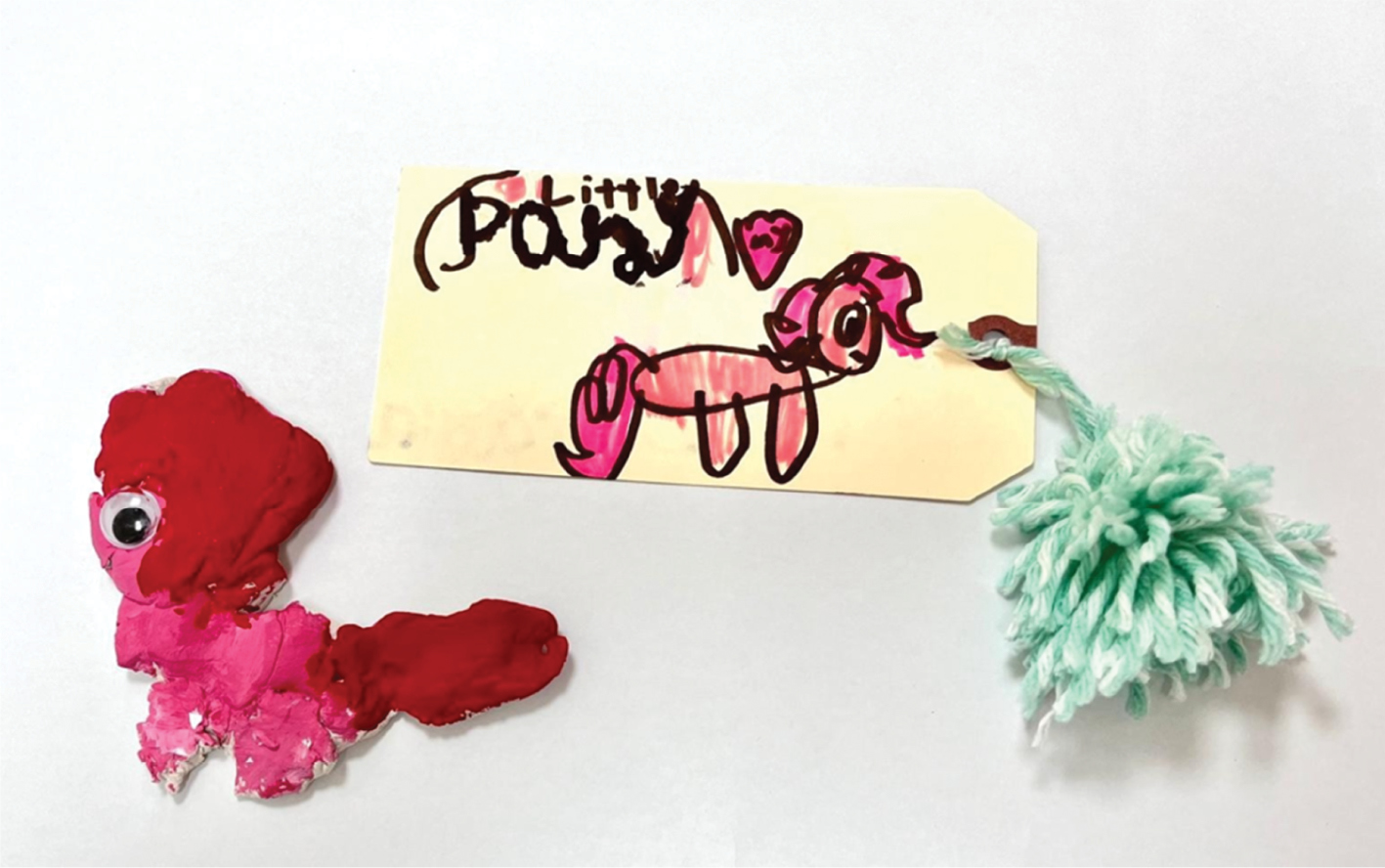
Figure 1 - Gina’s drawing and clay sculpture of a pony: mixed media (paper, handmade pompom, and clay).
The creative process not only provides a sense of achievement but also the intrinsic motivation that arises when children have agency over their creative endeavors. The ability to choose materials, colors, and forms encourages self-determination, empowering children to assert their unique preferences. By translating abstract emotional needs into tangible forms, art therapy becomes a medium for children to build their sense of self and individuality (Wadeson, 2010). Similarly, this autonomy and control over their creative choices promote confidence and a stronger connection to their developing sense of self.
Engaging in the creative process also helps children build resilience in the face of challenges. Art therapy encourages experimentation with different media and techniques, providing a safe space for children to push boundaries and discover new ways to express themselves (Moon, 2009). This process of creative discovery fosters a positive sense of identity as children develop confidence in their ability to explore and create (Karkou & Sanderson, 2006). In this way, Gina’s creative exploration exemplifies the interplay of self-expression, problem-solving skills, autonomy, and confidence that fortify growth within the creative domain.
In a different group session, children with moderate-to-high needs embarked on a creative exploration of layering watercolors with various tactile textures to form an abstract collage (see Figure 2). They experimented with different materials such as felt, glitter foam, and textured cloth, blending them with fluid watercolors to create a sensory-rich artwork. The process, which emphasized exploration over a predetermined outcome, allowed each child to engage in abstract expression without the pressure to produce a “correct creative result.” Experiencing art-making in this manner increases their sensory perception as well as encourages them to translate their internal emotional states into tangible, ever-evolving forms (Lusebrink, 2004). By embracing process art’s unpredictable and fluid nature, the children discovered that creativity thrives in the freedom to experiment, paving the way for increased autonomy and resilience.
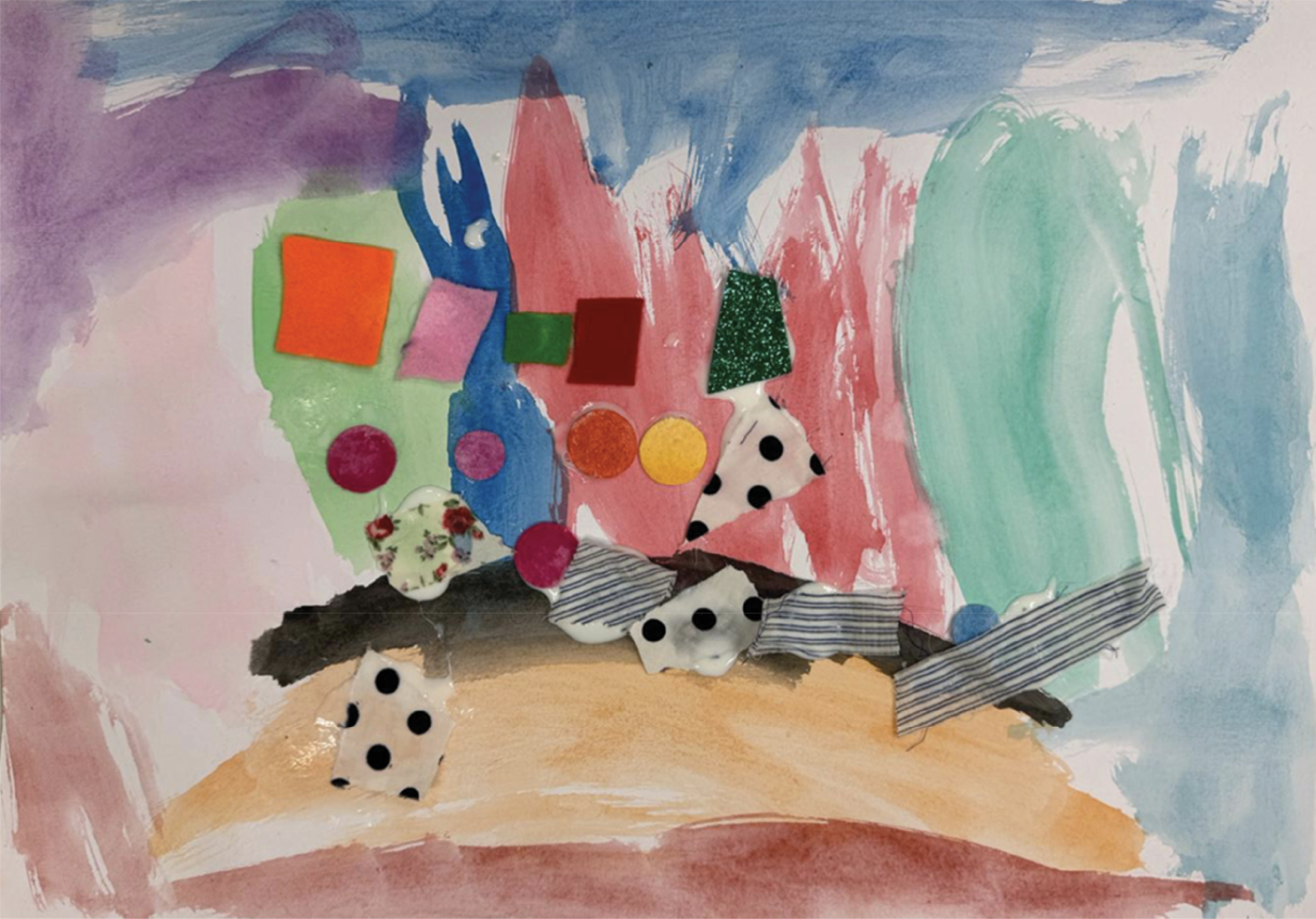
Figure 2 - Watercolor textured collage: A3 drawing block.
Affective/Motivational Domain
Next, the affective domain addresses emotional regulation, self-awareness, and motivation. Through art therapy, children are provided with opportunities to explore and express their emotions in a safe and controlled environment, which is especially valuable for children who may struggle to verbalize their feelings (Kaimal et al., 2016). The use of creative media helps children articulate complex emotional experiences that might otherwise remain unexpressed.
One of the core goals of the affective domain is to foster emotional regulation. Children learn to identify and manage their emotions through the process of creating art, which provides a therapeutic outlet for feelings such as anxiety, anger, or sadness (Oh & Chung, 2021). For instance, in a free exploration using watercolors, Rui De (pseudonym), who was initially dysregulated and upset, filled his artwork with energetic brush strokes and dots, demonstrating how he engaged in the process with great energy and movement (see Figure 3). Through the dynamic strokes, Rui De expressed his feelings while simultaneously regulating himself through the fluidity of the watercolors, achieving a cathartic release. The act of painting, full of colors and spontaneity, was helpful in supporting Rui De to process his emotions in a nonverbal manner, showcasing both emotional expression and regulation.
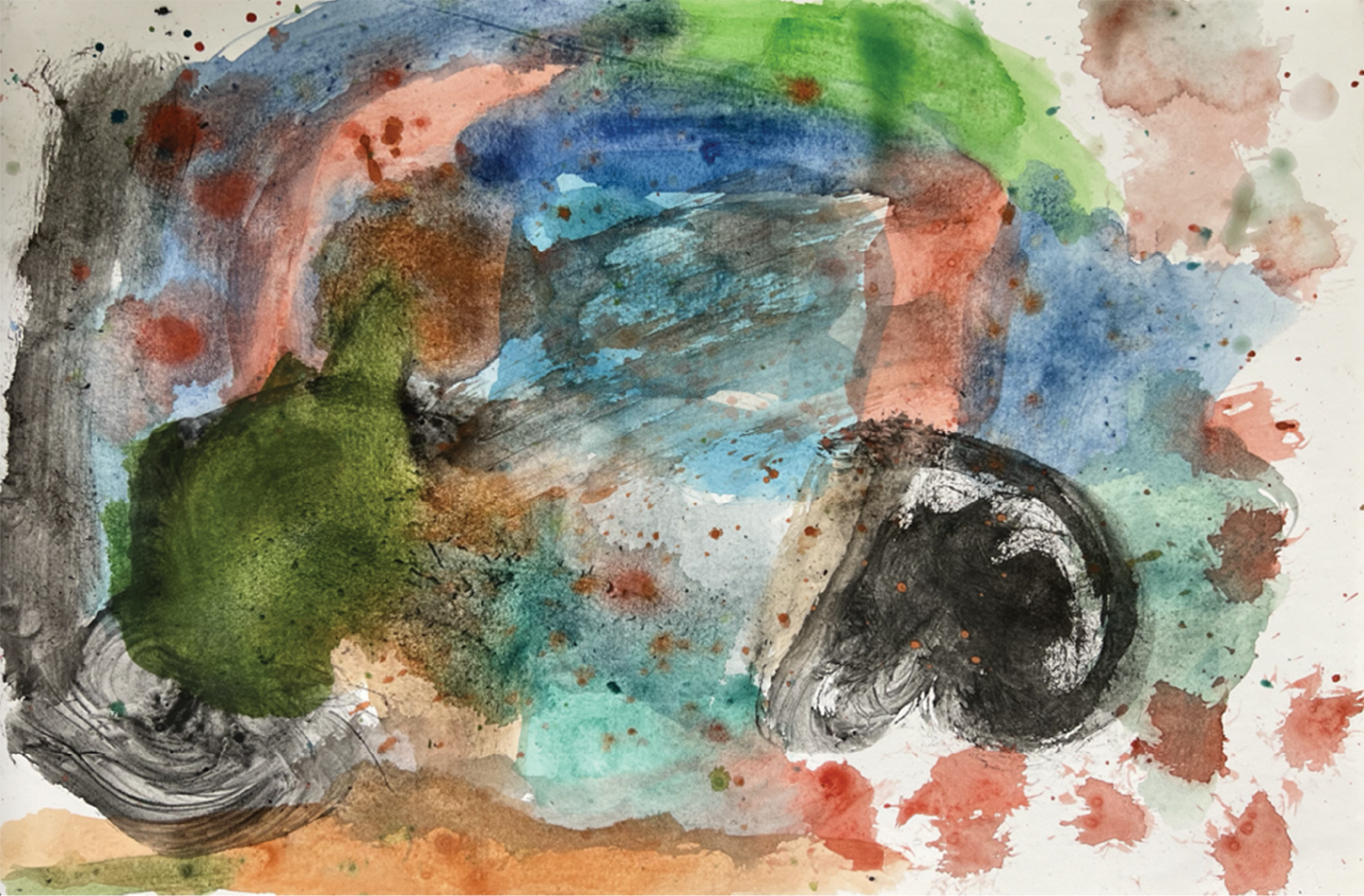
Figure 3 - Supporting emotional expression and regulation through watercolors.
Art therapy also helps children develop a stronger sense of self-awareness, which is essential for building emotional resilience and confidence. By reflecting on their artwork and engaging in discussions about their creative process, children gain insights into their emotions and develop a greater understanding of their emotional world.
For example, Candy (pseudonym), a child with low-to-moderate needs, engaged in an activity where she drew facial expressions on food coloring blobs to represent different emotions (see Figure 4). Without using references, she independently identified and depicted a range of emotions, demonstrating an emerging emotional vocabulary that she may not have previously acknowledged. By recognizing and expressing these emotions through art, Candy developed a deeper understanding of her emotional experiences. She shared moments when she had experienced these emotions, such as feeling excited when going on trips with her family or frustrated when a toy was taken from her. This storytelling process provided a bridge between her internal world and her external experiences, reinforcing the affective/motivational domain’s emphasis on self-concept and emotional regulation. By making tangible connections between her emotions and real-life situations, Candy deepened her understanding of her feelings as well as fostering greater emotional resilience.
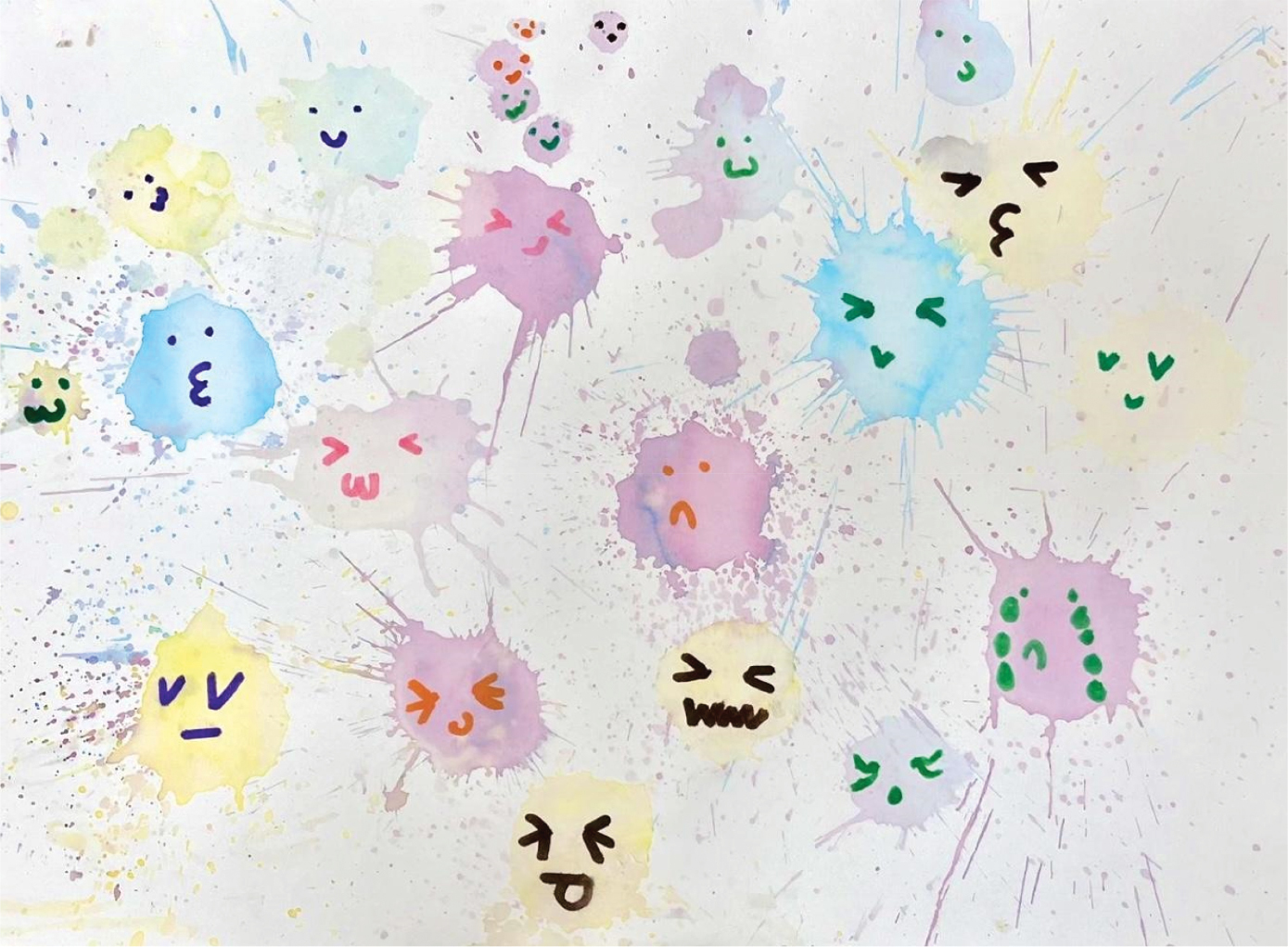
Figure 4 - Food coloring exploration of emotions: A3 drawing block.
Over time, this self-awareness translated into increased confidence in social interactions. As Candy became more comfortable articulating emotions through art, she also grew more engaged in group discussions, listening to her peers’ experiences and sharing her own with greater clarity. This strengthened her intrinsic motivation to be actively engaged in future sessions. Knowing that art-making provided a safe space for her emotions, Candy actively sought out similar tasks, reinforcing the cycle of emotional expression, self-awareness, and creative participation. Likewise, this demonstrates the interconnectedness between emotional expression and intrinsic motivation in the art therapy process. Her experience illustrates how art therapy nurtures not only emotional exploration but also the motivation and confidence necessary for meaningful social engagement.
In addition to emotional expression, motivation is a key focus in this domain. Art therapy fosters intrinsic motivation by encouraging children to participate in activities that are meaningful and enjoyable. As children engage in art-making, they develop a sense of accomplishment and pride in their creative output, which can motivate them to pursue other activities with a sense of agency and enthusiasm.
For instance, during a group session, Ibrahim (pseudonym) quietly said, “I don’t have a daddy”; meanwhile, other children eagerly talked about bringing their artwork home to show their parents. Rather than letting this sentiment go unaddressed and his emotions unregulated, he proceeded to process the situation through his artwork titled “Uncle Van and MRT.” Through artmaking, Ibrahim depicted “Uncle Van” and the MRT (Mass Rapid Transit, which is Singapore’s public train system) as figures that helped him to travel to the EIPIC center and engage with his peers, both as symbols of care and stability (see Figure 5). By doing so, he demonstrated problem-solving skills by reinterpreting his emotional experience and identifying positive, alternative sources of support in his environment.
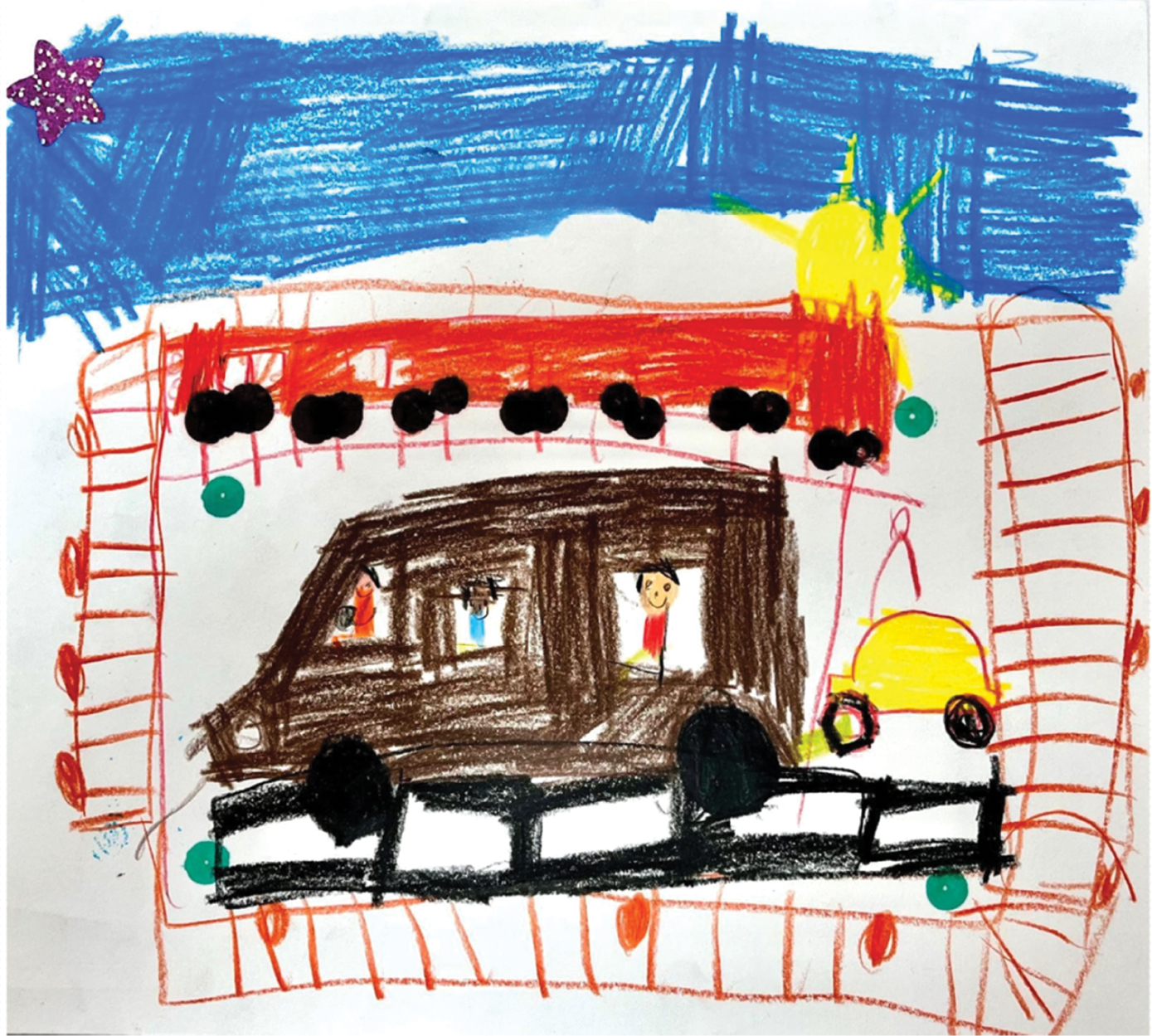
Figure 5 - Drawing of a van driver and the MRT: A3 drawing block paper.
Ibrahim expressed his personal narrative and asserted his identity in a way that words alone might not have allowed. This engagement provided him with a tangible sense of accomplishment and deepened his intrinsic motivation to participate in therapeutic activities with his peers despite facing emotional challenges. Ibrahim’s experience thus vividly highlights the impact of art therapy in the affective/motivational domain, where creative expression enhances emotional self-awareness, bolsters intrinsic motivation, and empowers children to navigate and articulate their complex emotional experiences.
Social/Behavioral Domain
The social/behavioral domain in art therapy focuses on developing interpersonal skills, behavioral regulation, and self-control. Art therapy provides children with opportunities to interact with their peers, share materials, and collaborate on creative projects. These interactions promote social skills such as turn-taking, sharing, and communicating effectively with others. By engaging in group art activities, children learn how to negotiate, resolve conflicts, and work cooperatively, which are essential skills for social integration.
Through collaborative art projects, children are given the opportunity to practice social skills and learn how to navigate group dynamics in a safe, supportive environment. This fosters a sense of trust and cooperation, which are foundational to social and emotional development. As children engage in these activities, they also learn how to respect boundaries and follow group norms, which helps to build better behavioral patterns and self-regulation skills.
For instance, Figure 6 shares a group collaborative artwork, where the children were engaged in drawing within the same space. A large, shared paper was spread out for a collaborative drawing exercise designed to foster positive social interactions and enhance behavioral regulation among children with low-to-moderate needs. As the session unfolded, children were invited to negotiate space and establish clear boundaries to ensure that everyone had a dedicated area for their creative expression. Although some children eagerly started filling their designated sections with vibrant colors and imaginative details, others approached the canvas more cautiously, aware of the need to maintain clear personal spaces. A brief moment of tension arose when two children reached for the same corner, prompting a gentle intervention by the therapist. By encouraging open communication and turn-taking, the therapist guided them to discuss and negotiate their shared space, highlighting the importance of respecting each other’s creative boundaries. One child even took the initiative to mediate, reinforcing the value of conflict resolution and self-control within the group setting.
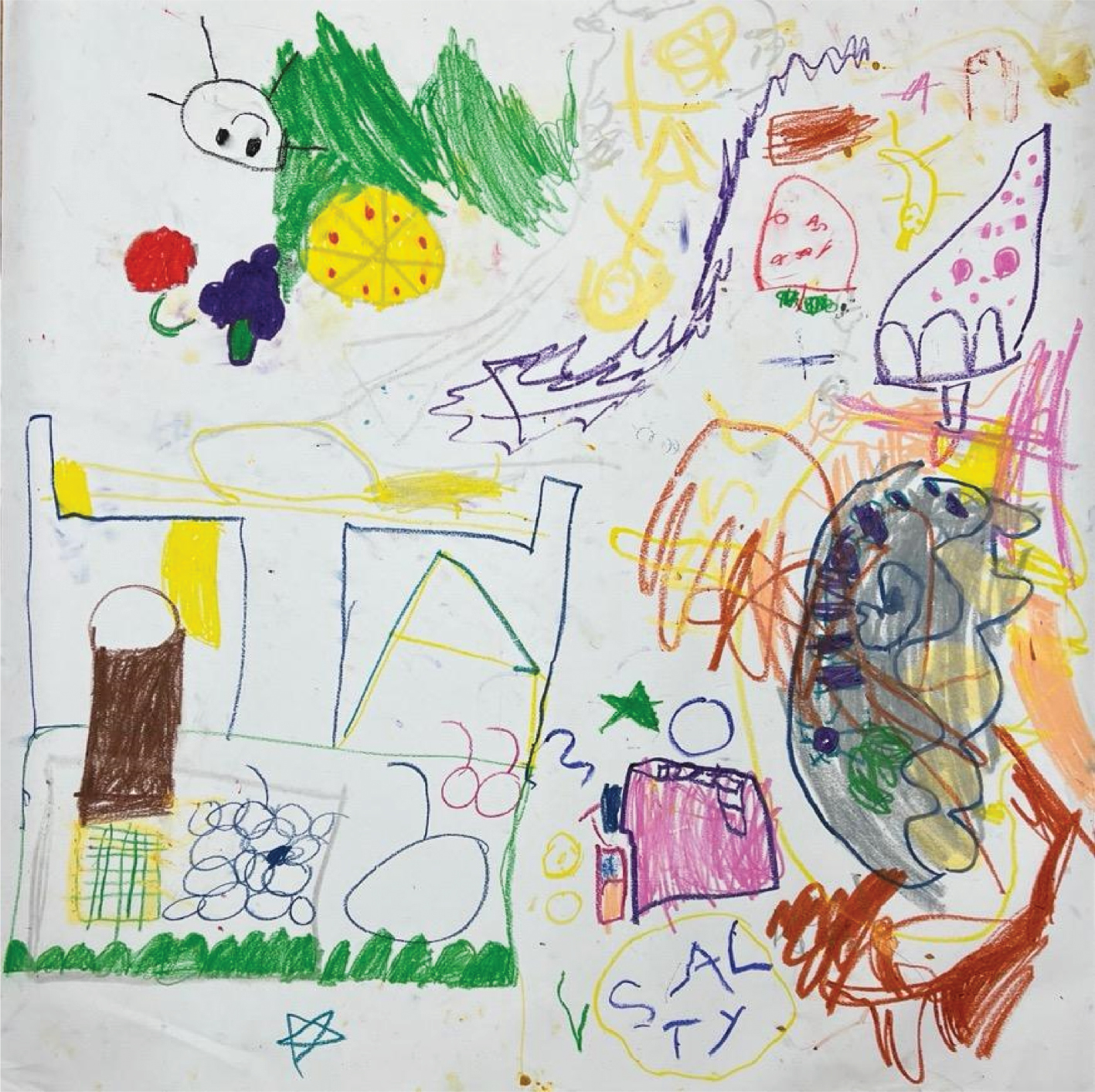
Figure 6 - Negotiating space and boundaries through group drawing.
This session not only cultivated trust and cooperative relationships among the children but also promoted essential social skills such as negotiation, respectful listening, and behavioral regulation. The activity underscored that in art therapy, the process of collaborative creation is as significant as the final artwork. It allowed children to practice self-control by refraining from drawing on a peer’s allocated area, thus affirming their ability to manage impulses and honor communal boundaries. Such experiences build a foundation for improved interpersonal interactions and help children internalize the principles of mutual respect and self-regulation, integral aspects of the social/behavioral domain in developmental art therapy.
In addition to social skills, behavioral regulation is an important aspect of the social/behavioral domain. Art therapy encourages children to practice impulse control and self-regulation during the creative process. Through structured art activities, children are guided to manage their behavior in ways that are appropriate for the classroom and activity setting. The therapist plays a key role in supporting children to maintain focus, respect boundaries, and follow instructions, which help them develop better behavioral patterns.
Wilson (pseudonym), who was initially withdrawn and sensory defensive, began to engage more with his peers through sensory play with slime. Over time, he verbalized his sensory experiences, which encouraged social interaction with his peers. This process helped Wilson improve his social communication skills and foster connections with others, contributing to his overall social development. Additionally, Wilson’s ability to regulate his sensory sensitivities through art allowed him to engage more confidently in social settings, reinforcing the connection between art therapy and social development.
The art-making process also provides a safe space for children to practice social skills and learn how to navigate group dynamics in a supportive and nonthreatening environment. Through collaborative art projects, children are encouraged to develop a therapeutic relationship with the therapist, as well as engage positively with their peers. This fosters a sense of trust and cooperation, which are foundational to social and emotional development.
In another session, children participated in a group game that centered on a “friendly battle” after decorating and creating their very own spinning tops (see Figure 7). Each child designed a unique top, infusing personal creativity into the decoration process. Once the tops were ready, the group transitioned into a playful competition where the tops were spun on the floor. The session served as a dynamic platform for the children to practice essential social skills, such as turn-taking, graciously accepting wins and losses, and abiding by game rules. As the tops spun, a few children initially struggled with the concept of waiting for their turn, which led to minor conflicts over the game space. However, with gentle guidance from the therapist, the children learned to negotiate and establish clear turn-taking procedures, ensuring that each participant had an equal opportunity to compete. One child even emerged as a mediator, helping to resolve disputes by suggesting fair play strategies and reminding peers that the goal was to enjoy the game collectively rather than to win at all costs.
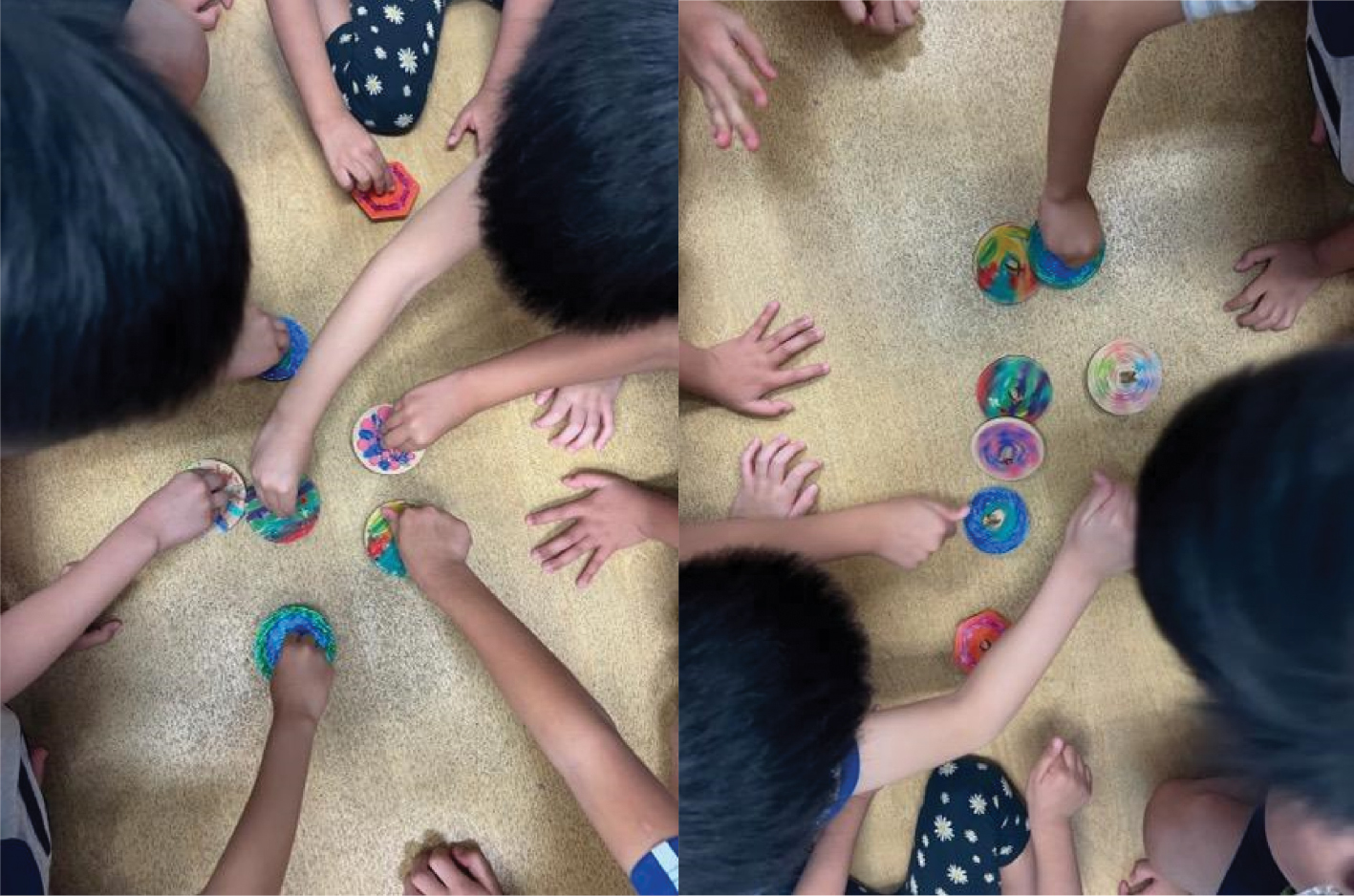
Figure 7 - Group game and “friendly battle” after decorating and creating their tops.
For this group who were in the process of transitioning to a mainstream preschool setting, the game was particularly instrumental in building the social and behavioral competencies necessary for successful integration. The friendly battle not only reinforced their ability to regulate impulses and respect shared spaces but also helped them understand and appreciate the nuances of competitive play. Through this process, children learned that losing could be as enriching as winning, as each outcome provided valuable feedback and opportunities for personal growth. The outcome of this session encapsulates the core principles of the social/behavioral domain in developmental art therapy, demonstrating how creative and playful interactions can foster conflict resolution, build trust, and enhance self-control in a real-world setting.
Towards a Holistic Sense of Self
Viewing the three domains of creative, affective/motivational, and social/behavioral together, it becomes evident that they do not operate in isolation but rather interact synergistically. Each domain supports and enhances the others, contributing to the child’s holistic development and sense of self.
The creative domain helps children externalize their inner world and make sense of their emotions, which is then further nurtured by the emotional exploration within the affective domain. Art therapy encourages children to understand and express their feelings, which enhances their self-awareness. This process allows children to gain greater emotional regulation and resilience, making it easier for them to engage socially and express their identities confidently.
The social/behavioral domain strengthens the emotional and creative development of children by fostering interpersonal relationships and helping them navigate social situations. These interactions, whether through collaborative projects or simple peer exchanges, encourage children to build trust and confidence in their social abilities. As children gain social skills, they also gain a sense of belonging, which is a crucial component of self-identity.
Ultimately, the integration of these domains contributes to the child’s overall sense of self and identity. By engaging with their emotions, relationships, and creative expression, children build a stable, confident, and cohesive self-concept that can endure beyond the therapy room and into their broader lives. Art therapy, therefore, provides a profound way to nurture a child’s sense of self by focusing on their emotional, social, and creative development, all of which are interwoven in the therapeutic process.
Embracing Cultural Identities
In Singapore, cultural identity is both a personal and communal tapestry woven from the diverse traditions of its multicultural society. Recognized as a vital component of social cohesion, cultural expression in early childhood is encouraged as a way of nurturing self-esteem and a sense of belonging (Tan, 2019). Even within EI settings, where therapeutic practices are geared toward developmental growth, integrating cultural elements can enrich the therapeutic process and affirm a child’s personal and familial identity.
As a case in point, Ahmad (pseudonym), a Malay boy in the group, demonstrated how art therapy can serve as a powerful vehicle for embracing cultural identity. Although his group members added hair to their self-portraits, Ahmad chose to incorporate a “songkok,” a traditional cultural hat worn by male figures in his family, into his artwork. This powerful artistic choice was not merely an aesthetic decision; it symbolized a deep-seated connection to his familial and cultural roots. In doing so, Ahmad’s self-portrait became a visual narrative of his cultural heritage, illustrating how art therapy enables children to express aspects of their identity that extend beyond the personal to include rich, cultural narratives (Figure 8). Such creative expression not only reinforces self-concept but also strengthens the bonds of familial and cultural belonging, elements that are essential for a harmonious transition into broader social contexts.
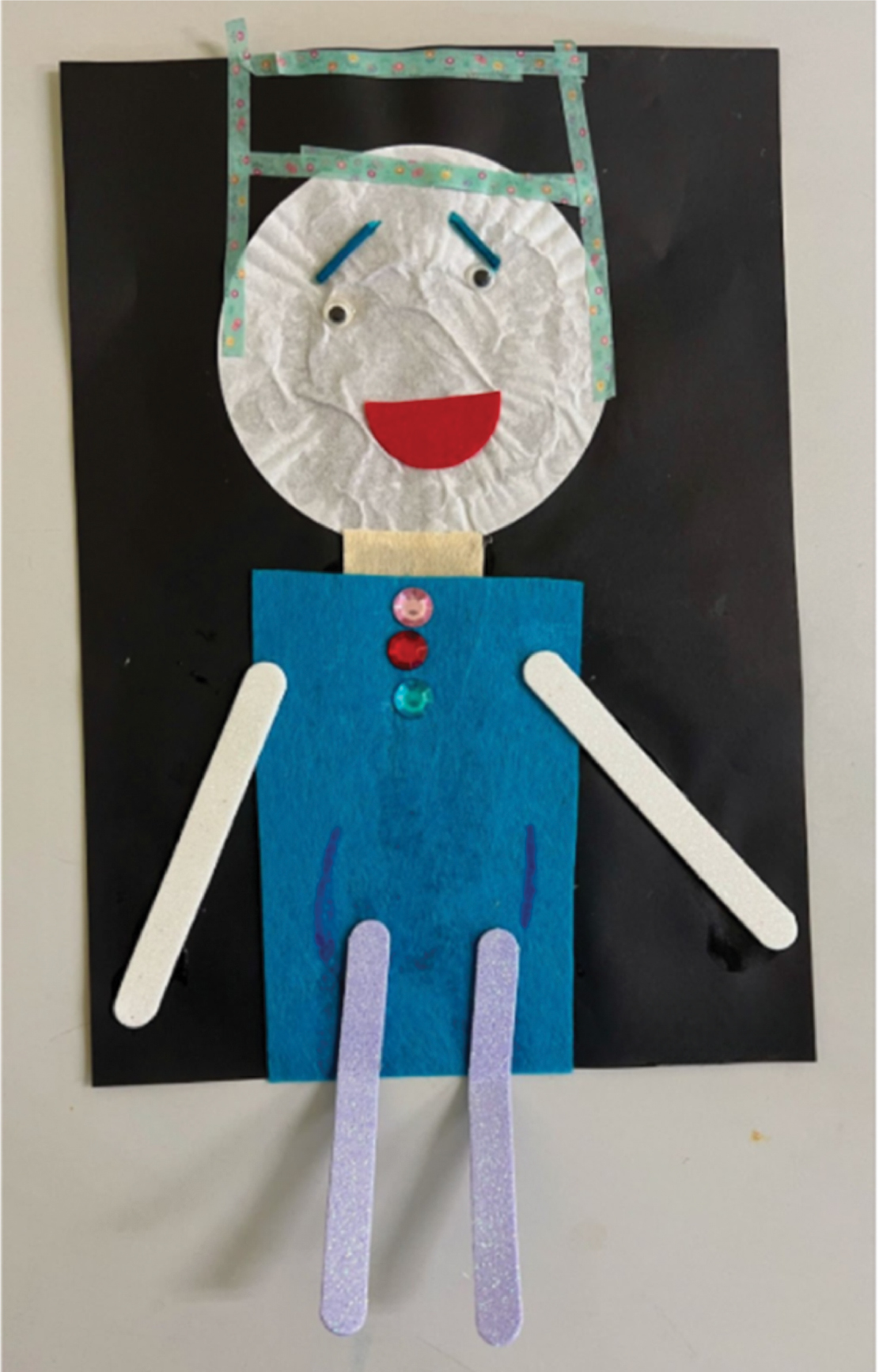
Figure 8 - Self-portrait of Ahmad: mixed media on A4 black paper.
Key Considerations
Child-Centered Approach
When applying the DAT framework, it is essential to take a child-centered approach, acknowledging that children’s developmental profiles and needs can vary widely. This is especially evident when comparing children with low-to-moderate needs versus those with moderate-to-high needs.
For children with low-to-moderate needs, the therapeutic approach tends to include more verbal and cognitive capacities. These children are often capable of engaging in basic social interactions, reflecting on their emotions, and verbalizing their feelings. As such, interventions can focus on open-ended, skill-building activities that promote creative expression, emotional awareness, and social interaction. Examples of these activities include self-portraiture, storytelling through pictures, role-playing, or expressive art-making. These activities are designed to encourage children’s verbal abilities and cognitive skills in learning to reflect on their emotions, express themselves creatively, and develop social skills through peer interaction. These children may also benefit from activities that allow for independence, choice, and autonomy within the space, with minimal reliance on sensory-based interventions. As such, therapists can facilitate activities that encourage preexisting emotional regulation skills while gently guiding them to explore new emotional experiences through creative expression.
In contrast, children with moderate-to-high needs often face greater challenges in communication, emotional regulation, and socialization. These children may have more difficulty expressing themselves verbally, which necessitates the use of sensory-based interventions and nonverbal communication methods. To address their needs, art therapy for these children incorporates more tactile, sensory-rich activities, such as slime-making, shaving foam with ink, paints, or goop play. These types of activities are designed to help children regulate their sensory input, engage in self-soothing behaviors, and express their emotions nonverbally. Children with moderate-to-high needs often benefit from repetitive and highly structured interventions, where the therapist may need to support emotional regulation and the development of social skills in a step-by-step manner. By engaging with sensory activities and hands-on materials, children can gain greater awareness of their emotions, as well as learn to communicate their needs through action rather than words. See Table 2 for a summary.
| Developmental profile | Therapeutic activities and strategies | Key focus areas |
|---|---|---|
| Low-to-Moderate Needs |
|
|
| Moderate-to-High Needs |
|
|
Although the framework remains consistent in its overall structure, the framework is flexible so that it can be tailored to the unique needs of individual children. By considering the child’s developmental level, the framework adapts to each child’s ability to engage with the materials, the type of expression used, and the social interaction expected. This adaptability allows the art therapy process to remain both developmentally appropriate and highly effective.
The main objective is to meet each child where they are, ensuring that the interventions are suited to their capabilities. For low-to-moderate needs children, the focus is on developing self-expression, emotional awareness, and social connection, whereas for moderate-to-high needs children, the focus shifts toward supporting sensory regulation, emotional self-regulation, and nonverbal communication through creative, multi-sensory activities. For instance, Figure 9 shows an example of a sensory exploration of nonconventional painting tools like feathers, pipe cleaners, and cotton buds, with acrylic paints. Through the exploration, children develop a greater awareness of themselves and their environment while regulating sensory input.
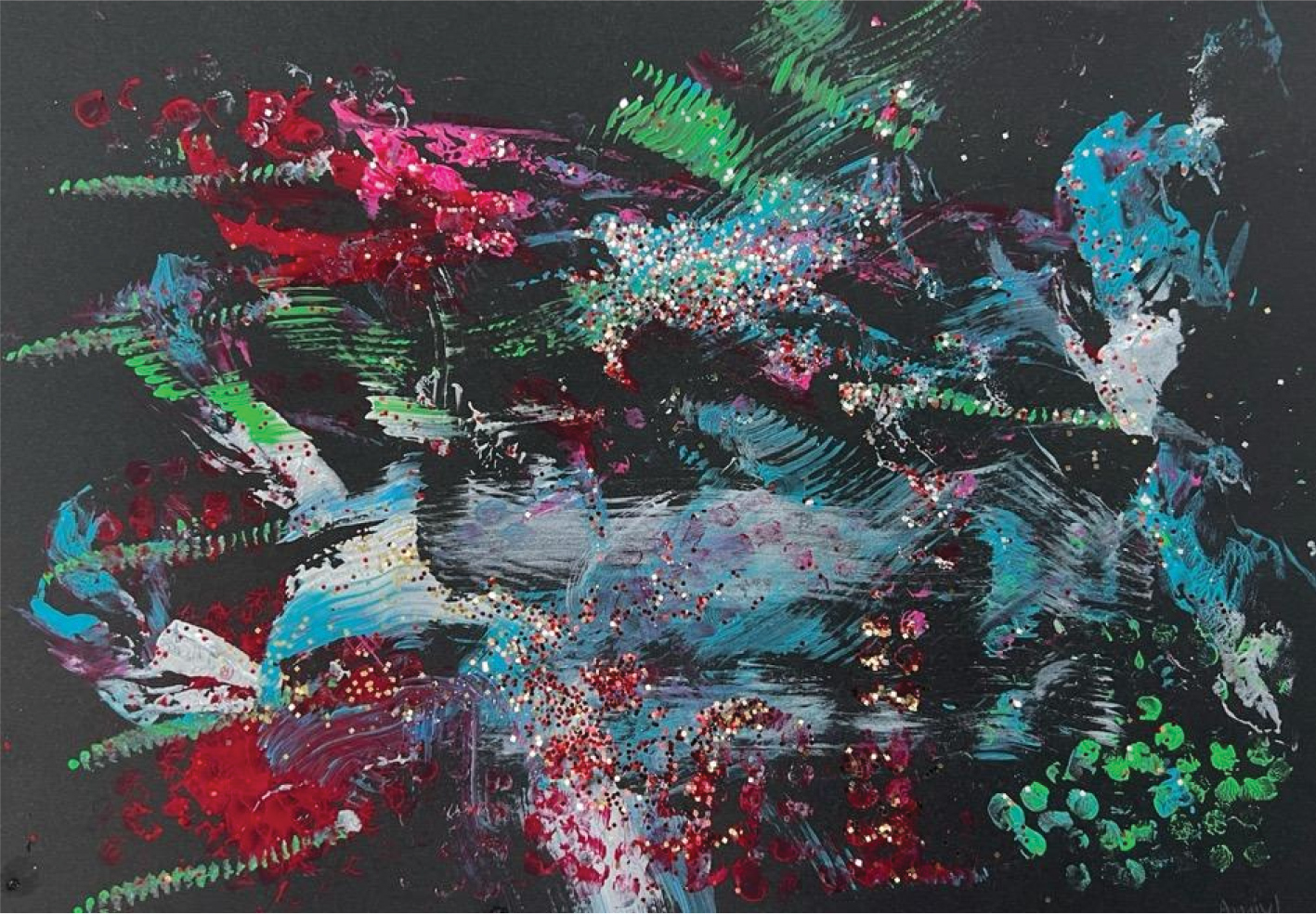
Figure 9 - Acrylic paints and glitter on A4 black paper.
Ethical Considerations
As with any therapeutic intervention, ethical considerations are paramount. Therapists must adhere to strict guidelines regarding confidentiality, informed consent, and boundaries. Creating a safe and supportive environment is also crucial, where children feel comfortable expressing themselves without fear of judgment or criticism. As aforementioned, it is imperative that therapists recognize that each child is unique and possesses individual strengths, challenges, and learning styles. Therefore, a thorough assessment of each child’s developmental level, specific needs, and preferences is essential for tailoring the art therapy approach effectively. This may involve adapting activities, modifying materials, or adjusting the pace of the sessions to ensure that the child is engaged, challenged, and supported in their creative exploration.
In addition to a strong foundation in art therapy theory and techniques, therapists also need a thorough understanding of child development, developmental delays, and EI principles. Ongoing professional development and supervision are crucial for ensuring that therapists maintain their skills, stay abreast of current research, and address any challenges they may encounter in their practice. In addition, therapists must be open to collaboration with other professionals given the multidisciplinary nature of EI work. Effective EI thus requires a collaborative approach where professionals such as therapists, teachers, social workers, and psychologists share insights and coordinate goals to ensure a holistic approach to the child’s development.
Finally, it is important to recognize that this framework emerges from, and is shaped by, the cultural realities of its setting. Singapore’s multicultural environment presents unique developmental, social, and familial dynamics that differ from those in Western contexts where most art therapy models have originated. The DAT framework was designed to reflect these differences, integrating local cultural identities, values, and norms into the therapeutic process. By grounding the framework in the lived experiences of Eastern children and their families, it offers a culturally responsive approach that not only meets local needs but also contributes a regionally relevant model to the global art therapy literature.
Conclusion
The DAT framework offers a flexible and effective approach to working with children in settings similar to that of Singapore’s EIC. By considering the child’s unique developmental needs, whether low-to-moderate or moderate-to-high, the therapist can adjust the techniques and activities used, ensuring that interventions are appropriate and effective. This tailored approach not only supports creative, affective, and social/behavioral development but also contributes to the child’s overarching sense of self. Through art therapy, children gain the tools they need to express themselves, understand their emotions, interact with others, and, ultimately, build a strong and positive sense of who they are. ORCID ID: https://orcid.org/0000-0001-6060-7136.
About the Authors
Natalie Qian Yi Kang is a registered art psychotherapist and play practitioner who works with children with developmental needs in an early intervention setting with her co-author. Grounded in a trauma-informed approach, she draws on art, sandplay, Lego, and play to support each child’s unique way of expressing and growing. She also conducts workshops, trains professionals, and teaches as an associate faculty at a local university. Through her practice, Art Play Psychotherapy, Natalie journeys with children, youths, and families as they uncover their strengths and inner resources. ORCID ID: https://orcid.org/0000-0001-6060-7136.
Author to whom correspondence should be addressed; E-Mail: natalie.kang@thkmc.org.sg; natalie.kang@artplaypsychotherapy.com.
Candice Pooi Yan Chan is a registered art therapist with ANZACATA, dedicated to the wonders of the creative process. She received her master of art therapy degree from LASALLE, Singapore and holds a bachelor of science in psychology from Upper Iowa University, Fayette, IA, USA. Before joining an early intervention center, Candice worked with older adults with dementia, and earlier in her career, she specialized in industrial–organizational psychology. Currently, she is focused on incorporating play into her art therapy practice to spark creativity and nurture resilience among children with developmental needs. ORCID ID: https://orcid.org/0009-0002-0916-854X.
Acknowledgments
The authors thank the children we work with, whose creativity and presence give meaning and joy to all that we do. We also extend our heartfelt gratitude to Yoon Mira for her unwavering support of our initiatives with the children, and for continually inspiring us to grow both professionally and personally.
Conflicts of Interest
The authors declare no conflict of interest. All names presented are pseudonyms to protect the confidentiality and identity of the children.
References
Berberian, M., & Davis, B. (2019). Art therapy practices for resilient youth. Routledge. | |
Chisomo, Y. (2024). Effect of early intervention programs on developmental delays in infants and toddlers in Malawi. Global Journal of Health Sciences, 9(3), 67–79. DOI: 10.47604/gjhs.2682. | |
Early Childhood Development Agency, ECDA. (2024). Early Intervention Programme for Infants and Children (EIPIC). Retrieved from https://www.ecda.gov.sg/parents/other-services/early-intervention-services/early-intervention-programme-for-infants-and-children-(eipic). | |
Fleming, J., Gibson, R., & Anderson, M. (2015). How arts education makes a difference. Taylor & Francis. | |
Guralnick, M. J. (2005). Early intervention for children with intellectual disabilities: Current knowledge and future prospects. Journal of Applied Research in Intellectual Disabilities, 18(4), 313–324. DOI: 10.1111/j.1468-3148.2005.00270.x. | |
Hetland, L., & Winner, E. (2001). The arts and academic achievement: What the evidence shows. Arts Education Policy Review, 102(5), 3–6. DOI: 10.1080/10632910109600008. | |
Hinz, L. D. (2019). Expressive therapies continuum: A framework for using art in therapy. Routledge. | |
Ho, L. Y. (2021). Current status of the early childhood developmental intervention ecosystem in Singapore. Singapore Medical Journal, 62, S43–S52. DOI: 10.11622/smedj.2021076. | |
Kaimal, G., Ray, K., & Muniz, J. (2016). Reduction of cortisol levels and participants’ responses following art making. Journal of American Art Therapy Association, 33(2), 74–80. DOI: 10.1080/07421656.2016.1166832. | |
Kapitan, L. (2014). Introduction to the neurobiology of art therapy: Evidence-based, complex, and influential. Journal of American Art Therapy Association, 31(2), 50–51. DOI: 10.1080/07421656.2014.911027. | |
Karkou, V., & Sanderson, P. (2006). Arts therapies: A research-based map of the field. Elsevier Health Sciences. | |
Lusebrink, V. B. (2004). Art therapy and the brain: An attempt to understand the underlying processes of art expression in therapy. Journal of the American Art Therapy Association, 21(3), 125–135. DOI: 10.1080/07421656.2004.10129496. | |
Malchiodi, C. A. (2012). Developmental art therapy. In Handbook of art therapy (2nd ed., pp. 114–129). Guilford Press. | |
Martin, N. (2009). Art as an early intervention tool for children with autism. Jessica Kingsley Publishers. | |
Moon, B. L. (2009). Art-based group therapy: Theory and practice. Charles C Thomas Publisher. | |
Oh, H. R., & Chung, Y. J. (2021). A single case study of art therapy in a child with Crohn’s disease. The Arts in Psychotherapy, 72, 101751. DOI: 10.1016/j.aip.2020.101751. | |
Park, C. H., Blaisdell, C. J., & Gillman, M. W. (2022). The NIH ECHO program: An impetus for the development of early childhood PROMIS tools. Journal of Pediatric Psychology, 47(5), 497–499. DOI: 10.1093/jpepsy/jsac010. | |
Shonkoff, J. P., & Phillips, D. A. (Eds.). (2000). From neurons to neighborhoods: The science of early childhood development. Washington, DC: The National Academies Press. 10.17226/9824. | |
Slayton, S. C., D’Archer, J., & Kaplan, F. (2010). Outcome studies on the efficacy of art therapy: A review of findings. Journal of American Art Therapy Association, 27(3), 108–118. DOI: 10.1080/07421656.2010.10129660. | |
Stuckey, H. L., & Nobel, J. (2010). The connection between art, healing, and public health: A review of current literature. American Journal of Public Health, 100(2), 254–263. DOI: 10.2105/AJPH.2008.156497. | |
Tan, M. L. (2019). Cultural identity and social cohesion in Singapore. World Scientific. | |
Wadeson, H. (2010). Art psychotherapy. John Wiley & Sons. | |
Waller, D. (2006). Art therapy for children: How it leads to change. Clinical Child Psychology and Psychiatry, 11(2), 271–282. DOI: 10.1177/1359104506061419. | |
Wengrower, H. (2001). Arts therapies in educational settings: An intercultural encounter. The Arts in Psychotherapy, 28(2), 109–115. DOI: 10.1016/S0197-4556(00)00091-5. |