The Layered Landscape of Meditation: A Visual and Mindful Journey of Artful Inner Explorations
Volume 11, Issue 2, Pages 272-288
Abstract
This article examines an arts-based research method that explores the intersection of meditation practice, landscape photography, and mixed-media response art. The original methodology and results were developed by the first author, who was mentored by the second author, the thesis advisor, during Bachelor of Fine Arts thesis work. The study hypothesizes that creating visual art in response to meditations in natural environments could lead to greater understanding of oneself, open space for vulnerability, and deepen a personal connection to nature and the ecology of one’s spirit. The method was conducted in four phases, starting with a daily meditation practice in natural outdoor environments, which was documented through photography, sketches, and written journals. Photographs and sketches of outdoor landscapes where the meditations took place were responded to with mixed–media art-making, resulting in five mixed-media collages created with layers of magazine clippings, tissue paper, pastel, acrylic paint, and pen on paper bags, vellum, and transparent Mylar. The collages illustrated photographic landscapes and layered soft colors, which were intended to bring viewers into a meditative environment to contemplate both the transparency and the layers in the final collage work. The use of visual art in response to meditation is discussed as a means of examining one’s inner concept, state of awareness, and relationships to the natural environment.
摘要
本文探讨了一种基于艺术的研究方法,该方法聚焦于冥想实践、风景摄影与混合媒介回应艺术之间的交叉领域。该原创方法及研究结果由第一作者在第二作者(论文导师)的指导下,于美术学士学位论文工作中完成。本研究假设,通过在自然环境中进行冥想,并创作回应冥想的视觉艺术作品,可以增进对自我的理解,为脆弱性开辟空间,并深化个人与自然及自身精神生态的连接。该方法分四个阶段进行:首先是在自然户外环境中进行每日冥想实践,并通过摄影、素描和书面日志进行记录;接着,针对冥想所在户外景观的照片和素描,以混合媒介艺术创作进行回应,最终在纸袋、硫酸纸和透明聚酯薄膜上,运用杂志剪报、薄纸、粉彩、丙烯颜料和笔,制作出五幅混合媒介拼贴作品。这些拼贴画呈现了摄影景观与层次柔和的色彩,旨在将观众带入冥想环境,引导他们思考最终作品中透明性与层次感的意涵。本文还探讨了以视觉艺术回应冥想作为一种手段,用于审视个人内在观念、意识状态以及与自然环境的关系。
Keywords
arts-based research, mixed-media collage, mindfulness, meditation, landscape portraiture, spirituality.
关键词
基于艺术的研究, 混合媒介拼贴画, 正念, 冥想, 风景肖像画, 灵性.
History
Received 01 May 2025
Accepted 01 July 2025
Open Access
This is an open access article.
Introduction
This article hypothesizes that creating art in response to meditation practice in natural spaces can lead to understanding one’s inner world, deepening the connection to the interior ecology of self. Meditation can be a powerful vehicle for self-reflection, insight, and deeper awareness. By turning attention inward, meditation helps quiet external distractions, allowing thoughts, emotions, and subconscious patterns to rise to the surface. Meditation may involve sitting in stillness, focusing on breath, or using a stimulus as a reminder to remain present (Shaner et al., 2016). It can also include movement, such as walking meditations, and even visual art meditations (Holo, 2024). Sometimes, meditation can lead to spontaneous imaging or image-making (Luft et al., 2019).
The unique trifecta of spending time in nature, meditating, and creating art has been shown to be successful in promoting mental health, resilience, and empowerment by allowing a person to delve into their interior landscape. According to American art therapist Pat B. Allen (1995), the immersion of meditation and the arts in healing can help a person understand their inner world and sense of spirituality.
This article presents an exploration of using meditation in natural environments and shares artistic responses inspired by meditations on nature. It also discusses the author’s perspectives on the experiences from the artist/author journal reflections.
Literature Review
Meditation and Nature Link
Meditating outdoors in a natural environment has been noted to promote better physical and emotional health by offering a multisensory experience that can soothe the nervous system. Furthermore, green spaces in urban environments contribute to overall health, improving opportunities for physical activity, social interaction, and emotional regulation (Korpela et al, 2014; Mensah et al, 2016; Vitale & Bonaiuto, 2024). Simply appreciating nature and natural surroundings promotes resistance to stress and emotional resilience (Craig et al., 2015).
According to Kellert (2002), nature also plays a direct role in child development; playing in natural environments improves cognitive development and promotes creativity, imagination, and social relationships. A systematic review by Rios-Rodriguez et al. (2024) found that nature indeed contributes to emotional and physical well-being and helps regulate emotions in children and adults alike.
Unsworth et al. (2016) cited the interconnectedness among spending time in nature, doing mindful meditation, and psychological well-being. They studied two groups: the first was a group of Buddhist meditators who participated in a 3-day meditation and nature retreat, and the other was a group consisting of undergraduate college students who participated in a 3-day nature trip; some of the students were randomly assigned daily meditation, and others were not. Both the Buddhist meditators and the college students came from urban environments. Pre-/post-trip surveys among the participants indicate there was a stronger connection to the natural sense of self when meditating in nature.
Meditation as a Tradition
Meditation is an age-old tradition with roots in Eurasia. Its earliest records were found in the Hindu Vedas written in 5000 BCE (Eifring, 2016), where these first relics of meditation texts discussed the training of the mind toward mental calmness. Practicing meditation is considered a form of self-care for the body and the mind; it can also promote spiritual healing and self-development (Freeman et al., 2019; White et al., 2011).
For centuries, there has been a fine thread that connects art and meditation. Tibetan Buddhist monks have integrated art and meditation as a means of deepening spiritual practice, cultivating mindfulness, and expressing sacred teachings; such art forms have included sacred chant music, paintings, sculptures, calligraphy, sacred texts, architecture, and meditative dances (Salguero, 2018). Other cultures have also integrated various art forms and meditation; for example, Japanese Zen Buddhism and the artistic expression of Zen calligraphy serve as a meditative process (Frentiu, 2023); in Sufism, the Sama, a ceremonial practice including singing, dancing, and playing musical instruments is meant to deepen one’s meditative state; and in Hinduism, Bhajhan and Kirtan devotional singing are designed to foster meditation practices and community (Cameron, 1997). These few examples are just some of the many ways in which art is integrated with meditation around the globe.
Art and Authenticity
Meditation encourages people to take control of their lives by identifying more with themselves. It is a way to practice vulnerability and create connections with the self and others. It allows people to feel, be more aware, and be “more alive” (Williams, 2020, p. 20). By meditating, people can delve into their vulnerability, allowing themselves to form relationships and live wholeheartedly.
Brene Brown (2021) suggested that to authentically express oneself is to live wholeheartedly; that is, if a person can live completely and sincerely by courageously facing one’s vulnerabilities, they will be living a fuller life. In turn, by facing one’s vulnerabilities or inner concerns, a person can begin to accept and understand their inner thoughts, feelings, and emotions. As Barton and Watson (2013) proposed, exploring one’s inner world may allow a person to delve into a sense of spirituality or their own relationship to the universe. Understanding one’s inner world and spirituality can give a person the courage and strength to restore herself, leading to a wholehearted and fuller life (Allen, 1995; Machado, 2020).
In her book Art Is a Way of Knowing, art therapist Pat Allen claimed that it was her engagement with art that helped her identify her authentic self; through her artwork in images and words, she explored her soul and her inner world. Allen noted that before she started her self-reflections related to her art, she did not truly feel her emotions, which made her feel as though she was not fully existing or living in the world. Once she began exploring her inner world through imagery, she felt more connected to her soul and her personal story; she claimed that art does not “cure” or “fix,” but instead “restores” this relationship (Allen, 1995, p. ix).
Along similar lines, noted art therapist Judith Rubin (2010) saw art as a powerful means of communication, especially when words fail, and believed that the creative process could connect individuals to their inner world, emotions, and unconscious mind. Rubin highlighted that making art is a transformative experience and can reveal hidden thoughts, feelings, emotions, and foster growth.
Allen (1995) described art as a means of knowing oneself, where vulnerability becomes an essential part of healing and transformation. Sometimes we have doubts about ourselves, and sometimes about our art, as well. Facing these doubts is difficult for people to do, especially since being vulnerable is seen as being weak (Brown, 2010, 2012). However, being vulnerable requires strength, self-love, and self-worth, which may be obtained by tapping into the inner world.
Art and the Spirit of the Self
By exploring one’s inner world through art or meditation, a person may delve into spiritual inquiry, perhaps exploring beliefs of the self or the universe. White et al. (2011) described this kind of spiritual connection as a search for “harmony, peace, and transcendence.” Spiritual connection refers to how we relate with things such as art or nature and builds a sense of value and awareness outside of the self (Barton & Watson, 2013, p. 42). Understanding one’s inner world can bring balance to how one presents in the outer world. This inner knowing and understanding can lead to a more authentic and wholehearted life, as well as promote well-being of the body, mind, and spirit (Allen, 1995; Machado, 2020; White et al., 2011).
Methodology
The research steps were conducted in four phases over 6 months. The first phase required approximately 3 months of daily attention to meditation, photography, drawing, and journaling. The second phase involved manipulating photographs and drawings created during the first phase in a method known as double exposure. The third phase utilized mixed-media collaging. Finally, the fourth phase incorporated reviewing prior landscape photos and integrating mixed-media collaging to cultivate a new layered image.
Materials involved both manual and digital media including: a Canon Rebel T6 digital camera, MacBook Pro laptop, Adobe Photoshop, two 8.5 × 11-inch journals/sketchbooks, Giotto Turbo Maxi Washable colored markers, fine black ink Micron Pens, Prismacolor Premier colored pencils, purple ink pens, watercolor paints, watercolor paint brushes, Prismacolor chalk NuPastel, magazine clippings, brown paper bags, Mod Podge, rubber cement glue, a variety of Artist Loft acrylic paints, sponge paint brushes, variety of colorful tissue paper, 18 × 24-inch Clearprint Design vellum drawing paper, and a thin roll of Mylar.
What follows are the four phases of development that emerged in this arts-based research inquiry.
Phase 1: Meditation, Reflection, and Photography
Phase 1 brought the artist to natural places, with her journal, pens, markers, pastels, and camera. She drove her car to natural outdoor environments, specifically on the north coast of New England, which brought a personal sense of peace, presence, and inspiration from the ocean tides, grassy hills, tall oaks, arborvitaes, and vast marshlands, all with colors that enliven and then desaturate in the change of seasons.
On her drives to these places, sometimes she sat in silence, and other times she listened to meditative music, both of which allowed her to feel more grounded, focused, and prepared to be quiet and present with nature. Once finding a space that felt comfortable, she adopted a self-guided sensory-based 12-minute meditation practice, following the Williams (2020) philosophy that a 12-minute meditation length is suggested to offer the most benefits. Self-guided meditations included walking meditation and seated meditation in silence; the meditation type was determined intuitively at that moment. Meditating with the senses helped offer centering to the artist as she tuned into the sounds, smells, sights, and sensations her body felt from the temperatures, winds, energy, and the whole ecological environment.
After the meditation, she drew images and wrote reflections in the journal. Sometimes the drawings were intuitive movements with a black pen or colorful markers on paper. On other occasions, she drew the environmental elements and landscapes that she saw. Every time, however, she photographed the landscape and zoomed in through the camera lens on certain aspects that caught her eye, such as patterns in the hills or rocks that sparkled in a certain way. Figure 1 is a photograph of a beach landscape the artist viewed after a seated meditation, encapsulating the viewer in sunlight, breeze, color, and texture.
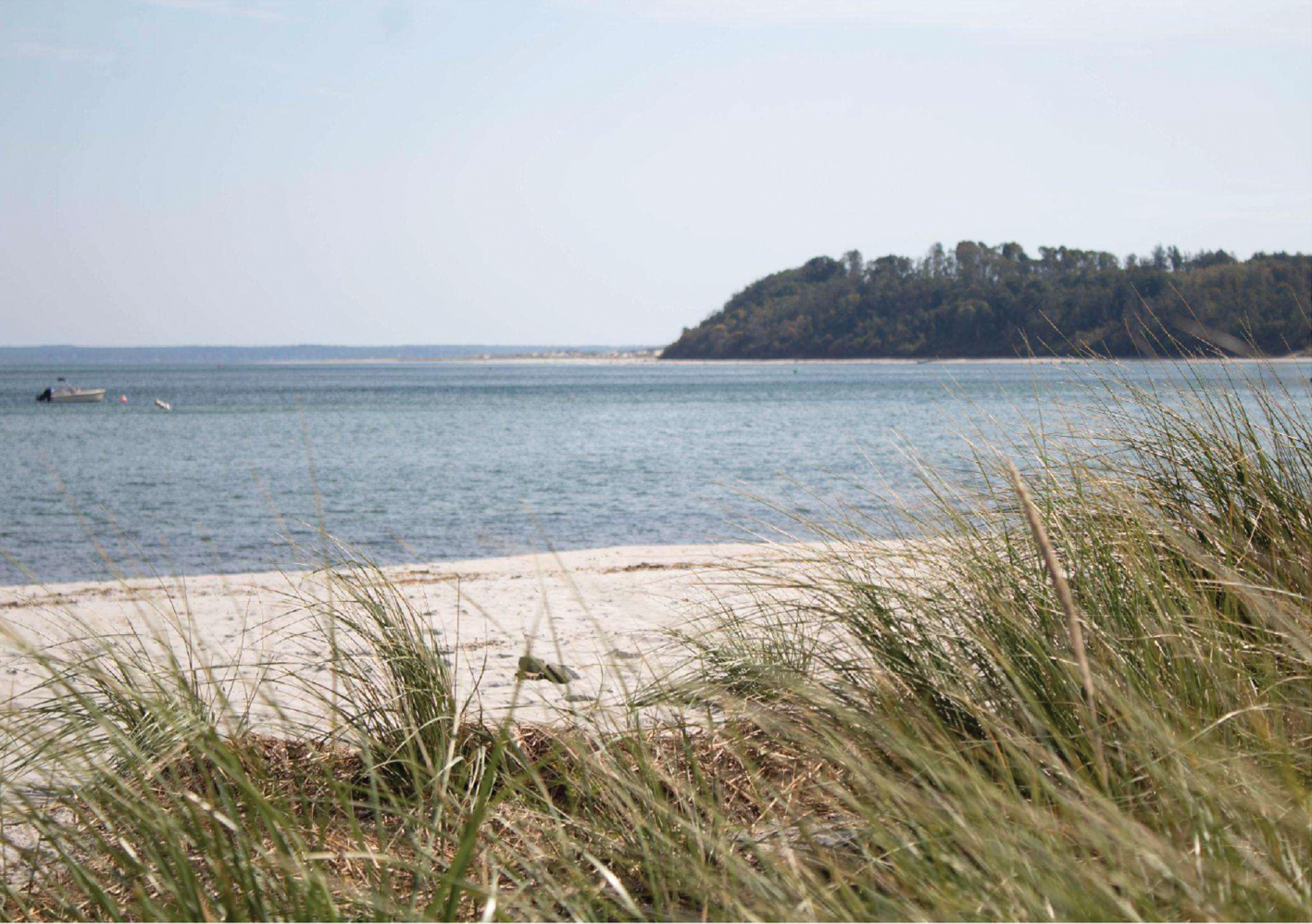
Figure 1 - Pavilion Beach, Ipswich, MA, USA. Photograph by Amelia R. Castelli.
Phase 2: Double Exposure
After each outing to nature, the artist returned to her home to review the photographs, drawings, and written reflections. She uploaded the drawings and photographs to Adobe Photoshop, which allowed her to see both images digitally. The artist contemplated the notion of transparency and layers within the landscapes through the drawings and photographs. Then, with Adobe Photoshop, she overlaid the digital versions of her drawings on the photographs, in a method known as double exposure.
Figure 2 shows the photograph of Pavilion Beach and illustrates the use of the double-exposure technique, overlaying two images (one drawing and one photograph) produced through Adobe Photoshop. The original photo of the underlay is portrayed in Figure 1. The hand-drawn squiggles from the double exposure overlay are also seen in the beach sand. The intent of this was to show the flowing shapes of the landscape abstractly, exemplifying a sense of how the emotions conjured by the landscape flow through the viewer.
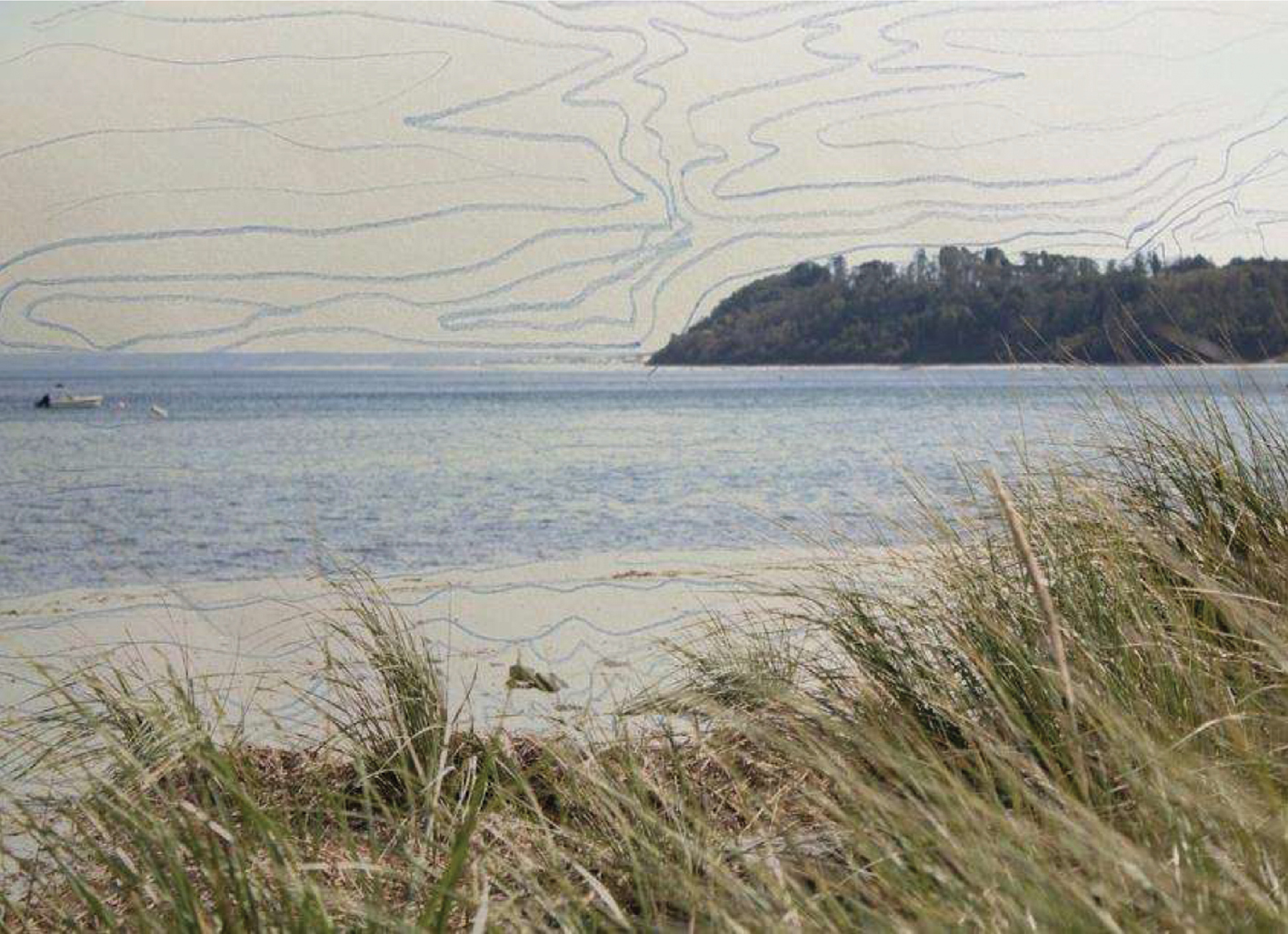
Figure 2 - Pavilion Beach double exposure. Ipswich, MA, USA. Original artwork by Amelia R. Castelli.
Phase 3: Mixed-Media Collage
The third phase integrated double exposure and added a third layer of mixed-media material to recreate the landscape. The process started with ripping images and text from magazines into small pieces, cutting open a brown paper grocery bag to make a flat canvas, and assembling bits of magazine on the brown paper bag. The hand-ripped magazine pieces were glued down like a puzzle to create an image of colors that emulated the general coloration of the landscape scene captured during the meditation and in the photos. Next, Mod Podge was mixed with acrylic paint and painted on the surface, which made the surface sturdier and more cohesive. After the paint–Mod Podge mixture dried, a Micron Pen was used to draw the landscape from the original photograph. Finally, chalk pastel was applied on top to add soft color, shadow, highlight, and shape to the image. As illustrated in Figure 3, a landscape of Newfound Lake in Bristol, NH, USA, is amplified by the texture of line from Micron Pen, contoured by pastel, and reveals layers of text from the magazine clippings. In the foreground, abstract lines, colored with purples, blues, pinks, oranges, and white, create a look of moving water, lapping on rocks in a lake. A sunset-colored horizon extends to mountains and a sky of colors reminiscent of its mirrored lake. The artist intended to convey flow, rhythm, and connection through the Micron Pen line work and the feeling of pieces fitting together like a puzzle. It was also meant to convey a sense of calm and awe of nature’s grandeur.
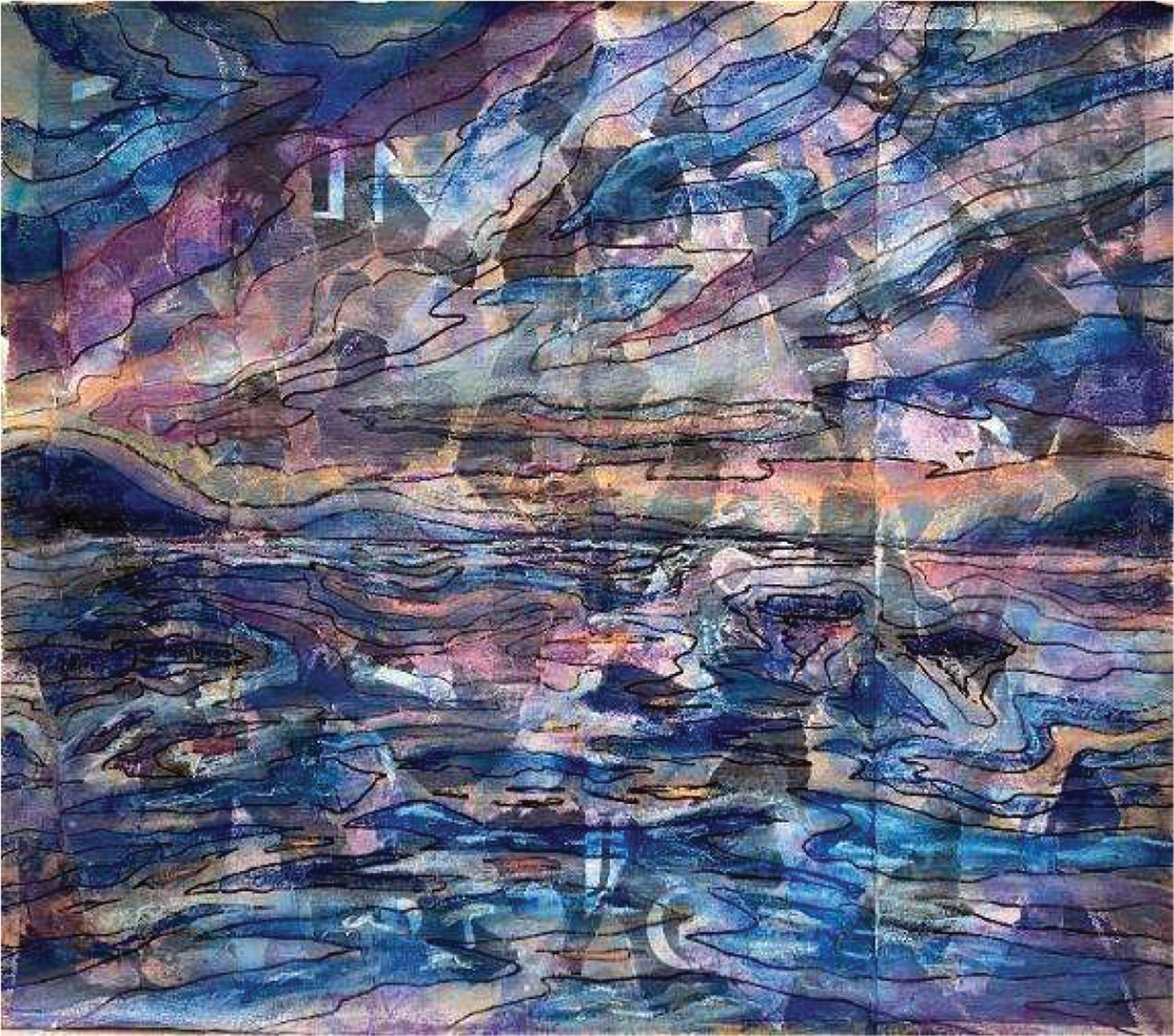
Figure 3 - Newfound Lake in Bristol, NH, USA. Original artwork by Amelia R. Castelli.
Phase 4: Final Layered Landscapes
The final process offered the full expression of the method, and it inspired the artist to review prior personal photographs that illustrated places that gave her a sense of grounding and connection. The previous photographs held memories of traveling, being with family and friends, and feeling a sense of calm, safety, peace, spirituality, and connection. After reviewing and identifying personally meaningful photographs, the artist intuitively chose the landscape illustrated in Figure 4, which portrays a memory of traveling the Western Highlands of Scotland, UK. This landscape of the Rest and Be Thankful viewpoint transported the artist back to the moment where she was safely held by the rolling green hills in a space of calm, presence, and connection. To further communicate and share these feelings, the artist chose to create several more mixed-media collages with the base materials of a brown paper bag, vellum paper, and Mylar.
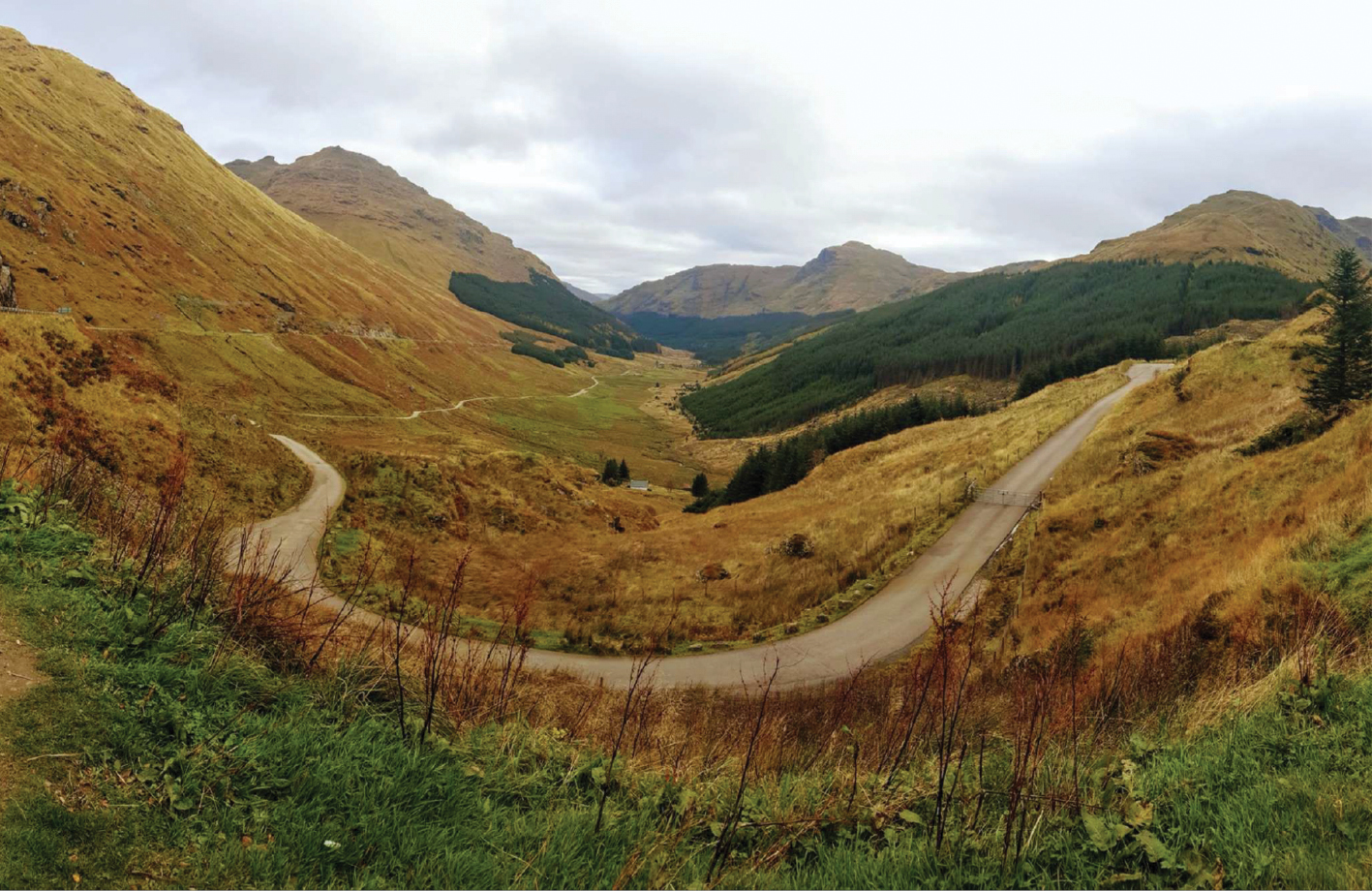
Figure 4 - Rest and Be Thankful viewpoint of the Western Highlands, Scotland, UK. Original artwork by Amelia R. Castelli.
In a different process from the digital double exposure, the artist started with gluing hand-ripped magazine pieces to the base, first with the brown paper bag. She then applied a paint–Mod Podge mixture over the magazine pieces to thicken the base layer. With the chosen photograph, she used a Micron Pen to draw the landscape from the image directly on top of the magazine collage. After the pen drawing was fully rendered, she applied chalk pastel.
On the vellum base, the artist chose to use tissue paper rather than magazine pieces. The tissue paper offered a gentler process, as the tissue was much thinner and more fluid than the magazine paper, allowing for more transparency to the landscape. Lastly, transparent sheets of Mylar were used as base layers for the last two works. On each sheet of Mylar, layers of tissue paper were adhered. A Mod Podge–acrylic paint mixture was then brushed on top of the tissue paper, bringing cohesion and a bit of sparkly dimension to the landscape. After drying, chalk pastel was applied, adding color and contour to further render the landscape image.
Figure 5 illustrates the use of the tissue paper collage process on vellum paper portrayed through a jetty leading out to the sea in the coastal town of Rockport, MA, USA. A pale multicolored rock formation, a jetty, arcs from the lower left corner into the center of the landscape. The jetty is encompassed by a wavy blue ocean, in hues of green, light and dark blues, purple, and white. On the horizon, an island of rocks sits to the right, with a body of earthy-toned land in the background. The sky behind the ocean and the land is composed of amorphous shapes lined with a Micron Pen on top of layers of pastel blue, yellow, pink, and purple tissue paper. Layers of chalk pastel add depth on top of the tissue paper, leading to a sense of movement, flow, and tranquility. The artist intended to keep the viewer in the moment, witnessing the sky and the waves gently lapping and moving almost as if in a breathing meditation.
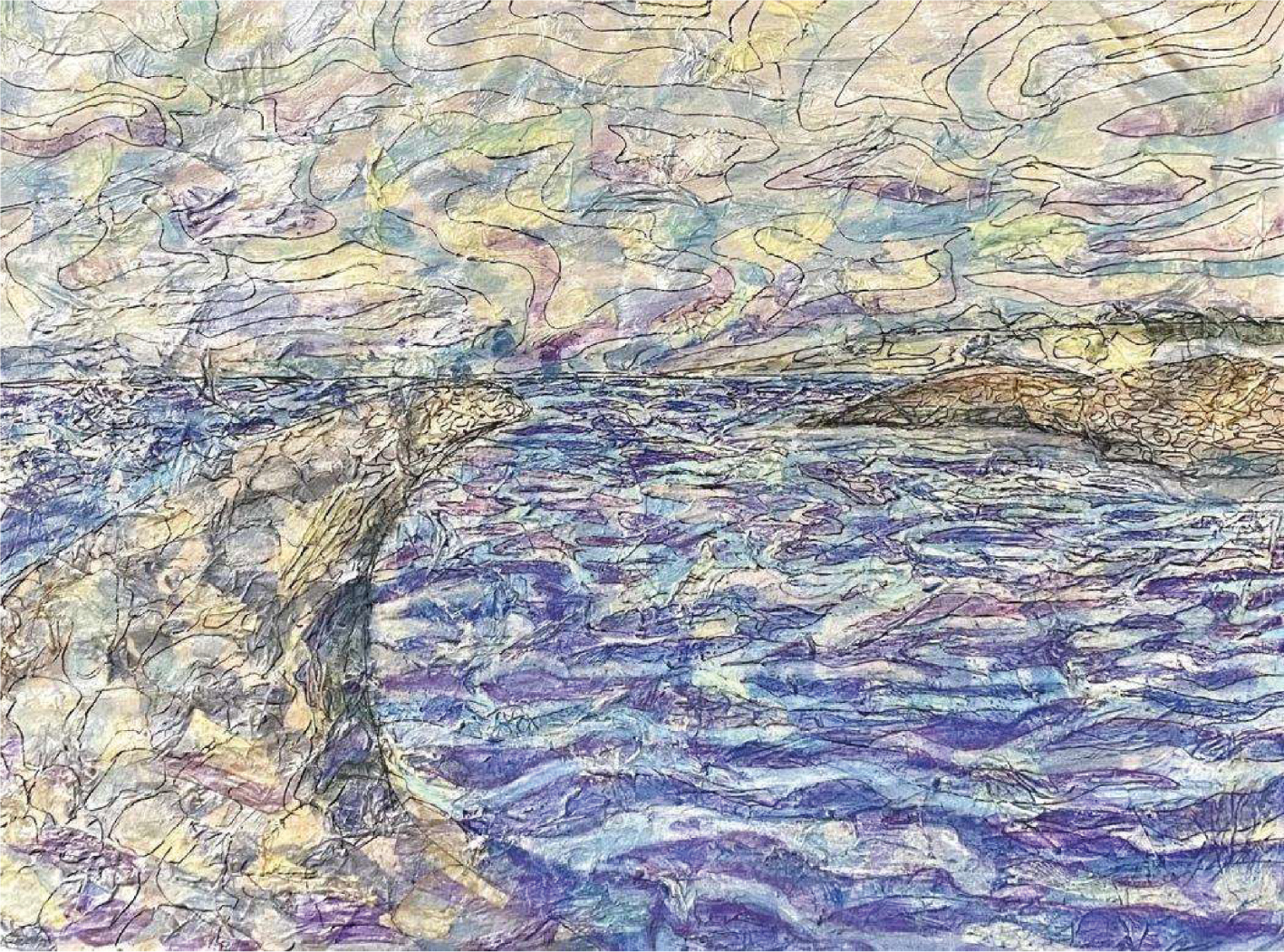
Figure 5 - The Jetty at Bearskin Neck, Rockport, MA, USA. Original art by Amelia R. Castelli.
Results
As a result, a variety of landscape compositions were produced through photography, drawings, magazine paper collages, and mixed-media tissue paper collages. Hundreds of images were photographed, and a few were selected to be composed with mixed-media collage-focused materials. In total, six photographic double-exposure drawings, two magazine collages on paper bags, and four tissue paper collages on either vellum paper or clear Mylar were created. Reflections on the results of the artwork will lead to personal discoveries that are presented in the discussion chapter. What follows are descriptions of the arts-based results.
Layered Landscapes
The final expression of the landscaped layers invited the artist to draw upon prior photos from moments in her life that brought a sense of calm and connection. One of those moments was when she traveled to the Scottish Highlands. Figure 6 presents the Rest and Be Thankful viewpoint of the Scottish Highlands in colors of green, yellow, brown, blue, gray, and white. A winding gray road leads the viewer deeper into the flowing landscape of grassy hills. The sky is filled with dense but ethereal clouds. Secrets can be seen within this landscape, as an image of an eye emerges from the hills on the right side, embedded by the magazine collage. Such hidden layers can be a beautiful metaphor for the seen and unseen and what we can observe when we take a moment to pause and bring attunement to nature’s grandeur. To convey this metaphor and the peaceful nature of the grassy landscape and the thick open sky along, the artist utilized mixed-media collage and drawing.
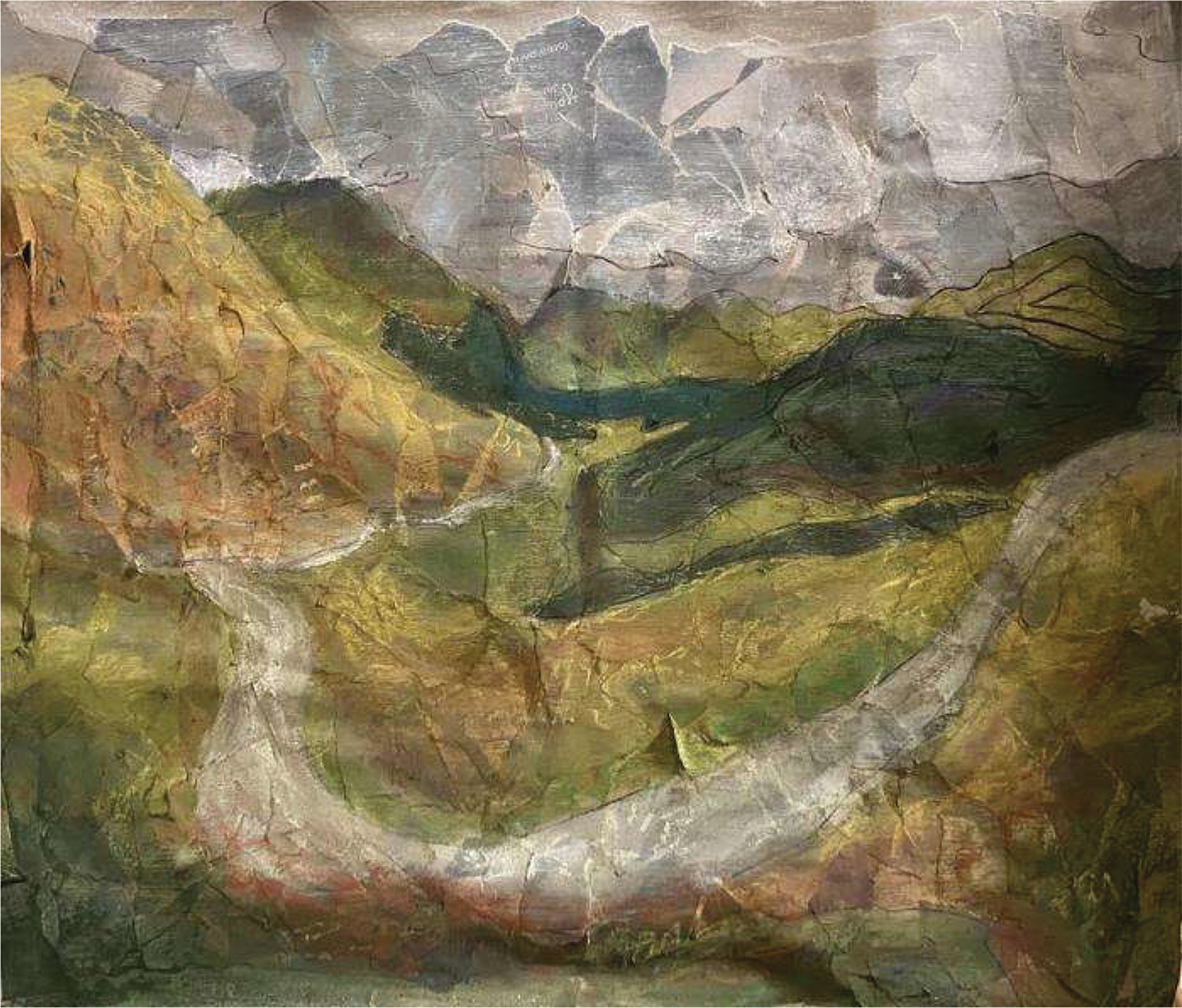
Figure 6 - Rest and Be Thankful viewpoint of the Western Highlands (collage 1), Scotland, UK. Original artwork by Amelia R. Castelli.
In Figure 7, the image of the Scottish Highlands becomes amplified in its texture with the use of tissue paper, which adds an element of softness and shine, fitting the artist’s intent for a deeper sense of flow. Additionally, the use of chalk pastel versus the Micron Pen line drawing adds an opportunity for more blending and softness. It is almost as if one could curl up in the lush grasses of the highlands and be held with comfort and in stillness by the naturally flowing green and brown hills, holding its viewer in a safe space of peaceful harmony.
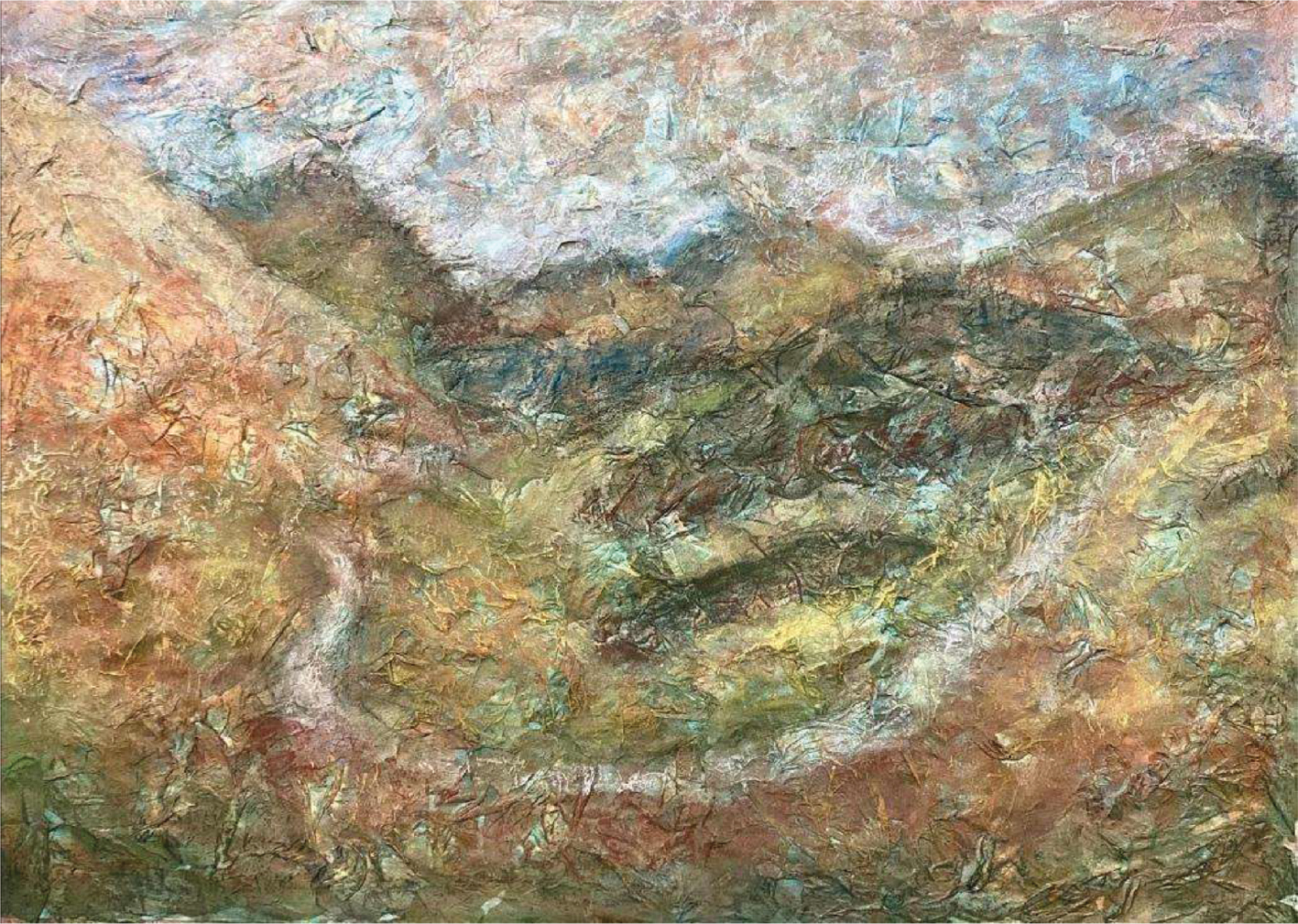
Figure 7 - Rest and Be Thankful viewpoint of the Western Highlands (collage 2), Scotland, UK. Original art by Amelia R. Castelli.
The last part of the series of the Scottish Highlands involved two additional works with the use of tissue paper collage on a base layer of transparent Mylar. The transparent base layer was used to allow for an interplay of light within the art, drawing on a metaphor for revealing the inner world. Perhaps if we see the body of water or the hills as our own body, we can invite new perspectives or shed new light on the deep layers of ourselves. To exemplify how the light filtered through the art, the works were photographed with and without natural light shining through their layers. As illustrated in Figure 8, the photographs on the left show the Scottish Highlands with no light behind them, and the photographs on the right side of the figure allow for natural light, showing the layers and highlighting the natural environment that it is meant to portray. Further, the top right image has a single base layer of Mylar, while the bottom right image has a double layer of Mylar, portraying a divergent sense of depth in the background and foregrounds. The use of Mylar circles back to the beginning of the process with its use of double exposure and the notion of transparency through layers. Thus, the use of light to reveal the collage layers represents an opportunity that we have as humans- to remain open and connect more to our own environments and self, which invites us to shine a metaphorical light onto our own inner layers. The landscape and the art materials may be used as a metaphor of delving into the inner layers of the self through presence and transparency.
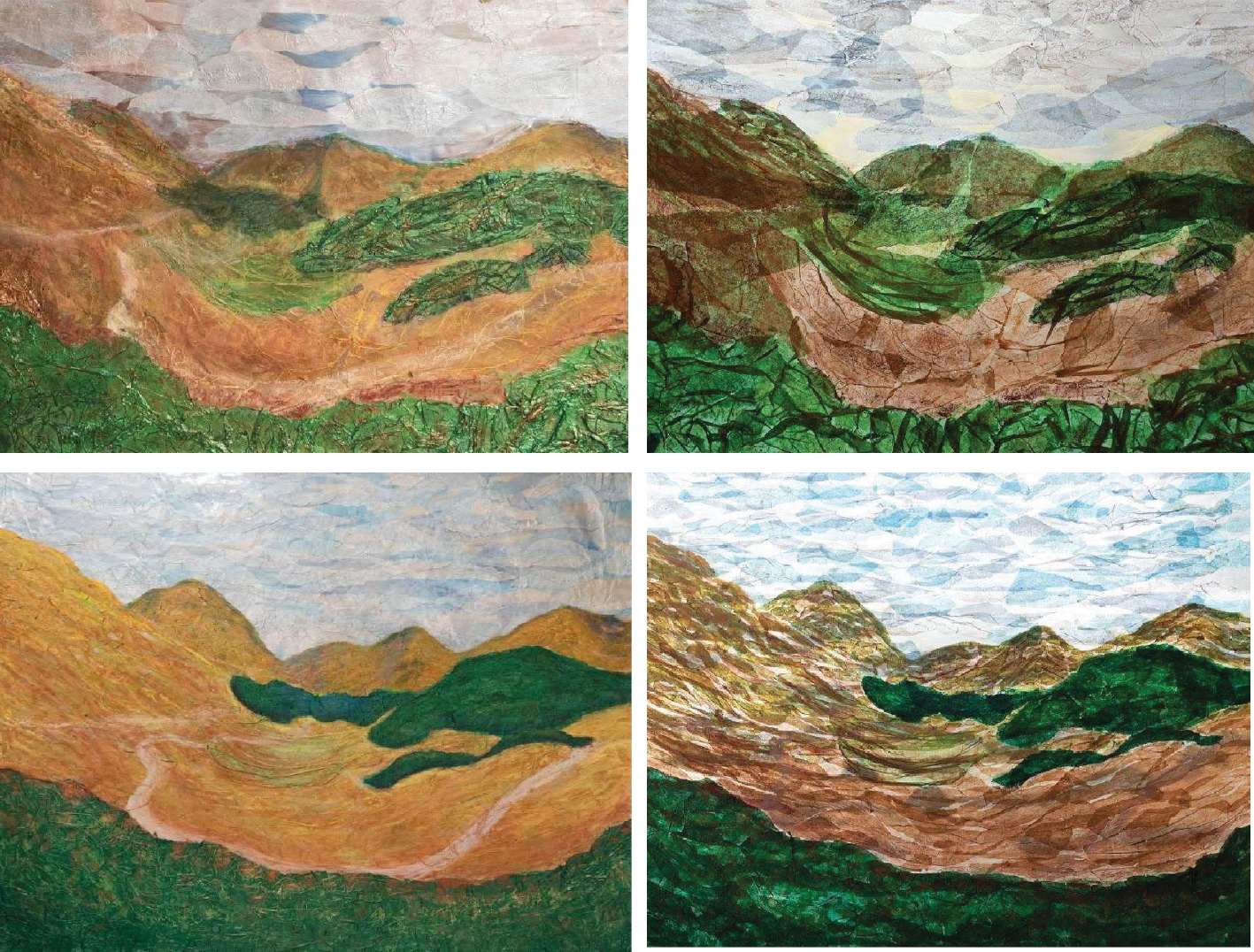
Figure 8 - Rest and Be Thankful viewpoint of the Western Highlands (collages 3 and 4; 20 × 26 inches and 4 × 5 feet), without and with natural light, Scotland, UK. Original art by Amelia R. Castelli.
Discussion
This arts-based inquiry utilized meditation practices, photography, journaling, sketching, and mixed-media collage as a way for the artist to discover a connection between nature, meditation, artmaking, and the self. The process of working with artistic layering and collage allowed the artist to explore the metaphor of the depths or parts of the self, akin to the layers of family, friends, emotions, and other lived experiences that become embedded in the fabric of one’s identity. In the following discussion, the artist uses first-person narration to share journal reflections on her process of making meaning after viewing the final imagery she created.
Artist’s Reflections on Photography
As the artist noted in her journal, “I take photos to preserve the essence of the landscape and the feelings they give me. When I look back at the photos that I have taken, each image transports me right back to the place where I took it and how I felt at that moment. Figure 4 transports me right to the Scottish Highlands, which is a natural environment that brings me presence and peace.”
She reflected that photographs offer an accessible way of capturing an image and preserving a memory. Image making through drawing, photography, and other forms can engage the senses. As Rubin (2010) described, art not only allows for a transformation of self but taps into hidden emotions, thoughts, or feelings, fostering growth and creativity.
Artist’s General Reflections on Layers
In her journal, the artist noted, “The layers that I was creating make me who I am, and as I add more layers, I step more into myself. These layers, however, also protect me, my inner core, my hidden emotions, and my artist self. I had a sense that the culmination of these various layers made me whole. Because of this art-making process, I feel that I have expanded my ability to accept my layers of experiences that have made me who I am today, which in turn has allowed me to be more vulnerable with myself and others and open to new opportunities and possibilities. The layering also invited me to consider how it could represent the burdens that one may carry, perhaps burdens of trauma or other difficult experiences built upon like heavy armor. As I layered the paper and ran my fingers across the surface of my artwork, I noticed contours and areas that were thicker than others. Though I intentionally layered the areas to provide texture and movement to the image, it struck me how something as subtle as tissue paper, when layered with glue, could transform to embody such a compact structure- a true dichotomy to my intentions in creating flowy and amorphous art. The process of deliberately placing that delicate paper allowed me to become more intimate and mindful of the landscape I was recreating. The layering became a meditation, one that allowed me to focus purely on presence, breath, and expression. Tear, glue, and press became my mantra, like a beautifully syncopated rhythm, emerging naturally like the movement of wind over the highland grasses, as seen in Figures 4, 6, 7, and 8, or the splashing of waves gently lapping on the rock jetty, as illustrated in Figure 5. Whether I was drawing, photographing, journaling, or collaging, the process was embedded in mindfulness, truth, care, and connection to myself. As I continued to develop my experience in this form of image making, I noticed that I became more present and aware of myself and my surroundings; I noticed this to be a spiritual process for me.”
In reflection, the artist discovered that when one engages in exploring the inner world, there can be a tapping of the greater sense of one’s wisdom to spirit and a greater connection to the universe (Baron & Watson, 2013). As Allen (1995), Brown (2010), and Machado (2020) noted, building a greater sense of one’s interior in tandem with the spiritual sense can lead to a greater sense of self-restoration and living more authentically and wholeheartedly.
Artist’s Reflections on Collage
In the journal, the artist wrote, “Collage is another accessible art form which can allow freedom of movement, shape, line, and contour with no rules or restrictions. I experimented with various collage mediums, which helped me discover which materials would effectively convey the layers and transparency I was feeling when doing meditations. I found that using a brown paper bag as a base, or canvas, felt natural, as it is non-traditional to the fine art world. I was looking for something accessible, sustainable, and non-conformist. In addition, the process of ripping up and placing magazine pieces became therapeutic. Each tear integrated a multi-sensory process of movement, sound, and visual engagement.”
As Allen (1995) notes, artmaking engages senses which can bring a deeper sense of awareness to one’s body and a point of mindful focus: “As I was making my collages, I noticed my self-confidence build and decided for my last collage that I wanted to go larger. My goal for this last collage, which I chose to make on Mylar, was to replicate the feeling I felt that brought me to photograph the landscape, but also to make a grand statement, to challenge myself, and to make it my best collage yet. What I discovered was that I did not like how this last collage looked, and I ended up becoming extremely frustrated and discouraged. I was not in a grounded or positive mindset when I started creating it, and did not have the motivation or inspiration to make this collage what I wanted it to be. Because of these difficulties, I turned to meditation. I realized that my feelings towards my artwork were a projection of how I was feeling in my life. I was frustrated with myself and was discouraged because my current situation was not where I wanted to be. In this realization, I also discovered that my personal spiritual journey was not going to be a continuous upward climb; I reminded myself that there will be plateaus and even some falls, but that does not mean I am regressing. Every step is part of a developmental process.”
“Since my change of mindset, I approached this college with more confidence. I created two separate layers, rather than just one, to create dimension within the composition. When placed together, the collages formed a landscape that welcomed the viewer to step into the natural world. I attempted to recreate the feeling of being so connected to and grounded within a landscape and its magic that the viewer is one with it.”
Allen (1995) says that our artistic images can tell us things; they can give us the answers to our struggles, if we pay attention and listen. When we sit with our art, we can find answers, and sometimes the way we view our work can show us new perspectives that we can infuse into our personal lives for growth and development.
Artist’s Reflections on Journaling and Meditation
In regard to her meditation practice, the artist wrote, “During this exploration, I discovered that journaling and collaging became a meditation for me. After my meditations in nature, I filled one-and-a-half sketchbooks with written and image-based reflections purely on my experiences within the meditations and natural environments. Meditation truly allowed me to be present with myself and delve into my inner world. Through journaling, which included writing, drawing, painting, and collaging, I began to deconstruct and understand my inner layers and found that a combination of mediums helped me to best express my inner self. I believe that the meditation and journaling process helped me to better accept and live a more authentic and wholehearted life. Throughout my meditation and journaling sessions, I discovered it was sometimes difficult and uncomfortable to acknowledge my inner layers that formed my shadow self. However, the process reminded me of the importance of being vulnerable.”
As Williams (2020) noted, meditation encourages self-identification. The process of being alone or sitting in stillness allows one to confront the self, which can be a very vulnerable practice, yet that vulnerability invites authenticity and a sense of genuineness of heart. There is no need to pretend or present in a certain way in meditation. The objective is to simply be, to be in truth, and to acknowledge the presence of the full self.
Conclusion
Photography, collage making, and reflective writing can offer an accessible and sustainable way of exploring the self, creative expression, and personal reflection. Further, the act of layering paper, one piece at a time, can manifest a mindful process promoting stress relief, relaxation, and aiding in soothing the nervous system. As one creates layers through collage, the depths and contours in the composition can offer a personal reflection of one’s interior world. Reflection on art can give way to the art’s meaning for the artist. Reflection offers an opportunity to metaphorically dive into the layers of the collage, revealing the creator’s intent, space within, and areas of new growth.
The crux of this work with inspired by and took place in nature. Spending time in nature can offer access to inspiration for image making, sensory stimulation, and a deeper connection to the universe at large, potentially widening a greater sense of spiritual connection. As author Thomas Berry describes in The Great Work (2010), it is our responsibility to work with nature, to witness its flourishing, and to learn how to better collaborate with it in harmony. Being reflective with nature, whether acknowledging its presence, finding meditative space to share, or creating images in its response, helps us build a relationship with responsibly minded environmental ethics, and personal spiritual awareness.
When we engage in the arts, a powerful avenue for self-expression is tapped, and one that engages the whole body. Bringing somatic awareness of self deepens one’s connection to the mind, body, and ultimately the spirit. The approach to working in nature with accessible materials to make collage is an invitation to therapists, practitioners, creatives, parents, and seekers of spiritual connection through arts and nature. Specifically, the mindful process of the layering collage technique invites creative expression in a non-judgmental manner that invites interpretation for the artist. The focus is on process, not product, exploration and openness opposed to reservation, and practice of presence.
Healing is a process that requires time, dedication, and willingness to be vulnerable to decipher what is helping one heal and what is preventing one from healing. Embarking on a healing journey that involved meditation, journaling, and artmaking required this author to examine the various layers that formed her inner world. She realized that being vulnerable enough to delve into her inner world was sometimes difficult, uncomfortable, and intimidating. This realization is demonstrated by her artistic process of layering and covering up the layers to avoid vulnerability. However, without being mindful and vulnerable, she was not able to acknowledge my inner layers and welcome them to become transparent. Just as my artwork incorporates the use of natural light to make the collages’ various layers visible, she had to bring light to her layers by exploring them. The artwork presented in this article reflects an important process of exploring ones inner world and spirituality and expressing it authentically and wholeheartedly to heal myself and to guide others on their healing journey.
About the Authors
Krystal L. Demaine, PhD, is a music therapist, expressive arts therapist, and professor of expressive therapies at Endicott College.
Author to whom correspondence should be addressed; E-Mail: kdemaine@endicott.edu.
Amelia R. Castelli is a therapeutic art practitioner, yoga instructor, and with a BFA in Art Therapy with a Photography minor from Endicott College, currently pursuing an MA in Clinical Mental Health Counselling. E-mail: amelia.castelli.photography@gmail.com.
References
Allen, P. B. (1995). Art is a way of knowing. Boulder, CO: Shambhala Publications. | |
Barton, M., & Watson, T. (2013). Inner spirit: Investigating how music therapists’ experiences of their spirituality may be relevant to their work. British Journal of Music Therapy, 27(2), 40–51. DOI: 10.1177/135945751302700204. | |
Berry, T. (2010). The great work: Our way into the future. Crown. | |
Brown, B. (2010, June). The power of vulnerability. Retrieved October 27, 2020, from https://www.ted.com/talks/brene_brown_the_power_of_vulnerability?language=en. | |
Brown, B. (2012, March). Listening to shame. Retrieved October 27, 2020, from https://www.ted.com/talks/brene_brown_listening_to_shame. | |
Brown, B. (2021). Definitions. Retrieved February 14, 2021, from https://brenebrown.com/definitions/. | |
Cameron, J. (1997). The vein of gold: A journey to your creative heart. New York, NY: Penguin Random House. | |
Craig, C., Menon, C. V., & Klein, M. I. (2015). A positive relationship between nature appreciation, emotional functioning, and perception of work value. Proceedings of the Human Factors and Ergonomics Society Annual Meeting, 59(1), 1061–1065. DOI: 10.1177/1541931215591298. | |
Eifring, H. (Ed.). (2016). Asian traditions of meditation. Honolulu: University of Hawai’i Press. | |
Freeman, R. C., Sukuan, N., Tota, N. M., Bell, S. M., Harris, A. G., & Wang, H. (2019). Promoting spiritual healing by stress reduction through meditation for employees at a veterans hospital: A CDC framework–based program evaluation. Workplace Health & Safety, 68(4), 161–170. 10.1177/2165079919874795. | |
Frentiu, R. (2023). Japanese calligraphy as a way to make the invisible visible. Newcastle upon Tyne, UK: Cambridge Scholars Publishing. | |
Holo, S. (2024). A meditation: In search of a deeper flourishing for the art museum as institution. In S. Halo (Ed.), Visual arts and human flourishing (pp. 205–216). New York, NY: Oxford University Press. | |
Kellert S. R. (2002) Experiencing nature: Affective, cognitive and evaluative development. In P. H. Kahn & S. R. Kellert (Eds.), Children and nature: Psychological, sociocultural, and evolutionary investigations (pp. 117–152). Cambridge, MA: The MIT Press. | |
Korpela, K., Borodulin, K., Neuvonen, M., Paronen, O., & Tyrvainen, L. (2014). Analyzing the mediators between nature-based outdoor recreation and emotional well-being. Journal of Environmental Psychology, 37, 107. DOI: 10.1016/j.jenvp.2013.11.003. | |
Luft, C., Zioga, I., Banissy, M., & Joydeep, B. (2019). Spontaneous visual imagery during meditation for creating visual art: An EEG and brain stimulation case study. Frontiers in Psychology, 10, 210. 10.3389/fpsyg.2019.00210. | |
Machado, S. (2020). I surrender to the sacred ways and walk the inner places: Donovan’s poem. Qualitative Inquiry, 26(10), 1244–1247. DOI: 10.1177/1077800419898488. | |
Mensah, C. A., Andres, L., Perera, U., & Roji, A. (2016). Enhancing quality of life through the lens of green spaces: A systematic review approach. International Journal of Wellbeing, 6(1), 142–163. 10.5502/ijw.v6i1.445. | |
Rios-Rodriguez, M. L., Rosales, C., Hernandez, B., & Lorenzo, M. (2024). Benefits for emotional regulation of contact with nature: A systematic review. Frontiers in Psychology, 15, 1402885. DOI: 10.3389/fpsyg.2024.1402885. | |
Rubin, J. A. (2010). Introduction to art therapy: Sources & resources. New York, NY: Routledge. | |
Salguero, C. P. (2018). Buddhist Medicine and Its Circulation. In Oxford Research Encyclopedia of Asian History. Oxford University Press. | |
Shaner, L., Kelly, L., Rockwell, D., & Curtis, D. (2016). Calm abiding: The lived experience of the practice of long-term meditation. Journal of Humanistic Psychology, 57(1), 98–121. DOI: 10.1177/0022167815594556. | |
Unsworth, S., Palicki, S.-K., & Lustig, J. (2016). The impact of mindful meditation in nature on self-nature interconnectedness. Mindfulness, 7, 1052–1060. DOI: 10.1007/s12671-016-0542-8. | |
Vitale, V., & Bonaiuto, M. (2024). The role of nature in emotion regulation processes: An evidence-based rapid review. Journal of Environmental Psychology, 96, 102325. DOI: 10.1016/j.jenvp.2024.102325. | |
White, M. L., Peters, R., & Schim, S. M. (2011). Spirituality and spiritual self-care: Expanding self-care deficit nursing theory. Nursing Science Quarterly, 24(1), 48–56. DOI: 10.1177/0894318410389059. | |
Williams, J. M. (2020). Stay woke: A meditation guide for the rest of us. Boulder, Colorado: Sounds True. |