“Emotions Can Get Me Too”: Autoethnographic and Psychodynamic Perspectives on the Artist-Researcher’s Well-being in NHS Pediatrics
Volume 11, Issue 2, Pages 235-251
Abstract
Witnessing illness in childhood and hospitalization can be deeply challenging experiences for researchers, yet the emotional labor involved often remains unspoken. This article explores how one artist-researcher navigated the emotional impact of conducting research in pediatrics through arts-based autoethnography and reflective practice. Through drawings, journaling, and metaphor, the first author shares her emotional journey during a 4-month research period in a children’s hospital. A psychodynamic therapist offers a series of reflections on the emotional material presented, offering clinical insight into metaphors for emotional safety. Together, this dialogic format provides a model for understanding and supporting emotional well-being in challenging research settings. The article concludes that arts-based autoethnographic methods provide a powerful tool for reflection, emotional processing, and knowledge generation. Building on these insights, we introduce a preliminary framework designed to guide researchers working in healthcare and other emotionally sensitive environments through creative and reflective approaches.
摘要
目睹儿童时期的疾病和住院经历对研究人员而言可能是极具挑战性的经历,但其中所蕴含的情绪劳动却常常未被言说。本文探讨了一位艺术研究者如何通过艺术为本的自传民族志与反思性实践,来应对儿科研究过程中的情感冲击。第一作者通过绘画、日记记录和隐喻等手法,分享了她在儿童医院进行为期四周研究期间的心路历程。一位心理动力学治疗师针对所呈现的情绪素材进行了一系列反思,为情绪安全的隐喻提供了临床洞见。这种对话式的模式为在具有挑战性的研究环境中理解和支持情绪健康提供了一个模型。本文得出结论,基于艺术的自传民族志方法为反思、情感处理和知识生成提供了一个强有力的工具。基于这些洞见,我们提出了一个初步框架,旨在指导在医疗保健和其他情感敏感环境中工作的研究人员采用创造性和反思性的方法。
Keywords
autoethnography, arts-based research, psychodynamic reflection, pediatrics, researcher well-being.
关键词
自传民族志, 艺术本位研究, 心理动力学反思, 儿科学, 研究者福祉.
History
Received 01 May 2025
Accepted 01 July 2025
Open Access
This is an open access article.
Introduction
This article represents an art-based interdisciplinary inquiry in a pediatric healthcare context through an authentic and reflective dialogue between two professionals: author 1 (artist-researcher) and author 2 (psychotherapist). This article explores how one artist-researcher navigated the emotional impact of conducting research in pediatrics through arts-based autoethnography and reflective practice through the lens of psychodynamic therapy. The aim of this article is to raise awareness and potentially support emotional well-being of the researcher’s emotions when they work with vulnerable individuals and witness illness in healthcare and other emotional sensitive settings.
Author 1 is sharing a personal account using arts-based exploratory investigation of emotional labor employed in pediatric settings and discussed through the lens of psychodynamic therapy by author 2 as a psychotherapist. We begin by outlining our personal and professional backgrounds to contextualize the dialogue that follows. We then describe the methodological frameworks that inform our approach. We explore what may unfold in the mind and heart of a researcher following hospital visits, and how these experiences are expressed through drawings and words. Building on these insights, we introduce a practical preliminary framework designed to guide researchers working in healthcare and other emotionally sensitive environments. This framework supports the use of creative, reflective approaches to explore personal experience, enhance understanding, and engage with complex emotional realities in research contexts.
Definitions
Emotional labor has been identified as a major contributing factor in stress and burnout in healthcare professionals who continually manipulate their emotions and perform in ways which do not reflect how they feel to cope with the emotional demands and expectations of their job (Hochschild, 2003; Riley and Weiss, 2016; Zapf & Holz, 2006). However, emotional labor is not monopolized by healthcare professionals. Research shows that artists who perform to patients in hospitals face several challenges where there is a higher concentration of pain, stress, trauma, need, and vulnerability (Preston, 2013). Thomson and Jaque (2012) argue that actors, although more psychologically aware, may be more vulnerable as they hold a mirror up to their own past trauma and loss-related experiences. In pediatrics, for example, actors and puppeteers may be exposed to triggers of challenging emotions and face significant emotional demands in hospital environments (Sextou et al., 2020). Fairchild (2018) shows how direct observation of child suffering and family hardship can trigger strong emotional responses such as responsibility, helplessness, and trauma for the artist-researcher. The scoping reviews by Bally et al. (2023) and Ullán and Belver (2021) highlight that artists and researchers simultaneously witness emotional distress and engage deeply with both patient and family emotions. This engagement exposes the artist-researcher to dealing with their own emotions (i.e., fear and anxiety) that emerge at the outcome of visiting hospitals to conduct research and may impact heavily on an artist’s emotional well-being (Sextou, 2016). This happens because the artist provides “emotional labor” in the form of care in an environment that can be emotionally draining (Preston, 2013). Emotionally safe, empathetic and emotionally resilient, self-aware, and self-reflective artists can better find a sense of control and ownership of their own emotions in overwhelming situations in healthcare environments (Sextou et al., 2020). Hence, artists who enter healthcare need a strong capability to self-care, feel, explore, and reflect on feelings and mental and emotional resources and skills to cope, feel secure, and perform in challenging settings (Hoggett et al., 2009; Houston, 2020).
Autoethnography as a research practice involves curving time and space for expression about one’s own emotions and experiences in a reflective way: described as “somewhere between a memoir and social scientific report” (Frank & Solbraekke, 2021, p. 80). Some autoethnographies are dialogic (Boydell & Lupton, 2023; Frank & Solbraekke, 2021; Zhang et al., 2021) or interdisciplinary and collaborative (Nowakowski & Sumerau, 2019), involving iterative reflection between two or more researchers and professionals from different disciplines, and this is the approach that we have adopted in our inquiry. Autoethnography, as defined by Ellis et al. (2011), allows researchers to draw on personal experience to understand broader cultural, political, and social meanings. Autoethnography demands the courage to remain emotionally present with discomfort. As Forber-Pratt (2015) writes, “autoethnography is not for the faint of heart”; rather, it is for the bold and fearless.
Psychodynamic therapy, within the context of this article, can be conceptualized as an integrative and therapeutic approach focusing on understanding and addressing the deep-seated emotional and psychological processes in the researcher. At its core, psychodynamic therapy is about understanding the individual’s internal world—their thoughts, emotions, fears, and fantasies—and how these internal experiences interact with their external reality, particularly their experience of illness and hospitalization (Gabbard, 2005). Modern psychodynamic therapy often integrates techniques from other therapeutic modalities, such as play therapy, art therapy, and narrative approaches, to make the therapeutic process more accessible and engaging for children. Through play, children can express thoughts and feelings that might be too complex or distressing to articulate verbally. Such creative expressions allow for the exploration of their emotional world in a non-threatening way (Axline, 1947; Winnicott, 1971). This work embodies the courageous act of autoethnographic witnessing and a playful behavior to interact with reality through metaphor, allowing the researcher’s art to become a vessel through which difficult truths are seen, felt, and shared.
Methodology
This article adopts an autoethnographic approach to explore the emotional and psychological experiences of conducting research in pediatric healthcare settings. Images and words were created by author 1 during a 4-month research period in outpatient pediatrics. Conversations during these liminal spaces (waiting rooms, corridors) stirred emotional echoes, often linking to her own lived experience of parenting and loss. To contain these emotions, she turned to drawing and metaphor, producing six expressive images accompanied by reflective text. She created drawings and wrote reflections as a means of self-compassion and growth in a private artistic and self-compassionate debrief practice (Gilbert, 2009). However, these creative practices were not part of the formal study with children and their caregivers, nor were they collected data from participants. This article arose from a separate, personal journey that was spontaneous and independent of the research process itself. It served as a private means of emotional reflection and meaning making, allowing for psychological processing in a way that did not interfere with or influence the study.
Following principles of ethical autoethnography (Adams et al., 2015), particular care was taken regarding self-disclosure, identity, and the blurred boundaries between professional and personal. The drawings, presented later in this article, reflect on the vulnerability of disclosing personal and embodied responses within scholarly contexts and the potential impact on how the work might be received. There are always moments when the researcher worries that the arts-based activity might “become traumatic or too close to their personal experiences” (Balfour et al., 2015, p. 117).
The Artist-Researcher’s Personal Context
As an academic, my work often employs arts-based research methodologies in pediatrics, using performative and mediated art forms to design, implement, and communicate research. In a healthcare setting, caring for emotions is described as “emotion work” and is defined as the effort we invest in recognizing and managing our own emotions and those of others (Hochschild, 1983; Smith, 2012). In my previous research, I used artistic contexts of performing bedside for children in pediatrics (Sextou, 2016, 2023). O’Connor and Anderson (2015) argue that the dramatic framing using theater conventions creates emotional distancing and recreates the focus of the event within the safety of the fictional world. I found that fiction is the artist-researcher’s “protective armor” against emotional engagement in events that take place in pediatrics. However, in the case of connecting with the parents/caregivers as a researcher outside the aesthetic conventions, the “protective armor” is dropped and that can leave the researcher exposed to emotional challenges and unprotected. In my case, bearing witness of parents/caregivers worries about their child’s illness in pediatrics involved a process of artistic autoethnographic translation drawing on arts-based methodologies to access the affective, relational, and embodied dimensions of clinical encounters.
Art-based research offers a means of engaging with experiences that are difficult to articulate within conventional qualitative frameworks, foregrounding the expressive, imaginative and multisensory qualities of knowledge production (McNiff, 1998). By situating the researcher’s own emotional and experiential involvement within an autoethnographic mode, the artistic process becomes a site for reflecting on the emotional and practical barriers involved in witnessing families’ hospital experiences, enabling a form of inquiry that acknowledges the complexities of empathy, proximity and professional responsibility. This resonates with Nelson’s (2013) account of practice-as-research, where creative practice functions simultaneously as method, analysis, and communicative form, generating insights that emerge through doing, sensing, and making rather than through detached observation. In this context, the artistic translation of encounters with parents and carers allows for a nuanced representation of my own fears, vulnerabilities, and coping practices while also allowing for me, as the researcher, to ethically examine the tensions, limitations, and affective labor embedded in the act of witnessing within pediatric care.
Boydell and Lupton (2023) argue that the concept of “bearing witness” is employed as a way of portraying the illness experience, allowing “the muted and painful body to once again meaningfully express itself to others,” thereby breaking the silence that has been imposed on it. In this article, the process that I use by drawing, doodling, and note-taking after my research visits in hospitals is referred to as arts-based autoethnographic representation of barring witness of illness and making meaning of events and emotions through metaphorical expression as a method. More specifically, I am exploring the metaphor of birds as creatures representing life and death, offering me a “therapeutic” outlet for my emotions without the need to filter them. Birds in my drawings, alongside written reflections, serve as my metaphorical and expressive responses to hearing discussions between parents and children and recreating parents’ experiences of anxiety and illness into visual and narrative artworks (Kraft, 2022). Kraft reflects on how translating these parental narratives helped her derive meaning from their experiences and informed discussions on her own emotional responses by combining her dual roles as artist-researcher and mother. This research methodology aligns precisely with my aim to find personal meaning of barring witness of illness and making meaning of life events and emotions, integrating that meaning into the discussion of emotional experience in pediatrics.
Then, I reached out to my colleague (author 2), inviting them to engage with these artistic expressions. As a psychodynamic psychotherapist, he engaged with these visual and verbal artifacts through a process of dialogic analysis, drawing on principles of containment, reverie (Bion, 1962), and countertransference. Rather than “interpreting” the artist’s experience, his role was to witness and hold the emotional residue of the work, much like a therapist might hold a client’s distress without needing to solve it. This collaboration became an interdisciplinary dialogue between autoethnography and psychodynamic therapy.
In this way, our methodology combines autoethnographic inquiry, arts-based tools, and psychodynamic reflection, offering an emotionally intelligent, interdisciplinary lens through which to better understand the inner world, needs, and potential abilities of the researcher in pediatric settings.
Reflective Drawings of Bearing Witness
Notes from My Diary after Hospital Visits
“Today was one of those days that hangs on my heart like fog. I walked through the pediatrics outpatient room again, and it felt like stepping into a glass bubble, an ornament for a Christmas tree, where time was frozen. These little ones remind me of young birds caught in stillness. And I watch them, wishing I could lift them up and let them out of the bubble in the sun again, bringing smiles to their faces. One girl, maybe six, looked at me today with her big brown eyes. She looked at me and I swear it broke something in me. I observed her interacting with her parent on a tablet, silent. No words, just those eyes whispering the unspoken to my ears… Why me? Why here? Why now? I felt connected. In a secret dialogue. I left feeling both full and empty. Full of their bravery, the quiet strength. Empty with the ache of not being able to do more. How much can a researcher do? If love and care could lift that girl, she’d be flying by now.”
(Notes from the author’s diary). Reflective drawings of bearing witness are presented in Figures 1 to 6.
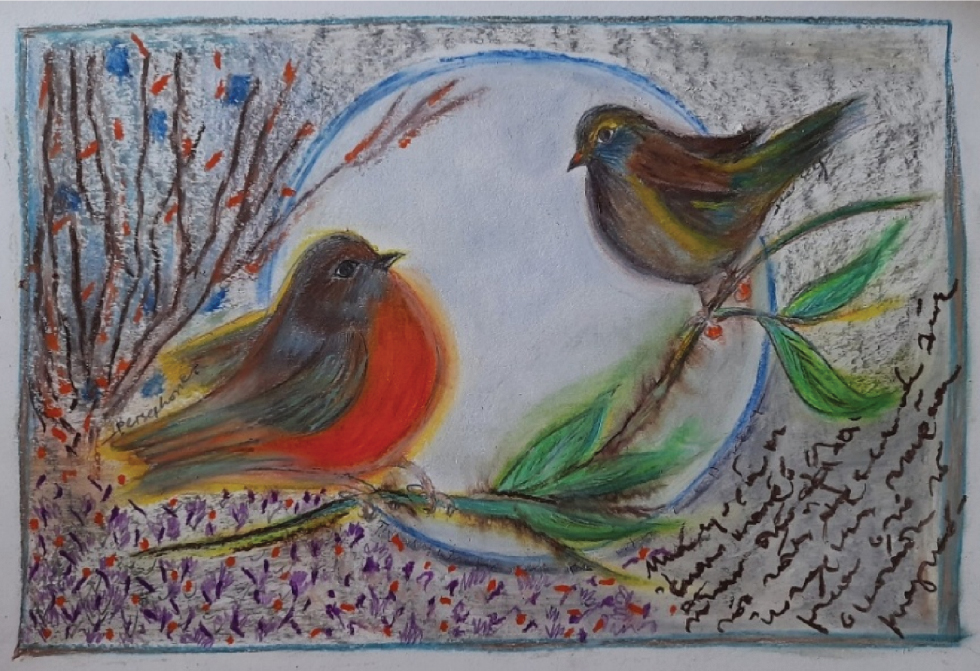
Figure 1 - Asking questions in the magical darkness.
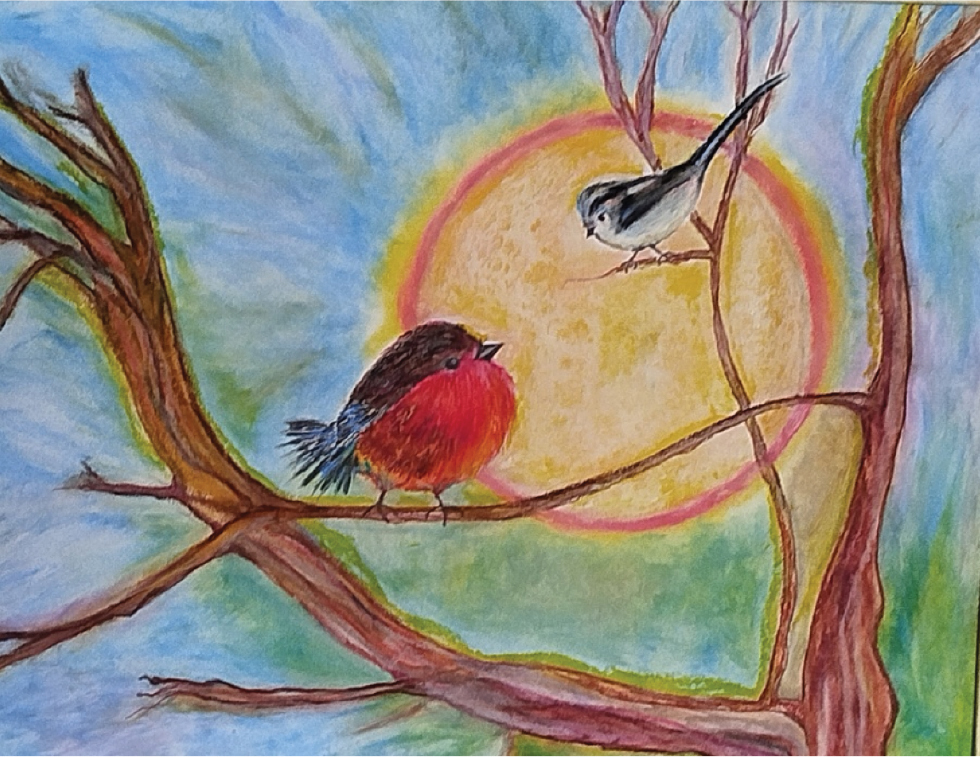
Figure 2 - Softened conversations.
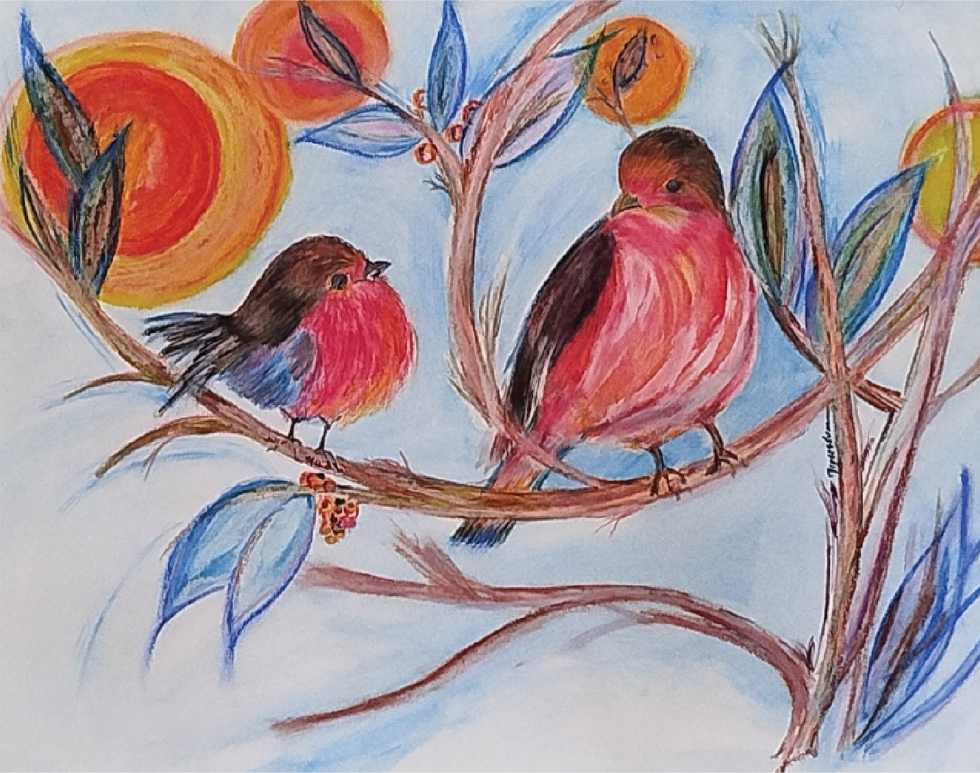
Figure 3 - Inflamed conversations.
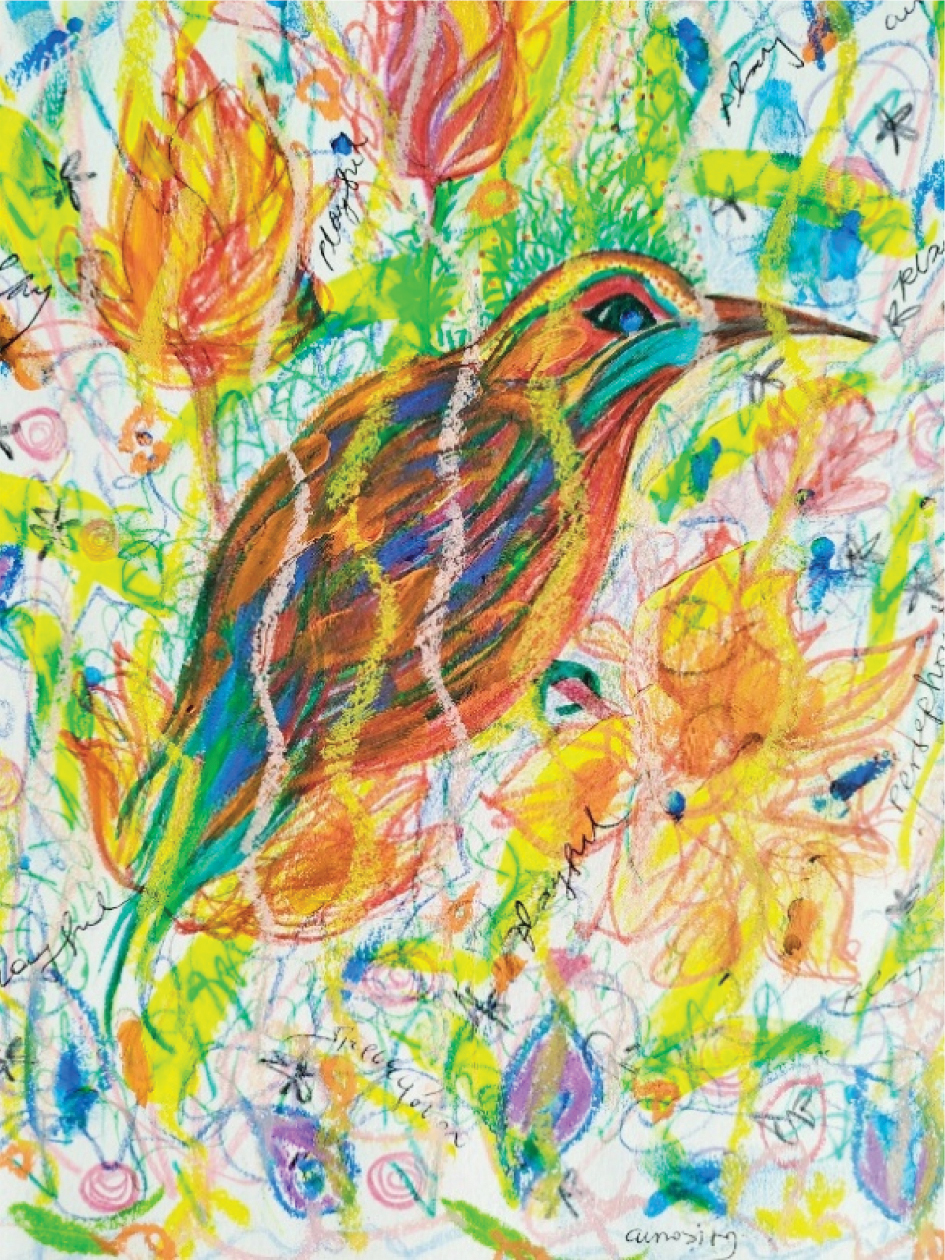
Figure 4 - Curiosity, playful, play.
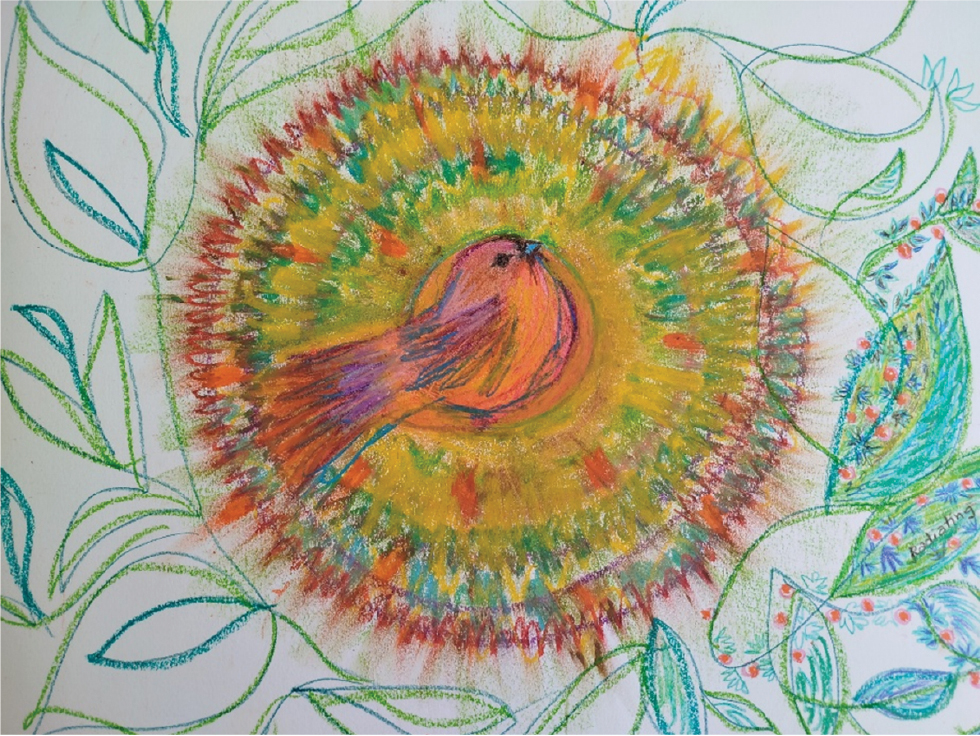
Figure 5 - Radiating.
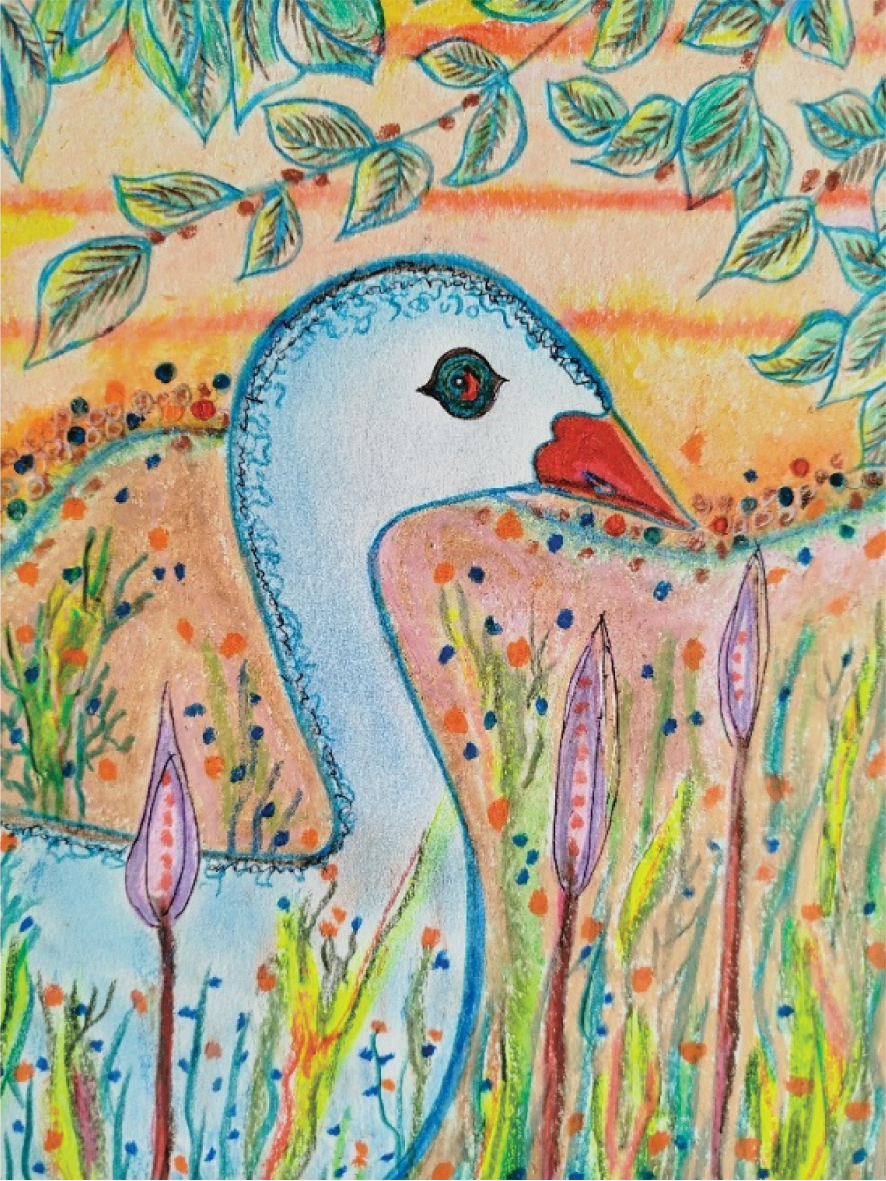
Figure 6 - No title.
Reflections: Discussion from a Psychodynamic Perspective
As a psychotherapist, reading this personal account recalled the Winnicottian idea of the “holding environment.” In Winnicottian theory (1960), the “holding environment” refers to the safe and supportive space created by a caregiver (often the mother) that fosters a child’s emotional and psychological development. This environment allows the child to explore, experiment, and develop a sense of self without feeling overwhelmed by external pressures or internal anxieties (Knight, 2020). In therapeutic work, the therapist aims to recreate this holding environment, providing a safe space for the patient to regress, explore their emotions, and ultimately develop a stronger sense of self. In the holding environment, the patient’s emotional states are met with empathy, attunement, and psychological safety. It is not about interpretation or intervention at first, but about being with—present, steady, and non-intrusive.
As a psychodynamic therapist, I am not here to analyze her emotions but to witness them, to receive the emotional residue that lingers in the wake of her hospital encounters, and to offer a frame for what otherwise might remain unspoken or unprocessed. The concept of holding is particularly apt here because the artist-researcher herself is in the role of holding others—parents, carers, children—often without preparation or protective structure. The emotional labor she describes is uncontracted, unseen, and unremunerated. And yet it is profound. She becomes a container for the projections, fears, and anxieties of families in crisis. In doing so, she is also exposed—her own emotional skin thinned by personal grief, maternal memory, and artistic sensitivity.
What my colleague (author 1) describes resonates with what Bion called “reverie”—the therapist’s capacity to receive the raw, pre-verbal emotional material of the other and metabolize it through the self. The Bionian perspective on reverie is the mother’s ability to dream the child’s sensorial impressions and emotions elaborates them when the child is not yet able to do it. Bion, in his way of conceiving reverie, tends to configure each of the child’s sensorial experiences as a possible source of anxiety (Bion, 1948). In this article, journals, drawings, and poetic metaphors function as acts of reverie. They are emotional digestives, attempts to make sense of what could otherwise overwhelm.
Birds are not merely symbolic; they function as transitional objects, emotional and perceptual bridges between inner experience and external reality. In psychological terms, a transitional object, a concept introduced by Donald Winnicott (1953), is something—often a toy or familiar object—that a child uses to navigate the space between dependence and independence, between self and other. Here, birds serve a similar purpose: They hold and carry complex emotions that are difficult to express directly such as grief, love, helplessness, and beauty. Their fleeting presence, fragility, and movement between earth and sky reflect and contain the emotional flux of the artist-researcher. As transitional objects, birds become crafts for meaning making grounding the intangible in the tangible, allowing emotions to be witnessed, felt, and slowly integrated.
Importantly, the absence of the “fictional frame” in this project (which had previously offered a protective boundary during bedside performances) leaves the researcher exposed. In psychodynamic terms, this boundary loss collapses what Winnicott (1960) would call the “potential space” between self and other, art and reality. In its absence, unfiltered emotional experiences can breach the threshold of containment. Here, we see a real-time example of how countertransference emerges—not in therapy, but in research. The artist’s body registers what the parents cannot speak. Her own maternal memories become entangled with those she encounters. The work becomes not just observation, but absorption. This is where psychodynamic reflection becomes essential—not to pathologize, but to restore symbolic distance. The ability to name the emotional process gives it structure. The act of writing—together—becomes a co-created holding environment, in which emotional residue is no longer solitary but shared, no longer free-floating but symbolically housed.
Encountering my colleague’s drawings and reflective writing, I was struck by their emotional resonance—not only as creative artifacts, but as containers of complex, unspoken experience. In clinical terms, I experienced them as emotion that could not be directly expressed found shape and color in metaphor, inviting me to hold, digest, and reflect their meaning. The image of the young girl’s eyes is haunting. It speaks not only to the child’s vulnerability but also to the researcher’s own history, capacity for empathy, and perhaps unresolved experiences that are being stirred in the silence of the ward. The fog she describes is not just atmospheric—it is psychic. It suggests dissociation, overwhelm, but also an attempt to metabolize sorrow that has no outlet. The diary, the drawings, and even the colors used in doodling become a form of psychic processing—a kind of therapeutic “free association in color and image.” Drawings here may communicate unspoken feelings as received at a visceral, somatic level.
The account of drawings reveals an interplay between outer observation and inner experience. In psychodynamic terms, what she is describing is a form of emotional containment—the researcher becomes the vessel into which powerful, unprocessed emotions are unconsciously projected by the environment. This is not passive; it is an active, affective labor. The drawings coincide with Winnicott’s (1960) concept of the holding environment: the psychological space in which one’s feelings can be safely experienced without disintegration. In the clinical setting, the therapist holds the patient’s distress; in this article, I had the privilege of holding the artist-researcher’s emotional residue—not to analyze or solve, but to witness and offer a containing frame.
The recurring motif of birds appeared to me as more than symbolic creatures. From a psychodynamic perspective, these may represent disavowed aspects of the self: grief, vulnerability, maternal fear. The drawings functioned as what Bion (1962) might call “pre-conceptions” in search of a container. In Bion’s theory, “pre-conceptions” are unformed ideas within the mind that guide how we perceive and organize incoming sensory data. They are the raw material from which thoughts develop. Drawings in the context of this article may be perceived as unprocessed emotional material that could become thinkable only when symbolized.
In our collaboration, I consciously resisted the urge to impose interpretation. Instead, I approached the material with negative capability—Keats’s term (1817), later taken up in psychoanalysis, to describe the capacity to stay with uncertainty and emotional ambiguity without the need for immediate answers or explanations. It is the capacity to remain in a state of wonder and contemplation, even when faced with complex or ambiguous situations (Rejack & Theune, 2019). Keats believed this quality was essential for artistic achievement, particularly in literature, allowing for deeper engagement with the subject matter and a more profound understanding of human experience. The color, texture, and words of each image in this article functioned like free associations in a session: opening affective doors rather than closing them. What emerged was not a series of clinical readings but an act of mutual witnessing allowing for deeper engagement with the researcher’s emotions and a better understanding of her experience as researcher in pediatrics.
I came to see these images not as attempts to communicate something to me, but as creative containers for something that could barely be said at all. In that sense, they performed the work of sublimation, transforming raw emotional experience into something both expressive and bearable. The very act of sharing these drawings and words with me, another professional with different but adjacent training, became part of the debrief. As such, our collaboration mirrors a therapeutic alliance: a bounded, respectful space where experience is named, not diagnosed; where the personal is protected, not pathologized.
In this collaboration, we do not offer answers but resonance. In the drawings and narratives, I see courage. In grief, I see vitality. And in metaphors, I see the therapeutic impulse—not only to make sense of suffering but to transform it. The researcher engages in an act of humanism and idealism: using personal experience not as a private burden but as a shared resource. Like transitional objects (Winnicott, 1953), birds as metaphors become bridges between the internal world of emotion and the external world of research. They hold and contain emotions, allowing others to find meaning, connection, and support through vulnerability. This is more than autoethnography; it is a generous offering—one that transforms personal narrative into collective resonance and reaffirms the ethical and emotional possibilities of scholarly work.
A Preliminary Framework for Researchers Working in Emotionally Sensitive Settings
Building on the emotional and methodological insights of arts-based autoethnographic research, we introduce a preliminary framework that serves as a starting point for further development and adaptation, inviting refinement and contextualization by others working in emotionally sensitive research settings. With this framework, we aim to encourage a more emotionally intelligent, ethical, and creative research in healthcare services and beyond that allows researchers to interact with research participants without being emotionally exposed and unprotected.
Although article focuses on the experience of a single researcher, and therefore reflects a specific and personal perspective, this limitation is also integral to the nature of autoethnographic inquiry. The depth and richness of the account offer valuable insight, albeit its scope is necessarily limited. However, the framework is grounded in a broader understanding of psychodynamic therapy and a human-centered understanding of how we carry, hold, and make sense of emotional experience. We recognize that when researchers enter emotionally charged settings such as hospitals, clinics, or care environments, they are not passive observers. Instead, they become vessels through which emotion flows, often absorbing unspoken feelings.
Drawing on three central psychodynamic ideas from this article, we shape this framework (Figure 7):
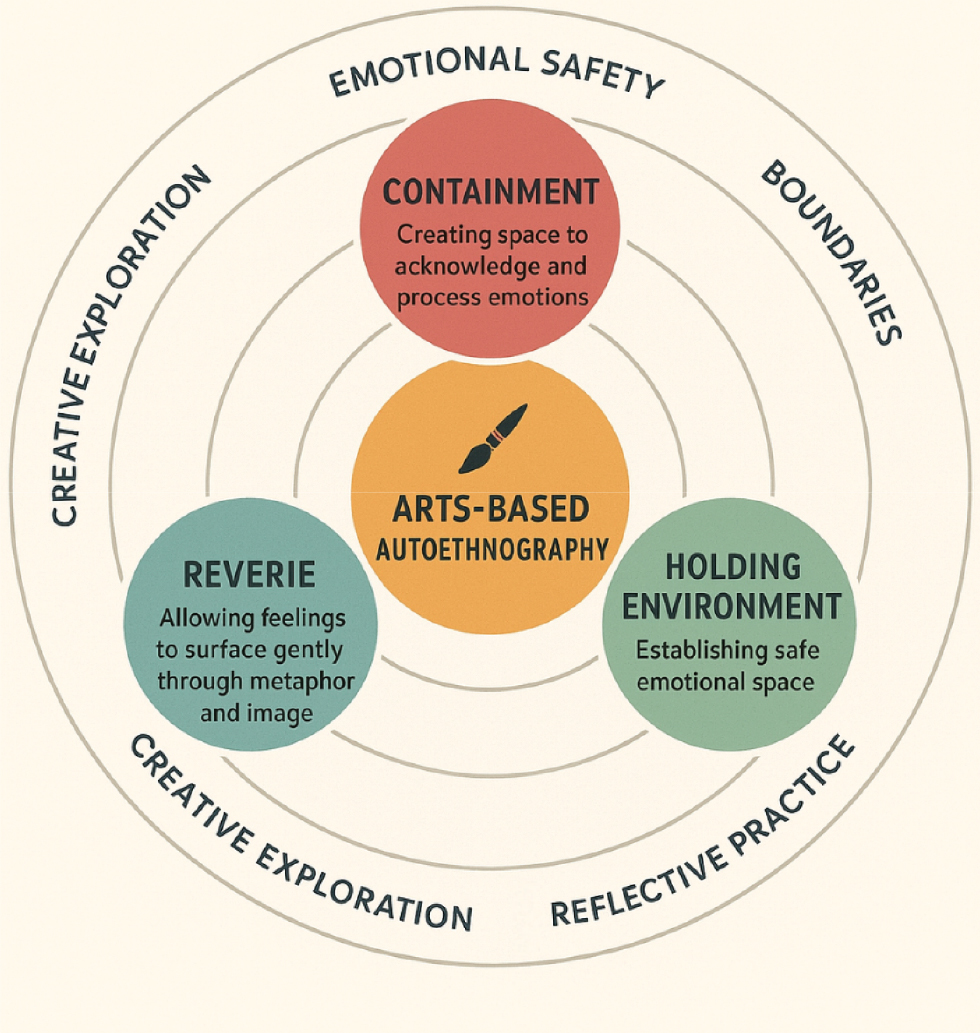
Figure 7 - Visual representation of the framework.
Containment is about creating space, internally and externally, for researchers to safely acknowledge and process the emotions stirred during their work. The framework confirms this by encouraging reflective practices such as journaling or drawing that help researchers hold and work through what they feel.
Reverie allows feelings to surface gently through metaphor and image. Artistic methods like doodling, narrative writing, and symbolic imagery can offer researchers a way to deepen their awareness. This idea directly informs the framework’s emphasis on art as reflective practice and the use of metaphor and symbolism.
The holding environment, originally conceived as the safe emotional space a caregiver offers a child, here becomes a metaphor for what researchers also need, a sense of emotional safety. This is mirrored in the framework to establish support structures, whether through supervision, peer dialogue, or informal care networks, and to maintain boundaries that protect both researcher and participant.
We are drawing on these psychodynamic concepts not in a clinical or diagnostic way, but as compassionate ways of understanding emotional experience.
Each of the framework’s core principles flows from these foundations:
Acknowledge emotional labor, which resonates with the need for containment recognizing, naming, and honoring what is felt, rather than suppressing it.
Use art as reflective practice, which is a form of reverie inviting emotional meaning to emerge through non-verbal and symbolic forms.
Embrace autoethnographic approaches, which reflects a holding stance toward the self and welcomes personal experience as meaningful while maintaining the ability to step back and reflect.
Maintain ethical and emotional boundaries, which ensures the researcher is not over-exposed, echoing the importance of safety and containment in emotionally complex environments.
Engage in psychodynamic reflection, which acknowledges that we are emotionally affected by those we work with and that paying attention to these responses can deepen our insight.
Use metaphor and symbolism, which honors the fact that not all emotion can (or should) be directly expressed. Some feelings are better held in image, gesture, or poetic form.
Establish support structures, which reinforces the need for a holding environment. Formal or informal spaces are needed where emotional weight can be shared and softened.
Cultivate interdisciplinary literacy, which supports the ability to translate emotional insight across contexts and professions, helping clinical staff, scientists, artists, and therapists understand the value of emotionally intelligent research.
Develop ethical reflexivity, which encourages ongoing awareness of how our identities, histories, and emotions shape our research and work relationships, especially in interaction with vulnerable individuals and communities.
In essence, this framework draws on psychodynamic ideas not to impose a theory, but to offer a compassionate and creative lens that affirms the complexity of feeling, the power of metaphor, and the need for care in emotionally charged research spaces.
A Concluding Thought and a Poem
This interdisciplinary approach combining autoethnography, artistic expression, and psychodynamic reflection bridges the gap between art and science. This article has highlighted how arts-based autoethnographic research can bring to light the often-invisible emotional labor of researchers working in pediatric settings. Bearing witness to childhood illness and hospitalization is an emotionally charged experience, frequently requiring researchers to hold distress while maintaining professional boundaries. We have demonstrated how artistic and written expressions such as drawings, doodles, and metaphoric language can serve as powerful tools for processing the emotional complexity of research experiences in environments of illness and pain. Consequently, the article concludes with a preliminary framework, a sense of hope and confidence in the transformative potential of the arts, even within the most challenging contexts. In a sense, the framework becomes a gentle container that invites researchers to attend to the emotional labor of their work with care, depth, and creativity.
Bearing Witness
So, she walks into the hospital
with inquiry in her head, a notebook in her hand
and a soft heart in her chest.
She is not a doctor.
Not a nurse.
She is here to see,
to feel,
to understand.
She cares,
but she also needs to stay distant, safe.
She feels so much,
but cannot show everything.
She is reserved.
And later, when she is alone, she draws.
The pictures help her say
what she cannot say with words.
She draws birds.
They become her way
to show emotions
that are hard to explain.
Through her drawings and writing,
she learns about the children, their parents,
and about herself,
her past,
her memories, her present, her feelings.
This is not therapy, this is not science
but, it brings deep knowledge.
Art, research and feeling merge,
the personal is global,
the pain is cosmic,
woven deep into her head, her notebook her chest,
raw,
true,
and tender with meaning.
Safe.
About the Authors
Persephone Sextou is a professor in performing arts (Applied Theatre for Health and Wellbeing) at Leeds Beckett University in England. Prof. Sextou’s funded research has pioneered the conceptualization and development of a ground-breaking applied theater bedside model using digital technology of direct benefit to hospitalized children’s well-being in pediatrics gaining international impact. She is a leading expert in interdisciplinary, mixed-methodologies, arts-based, creative health research. Sextou is currently a consultant for Creative Health Malta in Europe and a visiting professor at the University of New South Wales Sydney in Australia. Her research collaboration with Prof. Michael Balfour in the Future Stories study (ARC grant) uses VR technology with young people in hospitals. She is editorial member and reviewer for academic journals in her field and has a successful record of over 50 publications in English and Greek, of which 5 are monographs, and citations in 10 languages. Her books Applied Theatre in Paediatrics: Stories, Children and Synergies of Emotions (Routledge, 2023) and Theatre for Children in Hospital: The Gift of Compassion (Intellect, 2016) have influenced parliamentary reports in the United Kingdom and scholarly debates about the practice and policy of the arts in healthcare globally. Sextou’s practice-as-research projects are funded by The Lottery Community Fund, NHS Arts, BBC Children in Need, Philanthropy, and City Council Arts Development grants. The Glowing Stars study, led by Sextou, focuses on improving hospital experiences for children undergoing MRI scans by combining interdisciplinary principles across applied arts with cutting edge digital tools.
https://www.leedsbeckett.ac.uk/staff/professor-persephone-sextou/
https://www.persephonesextou.co.uk/
Author to whom correspondence should be addressed: Professor Persephone Sextou, Director of the Creative Arts and Health Laboratory (CAHREL), Leeds Beckett University. E-Mail: p.sextou@leedsbeckett.ac.uk; ORCID ID: https://orcid.org/0000-0002-0884-7041.
Stelios Kiosses is a psychotherapist and the Clinical Lead for Edison Education. He manages a multidisciplinary team ensuring the delivery and integration of evidence-based clinical and therapeutic practices and provides extensive training and supervision to associate therapists and formal work experience of graduate psychologists. He studied psychodynamic counseling and clinical supervision at the University of Oxford and was previously trained in psychotherapy and experimental psychology at Sussex University. He is an associate member of the American Psychological Association and a member of both the British Association for Counselling and Psychotherapy and the British Psychological Society. He is a member of Corpus Christi College Oxford and a research collaborator with Prof. Robin Murphy’s Computational Psychopathology Research Group based at the University of Oxford. Stelios currently teaches at Harvard University Extension School. He was originally appointed as an honorary senior lecturer at the Department of Psychiatry of the University of Birmingham teaching on the MS in Psychiatry (Family and Mental Health). In his public role, he has acted as a UK TV psychologist and presenter for Channel 4’s hit series “The Hoarder Next Door” and currently is patron of the Prince’s Foundation School of Traditional Arts, one of HRH Prince of Wales core charities. https://www.stelioskiosses.com/. Stelios Kiosses, Psychotherapist, Clinical Lead for Edison Education. E-Mail: Steliostherapy@gmail.com
Conflicts of Interest
The authors declare no conflict of interest.
References
Adams, T. E., Jones, S. H., & Ellis, C. (2015). Autoethnography: Understanding qualitative research. Oxford University Press. | |
Axline, V. M. (1947). Play therapy; The inner dynamics of childhood. Houghton Mifflin. | |
Balfour, M., Sandford, R., & Woodrow, N. (2015). Transforming teaching and learning in the arts and humanities: Case studies from the creative disciplines. Bloomsbury Academic. | |
Bally, J. M. G., Burles, M., Spurr, S., & McGrath, J. (2023). Exploring the use of arts-based interventions and research methods in families of seriously ill children: A scoping review. Journal of Family Nursing, 29(4), 395–416. https://doi.org/10.1177/10748407231165119 | |
Bion, W. R. (1948). Psychiatry at a time of crisis. British Journal of Medical Psychology, 21(Pt 2), 81–89. https://doi.org/10.1111/j.2044-8341.1948.tb01159.x | |
Bion, W. R. (1962). A theory of thinking. International Journal of Psycho-Analysis, 43, 306–310. | |
Boydell, K. M., & Lupton, D. (2023). Bearing witness poetically in a pandemic: Documenting suffering and care in conditions of physical isolation and uncertainty. Medical Humanities, 50, 52–59. https://doi.org/10.1136/medhum-2023-012768 | |
Ellis, C., Adams, T. E., & Bochner, A. P. (2011). Autoethnography: An overview. Forum: Qualitative Social Research, 12(1), 10. https://doi.org/10.17169/fqs-12.1.1589 | |
Fairchild, R. (2018). Personal experiences of vicarious trauma and resilience within child-welfare research: An arts-based reflection. Journal of Applied Arts & Health, 9(3), 399–409. https://doi.org/10.1386/jaah.9.3.399_1 | |
Forber-Pratt, A. J. (2015). “You’re going to do what?” Challenges of autoethnography in the academy. Qualitative Inquiry, 21(9), 821–835. https://doi.org/10.1177/1077800415574908 | |
Frank, A. W., & Solbrækhke, K. N. (2021). Becoming a cancer survivor: An experiment in dialogical health research. Health: An Interdisciplinary Journal for the Social Study of Health, Illness and Medicine, 27(1), 78–93. https://doi.org/10.1177/13634593211005178 | |
Gabbard, G. O. (2005). Psychodynamic psychiatry in clinical practice (4th ed.). American Psychiatric Publishing. | |
Gilbert, P. (2009). The compassionate mind. Constable & Robinson. | |
Hochschild, A. R. (1983). The managed heart: Commercialization of human feeling. University of California Press. | |
Hochschild, A. R. (2003). The commercialization of intimate life: Notes from home and work. University of California Press. | |
Hoggett, P., Mayo, M., & Miller, C. (2009). The dilemmas of development work: Ethical challenges in regeneration. Policy Press. | |
Houston, S. (2020). The touch of the social: Arts-based methodologies in the time of distance. Qualitative Inquiry, 27(7), 877–887. | |
Keats, J. (1817). Letter to George and Tom Keats (Note: Include source editor/publisher if cited from an edited volume or archive). https://en.wikisource.org/wiki/Letter_to_George_and_Thomas_Keats,_December_28,_1817 | |
Knight, Z. G. (2020). Empathy as core to the development of holding and recognition: The case of Garret. Research in Psychotherapy, 23(2), 457. https://doi.org/10.4081/ripppo.2020.457 | |
Kraft, N. P. (2022). Mothers as artist researchers: Translating parental narratives of childhood illness through arts based reflective practice. Arts & Health, 14(4), 321–335. | |
McNiff, S. (1998). Art-based research. Jessica Kingsley Publishers. | |
Nelson, R. (2013). Practice as research in the arts: Principles, protocols, pedagogies, resistances. Palgrave Macmillan. | |
Nowakowski, A. C. H., & Sumerau, J. E. (2019). Normal Queers: Straight talk about LGBTQ lives. Lexington Books. | |
O’Connor, P., & Anderson, M. (2015). Applied theatre: Research. Bloomsbury. | |
Preston, S. (2013). Drama therapy and descent: A Theatre of the Oppressed approach to working with vulnerable young people. Routledge. | |
Rejack, B., & Theune, M. (Eds.). (2019). Keats’s Negative Capability: New origins and afterlives. Liverpool University Press. | |
Riley, R., & Weiss, M. C. (2016). A qualitative thematic review: Emotional labour in healthcare settings. Journal of Advanced Nursing, 72(1), 6–17. https://doi.org/10.1111/jan.12738 | |
Sextou, P. (2016). Theatre for children in hospital: The gift of compassion. Intellect. | |
Sextou, P., Karypidou, A., & Kourtidou Sextou, E. (2020). Applied theatre, puppetry and emotional skills in healthcare: A cross-disciplinary pedagogical framework. Applied Theatre Research, 8(1), 89–105. https://doi.org/10.1386/atr_00028_1 | |
Sextou, P. (2023). Applied Theatre in Paediatrics. Stories, Children and Synergies of Emotions. Routledge. | |
Smith, P. (2012). The emotional labour of nursing revisited: Can nurses still care? (2nd ed.). Palgrave Macmillan. | |
Thomson, P., & Jaque, S. V. (2012). Holding a mirror up to nature: Psychological vulnerability in actors. Psychology of Aesthetics, Creativity, and the Arts, 6(4), 361–369. https://doi.org/10.1037/a0028911 | |
Ullán, A. M., & Belver, M. H. (2021). Visual arts in children’s hospitals: Scoping review. HERD Health Environments Research & Design Journal, 14(4), 339–367. https://doi.org/10.1177/19375867211003494 | |
Winnicott, D. W. (1953). Transitional objects and transitional phenomena; A study of the first not-me possession. International Journal of Psychoanalysis, 34, 89–97. | |
Winnicott, D. W. (1960). The theory of the parent-infant relationship. International Journal of Psycho-Analysis, 41, 585–595. | |
Winnicott, D. W. (1971). Playing and reality. Tavistock Publications. | |
Zapf, D., & Holz, M. (2006). On the positive and negative effects of emotion work in organizations. European Journal of Work and Organizational Psychology, 15(1), 1–28. https://doi.org/10.1080/13594320500412199 | |
Zhang, N., Han, W., & Zheng, Z. (2021). Three mediating pathways of anxiety and security in the relationship between coping style and disordered eating behaviors among Chinese female college students. Neural Plasticity, 2021, 7506754. https://doi.org/10.1155/2021/7506754 |