One Canvas, Many Selves: Psychodynamic and Developmental Perspectives on Arts-Based Supervision in the Training of Arts Therapists
Volume 12, Issue 1, Pages 54-68
ABSTRACT
This article explores the integration of arts-based methods in clinical supervision through a qualitative case study of the One Canvas model. Drawing on psychodynamic and developmental theories, the study documents a year-long individual supervision process with an art therapy trainee in her final practicum year, conducted at an out-of-home residence for children at risk in Israel during the 2024–2025 wartime context. The evolving shared canvas served as both a symbolic and relational space, enabling the externalization of unconscious material, reflection on countertransference and parallel process, and exploration of professional identity. Through selected images and supervisee reflections, the paper demonstrates how visual arts can deepen supervisory dialogue and support emotional containment, narrative coherence, and transformative learning. Implications for supervisory practice and ethical considerations including dual countertransference and boundary discernment are discussed.
摘要
本文通过对“同一画布”(One Canvas)模型的质性案例研究,探讨了艺术本位方法在临床督导中的整合应用。本研究结合心理动力学与发展理论,记录了一名处于最后实习阶段的艺术治疗实习生所经历的、为期一年的个体督导过程。该督导在 2024 至 2025 年战时背景下,于以色列一家高危儿童校外寄宿机构中开展。其中,不断演变的共享画布充当了符号与关系空间,促成了无意识材料的外化、对反移情与平行过程的反思,以及对专业认同的探索。通过精选的图像与受督导者的反思,本文展现了视觉艺术在深化督导对话,并支持情绪容纳、叙事连贯性以及转化性学习方面的发生。本文也探讨了该模式对督导实践的启示,以及包含双重反移情与边界辨识在内的伦理考量。
Keywords
Arts-based supervision, One Canvas, Art therapy training, Psychodynamic supervision, Parallel process and, countertransference, Professional identity formation.
关键词
艺术本位督导, 同一画布, 艺术治疗培训, 心理动力学督导, 平行过程, 反移情, 专业认同建构.
History
Received July 2026
Accepted July 2026
Open Access
This is an open access article distributed under the CC BY 4.0 license (https://creativecommons.org/licenses/by/4.0/).
1. INTRODUCTION
Supervision in art therapy is not a technical or purely educational procedure. It requires tolerating uncertainty, managing performance anxiety, and negotiating blurred boundaries between the personal and professional self. Supervision serves as a containing space in which the therapist’s emotional, ethical, and relational dilemmas can be held, thought about, and transformed. In this way, supervision enhances therapeutic efficacy, not least by enabling therapists to reflect upon, refine, and sometimes responsibly stretch the boundaries of practice through intentional and ethically reasoned boundary crossings (Green, 2021; Schaverien, 1999; Stoltenberg, 1981). Verbal supervision frameworks dominate training and often suffice in some contexts. Yet they often struggle to access, contain, and communicate the multilayered effect that underpins clinical work, especially in the arts therapies, where visual and symbolic languages shape meaning (Fish, 2008; McNiff, 2004, 2020; Nash, 2020; Wadeson, 2010). Arts-based supervision addresses this gap by inviting supervisees to produce visual responses that communicate clinical understanding and lived experience while reducing premature judgment and imposed interpretation (Fried & Zehavi, 2022).
Arts-based supervision, and specifically visual methods such as the One Canvas model, offer a compelling alternative. Developed in part from Miller’s (2012, 2020, 2022, 2023b) work on process painting and inspired by the concept of El Duende, the deep, spontaneous creative force described in Latin culture, this model invites supervisees to create ongoing, transformative imagery over time on one fixed canvas, alongside reflective processes and verbal supervision. Art-based supervision provides a visual gateway to implicit clinical dynamics and relational patterns that unfold between the therapeutic and supervisory processes, and this model’s increased personal awareness supports therapists in monitoring transference and countertransference (Deaver & Shiflett, 2011; Gavron, 2022; Lee, 2020; Vosnesenska et al., 2025).
This article presents a year-long case study of individual supervision with an art therapy trainee utilizing an adapted One Canvas model. Whereas Miller (2012; 2020; 2022; 2023b) describes the model in the context of group supervision, the present study explores its use in a one-on-one supervisory relationship. This distinction offers a unique opportunity to observe the nuances, emotional depth, and relational dynamics that emerge in an individual’s arts-based supervision. Robb and Miller (2017) describe supervisee self-disclosure in the context of peer supervision; in contrast, this article focuses on one-on-one supervision, highlighting parallel processes and the supervisor’s countertransference within the One Canvas supervision model. Through psychodynamic and developmental lenses, this paper examines artistic expression as a reflective visual dialogue and an interpretive space for the supervisee’s inner world. The evolving canvas serves as a visual witness to uncertainty and change. Supervision in art therapy, particularly when grounded in creative and symbolic practice, demands more than technical instruction. Shaping the therapist’s role requires deliberate efforts to strengthen self-awareness. It also requires clinical sensitivity and ethical discernment because supervision engages relational dynamics where power, vulnerability, and professional growth intersect (Case, 2007; Lin & Chen, 2024; Robbins, 2007; Speiser & Speiser, 2024; Stoltenberg, 1981).
Within the One Canvas framework, the supervisor balances the roles of witness, container, and interpreter, discerning when to speak, when to remain silent, and how to honor the supervisee’s process without imposing meaning. This is especially salient when visual material carries ambiguous or emotionally charged content, which requires the supervisor to maintain a stance of reflective responsibility and ethical containment (Fried & Zehavi, 2022; Robbins, 2007). This article also addresses ethical tensions that arise when supervision touches on trauma, boundaries, and existential doubt, illustrating the complexity and emotional depth of the supervisory encounter. The emotional fallout of trauma is characterized by the simultaneous existence of power and powerlessness and of control and chaos, which are core experiences connected to trauma (Carroll, 2010; Green, 2021; Shohet, 2011; Vosnesenska et al., 2025).
Consent for the use of direct quotes and photographs of artwork was obtained from the supervisee, and a consent form was signed. Moreover, sections authored by the supervisee were incorporated into the article after her review of the digital documentation of her therapeutic process. Her reflections, insights, and contemplations were integrated into the body of the work, highlighting her active engagement and participatory role in the co-construction of this study.
2. THEORETICAL BACKGROUND
Arts-based supervision intersects multiple domains, including clinical theory, symbolic language, and aesthetic processes. At its core, it recognizes that some therapeutic knowledge is tacit and sensory and cannot be fully captured through verbal reflection alone (Harvey et al., 2018; Knill et al., 2005; Kwong, 2020; McNiff, 2004, 2020; Speiser & Speiser, 2024). Lusebrink (2004) emphasizes that artmaking engages multiple levels of brain function, providing access to implicit memory, emotional regulation, and sensory integration. Lusebrink also frames expressive arts therapy as a dialogic, multimodal process that fosters presence and imagination and supports movement between modalities. This theoretical grounding supports the view that visual and symbolic processes in supervision facilitate insights that extend beyond verbal cognition (Arbell Kehila, 2021; Green, 2021; Harvey et al., 2018). The One Canvas model exemplifies this integration by fostering a cumulative, image-based dialogue through which trainees externalize transference, navigate uncertainty, and express shifting affective states, engaging both symbolic and embodied dimensions of experience.
Psychodynamic supervision serves as a stage where unconscious relational patterns are reenacted. The concept of parallel process (Cassoni, 2007; McNeill & Worthen, 1989). highlights the tendency for therapeutic dynamics to reappear in the supervisory relationship. When situated within a visual modality, these patterns may emerge symbolically before they are spoken, giving the supervisor access to deeper affective domains (Speiser & Zhang, 2025).
The supervisory process, especially as structured within the One Canvas model, encourages the supervisee to move between verbal, visual, and relational ways of knowing, mirroring shifts between self-states. During visual expression, the trainee often stands in the space between certainty and doubt, strength and vulnerability, and between therapy and supervision (Mammen, 2020; Magrin-Chagnolleau, 2023; Yerushalmi, 2018). These liminal spaces, where images emerge without a clear narrative and affect precedes cognition, can serve as containers for dissociated material, particularly in contexts involving trauma or therapeutic rupture (Bromberg, 2014; Green, 2021). The canvas becomes a nonverbal witness to these internal shifts, offering a means of holding multiple truths simultaneously without immediate resolution (Case, 2007; Miller, 2012).
Developmentally, the supervision process mirrors stages of professional identity formation. Stoltenberg’s (1981) model describes the supervisee’s movement from dependence to autonomy, a process often charged with anxiety, self-doubt, and ambivalence. Visual art, particularly when practiced cumulatively and reflexively, can register these shifts not only through symbolic content but also through formal qualities such as composition, color, repetition, and absence (An, 2023; Kwong, 2020; McNiff, 2004, 2020; Morgan, 2018; Schaverien, 1999).
Finally, from a relational perspective, the supervisor’s task includes creating a holding environment while discerning when to reflect, interpret, or remain silent (An, 2023; Arbell Kehila, 2021; Mammen, 2020; Robbins, 2007; Winnicott, 1960). In the context of this study, in which a trainee therapist engaged with a single canvas over time, the artwork functioned as a third object (Schaverien, 1999), mediating the supervisory bond and supporting exploration that was both safe and potentially transformative.
The One Canvas model is also informed by Jungian ideas of active imagination and symbolic dialogue (Jung, 1963), which allow for engagement with unconscious material through spontaneous imagery. Miller (2012; 2022; 2023a) incorporates the notion of El Duende, a visceral and authentic creative force described in flamenco tradition, into the framework of process painting as supervision (Miller & Robb, 2017). Federico García Lorca redefined El Duende not as the spark of inspiration bestowed by the Muse, nor the polished grace of the Angel, but as a raw, visceral force arising from the depths of suffering, mortality, and the earth itself. Unlike the ethereal or the technically accomplished, El Duende is bodily, tragic, and confrontational, a dark power that wrestles with the artist, demanding emotional surrender and uncompromising truth. Lorca writes that “it burns the blood like powdered glass.” It is inseparable from death and the mysteries of existence. Nowhere is it more palpable than in the anguished crack of a flamenco singer’s voice, where emotion becomes unbearable and the soul breaks free. Rooted in Andalusian tradition yet transcending form, El Duende reveals the trembling, authentic core of art, ever transforming and unpredictable, like a storm at sea (Lorca, 1955).
3. METHODS
3.1. Design
This study employed a qualitative single-case study design to explore the application of the One Canvas arts-based supervision model in individual art therapy supervision. The approach integrated visual, verbal, and reflective modalities to examine the supervisee’s clinical experiences, countertransference processes, and professional development across a year-long supervisory process.
3.2. Context and Participants
The supervision was conducted at an out-of-home residence for children at risk in Israel. The participant was an art therapy trainee in the final year of her practicum, supervised by a senior art therapist in the process of qualifying as a certified supervisor. The supervision spanned 12 months and comprised 16 sessions. To ensure confidentiality, identifying details have been altered.
It is important to note that supervision took place during 2024–2025, a period marked by intense conflict in the region, as Israel faced war in Gaza and experienced attacks from Hezbollah and Iran. Despite these extreme circumstances, clinical and therapeutic work at the residence continued without interruption to provide consistent support for the children. The ongoing supervision sessions offered a crucial space for reflection, processing, and guidance, allowing the therapist to navigate both the challenges of fieldwork and the heightened stress and instability affecting the children and the broader environment. This context underscored the complex realities of practicing therapy under war conditions, highlighting the intersection of personal, professional, and sociopolitical circumstances. Art therapy can help contain and transform the overwhelming, chaotic meaninglessness of suffering that arises during disaster by providing a secure container for the expression of distress. The art process can also support containment and stabilization in the aftermath of trauma. The emotional fallout of trauma is characterized by the simultaneous existence of power and powerlessness and of control and chaos, which are core experiences connected to trauma (Green, 2021; Vosnesenska et al., 2025).
3.3. Supervisory Procedure and Arts-Based Method
The One Canvas model served as the primary tool for arts-based supervision. At the beginning of the year, a single large canvas was introduced as a cumulative visual surface for ongoing exploration. Each session opened with approximately 15 minutes of spontaneous artmaking, painting, collaging, or drawing directly onto the canvas without a predetermined plan. The supervisee was invited to respond intuitively to themes emerging from her clinical work, countertransference experiences, and emotional responses within her therapy work. Following the artmaking, the supervisee engaged in reflective journaling, often using active imagination techniques (Jung, 1963) to elaborate on the symbolic and affective dimensions of the emerging image. Selected reflections were shared during the session, guiding psychodynamically oriented discussions on clinical material, professional identity, and transference-countertransference processes.
Throughout the year, the canvas evolved into a visual archive of the supervisory journey, functioning as both a reflective anchor and a symbolic container for the supervisee’s emotional and professional development. Supervision sessions were documented through photographs, and the supervisee submitted a comprehensive written reflection at the end of the process.
3.4. Data Sources
The study drew on three multimodal data sources: photographic documentation of the evolving One Canvas artwork, the supervisee’s selected verbal excerpts from supervision sessions, and the supervisor’s reflective notes and session summaries. Together, these sources provided a rich foundation for exploring the supervisee’s inner process and evolving supervisory dynamics (Harvey et al., 2018).
3.5. Data Analysis
A reflexive thematic analysis was conducted following Braun and Clarke’s (2006) approach, drawing on documented imagery and footage, the supervisee’s selected verbal excerpts from supervision, and the supervisor’s notes. The material was reviewed iteratively to identify meaningful patterns, with inductive coding generating themes such as emotional ambiguity, symbolic rupture, visual countertransference, and the emergence of professional identity. To enhance trustworthiness, triangulation was applied across visual, verbal, and contextual sources, enabling cross-validation of themes. Emerging interpretations were then shared with the supervisee for member reflection, adding an additional layer of credibility to the analysis. In addition, image titles were assigned by the supervisee.
3.6. Ethical Consideration
The supervisee provided written informed consent for the use of her artwork, verbatim excerpts, and reflective materials for professional and publication purposes. All visual materials were photographed without identifying details.
4. RESULTS AND ANALYSIS: THEMATIC NARRATIVES FROM THE ONE CANVAS
The One Canvas emerged as a dynamic and evolving record of the supervisee’s inner and relational experiences over the year-long supervision process (Figure 1). Across 16 sessions, the shared visual composition functioned as both a container for affective and symbolic material and a reflective anchor, enabling the art therapy trainee to witness her own shifts in emotional regulation, clinical stance, and professional identity. Serving as a transitional object, the canvas provided a space where implicit and explicit elements of the therapeutic and supervisory experience could surface and be gradually integrated (Gavron, 2022). The integration of creative media within supervision opened access to layers of experience that extend beyond verbal discourse, allowing for a reflective engagement with both the seen and the sensed (Deaver & Shiflett, 2011; Hanan, 2023; Robbins, 2007; Speiser & Speiser, 2024).
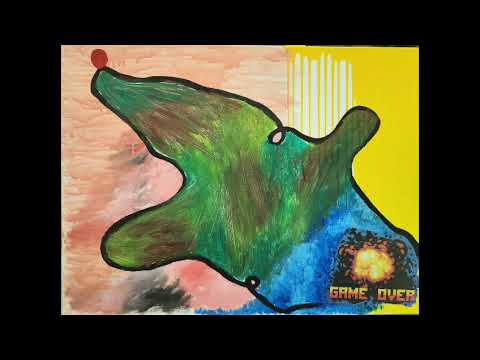
Figure 1. - Footage of the artmaking process: https://youtu.be/-7YgVMKSy6g.
Thematic analysis of visual, verbal, and reflective data revealed two overarching themes, each unfolding across multiple images:
Emerging professional identity and tolerating ambivalence
Parallel processes, and rupture/trauma integration
Theme 1: Emerging Professional Identity and Tolerating Ambivalence
This theme encompasses the early abstract imagery (Figure 2), the bear and ball (Figure 3), and the later images of the spiral (Figure 4) and caterpillar (Figure 5), reflecting a trajectory from emotional diffusion and uncertainty to symbolic self-coherence, reflective capacity, and tolerance of ambivalence in the supervisory process.
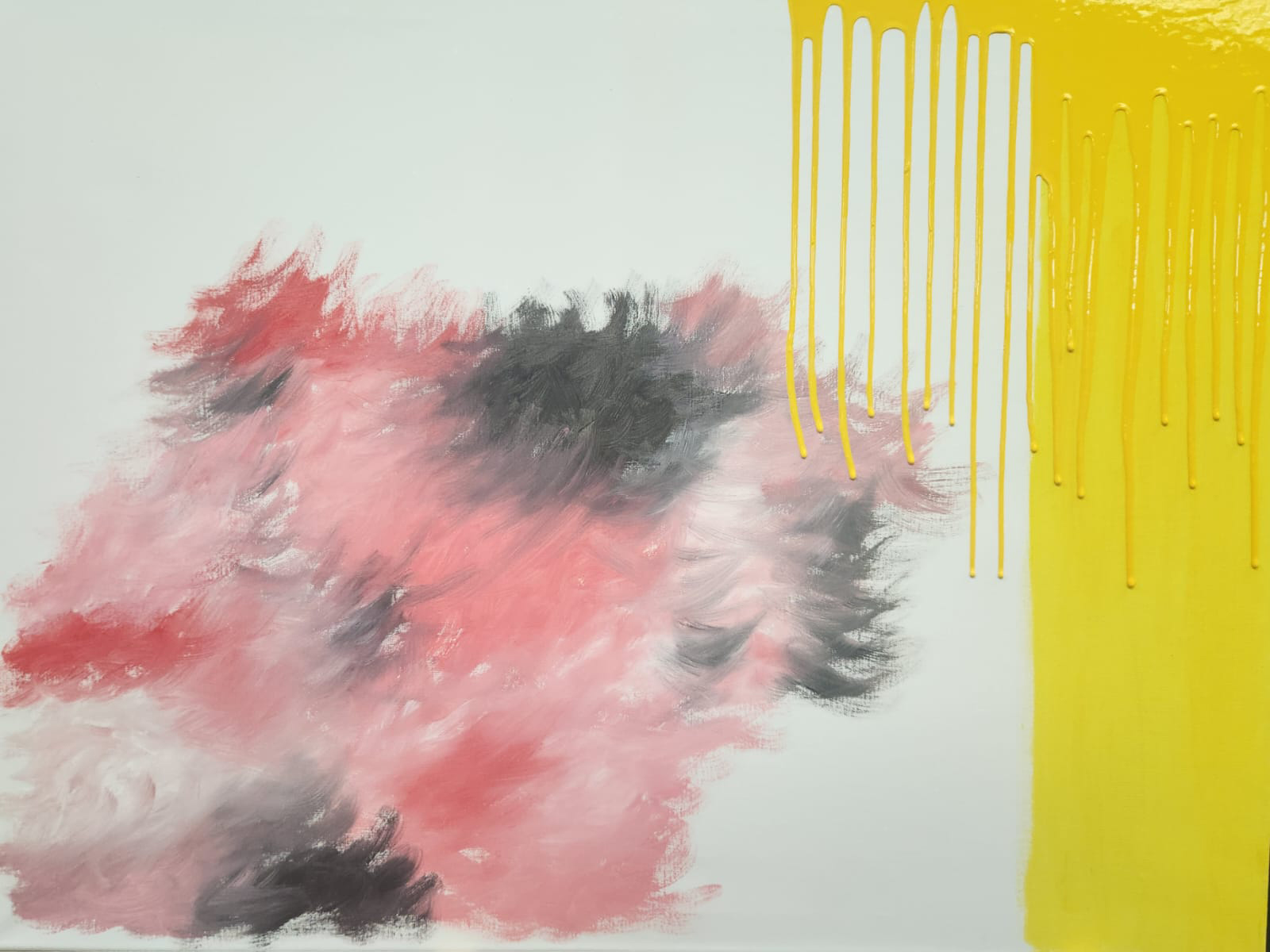
Figure 2. - Emotional diffusion and the unknown.
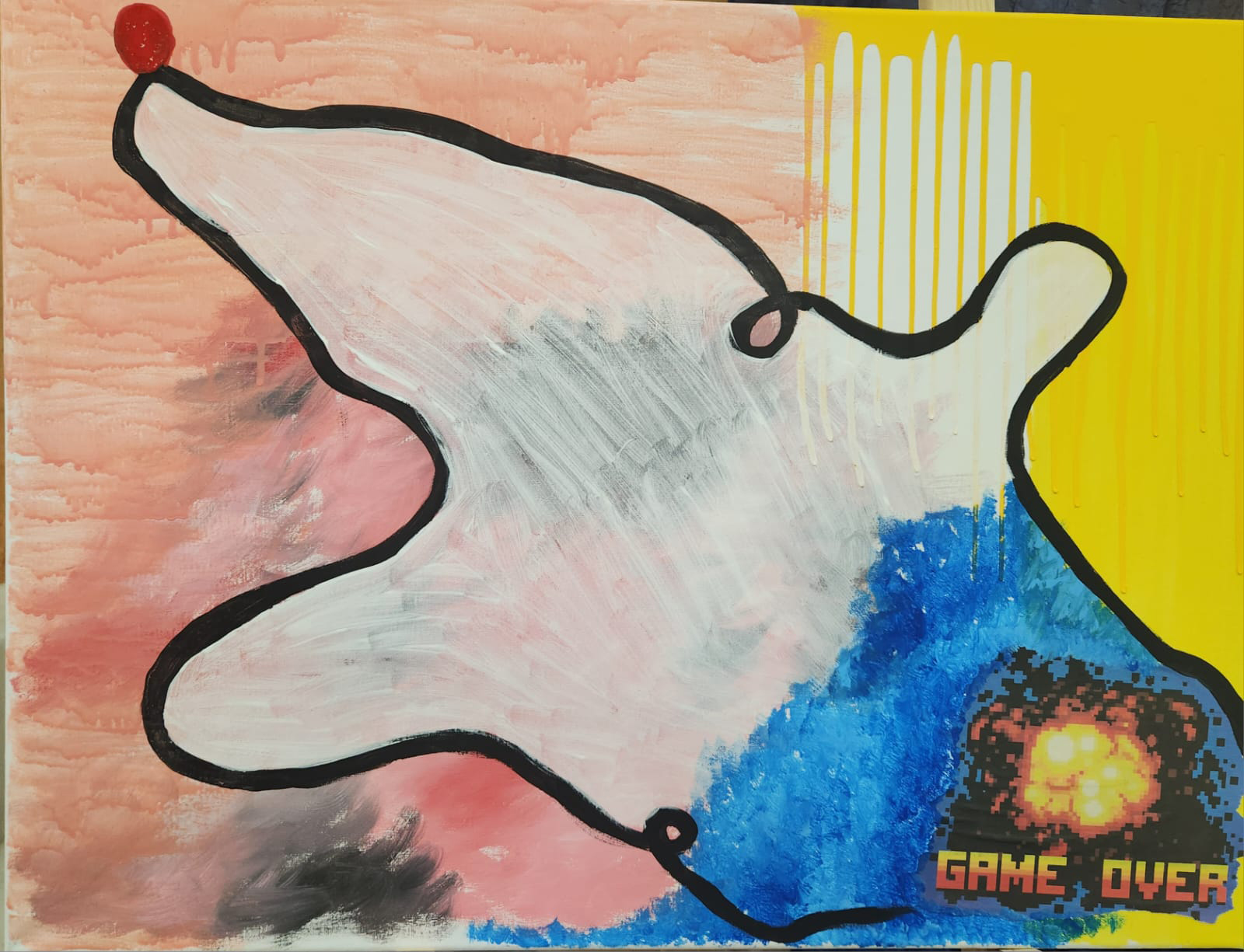
Figure 3. - The Bear and the Ball – humor and integration.
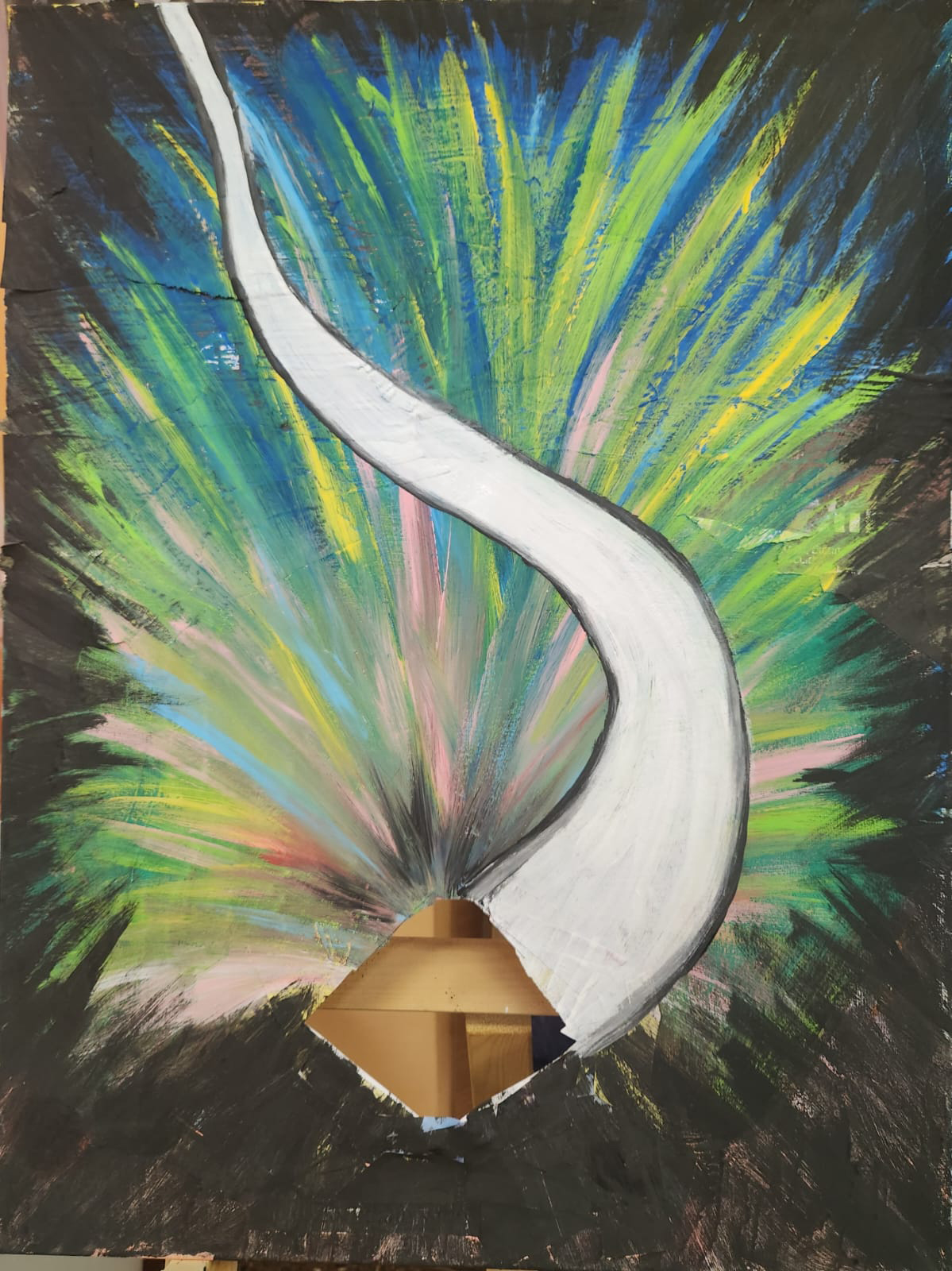
Figure 4. - Spiral force – energy and pain.
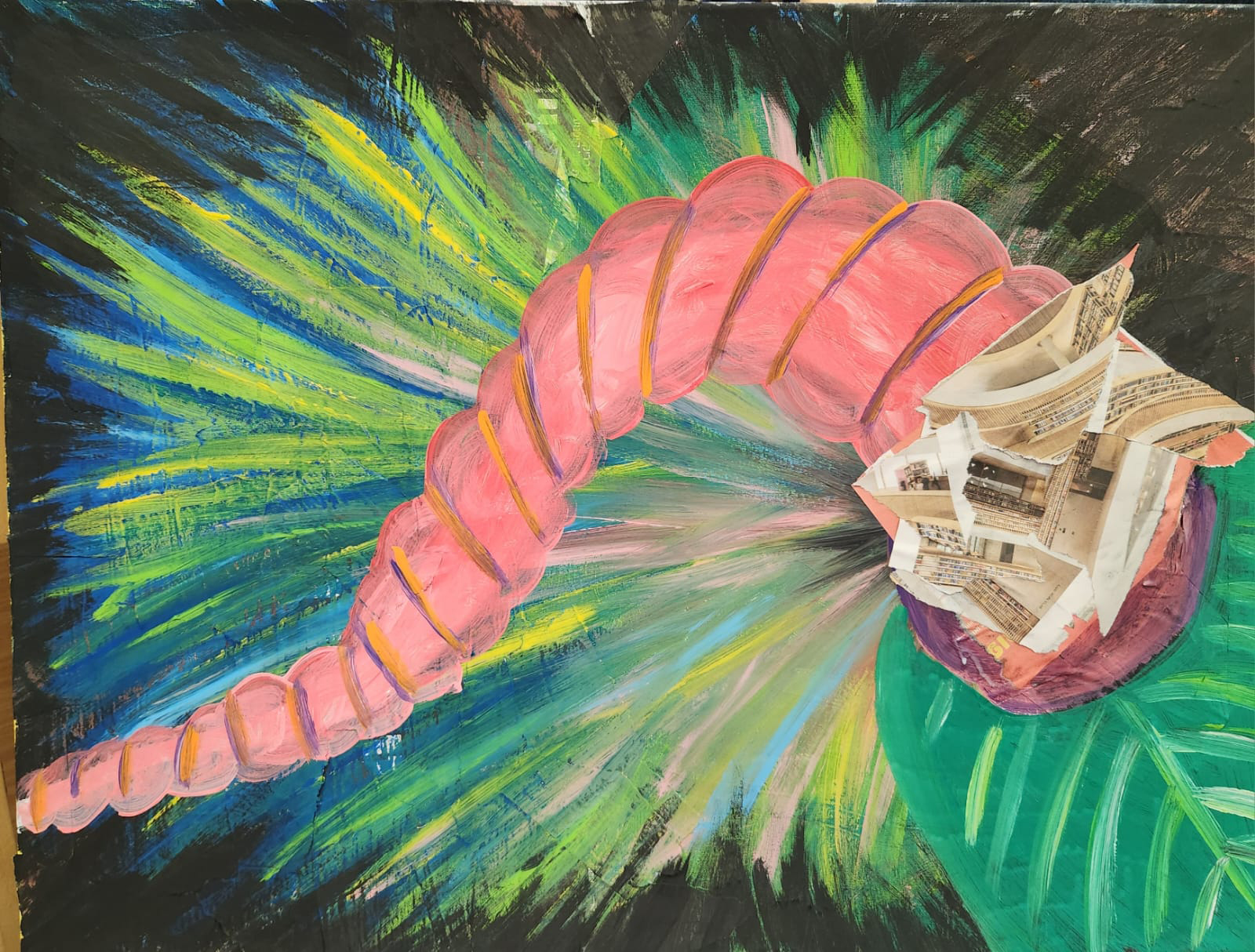
Figure 5. - The Caterpillar – becoming without arrival.
The first sessions were dominated by muted, hesitant brushstrokes in pinks, greys, and whites, intersected by vertical yellow drips. These non-representational marks reflected the supervisee’s initial uncertainty, apprehension, and sense of vulnerability at the outset of clinical practice. As Lusebrink (2004) notes, such sensorimotor-level expressions often convey pre-verbal emotional states, allowing for engagement and affective release before narrative coherence emerges. The supervisee described feeling “in a blur—a big gray cloud,” while the yellow drips evoked for her “a race—like everything is rushing.” From the supervisor’s perspective, the yellow appeared as a curtain or veil, perhaps an unconscious attempt at concealment or self-protection.
This image captures the theme of navigating uncertainty through embodied expression, revealing an oscillation between free-flowing affective release and the need for cognitive anchoring and containment. The supervisee reflected:
“It is comforting to come here each time and just to paint, not having to talk … the image does that before I even know what I feel.”
“Still, I need to talk with you about the setting, the room, and a schedule.”
These statements highlight the dialectic of early professional formation between spontaneous, process-oriented engagement and structured, task-focused supervision, illustrating how the One Canvas offered a holding environment for both.
As the supervisee’s process evolved, a bear holding a red pom-pom emerged as the first figural self-symbol of the therapist’s identity. This image marked a pivotal developmental shift from the abstract ambiguity of early sessions toward clearer, figurative expression, reflecting a growing professional presence and psychological integration. The bear, softly outlined and filled with a milky wash, conveyed both infant fragility and vagueness, while the precarious red pom-pom perched on its edge captured the supervisee’s sense of instability and self-doubt along with playfulness and humour:
“The pom-pom is on the edge, unsteady—like therapy. It could fall. I don’t feel ready enough.”
“I drew a black line to connect all parts of the painting. It is hard for me to paint over them—they are part of me.”
The bear’s form and the connecting black line symbolized the effort to achieve self-coherence and resist internal fragmentation. The pom-pom, vibrant yet unstable, embodied emerging confidence coexisting with impostor anxiety, a recurring theme in the supervisee’s reflections.
This imagery reflects the supervisee’s growing capacity to tolerate ambivalence: strength alongside fragility, humor interwoven with fear of collapse. Her attachment to prior layers of the painting and reluctance to obscure them resonated with Miller’s (2020) notion of the birth-death cycle in artmaking, where covering or altering imagery may evoke a sense of loss. Within the clinical context, this tension mirrored the moral and relational dilemma as the supervisee navigated professional identity formation through care, connectedness, and responsibility (Dantus, 2015; Gilligan, 1982; Kwong, 2020). The bear and its playful pom-pom thus capture a transitional moment: the shift from emotional diffusion to embodied professional presence, tempered by the awareness of vulnerability that defines authentic early clinical development.
A white spiral, shifting between surrender and urgent assertion, captured a transitional phase in which the supervisee oscillated between burnout and re-engagement (Arbell Kehila, 2021). The spiral could be read as either a handkerchief of quiet surrender or a shofar-like horn blast, exposed and impossible to suppress. This duality mirrored her inner tension between collapse and resilience, withdrawal and presence.
During this phase, the supervisee frequently noted the canvas’s consistency:
“This canvas is always there… I forget about it while away, but it is always here with us.”
The canvas functioned as an emotional anchor, offering stability even during periods of non-painting, when simply looking at it was “therapeutically sufficient.” Painted prior to the spiral, the peacock feathers and black framing remain visible behind it, serving as a visual reminder that containment and growth were present themes in the sessions.
Sessions were marked by ambivalence and professional vulnerability. Moments of satisfaction following therapeutic breakthroughs were juxtaposed with experiences of abandonment and failure, such as patients’ absences or sudden, unplanned therapy terminations. The spiral thus became a visual diagnostic signal of ambivalence, encapsulating the shared emotional register of the supervisory dyad. Fragile progress in supervision was balanced against the risk of regression, alongside an enduring need for a secure, containing space.
The closing image depicted a pink caterpillar with a bandaged head, collaged with fragments of the new national library imagery. At first glance, the figure appeared playful and childlike, yet its covered head revealed a hidden wound, a deliberate attempt to bandage the pain and “end things well,” as the supervisee reflected:
“I wanted to put a bandage over the wound, the pain… to end things well.”
“I covered the wound with a collage of the national library, as a symbol of knowledge, like the theories in our profession that I have been studying during my degree.”
The caterpillar stretched across a horizontally oriented canvas, emerging from the preceding white spiral and crowned with a collage of library photos, a symbolic nod to the theoretical knowledge she had accumulated during her training. The shift back to a horizontal layout suggested a desire for grounding and narrative continuity after the oscillations of prior phases.
The image conveyed suspended transformation, a state of being caught in an in-between, liminal space, neither cocooned nor airborne. Art making is central to developing new narratives and addressing experiences of transition, loss, and new identities (Morgan, 2018). By the end of the process, the caterpillar did not become a butterfly, signaling the supervisee’s willingness to inhabit the “not yet” and to tolerate incompleteness rather than rush toward closure. As she reflected:
“I am not sure what to do at the end of this year—whether to continue working as a therapist or to travel the world and take a pause. I just don’t know…”
This unfinished transformation became a visual metaphor for clinical maturation. Concealing the wound while allowing growth to continue reflected her capacity to hold vulnerability alongside progress, and to accept authentic incompleteness as part of professional identity development.
“I feel the canvas is not completed yet, but how can one know when it is actually finished?”
Theme 2: Parallel Process, Rupture and Trauma Integration
The second theme encompasses the layered mountains (Figure 6) and the canvas tear (Figure 7). Together, they document the supervisee’s engagement with trauma, including her clients’ experiences, her own vicarious exposure, and the parallel process within supervision during wartime. Instability intensified when therapy sessions were discontinued abruptly and unexpectedly, as children returned home with no prior notice. A parallel process unfolded as the supervisor navigated similar themes of instability in her own clinical work (Cassoni, 2007; Mothersole, 1999), enabling mutual reflection and a shared understanding of the challenges of practicing therapy in a war zone. The war context entered the supervisory space directly, as supervision sessions were occasionally interrupted by sirens, requiring the session to stop and both parties to run to a shelter. This process involves moving beyond objectivity toward intersubjectivity, where therapist and client share a “nervous system” (Green, 2021) through somatically grounded co-regulation and a shared reality (Vosnesenska et al., 2025).
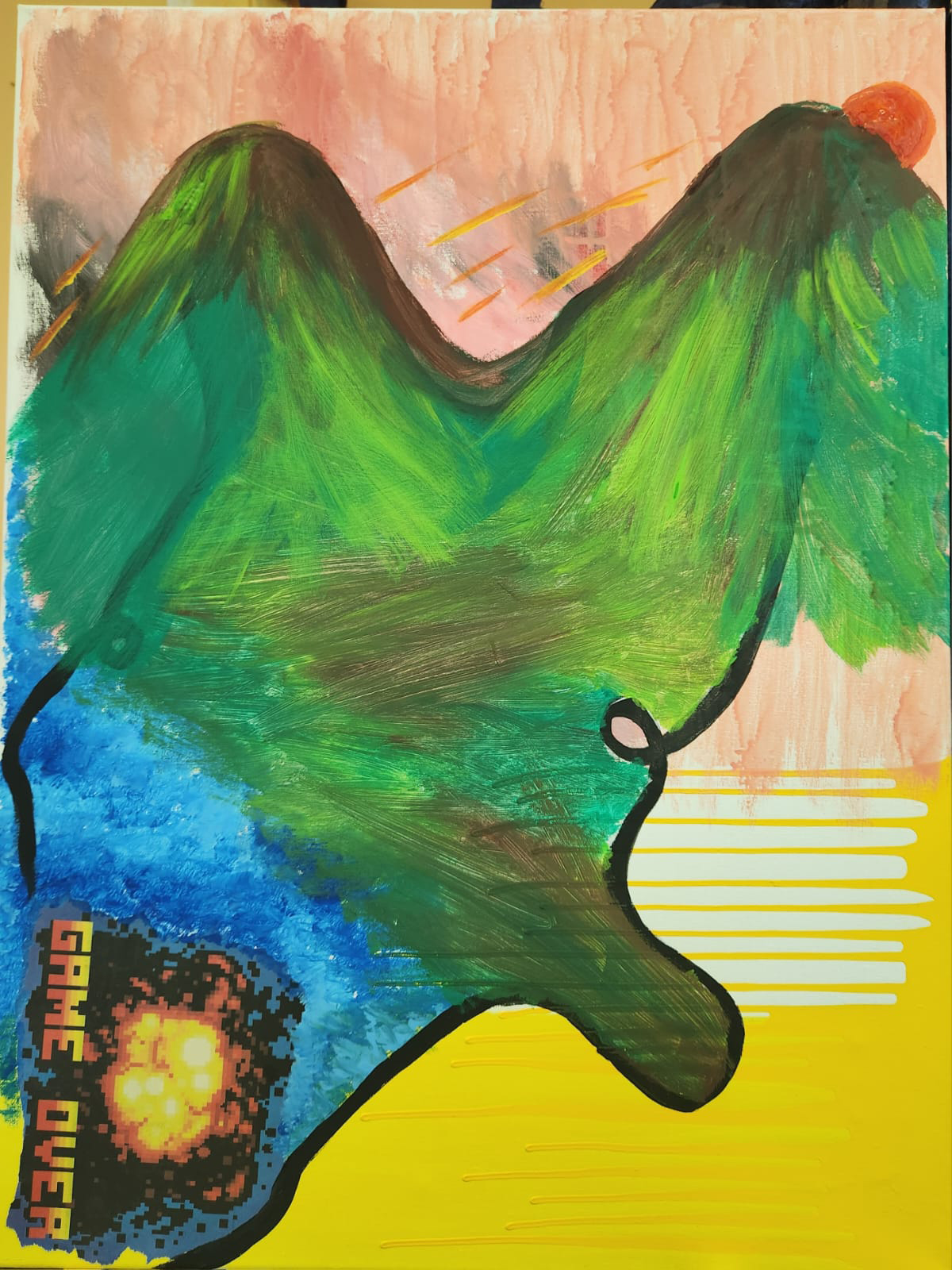
Figure 6. - Layered Mountains – The unspoken and the subtle.
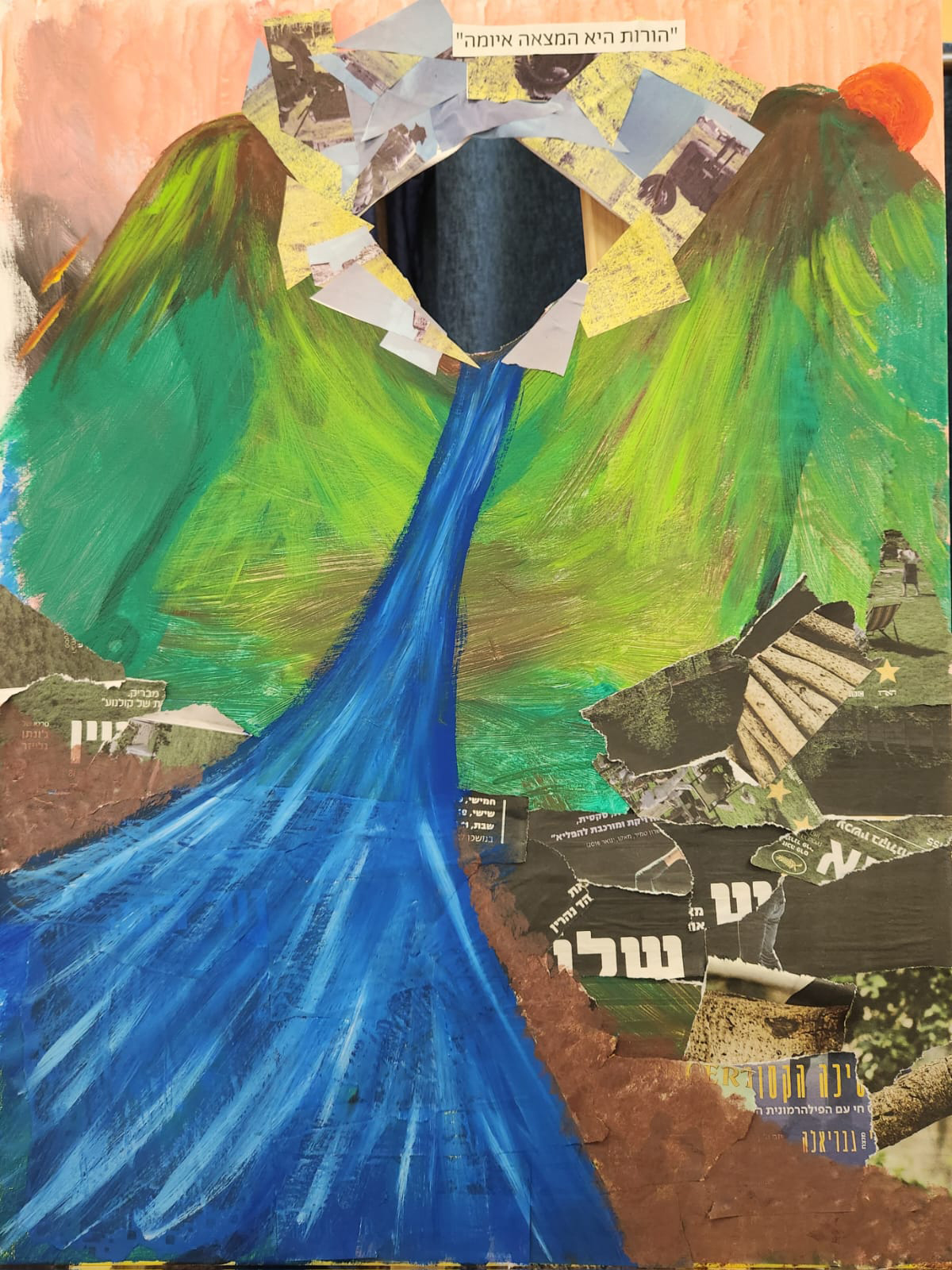
Figure 7. - Rupture between mountains – trauma and motion.
A landscape of soft mountains and greenery, collaged with the text “Game Over,” emerged midway through the year. The supervisee described it simply as:
“A place I’d like to be.”
For the supervisor, however, the image carried latent tension and unspoken countertransference, marking the onset of a parallel process, where the supervisor converses with the imagery itself. While the supervisee presented the scene as an imagined space of calm, retreat, and idealized safety, its emotional tone evoked subtler currents: vulnerability, relational fragility, and a hint of erotic charge that the supervisee did not articulate. This gap between visual affect and verbal narrative illuminated a central supervisory dilemma, the ethical navigation of dual counter transferences. On one hand, there were the feelings stirred by the image itself (implicit); on the other, the emotions evoked by the supervisee’s explicit sharing (explicit). This tension is heightened when imagery intersects with sensitive themes such as sexuality, power, and projection.
The landscape’s ambiguous contours, overlaid with the disruptive Game Over collage, invited psychodynamic reflection on embodiment, symbolic substitution, and the role of visual metaphor in holding unconscious material (Arbell Kehila, 2021; Ellis, 2007; Schaverien, 2003). The supervisory task in this phase was less interpretive and more containing, balancing the impulse to articulate insights with the ethical need to preserve safety and developmental timing. It required a shift from rigid assessment toward an intersubjective stance of reflective witnessing. In this way, the image crystallized the delicate boundary between therapeutic and supervisory spaces, where the supervisor must discern when to speak and when to witness in silence (Green, 2021; Rubinstein, 1990; Shohet, 2011).
This moment illustrates the theme of unspoken countertransference and the limits of interpretation. The supervisee’s brief verbal frame “a place I’d like to be” stood in contrast to the supervisor’s embodied awareness of latent affect. The image became a site of dual countertransference, holding both the supervisee’s unconscious response to client trauma and sex-laden imagery and the supervisor’s parallel emotional resonance. By choosing containment over confrontation, the supervisory dyad allowed the image to function as a safe, symbolic container for fragile and unintegrated experience, paving the way for deeper reflection in subsequent sessions. Supervision also provides a safe, non-critical space for therapists to remain aware of their own social and political perspectives and potential transference (Frawley-O’Dea & Sarnat, 2001; Lee, 2020; Nash, 2020; Shohet, 2011).
The tear in the canvas, intersected by a blue stream, emerged as a central symbol of trauma and release. Between the two mountains, the supervisee deliberately cut the canvas, later reflecting:
“It was a calculated tear, not wild and spontaneous… still, it opened up something.”
This duality, precise yet disruptive, embodied the psychic tension of controlled trauma exposure. The tear was at once a wound and a waterway, evoking both fragmentation and movement, loss and renewal. The blue stream flowing through the rupture signified emotional flow, suggesting that psychic pain, when carefully accessed, could become a channel for reflection and integration. This moment in supervision provided an opportunity to link the threads of sexually charged imagery with the clinical material the supervisee shared regarding one of her patients, as well as her own health concerns.
The image’s existential resonance was heightened by the collaged Hebrew text, “Parenting is a terrible invention,” which invoked themes of intergenerational pain, relational rupture, and the challenges that can emerge within caregiving relationships. This symbolic layering mirrored the vicarious trauma inherent in the supervisee’s clinical work with children in out-of-home care, many of whom have experienced significant adversity, loss, and disruptions in attachment, where the longing for safety, connection, and repair is ever-present.
From a psychodynamic supervision perspective, this image exemplifies the theme of trauma and symbolic rupture. In the One Canvas model, the visual act of tearing functions as a transitional gesture, allowing the supervisory dyad to encounter and hold trauma-related affect indirectly. Rather than a verbal disclosure, the tear became a nonverbal enactment, carrying the supervisee’s own vulnerability alongside the fragmented emotional experiences encountered in her therapeutic work, as she later reflected:
“I surprised myself when I cut the canvas, it is very unlike me…”
“You meet here very distressing cases, and I am not sure … if I can help at all.”
As Frawley-O’Dea & Sarnat (2001) note, supervision is not purely didactic. It is a relational and psychodynamic space in which unconscious processes and developmental vulnerabilities are activated. Here, shared witnessing of rupture allowed the image to function as a safe container for countertransference, where injury and emergence coexisted, ultimately fostering reflection, containment, and professional growth (Green, 2021; Lee, 2020; Lin & Chen, 2024; Vosnesenska et al., 2025).
5. DISCUSSION
This study extends Miller’s (2012) One Canvas framework by situating it within an individual supervision alliance, offering new insight into dyadic containment, visual interpretation, and professional self-inquiry in art therapy supervision. The One Canvas process illuminated the depth and complexity of psychodynamic and developmental shifts. It showed how arts-based methods access unconscious, affect-laden layers of personal and collective experience that often remain inaccessible through verbal dialogue alone, activating an inner alchemist capable of metabolizing trauma into symbolic form (McNiff, 2020; Speiser & Zhang, 2025; Vosnesenska et al., 2025).
Through cumulative artmaking, the supervisee externalized unconscious material and engaged with affective dimensions of her professional identity formation. The evolving imagery traced a developmental trajectory from diffuse anxiety and dependency toward greater self-coherence, symbolic thinking, and emotional resilience. Early sessions reflected pre-verbal affective states, as captured in her remark:
“It is comforting to come here each time and just to paint, not having to talk…”
Over time, recurring self-symbols such as the bear with the red pom-pom and the bandaged caterpillar emerged as markers of identity and self-definition, with the supervisee noting:
“They are part of me… it’s hard to paint over them.”
Four themes were reconstructed from the data, and the discussion that follows examines each in turn: countertransference as a visual dialogue, developmental progression and identity formation, symbolic elaboration through arts-based supervision, and the integrative contribution of One Canvas models.
5.1. Countertransference as a Visual Dialogue
Across all phases, the canvas functioned as a visual container for countertransference, allowing unconscious material to surface symbolically before verbal articulation. The symbolic moment of rupture was particularly significant. The literal tear between two painted mountains, through which a blue stream flowed, became a central image of trauma and release. The supervisee reflected:
“It was a calculated tear… still, it opened up something.”
This tear as both wound and waterway mirrored the fragmentation of her clients and her own vicarious trauma, while the blue stream signified movement and emotional processing. Collaged Hebrew text (“Parenting is a terrible invention”) evoked intergenerational pain and relational rupture, situating the image in a wider psychodynamic field of loss.
The supervisory task involved witnessing and containing this emotional intensity while balancing the impulse to interpret. This aligns with Winnicott’s (1960) concept of holding, in which supervision functions as a transitional space, metabolizing affect before it is reintegrated into therapeutic understanding (Gavron & Orkibi, 2021; Frawley-O’Dea & Sarnat, 2001; Speiser & Speiser, 2024).
5.2. Developmental Progression and Identity Formation
The visual evolution of the One Canvas reflected a clear developmental progress, resonating with Stoltenberg’s (1981) model of supervisee growth:
Early phase: Imagery is diffuse, and non-representational strokes express emotional overload. Pre-verbal anxiety and dependence on the supervisor as container.
Middle phase: Engagement with self-symbols and controlled ruptures (e.g., bear with pom-pom, tear in the canvas) reflected emerging autonomy and reflective capacity.
Later phase: The bandaged caterpillar and the supervisee’s decision to leave the canvas unfinished demonstrated a mature tolerance for ambiguity and liminality.
Supervisee’s reflections:
“I feel the canvas is not completed yet, but how can one know when it is actually finished?”
“I am not sure what to do at the end of this year—whether to continue working as a therapist or to travel the world and take a pause. I just don’t know…”
This stance signified a shift from seeking closure toward authentic engagement with process, a hallmark of clinical maturity. Art making is a primary vehicle through which individuals explore and validate new versions of themselves, particularly during significant life changes (Green, 2021; Morgan, 2018).
5.3. Symbolic Elaboration and the Role of Arts-Based Supervision
The use of visual metaphor and symbol allowed the articulation of complex emotional states: shame, fear, doubt, and longing that often remain unspoken in verbally based supervision (Animnbom et al., 2024). The cumulative canvas functioned as a shared third space, both reflective mirror and co-constructed holding environment, enabling:
Visual Witnessing – The canvas as a non-verbal third object mediating the supervisory relationship and supporting safe affective exploration (Schaverien, 1999).
Parallel Process Illumination – Symbolic imagery revealed unconscious enactments, including moments of dual countertransference and trauma, allowing them to be observed, held, and metabolized.
Tolerating the Unfinished – Engaging with liminal, unresolved imagery fostered resilience, reflective capacity, and authentic professional growth (Bromberg, 2014). This reflects a coexistence of tears and beauty (McNiff, 2020).
5.4. Integrative Contribution
By integrating psychodynamic, developmental, and arts-based dimensions, the One Canvas model demonstrates a distinctive capacity to accommodate the nonverbal, affect-laden nature of clinical training. The supervisory artwork became a transitional, reflective, and relational space in which personal and professional transformation unfolded (Green, 2021; Lee, 2020).
Supervision in this mode transcended its instructional function, becoming a site of symbolic elaboration, existential inquiry, and creative self-integration (Robbins, 2007; Speiser & Speiser, 2024; Wilson, Riley & Wadeson, 1984). This case study underscores the importance of visual methodologies in supervision, especially in contexts of relational trauma, and invites further exploration of arts-based approaches as vehicles for both professional and personal growth in art therapy training.
6. CONCLUSIONS AND PROSPECTS FOR THE FUTURE
The One Canvas model demonstrates the potential of arts-based supervision to create a deeply integrative and experiential learning environment for art therapy trainees and practitioners. Through cumulative artmaking and reflective dialogue, the supervisee accessed and processed emotional material that might otherwise remain outside the reach of verbal supervision. The evolving canvas functioned simultaneously as a visual archive of professional development and a co-constructed “third space” that embraced uncertainty, symbolic exploration, and embodied reflection.
This case study illustrates how arts-based supervision can foster professional identity formation, contain trauma-related material, and enhance reflective capacity. The visual progression from muted abstraction to self-symbols, a rupture accompanied by flow, and the unfinished caterpillar mirrored the supervisee’s developmental trajectory from diffuse, pre-verbal anxiety to symbolic self-representation and a mature tolerance for ambiguity and the “not yet.” By integrating psychodynamic, developmental, and arts-based dimensions, this study extends Miller’s (2012, 2020, 2022) framework, demonstrating how supervision can serve as a site for symbolic elaboration, parallel process awareness, and creative self-integration in an individual rather than group setting, a configuration that carries the risk of further blurring the supervisory role into a therapeutic one.
These findings highlight the clinical and professional value of visual methodologies in supervision, particularly in contexts of trauma and emotional complexity. Ultimately, this study positions arts-based supervision as a bridge between inner experience and professional growth, offering a holding environment where the unfinished is not a deficit but a fertile space for becoming.
Future research may extend the One Canvas model to online supervision and adapt it to other modalities of the expressive arts, while examining its impact on clinical competence, emotional resilience, and professional authenticity across varied social groups and cultural contexts. It may also test the model in war-zone settings and examine whether arts-based models may support bridges of common humanity across conflicts, strengthening shared vulnerability, mutual recognition, and collective meaning-making in therapeutic work.
“May peace dwell in the land” (Leviticus 26:6)
DECLARATION OF GENERATIVE AI IN ARTICLE WRITING
ChatGPT was used to improve language clarity and readability of the text, nonetheless, the author reviewed and edited the article as needed and takes full responsibility for the content of this publication. Still images and footage are original and were not AI-generated.
AUTHOR CONTRIBUTION
This article is single-authored. Heli Ravid Horesh is solely responsible for the conceptualization, methodology, formal analysis, investigation, data curation, visualization, writing of the original draft, and review and editing of the final manuscript.
AUTHOR BIOGRAPHY
Heli Ravid Horesh is a certified art therapist and supervisor with over two decades of clinical, dyadic, and supervisory experience in Israel and abroad. A PhD candidate at the School of Social Work, University of Haifa, she holds an MA in Art Therapy (thesis) from La Trobe University, Melbourne. From 2000 to 2002 she lived in Beijing, where she coordinated and facilitated therapeutic programs at Huei-Ling, a foster-family setting for adolescents with special needs. Her peer-reviewed work has appeared in The Arts in Psychotherapy and the Academic Journal of Creative Arts Therapies. Her current research examines Living Apart Together (LAT) lifestyles in midlife through intergenerational and dyadic perspectives.
ETHICAL STATEMENT
Ethical approval #4251 for this study and its publication was granted on 20 January 2026 by the Senior Division for Research, Planning and Training (MTOH) of the Ministry of Welfare and Social Security, Israel.
CONFLICT OF INTEREST
The author declares no conflicts of interest. No financial, personal, or professional affiliations have influenced the conduct of the research, the interpretation of the findings, or the content of this article. No competing interests are reported.
REFERENCES
An, M. Psy Fever/Psycho-Boom: The Mental Picture of a Transforming China. Creative Arts in Education and Therapy 2023, 9 (1), 10–21. https://doi.org/10.15212/CAET/2023/9/21
| |
Animnbom, P.; Cockburn, L.; Landry, T. D. G.; Atch, T. K.; Mbihbeh, L. Mural Painting and Inclusive Research in Cameroon: Implementation and Impact at the University of Bamenda Campus. Creative Arts in Education and Therapy 2024, 10 (1), 75–96. https://doi.org/10.15212/CAET/2024/10/4
| |
Arbell Kehila, D. Arts-Based Program for Home-Based Care Dyads in Singapore. Creative Arts in Education and Therapy 2021, 7 (2), 200–215. https://doi.org/10.15212/CAET/2021/7/21
| |
Braun, V.; Clarke, V. Using Thematic Analysis in Psychology. Qualitative Research in Psychology 2006, 3 (2), 77–101. https://doi.org/10.1191/1478088706qp063oa
| |
Bromberg, P. M. Standing in the Spaces: Essays on Clinical Process Trauma and Dissociation; Routledge, 2014.
| |
Carroll, M. Supervision: Critical Reflection for Transformational Learning (Part 2). The Clinical Supervisor 2010, 29 (1), 1–19. https://doi.org/10.1080/07325221003730301
| |
Case, C. Review of the Literature on Art Therapy Supervision. In J. Schaverien & C. Case (Eds.); Routledge, 2007; pp 11–28. https://doi.org/10.4324/9780203947104
| |
Cassoni, E. Parallel Process in Supervision and Therapy: An Opportunity for Reciprocity. Transactional Analysis Journal 2007, 37 (2), 130–139. https://doi.org/10.1177/036215370703700205
| |
Dantus, T. Women Healing through Expressive Arts: Redirecting the Feminine Qualities of Caring and Nurturing toward Self, 2015.
| |
Deaver, S. P.; Shiflett, C. Art-Based Supervision Techniques. The Clinical Supervisor 2011, 30 (2), 257–276. https://doi.org/10.1080/07325223.2011.619456
| |
Ellis, M. L. Images of Sexualities: Language and Embodiment in Art Therapy. International Journal of Art Therapy 2007, 12 (2), 60–68. https://doi.org/10.1080/17454830701538477
| |
Fish, B. J. Formative Evaluation Research of Art-Based Supervision in Art Therapy Training. Art Therapy 2008, 25 (2), 70–777. https://doi.org/10.1080/07421656.2008.10129410
| |
Frawley-O’Dea, M. G.; Sarnat, J. E. The Supervisory Relationship: A Contemporary Psychodynamic Approach; Guilford Press, 2001.
| |
Fried, D.; Zehavi, G. The Experience of Social Rejection: Developmental Transformations and a Multimodal Art Response Model as Applied to Art-Based Research. Creative Arts in Education and Therapy 2022, 8 (2), 185–199. https://doi.org/10.15212/CAET/2022/8/3
| |
García Lorca, F. The Duende: Theory and Divertissement (B. Belitt, Trans.); Grove Press., 1955; pp 159–160.
| |
Gavron, T. Creative-Based Supervision: A Space for Presence, Reflection, and Integration. Journal of Art Therapy in Israel 2022, 12, 23–36.
| |
Gavron, T.; Orkibi, H. Arts-Based Supervision Training for Creative Arts Therapists: Perceptions and Implications. The Arts in Psychotherapy 2021, 75, 101838. https://doi.org/10.1016/j.aip.2021.101838
| |
Gilligan, C. In a Different Voice: Psychological Theory and Women’s Development; Harvard University Press, 1982.
| |
Green, D. Enduring Liminality: Creative Arts Therapy When Nature Disrupts. Creative Arts in Education and Therapy 2021, 7 (1), 71–91. https://doi.org/10.15212/CAET/2021/7/7
| |
Hanan, T. Israeli Teachers and Expressive Therapists Understanding of Selective Mutism. Creative Arts in Education and Therapy 2023, 9 (1), 61–76. https://doi.org/10.15212/CAET/2023/9/8
| |
Harvey, S.; Zhou, T. Y.; Kelly, E. C.; Wittig, J. Physical Conversations between the East and West: An Arts-Based Inquiry into the Cross-Cultural Emotional Climate during a Time of Political Tensions. Creative Arts in Education and Therapy 2018, 4 (1), 38–57. https://doi.org/10.15212/CAET/2018/4/5
| |
Jung, C. G. Memories, Dreams, Reflections; Pantheon Books, 1963.
| |
Knill, P. J.; Levine, E. G.; Levine, S. K. Principles and Practice of Expressive Arts Therapy; Jessica Kingsley Publishers, 2005.
| |
Kwong, M.-K. Making Meaning out of Intersectionality through Expressive Arts Therapy: A Case Study. Creative Arts in Education and Therapy 2020, 6 (2), 127–140. https://doi.org/10.15212/CAET/2020/6/24
| |
Lee, L. C. B. Home-Based Art Therapy in Hong Kong. Creative Arts in Education and Therapy 2020, 6 (2), 200–208. https://doi.org/10.15212/CAET/2020/6/27
| |
Lin, S.; Chen, L.-T. The Exploration of Music Therapy Professional Competency in Chinese Higher Education. Creative Arts in Education and Therapy 2024, 10 (2), 193–207. https://doi.org/10.15212/CAET/2024/10/15
| |
Lusebrink, V. B. Art Therapy and the Brain: An Attempt to Understand the Underlying Processes of Art Expression in Therapy. Art Therapy 2004, 21 (3), 125–135. https://doi.org/10.1080/07421656.2004.10129496
| |
Magrin-Chagnolleau, I. Artistic Workshops with Patients of a Psychiatric Day Hospital in France. Creative Arts in Education and Therapy 2023, 9 (2), 143–150. https://doi.org/10.15212/CAET/2023/9/16
| |
Mammen, M. A. Attachment Dynamics in the Supervisory Relationship: Becoming Your Own Good Supervisor. Journal of Psychotherapy Integration 2020, 30 (1), 93–101. https://doi.org/10.1037/int0000164
| |
McNeill, B. W.; Worthen, V. The Parallel Process in Psychotherapy Supervision. Professional Psychology: Research and Practice 1989, 20 (5), 329–3333. https://doi.org/10.1037/0735-7028.20.5.329
| |
McNiff, S. Art Heals: How Creativity Cures the Soul; Shambhala Publications, 2004.
| |
McNiff, S. “Tears on the Flowers”: Worldwide Natural Experiments of Art Healing. Creative Arts in Education and Therapy 2020, 6 (1), 6–12. https://doi.org/10.15212/CAET/2020/6/19
| |
Miller, A. Inspired by El Duende: One-Canvas Process Painting in Art Therapy Supervision. Art Therapy 2012, 29 (4), 166–173. https://doi.org/10.1080/07421656.2013.730024
| |
Miller, A. One-Canvas Method: Art Making That Transforms on One Surface over a Sustained Period of Time, ProQuest Dissertations Publishing, 2020.
| |
Miller, A. El Duende One-Canvas Art Making and the Significance of an Interim Period. Art Therapy 2022, 39 (1), 24–33. https://doi.org/10.1080/07421656.2021.1935062
| |
Miller, A. (2023a). The Innovative Essence of the El Duende One-Canvas Method. Journal of Applied Arts & Health 2023, 14 (1), 27–45. https://doi.org/10.1386/jaah_00125_1
| |
Miller, A. (2023b). Discovery of Art-Based Distillation: Doctoral Inquiry of the One-Canvas Method. Journal of Applied Arts & Health 2023, 14 (3), 391–402. https://doi.org/10.1386/jaah_00149_1
| |
Miller, A.; Robb, M. Transformative Phases in El Duende Process Painting Art-Based Supervision. The Arts in Psychotherapy 2017, 54, 15–27. https://doi.org/10.1016/j.aip.2017.02.009
| |
Morgan, A. Art Making through Change: New Journeys with Gender and Identity. Creative Arts in Education and Therapy 2018, 4 (2), 214–224. https://doi.org/10.15212/CAET/2018/4/32
| |
Mothersole, G. Parallel Process: A Review. The Clinical Supervisor 1999, 18 (2), 107–121. https://doi.org/10.1300/j001v18n02_08
| |
Nash, G. Response Art in Art Therapy Practice and Research with a Focus on Reflect Piece Imagery. International Journal of Art Therapy 2020, 25 (1), 39–48. https://doi.org/10.1080/17454832.2019.1697307
| |
Robb, M.; Miller, A. Supervisee Art-Based Disclosure in El Duende Process Painting. Art Therapy 2017, 34 (4), 192–200. https://doi.org/10.1080/07421656.2017.1398576
| |
Robbins, A. The Art of Supervision. In J. Schaverien & C. Case (Eds.); Routledge, 2007; pp 153–166. https://doi.org/10.4324/9780203947104
| |
Rubinstein, G. The Supervisor–Supervisee Relationship as a Typical Intimacy: A Psychodynamic Reflection. Sihot: Dialogue in Psychotherapy 1990, 4 (1), 17–24.
| |
Schaverien, J. The Revealing Image: Analytical Art Psychotherapy in Theory and Practice; Jessica Kingsley Publishers, 1999.
| |
Schaverien, J. The Embodiment of Desire: Art, Gender, and Analysis. In T. Adams & A. Duncan (Eds.); Karnac Books, 2003; pp 205–230. https://doi.org/10.4324/9780429481772-10
| |
Shohet, R. Supervision as Transformation: A Passion for Learning; Jessica Kingsley Publishers, 2011.
| |
Speiser, V.; Speiser, P. Art Encircles Life: Journeying with, in, and through the Expressive Arts. Creative Arts in Education and Therapy 2024, 10 (1), 156–174. https://doi.org/10.15212/CAET/2024/10/8
| |
Speiser, V.; Zhang, D. A Conversation between East and West: Introducing Expressive Arts Therapy in China. Creative Arts in Education and Therapy 2025, 11 (1), 197–213. https://doi.org/10.15212/CAET/2025/11/7
| |
Stoltenberg, C. D. Approaching Supervision from a Developmental Perspective: The Counselor Complexity Model. Journal of Counseling Psychology 1981, 28 (1), 59–65. https://doi.org/10.1037/0022-0167.28.1.59
| |
Vosnesenska, O.; Robelot-Timtchenko, N.; Speiser, V. M.; Speiser, P. Mitigating Collective War Trauma through Expressive Arts Therapy. Creative Arts in Education and Therapy 2025, 11 (1), 184–196. https://doi.org/10.15212/CAET/2025/11/11
| |
Wadeson, H. Art Psychotherapy, 2nd ed.; John Wiley & Sons, Inc, 2010. https://content.e-bookshelf.de/media/reading/L-576138-c8735295ff.pdf
| |
Wilson, L.; Riley, S.; Wadeson, H. Art Therapy Supervision. Art Therapy 1984, 1 (3), 100–105. https://doi.org/10.1080/07421656.1984.10758761
| |
Winnicott, D. W. The Theory of the Parent–Infant Relationship. International Journal of Psychoanalysis 1960, 41, 585–595. https://pubmed.ncbi.nlm.nih.gov/13785877/
| |
Yerushalmi, H. States of Consciousness and Supervision. Psychoanalytic Social Work 2018, 25 (2), 107–122. https://doi.org/10.1080/15228878.2018.1556708
|