The Development of Expressive Therapies Continuum (ETC) Based Art Intervention for Malaysians
Volume 12, Issue 1, Pages 40-53
ABSTRACT
Depression is prevalent in Malaysia; however, existing interventions remain insufficient. Conservative stigma and cultural norms in Asia necessitate alternative, culturally sensitive approaches. This study evaluated the preliminary efficacy of an expressive arts intervention for individuals with depression in Asia, drawing on the theoretical overlap between the Beck Depression Inventory (BDI) and the Expressive Therapies Continuum (ETC). A one-group pretest and post-test design involving 16 therapy sessions was conducted with ten young Malaysian adults. The results explained a significant reduction in depressive symptoms (z = –2.807, p = 0.005), supporting the efficacy of the intervention. Qualitative data revealed positive outcomes across emotional, cognitive, social, and behavioural domains. Overall, this tailored intervention offers a novel and promising approach to address mental health challenges in Asian communities.
摘要
抑郁症在马来西亚普遍存在,但现有干预措施仍显不足。亚洲社会中保守的污名与文化规范,需要探索具有文化敏感性的替代途径。本研究基于贝克抑郁量表(BDI)与表达性治疗连续体(ETC)的理论重叠,评估了针对亚洲抑郁个体的一项表达性艺术干预的初步疗效。研究采用单组前后测设计,对10名马来西亚青年进行了16次干预。结果显示抑郁症状显著减轻(z = –2.807, p = 0.005),支持了该干预的有效性。质性资料显示,参与者在情绪、认知、社交及行为层面均有积极改善。该方案为应对亚洲社区心理健康挑战提供了新颖且具潜力的途径。
KEYWORDS
Expressive Therapies Continuum (ETC), Expressive art therapy, Asia, Depression, Non-verbal, Culturally sensitive intervention.
关键词
表达性治疗连续体(ETC), 表达性艺术治疗, 亚洲, 抑郁, 非语言, 文化敏感性干预.
History
Received July 2026
Accepted July 2026
Open Access
This is an open access article distributed under the CC BY 4.0 license (https://creativecommons.org/licenses/by/4.0/).
HIGHLIGHTS
ETC-based intervention reduced depressive symptoms in Malaysian young adults.
ETC-based intervention is feasible, acceptable, and culturally sensitive.
Study offers a novel approach for depression in Asian communities.
1. INTRODUCTION
1.1. Background of Study
Depression affects approximately 2.3% of the Malaysian population, which is characterized by determined sadness and a loss of interest (Global Health Data Exchange, 2019). It can distort cognition and behaviour, leading to emotional distress, self-injury, and an increased risk of suicide (Remes et al., 2021). The Beck Depression Inventory (BDI; Beck et al., 1961) assesses the severity of depression across three domains: somatic, affective, and cognitive. The somatic domain involves physical symptoms such as fatigue and changes in sleep or appetite (Tylee & Gandhi, 2005). The affective dimension includes emotional symptoms such as anhedonia and irritability (Beck et al., 1961). Lastly, the cognitive domain focuses on negative beliefs, such as pessimism and worthlessness (Conradi et al., 2011).
Depression is a significant concern for young Malaysian adults. Research indicates that 27.5% and 9.7% of university students experience moderate and severe depression, respectively (Shamsuddin et al., 2013). A systematic review further highlights prevalence rates ranging from 14.3% to 81.7% across various Malaysian populations, with students reporting high levels of stress and anxiety (Mud Shukri et al., 2023).
In many Asian cultures, experiences of depression are deeply influenced by collectivist values and the concept of “saving face.” Mental illness is often viewed as a source of deep shame that reflects negatively on the family (Lian et al., 2025). This stigma discourages open discussion and leads individuals to suppress symptoms in order to protect their family’s reputation.
Furthermore, mental health literacy remains low among many Malaysians. This lack of awareness, combined with cultural stigma and the belief that depression is shameful (Park et al., 2018), results in reluctance to seek professional help. Therefore, only a minority of young adults with depression pursue clinical support (Aalto-Setälä et al., 2001).
The situation is worsened by a shortage of mental health resources. Malaysia has only 1.27 psychiatrists per 100,000 people, significantly below the WHO’s recommended ratio of 10 (Midin et al., 2018). In addition, local interventions rely heavily on traditional methods such as Cognitive Behavioural Therapy (CBT), introduced decades ago (Ward, 2019), highlights the delay in adopting modern psychotherapies. Because most current interventions focus on verbal expression primarily, as there is an urgent need to explore alternative therapeutic methods.
1.2. Expressive Art Therapy
Expressive art therapy acts as a non-verbal psychotherapeutic model, which serves as an important alternative to improve the current circumstances. It involves creative expression of the arts, which helps individuals express feelings and thoughts that are difficult to communicate verbally, thereby improving their psychological, physical, and emotional well-being. (Case & Dalley, 2014). Expressive art therapy has become popular in mental health settings, and given its human-centred and recovery-oriented approaches that consider individuals’ emotions and needs (Case & Dalley, 2014).
1.3. Expressive Therapies Continuum
The Expressive Therapies Continuum (ETC) model represents a significant theoretical foundation for expressive art therapy (Hinz, 2019). It presents that different art media and activities can elicit various levels of visual information processing (Hinz, 2019). The ETC divides this processing into a hierarchy of three levels, each of which comprises two components: (1) kinaesthetic/sensory, (2) perceptual/affective, and (3) cognitive/symbolic. These levels state their progress from simple to sophisticated processing.
People usually prefer a dominant component at each level. For example, one may be familiar with the sensory component but not the kinaesthetic. Therapists, therefore, intentionally challenge these unfamiliar areas to foster balance. Mastering each level allows progression towards “Creativity”—the final stage characterized by flexible, integrated information processing and psychological resolution. By the end of an ETC-based intervention, the individual will be equipped with all six different modes of understanding, expressing, and processing their depressive experiences in a creative and holistic manner. Thus, the expressive arts intervention aims to assess non-dominant components and moderate overused functions, ensuring a balanced and holistic therapeutic process.
1.4. ETC and Depressive Symptoms
The ETC aligns closely with the depressive symptom classifications in BDI. The BDI’s somatic, affective, and cognitive domains (Beck et al., 1961) correspond respectively with the ETC’s sensory, affective, and cognitive levels. Both frameworks are theoretically grounded in Triune Brain theory (MacLean, 1990), which organizes human experience across three evolutionary layers: the survival-based brainstem (somatic), the emotion-centred limbic system (affective), and the logic-oriented neocortex (cognitive).
Combining both models to this hierarchy explains that depression is a synchronized experience across body, emotions, and thoughts, rather than a purely “mental” construct. Consequently, this study hypothesizes that ETC-based interventions may alleviate depressive symptoms by addressing these three interconnected aspects of human functioning.
1.5. Cultural Consideration
Due to the stigma and emotional restriction prevalent in Asian cultures, traditional verbal therapies can be ineffective and often produce overwhelming emotions (Mao et al., 2022). Many individuals feel uncomfortable discussing emotions openly, fearing they may be perceived as weak or threatening (Lian & Bono, 2023). Consequently, non-verbal expressive art therapy is more suitable; its metaphorical approach is less confrontational and can provide a “safe space” that keeps the patients in their window of tolerance (Schoonover, 2021).
While the systematic review by Abdul Rahman et al. (2024) highlights the effectiveness of expressive arts therapy in Malaysia, it also underscores a significant lack of standardized formats or fixed theoretical models within the existing literature, which limits replicability. The ETC addresses this gap as a relatively modern and highly structured framework that provides a clear, hierarchical framework for intervention. Therefore, the current study applies this modality to establish a more standardized and replicable expressive arts therapeutic approach within the Malaysian context.
In addition, depression is an individualised experience; the Asian collective environment and culture must be taken into account. Object Relations Theory emphasizes the intersubjectivity between the self (mental representation of oneself) and object (mental representation of significant figures) (Lian & Bono, 2024). In collectivist cultures that prioritise social cohesion, this bi-directional relationship of nature of is particularly notable. Accordingly, the present study posits that effective interventions for depression should address both the individual’s internal experience and their perceptions of how the “world” interacts with depression.
To combine these gaps, the present study developed a comprehensive ETC-based art intervention manual (Lian et al., 2025). The intervention is organised with three core themes: (a) The Self/Individual Experience, (b) The Object/World Experience, and (c) Summary. Each theme adopts a progressive approach, moving from sensory-kinaesthetic to affective-perceptual and cognitive-symbolic modalities, ensuring a structured progress throughout the ETC levels. The intervention manual was developed by an experienced expressive arts therapist holding a Level 7 postgraduate diploma in Transpersonal Arts in Therapy Training.
2. RESEARCH OBJECTIVES
This study aims to evaluate the feasibility, acceptability, and preliminary efficacy of the developed ETC-based art intervention in mitigating depressive symptoms in Malaysian young adults. The specific research objectives are as follows:
Objective 1: To assess the effectiveness of the ETC-based art intervention in reducing depressive symptoms from three perspectives, which are overall, cognitive-affective, and somatic.
Objective 2: To evaluate participants’ changes and progression throughout the ETC-based art intervention.
Objective 3: To explicit participants’ views on the effectiveness of the ETC-based art intervention.
3. METHODS
3.1. Research Design
This study employed a one-group pre-test and post-test study design combined with quantitative analysis (survey), unstructured observation, and a focused group discussion. This method was used to examine participants’ changes in depressive symptoms, non-verbal observational changes, and their opinions after engaging in the ETC-based art intervention. The effectiveness of the intervention in reducing depressed symptoms was measured using the BDI (Beck et al., 1961). In addition, unstructured observations were conducted to record participants’ behaviours, expressions, or interactions throughout the intervention without predefined categories or guidelines. Furthermore, a focus group discussion was carried out to explore the opinions of the people on the effectiveness of the intervention. This study has been adapted from the semi-structured in-depth interviewing questions developed by Ghani et al. (2015); the similarity in research objectives regarding the effectiveness of psychological treatments in Malaysia is considered.
3.2. Participants
In research, convenience sampling is used to recruit participants from Raffles University who met the eligibility criterion of scoring 21 or above on the BDI, indicating the presence of depressive symptoms. Eligibility was further restricted to individuals who were free from other ongoing treatments. Individuals with severe mental disorders, psychotic conditions, or intellectual disabilities were excluded to minimize potential risk and reduce confounding effects. From a clinical perspective, such individuals require intensive, multidisciplinary psychiatric care and specialized stabilization beyond the scope of the research intervention. Moreover, this exclusion helped control for confounding variables, such as fluctuating medication regimens or acute psychiatric episodes, which could obscure the specific therapeutic effects of the ETC-based intervention. The proposed sample size was 10 participants, based on a similar art therapy and depression study by Blomdahl & Goulias (2024). Given this intervention in the early phase, a small sample size was adopted to examine its feasibility and preliminary efficacy.
3.3. Intervention
The intervention was built to begin with the dominant components at each ETC level and progressively transition towards the less dominant components, with the aim to balance the ETC components, that allows participants to process and understand depressive experiences differently. Based on the BDI, individuals with depression are dominant in the Cognitive, Affective, and Sensory domains, aligning with depressive symptoms (Beck et al., 1961). Therefore, the treatment plan aimed to balance dominant with non-dominant domains. For instance, at the kinaesthetic/sensory level, the intervention starts with the sensory and moves to the kinaesthetic component. Similarly, it transitions from affective to perceptual and from cognitive to symbolic, with the former in each pair representing the assumed dominant component.
Since predetermined treatment plans can sometimes overlook individual needs (Hinz, 2019), therapists can individualise treatment within structured groups by varying art therapy directives. This includes allowing participants the autonomy to change or alter tasks based on preference and the freedom to choose their preferred media and materials. Participants were oriented on the materials’ which is unique in characteristics, before the first session.
The intervention comprised 16 sessions, covering all six components and three levels in the ETC over two cycles. The order progresses from the bottom to the top level (i.e., sensory-kinaesthetic to affective-perceptual to cognitive- symbolic). This arrangement accounts for the vulnerability of depressive patients and the limitations of emotional expression among Asians (Mao et al., 2022). Beginning with the less emotionally demanding sensory-kinaesthetic level allowed for a gradual progress towards the more emotional and advanced cognitive-symbolic level (Hinz, 2019).
The first ETC cycle focuses on the individual experience of depression, whereas the second cycle focuses on the world-related experience of depression (i.e., the experience of their environment). The expressive art therapy is constructed as group therapy, which enhances collectivistic support in the form of community (Chung & Bemak, 2004). The manual was evaluated by two registered art therapists who work extensively in Asia, and their feedback was systematically incorporated. An overview of the manual is given in Table 1, while the full version is available upon request. For further details regarding its development, can be found in Lian et al. (2025).
| Theme | Session | Description |
|---|---|---|
| Self/Individual experience with depression | 1–2: Sensory-Kinaesthetic | – Sensory Exploration: Participants will colour a human body outline using watercolours to represent their sensory experiences of depression. – Kinaesthetic Movement: Participants will engage in bodily movements that reflect their depressive experiences followed by the creation of repetitive patterns in their drawings to represent those movements. |
| 3–4: Affective-Perceptual | – Affective Exploration: Participants will create watercolour paintings that express their emotions while listening to their own selected music. – Perceptual Representation: Participants will shape their paintings into squares, share them with others, and combine different squares to create a landscape which can represent phases, symptoms, and intensities of their depression. | |
| 5–6: Cognitive-Symbolic | – Cognitive Exploration: Participants will create collages using resistive and word-based materials to explore their cognitions and beliefs about themselves and depression state. – Symbolic Representation: Participants will create a personal symbol and engage in symbolic play, such as self-dialogue with their artwork. | |
| Object/World experience with depression | 7–8: Sensory-Kinaesthetic | – Sensory Exploration: Participants will colour the surroundings of their body outlines to represent their external environment and sources of positive support. – Kinaesthetic Interaction: Participants will move around and interact with each other’s body outlines, which can add supportive notes or pictures. |
| 9–10: Affective-Perceptual | – Affective Exploration: Participants will share their observations, themes and emotions related to one another’s “depression landscape” artworks created in sessions 3–4. – Perceptual Representation: Collaborative paintings will be created by the group based on the themes identified in the affective exploration. | |
| 11–12: Cognitive-Symbolic | – Cognitive Exploration: Participants will create collages using verbal-based materials to explore their cognitions and beliefs about the external world. – Symbolic Representation: Participants will create a world themed symbol (a representation of their environment) and engage in symbolic play, such as self-dialogue with their artwork. | |
| Summary | 13–14: Conclusion | – Participants will symbolise their lives in the form of a tree, with the personal narratives of representing branches, trunks, leaves, and flowers. Through this exercise, all components will be arranged coherently. |
| 15–16: Conclusion | – Art Gallery: Participants will present their artworks from sessions 1 to 14. – Farewell Messages: Participants will create illustrated farewell postcards for one another, offering encouragement. |
3.4. Outcome Measures
3.4.1. Sociodemographic Data
A questionnaire was administered to collect sociodemographic data, including participants’ age, sex, ethnicity, and educational levels.
3.4.2. Beck Depression Inventory (Beck et al., 1961)
BDI is a 21 multiple-choice self-report questionnaire that was developed by Beck et al. (1961) to evaluate the severity of depressive symptoms. BDI is rated on a 4-point Likert scale that ranges from 0 to 3, with a higher score indicating greater depressive symptoms. A total score of 1 to 10 indicates normal mood fluctuations, 11 to 16 suggests a mild mood disturbance, 17 to 20 indicates borderline clinical depression, scores between 21 to 30 indicate moderate depression, while 31 to 40 reflects severe depression, and above 40 indicates extreme depression.
BDI consists of two sub-scales, with 14 items measuring cognitive-affective symptoms and 7 items measuring somatic symptoms. A cutoff point of 21 was adopted for depression (Rose et al., 2015). The BDI displays strong reliability and validity due to its inclusion of criteria from various perspectives that can align with the symptoms of depression in the DSM-5 (Wang & Gorenstein, 2013). The BDI has been widely used in both clinical and research settings with art therapy as a treatment (Kuria & Wainaina, 2019).
3.5. Procedures
Participants completed a form, which included the BDI, to determine eligibility and pre-test depressive symptoms. Eligible participants were provided with an information sheet detailing the study objectives, procedures, confidentiality, and right to withdraw. Only those who signed the informed consent form were enrolled.
This study used an expressive art therapy manual integrating ETC and BDI concepts. The intervention involved 16 one-hour sessions conducted over three months, and was delivered by an experienced expressive art therapist. An experienced supervisor ensured adherence to the treatment protocol and provided feedback. Observations were conducted with participants’ approval. Upon completion of treatment (i.e., post-test), participants completed a feedback form to share their experiences. Information on helplines and support services was provided. A focus group discussion and the final BDI assessment were conducted after the intervention to measure changes in depressive symptoms.
3.6. Analyses Strategy
Quantitative data were analysed using IBM SPSS version 26. Participants’ sociodemographic characteristics were analysed descriptively. Normality tests were conducted. The data violated the assumptions of normal distribution due to the small sample size. Thus, the Wilcoxon signed-rank test was performed to examine differences in depressive symptoms from pre-test to post-test, with a p-value of ≤ 0.05 considered statistically significant. Qualitative data collected through observation and focus group interviews were analysed thematically.
4. RESULTS
4.1. Participants’ Characteristics
A total of 10 participants aged 18 to 26 years (M = 22 years old) participated in this study. Chinese and Indian participants were equally represented, with five individuals from each group. Six females comprised the majority of the participants. For eight participants, this was their first experience with psychotherapy and while the remaining had received some sort of psychotherapy treatment previously.
4.2. ETC and Depressive Symptoms
The somatic, cognitive affective symptoms, and overall depressive symptoms showed a decrease after the intervention. Participants’ cognitive-affective symptoms decreased from (M = 20.10, SD = 4.51) to (M = 6.70, SD = 6.24). Similarly, overall depressive symptoms declined from (M = 29.0, SD = 6.81) to (M = 10.90, SD = 9.26), followed by a reduction in somatic symptoms from (M = 8.90, SD = 3.07) to (M = 4.20, SD = 3.36).
The results of the Wilcoxon signed-rank test indicate a reduction in participants’ depressive symptoms from cognitive-affective, somatic and overall aspects after the intervention. For cognitive-affective symptoms, the median score decreases from 18.50 to 4.50, z = –2.803, p = 0.005, for the somatic symptoms, the median score decreases from 9.50 to 3.00, z = –2.809, p = 0.005. In total, overall depressive symptoms, the median score reduces from 28.00 to 9.00, z = –2.807, p = 0.005.
4.3. Observed Changes
The emotional, cognitive, behavioural and social changes were derived from the observation. Each theme was further categorised into one or two subthemes.
4.3.1. Emotional
The majority of the participants exhibited signs of anxiety during the first four sessions. They appeared uncomfortable and often displayed a nervous gesture such as fidgeting or covering their mouths. One participant showed frustration through her facial expressions (e.g., frowning) when asked to colour with both hands, suggesting confusion or mistrust. Even by the fourth session, several participants continued to display closed body postures (e.g., crossing arms, turning the body away), indicating persistent anxiety. However, a positive shift occurred starting in the fifth session with most participants appearing noticeably calmer, displaying more open body language and relaxed facial expressions.
At the beginning of therapy, participants seem reserved in their artworks, using simple colours and spending shorter durations painting. Initially, their emotional expression and the storytelling elements in their paintings were limited. However, as they become more comfortable in the therapy environment, their artistic style evolved. They began using a wider range of colours and tones, and their artwork became more dynamic, expressive, and featured more in-depth stories (Figure 1). One participant created a new shade by mixing colours, demonstrating increased emotional depth in their seventh session (Figure 2). Participants also explored various drawing techniques, including using their fingers and splashing materials.
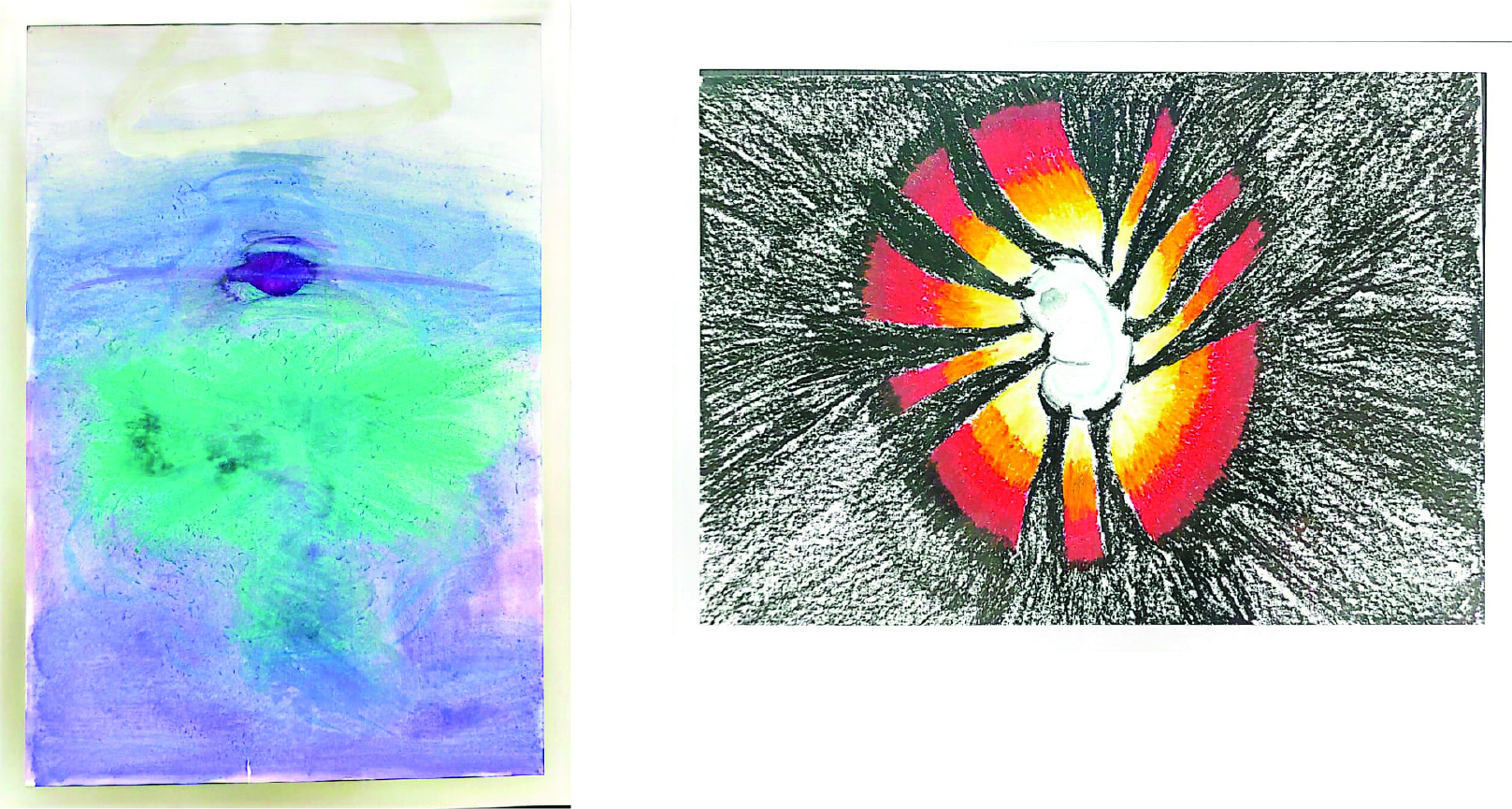
Figure 1. - Comparison of participant 3’s paintings from Sessions 1 and 6.
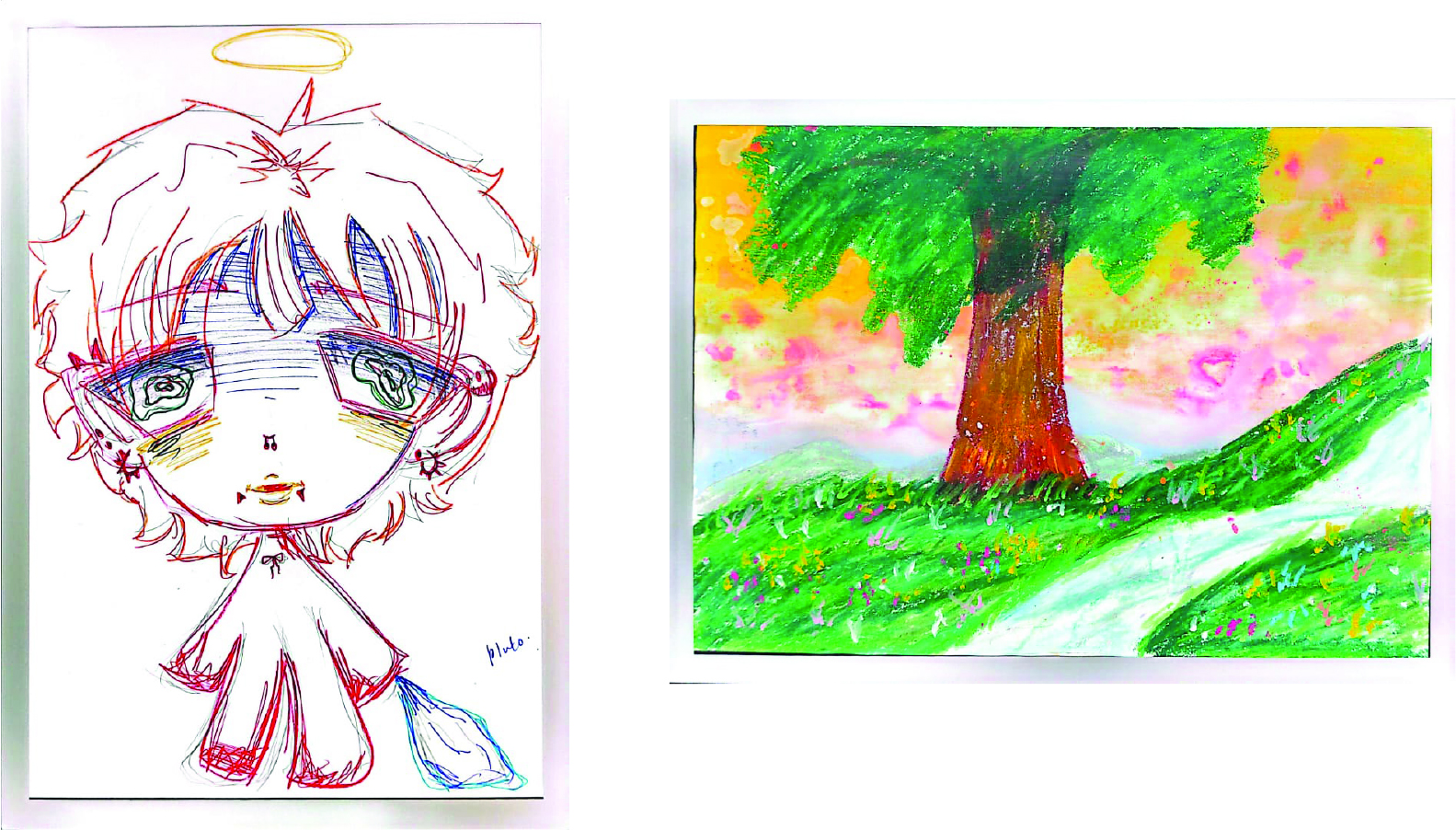
Figure 2. - Comparison of participant 7’s paintings from Sessions 3 and 7.
4.3.2. Cognitive
Several participants were confused and struggled to generate ideas for their artwork at the beginning of the therapy, which was manifested in their quick and simple creations. Throughout the therapy, participants gradually became more engaged, able to think deeply and express emotions through art. For instance, they developed a better understanding of interpreting their drawings symbolically. One participant who initially painted a simple shape later created a complex tree figure representing herself, demonstrating growth in artistic expression (Figure 3).
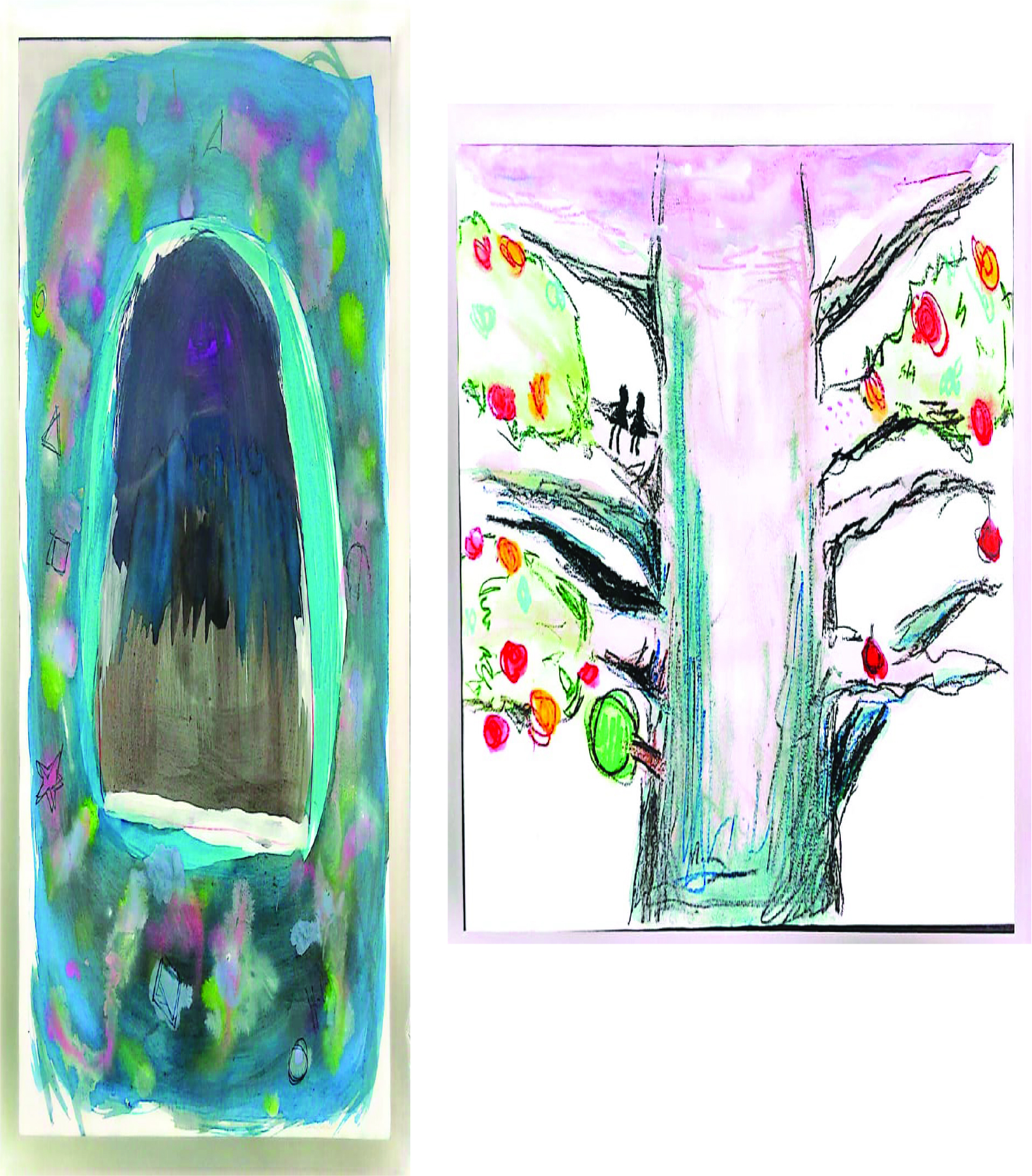
Figure 3. - Comparison of participant 2’s paintings from Sessions 1 and 7.
4.3.3. Behavioural
When the therapy first began, participants were hesitant to share their thoughts and experiences and exhibited limited social interaction. Several participants were also observed watching others’ behaviours without seeking clarification from the researchers. However, as the therapy progressed, participants interacted more frequently, beginning to share and discuss their artwork as well as personal interests. They also become more willing to express their emotions and provide feedback.
4.3.4. Social
A shift from passive acceptance to active engagement is evident in the participants’ approach to the activities. Initially, they relied solely on the researchers for materials. With encouragement, most of the participants become more motivated and confident in selecting their materials and seeking inspiration from their surroundings, followed by a noticeable increase in participants’ activity level.
4.4. Feedback on the Interventions
Participants’ perspectives on the intervention were recorded across four domains: emotional, cognitive, social, and behavioural. Each theme was further categorised into one to three sub-themes.
4.4.1. Emotional
Several participants reported greater emotional self-awareness and understanding following the therapy sessions. Participant 4 reflected that this enhanced understanding contributed to improved emotional well-being, as illustrated in the quote below:
“You feel better about it because you understand the feelings, yeah.” (Participant 4)
Besides that, participants frequently described expressive art therapy as a novel and effective means of emotional expression. Participant 7, who previously engaged in conventional verbal therapy, indicates a preference for artistic expression for her emotional exploration, as quoted below:
“In my previous therapy, it really just encouraged me to journal and stuff, which I feel is a bit similar to understanding what you feel and confronting it, but this therapy is more effective for me, I think, because I don’t really like writing my feelings out; I like to draw them out.” (Participant 7)
Furthermore, participants reported consistently on the expressive art therapy which is engaging and enjoyable. The process of artmaking was described as a calming and relaxing experience, as quoted below:
“It was fun because I got to draw.” (Participant 3)
Nevertheless, participant 7 highlighted that even though the therapy provided emotional relief, it did not fully resolve underlying emotional issues or delve into deeper concerns.
“Although this therapy is very good for my emotional expression, however, I do feel that… it did not, you know, go in depth into my problems. I do not feel that my problem has been resolved.” (Participant 7)
Participant 5 expressed that a longer, more individualised approach would yield greater emotional benefits.
“I hope that this therapy is longer, I feel that my emotions would be better if it is longer.” (Participant 5)
4.4.2. Cognitive
Greater mental clarity and concentration were cited by several participants that they experienced greater mental clarity and concentration. Participant 5 added a note that the enhanced cognitive function contributed to increased readiness for daily activities.
“It is like a very good brain exercise and like the first thing of the day, I come here and then. Yeah, it helps me to start the day.” (Participant 5)
4.4.3. Social
Most participants valued the group settings, which provided opportunities to obtain diverse perspectives from peers on processing depressive experiences.
“I think doing this as a group is also kind of eye-opening to see how different people, how other people are processing.” (Participant 7)
In addition, the social interactions fostered within the group served as a valuable source of social support, with one participant indicating the formation of new friendships.
“I like chatting with the other participants. I feel supported.” (Participant 1)
4.4.4. Behavioural
Multiple participants reported that the structured routine and the active nature of the art-making activities motivated and prepared them for their subsequent daily tasks.
“I have to leave the house in the morning to join the therapy, it’s like, it’s like you know regular timing. I feel more motivated.” (Participant 7)
5. DISCUSSIONS
The findings supported the effectiveness of the proposed expressive art therapy manual. Results demonstrated a significant reduction in participants’ total, cognitive-affective, and somatic depressive symptoms after the intervention. These findings support previous research that suggested the effectiveness of expressive art therapy in treating depression, with positive impacts observed in their social functioning and overall quality of life (Wang et al., 2019).
These results align with a systematic review conducted by Abdul Rahman et al. (2024), which synthesized 20 studies on expressive arts therapy within the Malaysian context. Their findings supported the efficacy of expressive arts therapy in local mental healthcare. Their work suggests that expressive arts therapy offers a unique advantage in Malaysia, as it can bypass cultural barriers such as emotional restrictiveness and the pervasive social stigma surrounding mental health treatment, which were crucial. Meanwhile, through both the findings of observational and focus group analyses, participants were found to display positive changes across multiple domains, as stated below.
5.1. Emotional
Firstly, participants shifted from anxious to relaxed states during expressive art therapy sessions. Their artwork showed increased complexity and a wider range of color usage. Participants reported greater emotional awareness, improved expression, and a sense of relaxation.
These positive impacts align with Nan et al. (2021), who suggested art therapy fosters emotional balance and self-awareness. They also highlight art’s soothing capacity, which facilitates emotion regulation and promotes calmness. As a powerful tool for expression, art allows individuals to externalize hidden feelings and impulses. This creative process brings unconscious emotions to awareness, facilitating the understanding and resolution of negative experiences. Vick (2003) regarded art as a potent medium for exploring suppressed feelings—such as trauma or grief—that are often difficult to articulate verbally. Furthermore, Larsen et al. (2010) noted art’s symbolic capacity to express self-concept, which offers a valuable alternative for communication when verbal expression is inadequate.
5.2. Cognitive
Secondly, participants demonstrated increased cognitive engagement and depth of interpretation in their artwork. They also reported improved mental clarity and focus after expressive art therapy sessions.
Expressive art therapy positively impacts cognitive abilities. Engaging in creative art activities enhances cognitive functions, including memory, attention, and problem-solving (Pike, 2013). Art creation requires individuals to process thoughts, strengthening cognitive abilities. In addition, art therapy stimulates divergent thinking and creativity, letting individuals explore new ideas and perspectives (Pike, 2013). Lee et al. (2019) examined art therapy’s effects on older adults’ cognitive performance; the art therapy group mainly improved memory, visuospatial abilities, attention, working memory, and executive function compared to the musical and control groups. These findings suggested that art therapy positively affected on cognitive flexibility, problem-solving skills, and overall cognitive function.
5.3. Social
Thirdly, observations indicated that participants more socially engaged by sharing and forming connections with peers. In the focus group, participants expressed gratitude for the social interaction and support provided by the expressive art therapy group.
Wang et al. (2019) investigated immigrant youths in a group art therapy setting and found their social functioning and adaptability were enhanced. This suggested art is a powerful medium for connection, facilitating discussion, sharing, and the discovery of commonalities. Kong & Han (2024) conducted a meta-analysis of 20 studies, which validating the effectiveness of group art therapy for adolescents and highlighted its potential to promote self-awareness, empathy, and social skills. Group settings allow individuals to recognize both their unique individuality and shared experiences, ultimately improving social functioning. Therefore, the authors intentionally incorporated designed activities fostering social interaction through art in the current manual.
5.4. Behavioural
Lastly, observational studies showed that participants who exhibited increased activity levels during expressive art therapy sessions. They demonstrated greater engagement, actively seeking out materials, contrasting with previous passive behavior. Focus group participants reported that the structured routine and active nature of art-making activities were motivating factors.
Shukla et al. (2022) has suggested art, which enhances self-reliance and self-motivation by requiring individuals to rely on their own abilities to create. The non-judgmental and supportive nature of art therapy promoted self-esteem and confidence. This aligns with humanistic theory, which posits that individuals achieve self-actualization and personal growth through opportunities for self-expression, empathy, and unconditional positive regard (Herron, 2022). Art therapy offers such an environment, supporting artistic processes and creations without judgment, fostering motivation. In addition, behavioural activation theory posits that consistent engagement in enjoyable activities leads to positive reinforcement, which boosted positive emotions and motivation (Ekers et al., 2014). Participants’ consistent involvement in art activities over multiple weeks in expressive art therapy facilitated behavioural activation.
6. IMPLICATIONS FOR POLICIES, PRACTICES, AND RESEARCH
This study demonstrated expressive art therapy’s effectiveness in mitigating depressive symptoms, advocating for its broader acceptance and integration into Malaysia’s mental healthcare system. This encouraged clinicians to pursue training in expressive art therapy to address the prevalent issue of depression. Expressive art therapy offers a non-verbal approach that is more comfortable and accessible for individuals hesitant to express emotions verbally. The current manual, incorporated Asian collectivist cultural values and object-relations theory, is designed for group settings, making it a suitable intervention for Asian cultures.
This study also emphasized the value of a mixed-methods research design. As Denzin (2010) has suggested, combining quantitative and qualitative data provides a more comprehensive understanding of findings. While quantitative data objectively measure significant differences (e.g., intervention effectiveness), it may not fully explain the underlying reasons. Qualitative data compensates for this limitation by obtaining in-depth insights and explanations through participants’ discussions, and provides a comprehensive view of the results.
7. LIMITATIONS AND DIRECTIONS FOR FUTURE RESEARCH
The present study has several limitations. The homogenous sample of college-educated individuals may limit the generalisability of findings, as their educational background often provides higher levels of reflective capacity and motivation influencing mental health outcomes (Englund et al., 2018).
As a pilot study, the small sample size of 10 participants restricted data generalisability; then future research with larger samples is warranted. Assessing depressive symptoms only directly after the 16 sessions may not be sufficient to evaluate long-term effectiveness; thus future studies should incorporate follow-up assessments. Additionally, as the study adopted a single group, no comparisons were made; therefore, future research should consider assessing the intervention’s effectiveness with a control group for comparison.
The qualitative analysis indicated the group therapy format which may not suit all the individuals, suggesting that future research should explore the efficacy of individual expressive art therapy. Furthermore, the short-term nature of the current intervention may not allow for a complete exploration of the underlying causes of participants’ depression; therefore, a longer-term intervention could be developed based on the current model.
8. CONCLUSION
To conclude, this study proposed a novel intervention grounded in ETC, BDI, and object-relations theory for alleviating depressive symptoms. The findings support the efficacy of this new expressive art therapy manual in reducing depressive symptoms among the Asian population. Furthermore, the intervention has demonstrated positive impacts on emotional, cognitive, social, and behavioural domains. This study also advocates for the integration of expressive art therapy into Malaysia’s mental healthcare system to provide an effective and culturally sensitive treatment option for individuals struggling with depression.
AUTHOR’S CONTRIBUTION
AEZL and JWH conceived the idea and the manual. AEZL and JWH conducted the project. AEZL and JWH wrote the first draft of the manuscript. All authors discussed, edited and reviewed the final manuscript.
AUTHOR BIOGRAPHIES
Dr Amos En Zhe Lian is an Associate Professor, practising psychotherapist, and Programme Director at Columbia International University. Specializing in schema therapy and psychoanalytic approaches, he holds a PhD in Counselling from Universiti Sains Malaysia and an MSc in Integrative Psychotherapy from Manchester Metropolitan University. He also received advanced training and supervision in Object Relations Psychoanalysis through the Object Relations Institute.
Jing Wen Ho holds a bachelor’s degree in Psychology from Raffles University Malaysia. She works at an art centre supporting children, including those with special needs, and is particularly interested in art therapy and its role in psychological development.
Lophren Yong Wen Sheue is a BACP-registered Transpersonal Arts Counsellor and school-based counsellor working with primary school children. She also serves as a teaching assistant at Columbia International University. Her work integrates verbal and creative arts approaches to counselling and mental health.
Lim Pei Fern is an art therapy practitioner and lecturer in the Psychology Department at Kings University College. Her professional interests focus on supporting adolescents and young adults through art-based approaches to mental health and wellbeing.
Dr Shubashini Mathialagan is a clinical psychologist, behavioural health coach, and psychology lecturer at Raffles University Malaysia. She specializes in Acceptance and Commitment Therapy (ACT) and has extensive experience in mental health education and corporate wellbeing initiatives.
Su Rou Low holds a Master of Social Sciences in Psychology from Universiti Sains Malaysia. Her research interests include mental health, social support systems, and social cognition.
ETHICS APPROVAL
The research reported in this paper is conducted in accordance with general ethical guidelines in psychology. The current research is also approved by the Raffles Research Ethics Committee (RU-REC2024-002).
DATA AVAILABILITY STATEMENT
The data that support the findings of this study are available from the corresponding author upon reasonable request and with appropriate permissions.
CONFLICT OF INTEREST
On behalf of all authors, the corresponding authors state that there is no conflict of interest.
FUNDING
This research received no external funding.
REFERENCES
Aalto-Setälä, T.; Marttunen, M.; Tuulio-Henriksson, A.; Poikolainen, K.; Lönnqvist, J. One-Month Prevalence of Depression and Other DSM-IV Disorders among Young Adults. Psychological Medicine 2001, 31 (5), 791–801. https://doi.org/10.1017/S0033291701004081
| |
Abdul Rahman, S. N.; Mahmud, M. I.; Ku Johari, K. S. Exploring of Expressive Art Therapy in Counselling: A Recent Systematic Review. Qubahan Academic Journal 2024, 4 (2), 430–457. https://doi.org/10.48161/qaj.v4n2a479
| |
Beck, A. T.; Ward, C. H.; Mendelson, M.; Mock, J.; Erbaugh, J. An Inventory for Measuring Depression. Archives of General Psychiatry 1961, 4 (6), 561–571. https://doi.org/10.1001/archpsyc.1961.01710120031004
| |
Blomdahl, C.; Goulias, A. Art Therapy for Adolescents with Depression: Feasibility and Acceptability Study in Child and Adolescent Psychiatry. Art Therapy 2024, 42 (1), 14–23. https://doi.org/10.1080/07421656.2024.2309422
| |
Case, C.; Dalley, T. The Handbook of Art Therapy, 3rd ed.; Routledge/Taylor & Francis Group, 2014. https://doi.org/10.4324/9781315779799
| |
Chung, R. C. Y.; Bemak, F. Group Counselling with Asians; DeLucia-Waack, J. L., Kalodner, C. R., Riva, M. T., Eds.; Sage Publications, 2004; pp 200–212. https://doi.org/10.4135/9781452229683
| |
Conradi, H. J.; Ormel, J.; de Jonge, P. Presence of Individual (Residual) Symptoms during Depressive Episodes and Periods of Remission: A 3-Year Prospective Study. Psychological Medicine 2011, 41 (6), 1165–1174. https://doi.org/10.1017/S0033291710001911
| |
Denzin, N. K. Moments, Mixed Methods, and Paradigm Dialogs. Qualitative Inquiry 2010, 16 (6), 419–427. https://doi.org/10.1177/1077800410364608
| |
Ekers, D.; Webster, L.; Van Straten, A.; Cuijpers, P.; Richards, D.; Gilbody, S. Behavioural Activation for Depression; an Update of Meta-Analysis of Effectiveness and Sub-Group Analysis. PLoS ONE 2014, 9 (6), e100100. https://doi.org/10.1371/journal.pone.0100100
| |
Englund, C.; Olofsson, A. D.; Price, L. The Influence of Sociocultural and Structural Contexts in Academic Change and Development in Higher Education. Higher Education 2018, 76, 1051–1069. https://doi.org/10.1007/s10734-018-0254-1
| |
Ghani, M. A.; Brown, S. E.; Khan, F.; Wickersham, J. A.; Lim, S. H.; Dhaliwal, S. K.; Kamarulzaman, A.; Altice, F. L. An Exploratory Qualitative Assessment of Self-Reported Treatment Outcomes and Satisfaction among Patients Accessing an Innovative Voluntary Drug Treatment Centre in Malaysia. International Journal of Drug Policy 2015, 26 (2), 175–182. https://doi.org/10.1016/j.drugpo.2014.10.002
| |
Global Health Data Exchange. Malaysia National Health and Morbidity Survey 2019; Institute for Public Health, Ministry of Health Malaysia, 2019. https://ghdx.healthdata.org/record/malaysia-national-health-and-morbidity-survey-2019
| |
Herron, S. A. Person-Centered Expressive Arts Therapy; Malchiodi, C. A., Ed.; The Guilford Press, 2022; pp 98–116.
| |
Hinz, L. D. Expressive Therapies Continuum: A Framework for Using Art in Therapy, 2nd ed.; Routledge, 2019.
| |
Kong, S.; Han, K. A Meta-Analysis of the Effectiveness of Group Art Therapy for Children and Adolescents of Multicultural Families: A Focus on Korea. Children and Youth Services Review 2024, 161, 107646. https://doi.org/10.1016/j.childyouth.2024.107646
| |
Kuria, N.; Wainaina, G. Pre-Post Tests Analysis of Using Art Therapy as Treatment for Depression: Case of Lang’ata Women’s Prison Nairobi–Kenya. AJBUMA Journal 2019, 5 (1), 92–107.
| |
Larsen, G.; Lawson, R.; Todd, S. The Symbolic Consumption of Music. Journal of Marketing Management 2010, 26 (7-8), 671–685. https://doi.org/10.1080/0267257X.2010.481865
| |
Lee, R.; Wong, J.; Shoon, W. L.; Gandhi, M.; Lei, F.; Kua, E. H.; Rawtaer, I.; Mahendran, R. Art Therapy for the Prevention of Cognitive Decline. The Arts in Psychotherapy 2019, 64, 20–25. https://doi.org/10.1016/j.aip.2018.12.003
| |
Lian, A. E. Z.; Low, S. R.; Yong, L. W. S.; Mathialagan, S.; Lim, P. F. Culturally Sensitive Art Therapy: The Development of an ETC-Based Intervention for Depression amidst Malaysian Stigma. Environment and Social Psychology 2025, 10 (7), 3778. https://doi.org/10.59429/esp.v10i7.3778
| |
Lian, A. E. Z.; Bono, S. A. Refining the Experiential Component of Schema Therapy for Traumatised Populations: A New Continuum of Experiential Techniques. European Journal of Trauma & Dissociation 2023, 7 (4), 100352. https://doi.org/10.1016/j.ejtd.2023.100352
| |
Lian, A. E. Z.; Bono, S. A. Integrating Object-Relations and Schema Models to Treat Complex Trauma: A Case Study of Splitting and Integrating Traumatic Experiences. European Journal of Trauma & Dissociation 2024, 8 (2), 100411. https://doi.org/10.1016/j.ejtd.2024.100411
| |
MacLean, P. D. The Triune Brain in Evolution: Role in Paleocerebral Functions; Springer Science & Business Media, 1990.
| |
Mao, A.; Brockman, R.; Neo, H. L. M.; Siu, S. H. C.; Liu, X.; Rhodes, P. A Qualitative Inquiry into the Acceptability of Schema Therapy in Hong Kong and Singapore: Implications for Cultural Responsiveness in the Practice of Schema Therapy. Clinical Psychologist 2022, 26 (3), 341–350. https://doi.org/10.1080/13284207.2022.2052273
| |
Midin, M.; Zainal, N. Z.; Lee, T. C.; Ibrahim, N. Mental Health Services in Malaysia. Taiwanese Journal of Psychiatry 2018, 32 (4), 281–293. https://www.sop.org.tw/sop_journal/Upload_files/32_4/01.pdf
| |
Mud Shukri, M. I.; Minhat, H. S.; Ahmad, N.; Ismail, F.; Kanthavelu, C.; Nurfarahin, D.; Ghazali, W. S. W.; Mohd Zulkefli, N. A. Prevalence and Factors Associated with Depression, Anxiety and Stress in Malaysia during COVID-19 Pandemic: A Systematic Review. PLoS ONE 2023, 18 (7), e0288618. https://doi.org/10.1371/journal.pone.0288618
| |
Nan, J. K. M.; Hinz, L. D.; Lusebrink, V. B. Clay Art Therapy on Emotion Regulation: Research, Theoretical Underpinnings, and Treatment Mechanisms; Martin, C. R., Hunter, L.-A., Patel, V. B., Preedy, V. R., Rajendram, R., Eds.; Academic Press, 2021; pp 431–442. https://doi.org/10.1016/B978-0-12-817933-8.00009-8
| |
Park, N. S.; Jang, Y.; Chiriboga, D. A. Willingness to Use Mental Health Counseling and Antidepressants in Older Korean Americans: The Role of Beliefs and Stigma About Depression. Ethnicity & Health 2018, 23 (1), 97–110. https://doi.org/10.1080/13557858.2016.1246429
| |
Pike, A. A. The Effect of Art Therapy on Cognitive Performance among Ethnically Diverse Older Adults. Art Therapy 2013, 30 (4), 159–168. https://doi.org/10.1080/07421656.2014.847049
| |
Remes, O.; Mendes, J. F.; Templeton, P. Biological, Psychological, and Social Determinants of Depression: A Review of Recent Literature. Brain Sciences 2021, 11 (12), 1633. https://doi.org/10.3390/brainsci11121633
| |
Rose, U.; March, S.; Ebener, M.; du Prel, J. B. Cut-off Values for the Applied Version of the Beck Depression Inventory in a General Working Population. Journal of Occupational Medicine and Toxicology 2015, 10 (24), 1–8. https://doi.org/10.1186/s12995-015-0067-4
| |
Schoonover, T. Child-Centered Play Therapy’s Impact on Externalized Behaviors of Children Who Have Experienced Trauma: A Single-Case Research Design, 2021. https://scholarworks.uark.edu/etd/4159
| |
Shamsuddin, K.; Fadzil, F.; Ismail, W. S. W.; Shah, S. A.; Omar, K.; Muhammad, N. A.; Jaffar, A.; Ismail, A.; Mahadevan, R. Correlates of Depression, Anxiety and Stress among Malaysian University Students. Asian Journal of Psychiatry 2013, 6 (4), 318–323. https://doi.org/10.1016/j.ajp.2013.01.014
| |
Shukla, A.; Choudhari, S. G.; Gaidhane, A. M.; Syed, Z. Q. Role of Art Therapy in the Promotion of Mental Health: A Critical Review. Cureus 2022, 14 (8), e28026. https://doi.org/10.7759/cureus.28026
| |
Tylee, A.; Gandhi, P. The Importance of Somatic Symptoms in Depression in Primary Care. Primary Care Companion to the Journal of Clinical Psychiatry 2005, 7 (4), 167–176. https://doi.org/10.4088/pcc.v07n0405
| |
Vick, R. A Brief History of Art Therapy, 2nd ed.; Malchiodi, C. A., Ed.; The Guilford Press, 2003; pp 5–16.
| |
Wang, G.; Kim, Y.; Oh, Y. A Case Study on the Collage Art Therapy for Immigrant Youths. Education and Information Technologies 2019, 24 (6), 1115–1129. https://doi.org/10.1007/s10639-018-9819-y
| |
Wang, Y. P.; Gorenstein, C. Psychometric Properties of the Beck Depression Inventory-II: A Comprehensive Review. Brazilian Journal of Psychiatry 2013, 35 (4), 416–431. https://doi.org/10.1590/1516-4446-2012-1048
| |
Ward, C. The Historical Development and Current Status of Psychology in Malaysia; Blowers, G. H., Turtle, A. M., Hac, P. M., Begum, H. A., Eds.; Routledge, 2019; pp 201–2222.
|