A Conversation between East and West: Introducing Expressive Arts Therapy in China
Volume 11, Issue 1, Pages 197-213
History
Received 01 March 2025
Accepted 01 May 2025
Open Access
This is an open access article.
Introduction
This conversation began when Professor Vivien Speiser and Dr Phillip Speiser traveled to Beijing in April 2024 to initiate the start of the Inspirees Training Program in the first expressive arts therapy training program to be offered in China (https://www.inspirees.com/expressive-arts-therapy-certificate-program/). Di Zhang (Didi) is one of the first students in this program and this article has grown out of their on-going relationship and communication.
前言
这一对话起源于 2024 年4月 Vivien Speiser 教授和 Phillip Speiser 博士的北京之行, 他们此行旨在开启亿派学院培训项目——中国第一个表达性艺术治疗培训课程 (https://www.inspirees.com/expressive-arts-therapy-certificate-program/)。张笛 (Didi) 是该项目的首期学员之一, 本文便是在他们不断深入的关系与沟通中孕育而生的。
Didi: Vivien, can you describe some of your early developmental experiences and how you began to develop expressive arts therapy programs around the world?
Vivien: I have practiced the form of expressive arts therapy for 50 years now. I was born in 1949, in what was then a British Colony in South Africa. My Jewish grandparents had immigrated there from Lithuania at the turn of the century to escape religious persecution in Eastern Europe. I grew up in the hills and mountains around Johannesburg, and as a child, I developed the practice of what I now have come to call “praise dancing.” I have been dancing since the age of 6, and until this day, whenever I come to a particular constellation of rock and running water, anywhere I travel in the world, I dance and move my thanks for being alive in that moment (Figure 1).
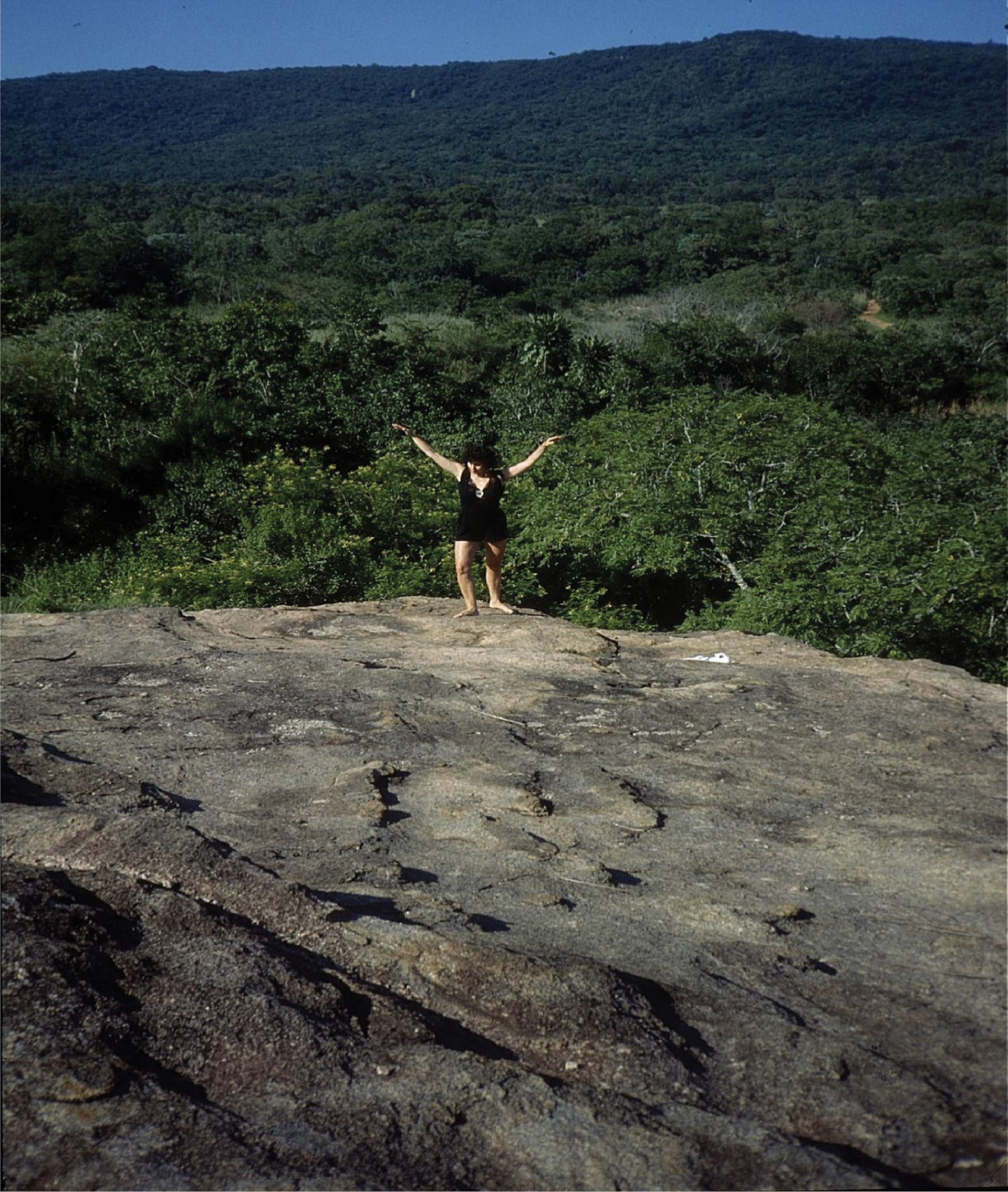
Figure 1 - Vivien dancing on the rocks in South Africa, January 2022. Photographer: Phillip Speiser.
As a young adult, I immigrated from South Africa to live in Israel in 1970, and following the Yom Kippur war in 1973, I realized my need for further training in helping others to work with painful issues through the use of the arts. At this point, there were not yet training programs in Israel in expressive arts therapy. I then moved to study in Boston at what was then Lesley College in 1975 in the first cohort of students in their master’s in expressive therapy training program. In 1980, after completing my training, I have been involved in the development of the creative and expressive arts therapies around the world. As a professor emerita from Lesley University, and as a pioneer in the development of these fields in Israel, South Africa, and the United States, I understand the significance of this moment and the burden and responsibility that you and the first cohort of students carry with you in determining how this work will develop in China.
Vivien: Didi, can you please describe your background and how you have come to begin your studies in expressive arts therapy?
Didi: My passion for the arts emerged early in life when I began learning the violin at the age of five, forging a lifelong connection with creativity. With a professional career spanning 21 years across entertainment marketing, film, and psychology, I studied sound direction at the Communication University of China and earned a master’s degree in television journalism from Goldsmiths, University of London. At Ogilvy China, I led entertainment marketing, bridging Chinese brands with global productions, and later expanded my role to film marketing and production in the industry.
Building on my extensive experience in marketing and film, I chose to follow my heart and pursue my passion for psychology. I earned a master’s degree in clinical psychology from Peking University, became a certified clinical and counseling psychologist with the Chinese Psychological Society, and have accumulated thousands of hours of clinical experience as a counselor. During the pandemic, I unexpectedly discovered a talent for painting, reconnecting with a deeply rooted artistic potential. This exploration led me to expressive arts therapy, where I am learning to integrate my multidisciplinary expertise and enduring connection to the arts into my psychological practice. I see the arts as a vital force for transformation, helping individuals reconnect with creativity and embrace healing and growth.
Didi: While delving into expressive arts therapy (EAT), I have been drawn to understanding how this field emerged during the social and psychological transformations of the 1960s and 70s. As an early participant and pioneer in this field, could you share some unique insights about its origins and development?
Vivien: I believe that in order to restore the sense of connection both individually as well as with the whole and with all forms of life today, it is critical to reconnect to the arts and their creative capacities. The expressive arts therapy (EAT) field came about during a time of overflowing energies in social, cultural, political, and creative activities that began in the USA in the 1960s and continued into the 1970s. The Freudian, psychoanalytic and Jungian psychology approaches had developed earlier, and this was the time that embraced the new developments including the establishment of humanistic, transpersonal and depth psychology and the further developments of the creative and expressive arts therapies. Expressive arts therapy is integrative and holistic at its core, emphasizing the health and wellness of the individual and the collective. The integration of all of the arts, including visual, movement, writing, sound, rhythm, drama, and enactment, invokes the healing and wellness of the whole person, as the different arts modalities affect different aspects of the person. The development of expressive arts therapy as a separate field of professional practice is relatively recent and the first academic training programs began in 1974 at Lesley University by Shaun McNiff with Paolo Knill, Norma Canner, Elizabeth McKim, and Joseph Powers (McNiff, 2009). Early students at Lesley, like myself, came from all around the world, and as we found our way with the form of expressive arts therapy, we were involved in the development of the field in other countries. Together with Shaun McNiff, I cofounded and directed the Lesly University Extension Program in Israel from 1980 to 2014 and remain as a professor in the ONO Academic College program in Israel, which is the successor institution to Lesley University in Israel. My husband, Phillip Speiser, who also teaches in the Inspirees program in China, took the work to Scandinavia where he directed the Swedish Institute for the Expressive Arts from 1980 to 1992. We write about how:”
“We were there at the beginning of this integrative journey as students who immediately grasped the enormity and vision of the undertaking… In those heady days, it was the Zeitgeist of that moment where we were becoming the living manifestation of the evolving theory” (Marcow Speiser & Speiser, 2009, as quoted by McNiff (2009, p. ix).
Vivien: Didi, you are now one of the first students in the Inspirees-China expressive therapy program. I am interested in hearing from you how this program is affecting you in its beginning. You are, after all your training is completed, going to be involved in the development of the field in China. What is this program teaching you?
Didi: Thank you for your thoughtful question. This experience has been deeply enriching, moving, and inspiring. It has awakened my inner vitality and creativity, opening a door to my future career and a new path in my personal life. It has brought a profound renewal of my inner self, allowing a fresh integration of who I was and who I am now.
It reminds me that “And, when you want something, all the universe conspires in helping you to achieve it.” (Coelho, 1993) These words from The Alchemist, which I read ten years ago, have come back to me recently and deeply resonate with my own experience after a year of learning and applying EAT in my life. Over the past year, I’ve felt very clearly that I’ve embarked on a transformative and soul-stirring journey. The magic and wonder of this experience are hard to express in words. Indeed, I feel confident and certain that EAT has helped me get closer to and uncover a deeper layer of my TRUE SELF, guiding me to find and step onto the “path of destiny” that is uniquely mine.
Figure 2 - presents the work titled Growth, which was created early in my studies and is symbolic of my belief that: No matter the form or content, every expression is a process of creation and manifestation of life. What is most precious is the growing certainty, courage, and the willingness to allow natural growth to unfold during the process of expression. Perhaps this is what we call the essence of vitality.
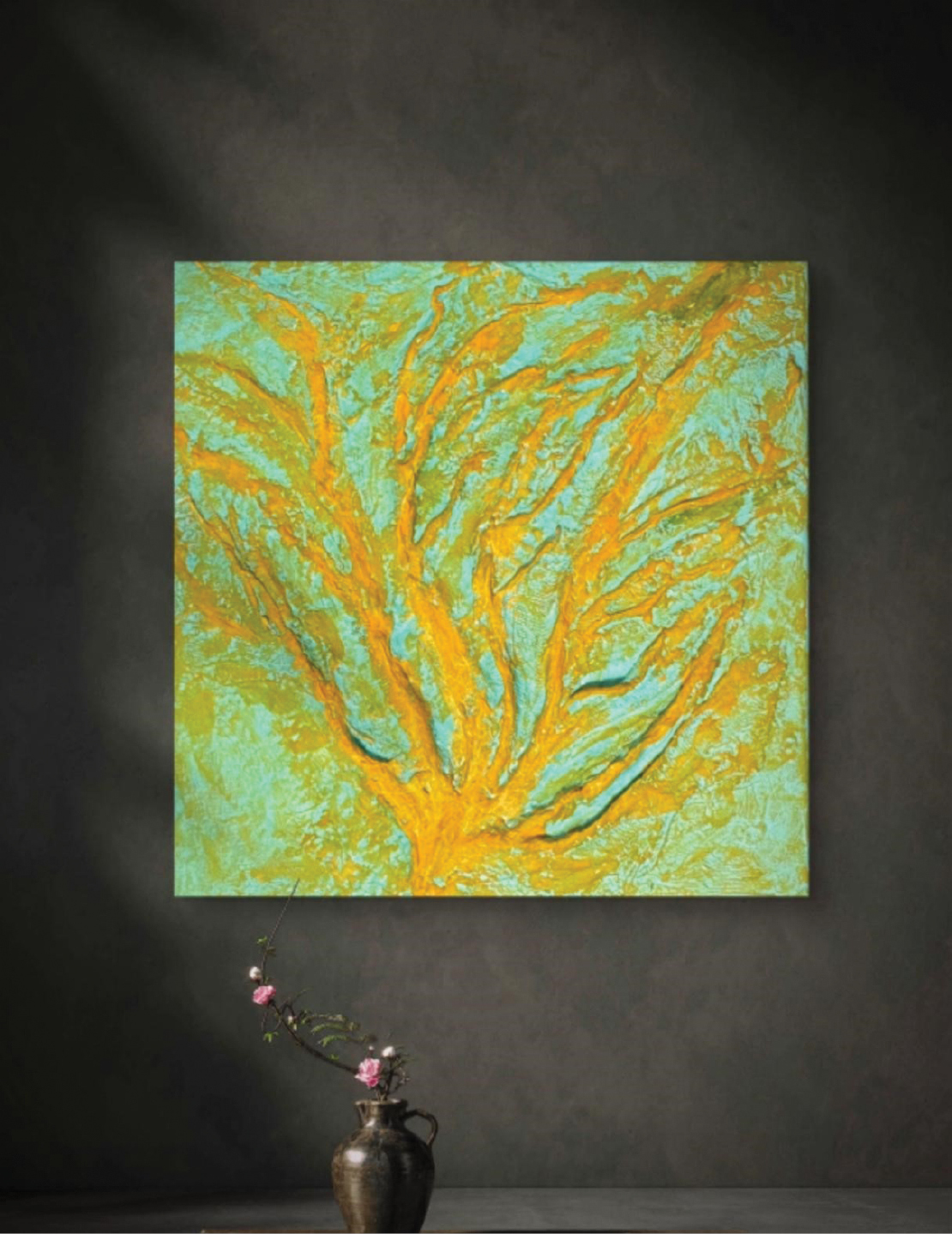
Figure 2 - Growth, June 4, 2024. Materials: Acrylic paint, plaster bandage. Dimensions: 30×30 cm.
Vivien: Didi, you remind me of the power and magnitude of this work and indeed of this profession and the effects that the struggle involved in the search for meaning and form that each student will undergo. There is no one way to practice this form. It is an elusive form and involves a deep and profound engagement with creative process to find the form that resonates with your individual and collective being. My teacher the late, great Norma Canner, when asked how do you know what works, answered me in a personal conversation as follows: “First you try one thing. If that does not work, then you try another, if that doesn’t work you try something else, and the rest will follow.” I am confident that in your development as a creative arts therapist the rest will follow for you. What makes this process so complicated is that there are no clearcut answers. Here are a few thoughts about the philosophical and theoretical underpinnings to this work.
Expressive arts therapy is grounded in the interrelatedness of all the arts, representing an intermodal and multimodal character that brings a holistic approach to healing with arts (Knill et al., 2004). The essence of the expressive arts therapy process is the aesthetic experience in a relationship and dialogue woven among the therapist, the client and the “total work of art.” Through “creative connection” (Rogers, 1993), client and therapist allow one art form to influence and interact with other art forms so that what is essential for the client’s life becomes more visible and accessibile. Together they explore fresh perspectives, see new possibilities, and explore creative solutions that may help clients go beyond their suffering or feeling of helplessness. The clients become active participants rather than helpless victims of their diagnosis or challenges. Expressive arts therapy approaches can help shape and form a direct pathway to the use of creativity and the creative process in professional practice. The arts, integrated into education, mental health, healthcare and community settings, serve as important tools for learning, rehabilitation, growth and healing. Drawing upon the arts in embodied expressions and enactments are ways of “telling the story” in symbolic ways that are able to “hold and contain,” that is, to have coexisting within them complex and at times even contradictory elements. The telling of stories and the expression of personal narratives through a wide variety of art forms to a community of witnesses can be a powerful experience for all involved and contributes to new ways of knowing and engagement.
The development of the expressive arts therapy field draws upon traditional and indigenous practices, ceremonies, and ritual combined with contemporary psychological principles and clinical training. This interdisciplinary practice caters to the diverse intrapersonal, interpersonal, social and cultural needs of educational, community and clinical populations. The arts are effective tools for learning, human development, and healing because they give aesthetic form to the capacity to negotiate between individual and group expression and between the community and the society.
The arts harness the power of creativity and creative process for all human beings. Art comes from the basic human need to create, communicate, create coherence, and symbolize.
The arts are a tool that can provide both therapeutic and educational benefits. The arts allow individuals to express themselves from a deep cultural perspective in modes of communication other than those based in written or spoken language, and thereby promote a wider spectrum of possibilities for communication. The arts mediate across cultural boundaries and allow for the development of empathetic awareness of multiple perspectives. Work in the arts and enhancement of creative expression is an essential part of the educational and healing process. It is through the arts that individuals and groups might both affirm and reveal their unique issues and identities. The arts provide rich opportunities for challenging the known and the accepted, while pushing us into imagining new possibilities.
Vivien: Didi, I turn to you to finding your new possibilities in this work.
Didi: Over the past year of study and exploration, I have fully immersed myself in the process, applying various artistic forms from the book and class to connect with my daily life, work, and inner self. The training and courses have been a transformative journey, deepening my connection with myself and others, while gradually guiding me from an experiencer to a practitioner of EAT.
In my daily life, I have integrated EAT practices such as drawing, writing, and movement into personal self-expression. For instance, I created a series of visual pieces reflecting my inner emotions during periods of self-reflection, which became a way to process my thoughts and experiences artistically.
Figures 3 and 4 present examples of how I have been using the arts in daily practices to frame and integrate my learning from the class.
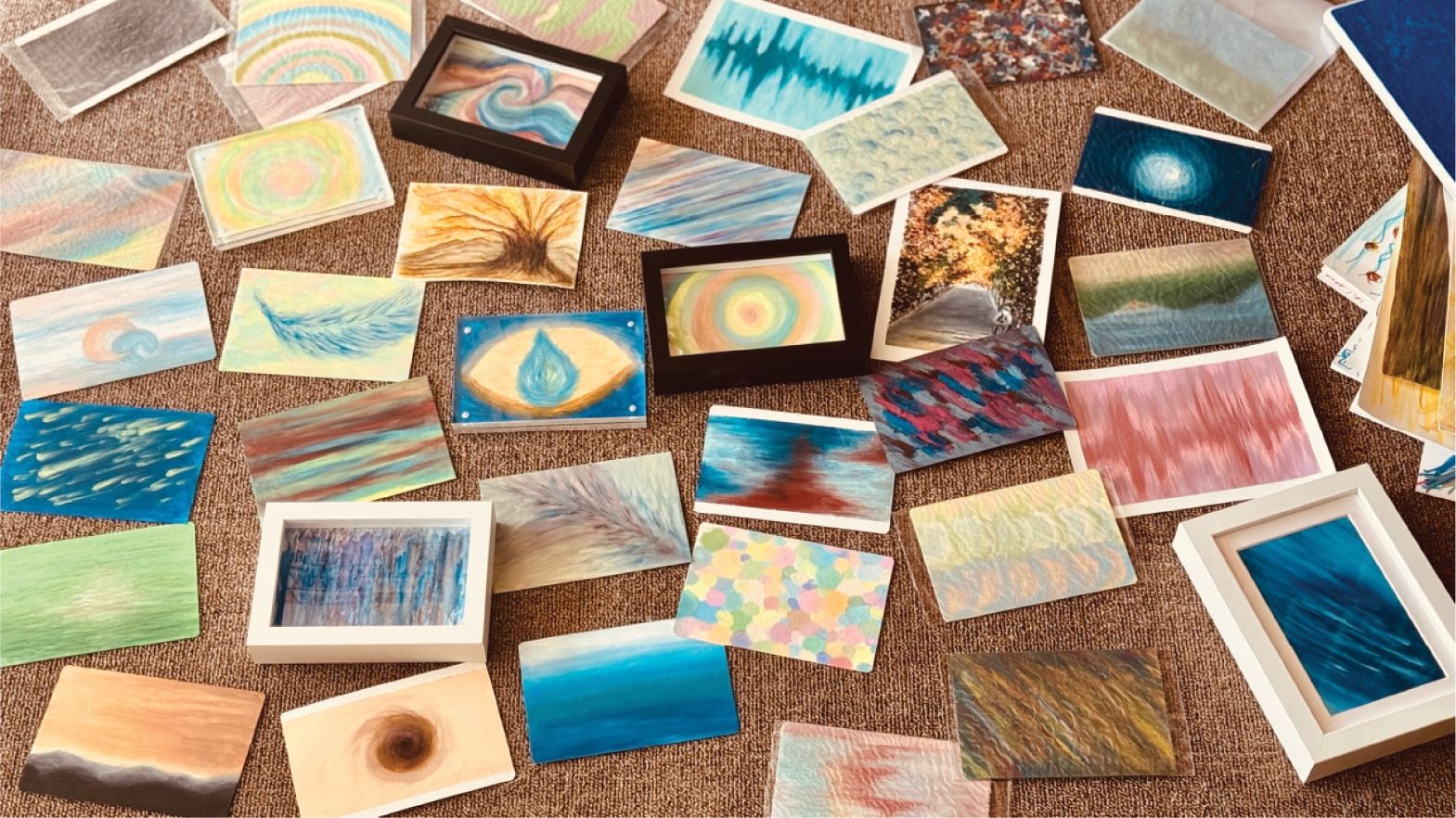
Figure 3 - Handmade daily emotion cards for expressive arts therapy self-exploration.
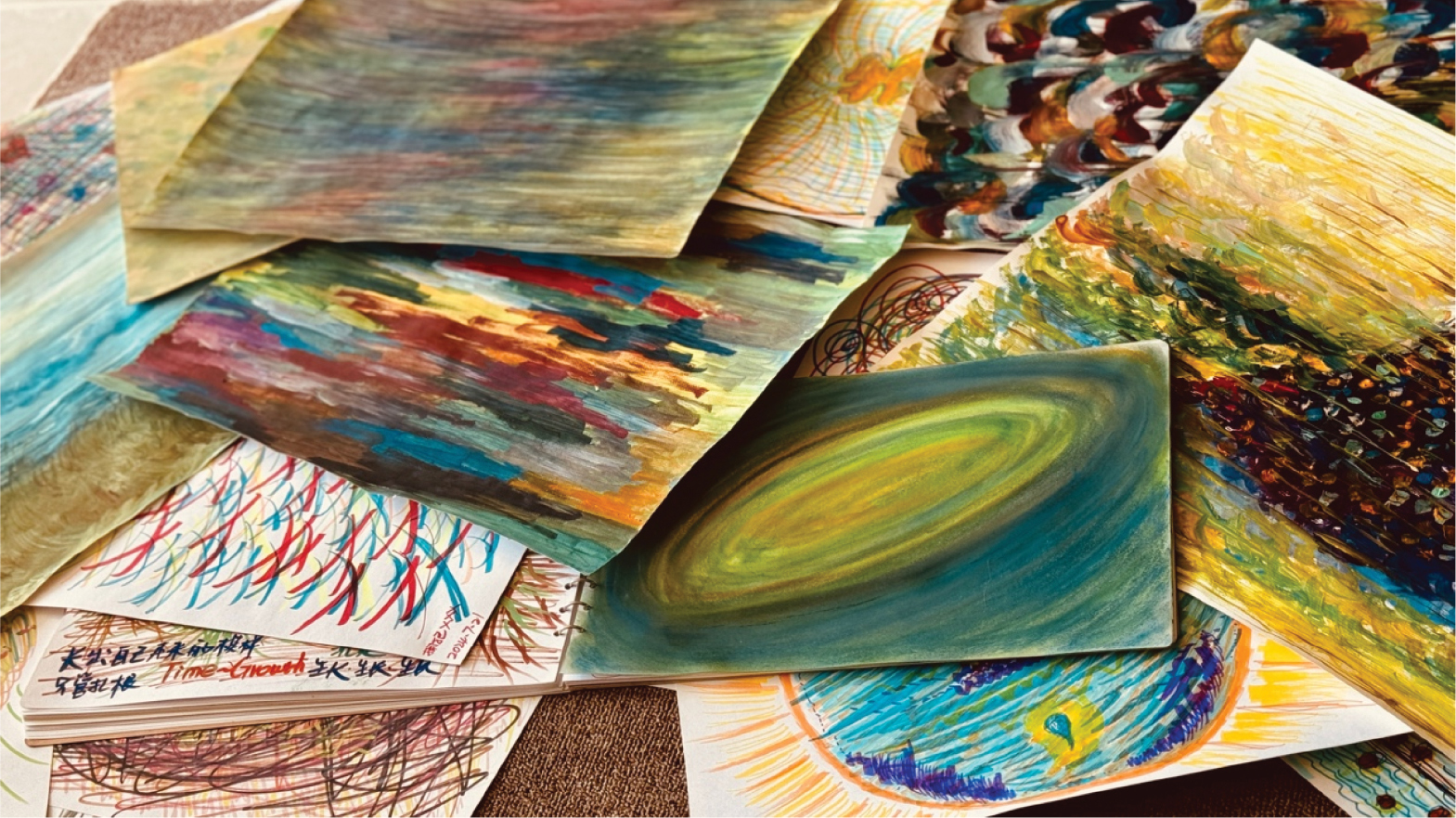
Figure 4 - Daily expressive arts therapy self-exploration expressed through cardstock and a sketchbook.
In parallel, I have also been applying EAT in my professional work, including leading expressive arts therapy groups for university students. Through this experience, I have witnessed how the creative process naturally opens pathways for participants to connect with their inner selves and uncover hidden aspects of their emotions and identities. The natural flow of artistic expression reveals profound insights, affirming the transformative power of EAT.
The journey through the program has already given me an unprecedented sense of courage and certainty from within. My personal belief has always been that “Experience above all else” and what left the deepest impression on me during the course was the emphasis on “experience.” It was not simply about gaining knowledge on an intellectual level, but fully immersing myself in the present moment and environment, feeling the relationship between myself, the world, and others from within. This magical journey with EAT has made me even more certain of my path as a psychological therapist and EAT practitioner. The accumulation of knowledge and practice must go hand in hand with my growth as a “human being,” because I will always meet my clients as a fellow human being. How fortunate I am to walk this “human-to-human” path in my profession, and I will continue to cherish this “gift” and the sacredness it carries. On the journey of “becoming my true self,” I will continue to courageously meet, explore, and create in my encounters with different souls. In the example in Figure 5, I share a poem that emerged from an EAT training session.
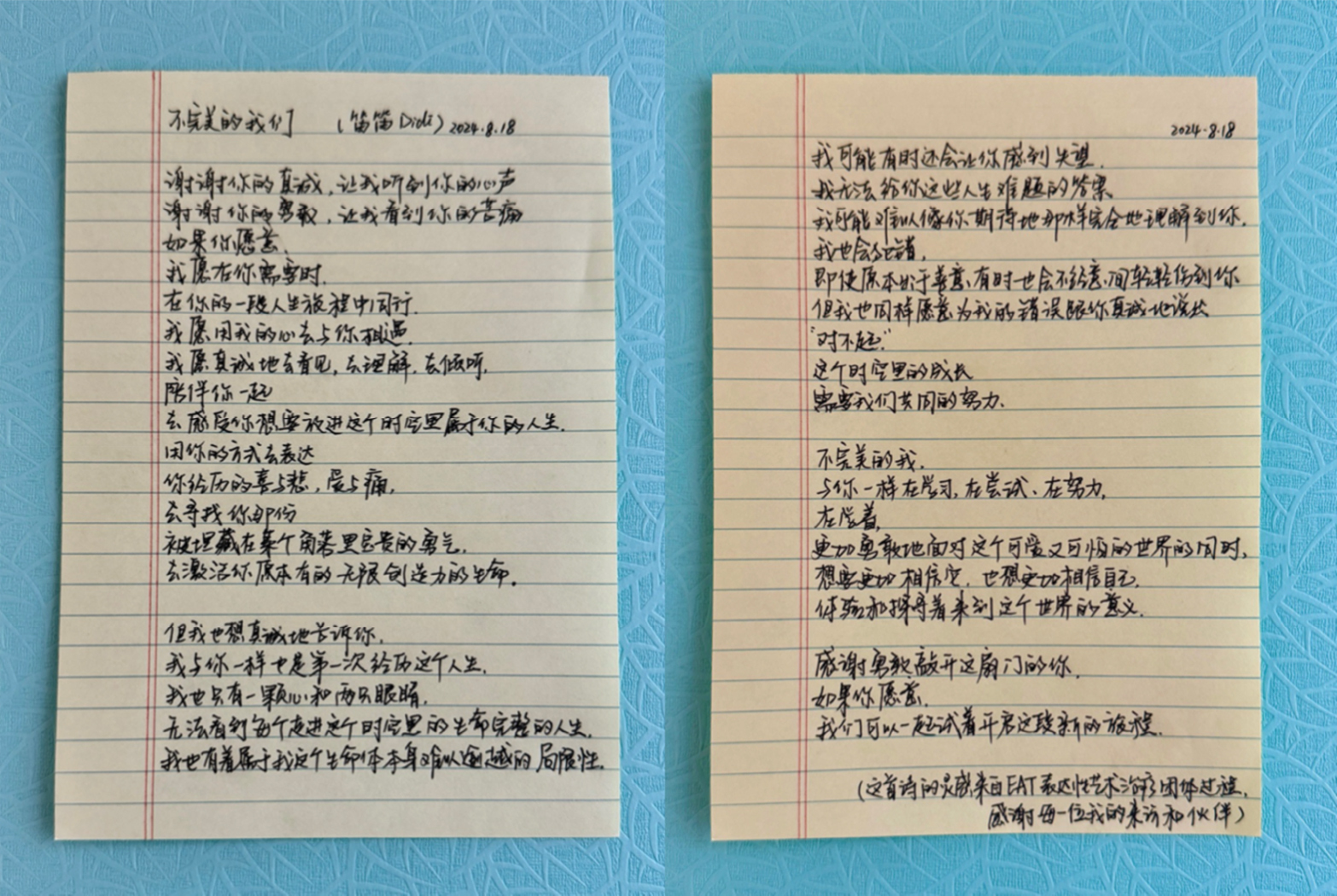
Figure 5 - Offline training poetry creation, titled “Our Imperfect Selves.”
Our Imperfect Selves
Thank you for your sincerity,
For letting me hear the voice of your heart.
Thank you for your courage,
For allowing me to witness your pain.
If you’re willing,
I would be honored to walk beside you,
Through this chapter of your life’s journey.
I will meet you with my heart,
Genuinely seeing, understanding, and listening to you.
Together, we can explore
What you wish to place into this time and space.
In your own way,
You will express the joys and sorrows, the love and pain you’ve carried.
We’ll search for that precious courage,
Long buried in a quiet corner of your soul.
And awaken the boundless creativity
That has always existed within your life.
But I also want to share this honestly:
Like you, I am living this life for the first time.
I have just one heart and two eyes,
And I cannot see the full story of every life that enters this space.
I, too, carry the inherent limitations of being human.
At times, I may let you down.
I don’t have the answers to life’s most difficult questions.
I may struggle to understand you as deeply as you hope,
And I may make mistakes—
Even with the best intentions, I may unintentionally cause you pain.
Yet, I promise to sincerely say, “I’m sorry,”
For any mistakes I might make.
This shared space of growth
Requires effort from both of us.
Imperfect as I am,
Like you, I am learning, trying, and growing—
Learning to face this beautiful yet terrifying world with greater courage.
Learning to trust it more, to trust myself more.
Exploring the meaning of being here, in this world.
Thank you for bravely knocking on this door.
If you’re willing,
Let’s embark on this journey together.
This is the first poem I’ve written with such sincerity. Created during a recent expressive arts therapy training session exploring the theme of being a “good enough therapist,” it offered a chance to reflect deeply on why I chose this profession—rooted in the belief of “influencing lives with life.” It also prompted thoughtful revisiting of the many moments and experiences accumulated over years of practice.
Didi Zhang, August 18, 2024, Beijing. Special thanks to teacher Keren Shechter and expressive arts therapy group members.
Vivien: Your work reminds me of how it is that each individual in a group brings the totality of their own experience in the group. Its whole world of experience with all of its attendant pleasures and pain. It is ineffable and hard to describe or put into words, yet it is on some unknowable level “known” and manifested within the group as each of the students struggles with their own personal and collective demons as they work towards telling the story. There are waves of emotion that flood into the life of any group—and from moment to moment individually and collectively there is a constant falling apart and reconstructing process at work. Using the arts in healing expresses the whole person’s soul, mind, and body. It expresses not only the individual person, but also the collective unconscious and universal states of the human condition. Studying expressive arts therapy facilitates creativity, compassion and connection, and can create new contexts and introduce new frames of reference, enabling each person to discover his or her personal strengths and preferred channels of communication. The act of telling stories has always helped humans deal with the threat of nonbeing, and sometimes the expressive act itself has a healing effect.
Being a student in an expressive arts therapy training program is a transitional developmental phase. You are not quite who you were before and are still in process as to what you will become and the place that you will take in unfolding the development of the expressive arts therapy form in your personal and professional practice, and the influence this in turn will have on the development of the form in the Chinese context. Remember that this is a form and practice that comes out of Western thinking and that the faculty you are teaching as they are teaching you, are themselves only beginners and lost in the translation from West to East. Here I am the student and need to rely on you to help me find the way this form makes sense to you in China. The beginning of this program is essentially what I have previously referred to as a “rite of passage ritual” (Marcow Speiser, 1998). It is essentially a starting point for the beginning of the establishment of expressive arts therapy traditions in China. Please share with me some of your thoughts about the questions that are coming up for you about how best to adapt this Western form, generated 50 years ago to the Eastern form of psychotherapy as you understand this way better than I do.
Didi: Thank you for highlighting the challenges of cross-cultural adaptation in expressive arts therapy and sharing your thoughts on the Chinese market. Your insights resonate deeply. Counseling and psychotherapy in China are still in early development, with ongoing progress among regulators, institutions, and practitioners. While public awareness of mental health is growing, stigma and misunderstandings remain prevalent.
From what I’ve observed, incorporating the arts into therapy has long been quietly explored by pioneers but remains a niche field, largely unfamiliar to the public and limited to spaces like hospitals, schools, or small community programs. However, the past year has seen a surge in interest in “art as healing” and therapeutic art approaches. This rapid popularity has also introduced confusion, sparking industry discussions on differentiating and defining “art therapies” and “art-based healing.”
These observations and discussions are invaluable for the market. As a counseling psychologist, I believe professional ethics and competency are essential for the healthy development of any field, including counseling and art therapies. These debates seem rooted in a collective desire for responsible growth to benefit more people. Could introducing ethics and competency as core concepts early on, along with clear professional standards, better guide newcomers?
I’m also curious how, in the early stages of your work, pioneers guided new practitioners. Were there experiences or insights that might inform this emerging field?
Vivien: Thanks for voicing your concerns regarding the staging and grounding of ethical practices and the instillation of guidelines for ethical practice in training in expressive arts therapy. In considering the credentialing process in expressive arts therapy the Inspirees training program has been designed to meet the current requirements for the REAT registered expressive arts therapist by IEATA, the International Expressive Arts Therapy Association. IEATA defines expressive arts therapy as a professional field that “combine(s) the visual arts, movement, drama, music, writing and other creative processes to foster deep personal growth and community development” (www.ieata.org).
As you can see from this definition the emphasis is on personal growth and community development. Each student, depending on their personal and professional background will bring different kinds of strengths (and deficits) into the program as well as different theoretical and professional backgrounds. This makes for a complex unevenness of expectations and differences in student’s needs and understanding and each student faces the same complex task of knowing what they already know, aligning that with the new methodologies and experiences and creating a flow from the past into the present learning and beyond that into their future development as expressive arts therapists. And all this is being mediated both verbally and non-verbally through the body, the mind and the senses. This is the process that I have called “passionate learning” that takes a creative and expressive form in the process of development towards becoming an expressive arts therapist. I learned early on from Shaun McNiff (1998a and 1998b) to trust the process, and I do, and I have witnessed thousands of students from all around the world find and take their place in this work. It’s a complex mixture and I am interested in hearing more about your perspective in encountering this kind of training.
Didi: In learning and practicing, I’ve been inspired by how cultural context shapes the understanding and application of expressive arts therapy. Rooted in the principle of “experience,” this approach gains deeper significance in cross-cultural settings, where differing societal values and learning methods pose unique challenges. It emphasizes connecting with emotions and intuition through direct engagement with the arts—a concept resonating with Chinese philosophy, such as the ancient idea of “unity of thought and action” (知行合一), which highlights understanding through practice and experience (Wang, 1969). This aligns closely with the experiential learning focus in teaching and learning in expressive arts therapy (Knill et al., 2004).
In a society valuing efficiency and pragmatism, expectations often favor quickly transforming experiences into knowledge, skills, and tangible results. In arts-based therapies, this demand is even greater, as people seek not only healing but also measurable, visible changes within a short time.
This inherent alignment of values and occasional conflicts underscores a profound challenge: while the depth of experience and its personal meaning remain the core values of expressive arts therapy, they also represent one of its greatest difficulties in a modern context (Knill et al., 2005). Experience, in my view, is not just a sensory or emotional moment but a profound dialogue with the arts, transforming inner feelings into deeper self-awareness and actionable insight (Rogers, 1993). Yet, the contemporary emphasis on measurable effectiveness often pushes individuals toward quickly converting these experiences into visible results. This dynamic reminds us of the need to balance the essence of experience with the demands of reality.
From my observations, translating experience requires time and methodical approaches, involving the construction of a bridge between the deeply personal content of artistic expression and frameworks for sharing, analysis, and practical application. This transformation challenges both learners and practitioners, raising the question of how to balance the subjectivity of experience with practical application to make them complementary. In expressive arts therapy, this dynamic is particularly evident. For learners, the value of experience lies in its subjectivity, yet this can lead to uncertainty when outcomes aren’t immediately visible. Practitioners, meanwhile, face the challenge of staying true to experiential learning while developing tools and methods that align with local cultural and societal needs. Drawing on traditional cultural wisdom may offer innovative solutions to these challenges.
How can we balance the emotional depth of experience with the rational need for measurable outcomes? Can we bridge experience and cognition, emotion and reason, exploration and practice to create culturally relevant frameworks? Expressive arts therapy is more than a healing method—it’s a force encouraging society to rethink the role of art and human experience. In this process of cross-cultural adaptation, balancing experience and application, tradition and modernity, is a topic I deeply wish to explore further with you. Have similar challenges arisen in your context, and how would you recommend navigating these tensions during localization?
Vivien: I am very cognizant of the realities you are describing and that you are part of this first founding generation of introducing the practice of expressive arts therapy into China. To you will fall of the tasks of developing the field and its multiplicity of applications in China. The future will determine where it will land in institutional structures in education health and mental health, in growth and transformation frameworks as well as community offerings.
It is in your hands as students and as professionals coming from mixed fields to find your place in the development of this work in China. Each one of you will emerge confident in overcoming your own personal and professional struggles towards the understanding and application of the work and will apply it very differently from one another. This is the task—and it’s a difficult path to follow when you are at the beginning. The primary purpose at the onset is for you to engage in your promotion of your expression and imagination. Imagination is considered of primary importance in the sense that it can be employed in a multi-sensory and multi-dimensional way toward the goal of health and well-being, your own and others. When used in this context the imagination is what contains and reveals messages from the psyche in the form of images, sounds, movements, words, stories, or dramatic enactments.
As the fields of creative and somatic arts therapies grow, they face the challenge faced by all therapeutic approaches of providing evidence-based studies. Students in psychology are trained to work with evidence-based approaches, and the creative and expressive arts therapies use art-based methodologies in describing their use and efficacy in therapy. These art-based methodologies draw upon the experience of change over time produced by the arts. Expressive arts therapy, additionally, is an organic and evolving process based on an emergence into finding a form for expression, and each session is different, so it does not lend itself to manualized approaches or assessments. Since it involves dimensions of emotion, feeling and search for meaning, it needs art-based expression in order to capture the nuances that are essentially sometimes beyond words. Art-based approaches and art-based research draw upon art-making as the evidence in addressing and describing the unique qualities of each experience, documenting change over time, and communicating findings in creative and innovative ways.
From my perspective, expressive arts therapy draws on principles from embodied healing traditions from the East, especially in the form of mind/body awareness, contemplative, and mindfulness practices. Expressive arts therapists work using the arts to improve health and well-being across the human lifespan in healthcare and community settings within many different organizational contexts. They are used with children and adults, as individuals or in groups, to heal and to nurture deep personal growth and transformation. They deliver clinical services addressing patient treatment goals, toward resolution of life challenges, mental health issues, medical problems, and the like. Additionally, they are an important resource to assist in program development in non-clinical contexts, such as healing/therapeutic arts services, to include training and supervision of artist facilitators, as well as delivery of services either independently or in collaboration with other mental health providers, and/or artists.
One of the challenges in elucidating this form into research and scholarship is its elusive and creative nature—capturing the heart, soul. and spirit of creative work across disciplines to an international audience is an art-based methodology and finding one’s form to talk about, write about, present about and open one’s soul exploration into is a life journey and my approach differs year to year, decade to decade. and generation to generation. There are no easy answers here. and it is your task and the task of your generation to see, follow. and find your own form for explicating your approach.
As I wrote in Passionate Learning (1986) when I was concluding my own doctoral research on the subject of educating the creative arts therapist at that time:
Using feelings to find form,
Finding order in chaos,
Clarifying, reflecting,
Sounding, experimenting,
Succeeding or failing.
No sooner do I find my form
than I go on to create
something else for myself.
Life is experienced in the moment
I am not what I was yesterday
or what I will be tomorrow.
One thing is certain,
cycles end and begin again
These are some of my thoughts about the profession, and I am interested in how this relates to your own understanding.
Didi: Thank you for sharing your thoughts on the challenges and opportunities in establishing expressive arts therapy in China. Reflecting on my practice, I am drawn to how this field has been successfully implemented in other cultural and institutional contexts. What are some of the most impactful applications of expressive arts therapy in the countries or cultures you are familiar with? How has it been introduced and integrated into community development, healthcare, or education?
Based on your observations, could aspects of these applications inspire us as we develop expressive arts therapy in China—from its emergence to growth and localization? What key factors or guiding principles could help this practice thrive within China’s unique cultural framework?
Vivien: I wish I had a crystal ball and could peer into the future to envision how this field will evolve in China. As the field has evolved in different countries eventually it becomes the province of governmental agencies to determine the legal limits of the scope of practice. In the United States, every state determines its own standards and educational and training requirements for licensure in psychology, counseling psychology, and creative and expressive arts therapies. In some states, creative and expressive arts therapists are licensed as such, and in some states, they are licensed under mental health counseling. In South Africa, for example, arts therapists are licensed by a board which also licenses occupational and physical therapies. There are also national and international creative and expressive arts therapy associations which provide certifications and registry processes for creative and expressive arts therapies. At some point, developmentally, the trajectory seems to be that as these professions grow and as more and more creative and expressive arts therapy programs continue to emerge in China, professionals who practice in educational, community, and clinical settings and organizations will band together and creative organizations to further their practice and to begin to mobilize to create standards and lobby for inclusion in governmental structures that will eventually develop criteria for legalization and legitimization of these professional fields of practice. I have no doubt that this work will be done by professional such as you who have undergone training and understand the professional rigor that emerging fields will undergo in the process of setting the standards and scope of practice for these fields.
Didi: Reflecting on this journey, I deeply value the opportunity for open dialogue like this conversation between us. Immersing myself in EAT has provided profound insights and deepened my appreciation for the transformative power of artistic experience. It reaffirms my belief that “experience above all else” shapes understanding in ways that transcend words and frameworks.
My passion for EAT drives my hope that this program, under your expert guidance, will continue to develop in a healthy and sustainable way within China’s emerging market. The journey we are on is far from complete—there is so much more to learn, create, and discover. I am genuinely excited about what lies ahead, knowing that every step forward is an opportunity to shape the future of EAT in this unique cultural context.
I deeply appreciate the opportunity for this meaningful dialogue and look forward to continuing these valuable exchanges. Thank you for bringing EAT to China and creating a space for such a transformative and meaningful exchange.
Vivien: I am confident in the capacity of the arts to hold space for the opinions and beliefs of all of us together, students and faculty and that you, our first group of graduates, will hold and shape the direction of this work in China. I believe that the arts are the repository of the cultural legacies from the past and contain within them the seeds of hope for the future. The arts “tell” the story and, in telling the story, build individual and community coherence. Throughout history, the arts have engaged and transformed the most irresolvable conflicts and deepest pains. When all logical attempts to resolve individual and social problems have failed, the arts have reliably offered ways of expressing and re-visioning pain and human suffering and shaping them into positive affirmations of life. And struggling together through all this is the only way to find what is ultimately your and my and our forms for practicing this work. There is no right way, there is no wrong way, there is only the form each of us evolve and this too changes over time. And as Phillip Speiser and I have written (2005 p.120),
“The arts mobilize passion and will power in the service of our common survival.”
My friend Elizabeth McKim, the poet, has written: “You need an agile guide to walk a fragile bridge.” You dear Didi are an agile guide for me and for us to follow as together we find the way to move expressive arts therapy forward in China
And as the wise Chief Seattle has been credited with saying:
“Humankind has not woven the thread of creation
We are but one thread within it
Whatever we do to the web
We do to ourselves
All things are bound together
All things connect”
https://www.goodreads.com/quotes/7362241-humankind-has-not-woven-the-web-of-life-we-are
About the Authors
Vivien Marcow Speiser, PhD, LMHC, REAT, BC-DMT, is a professor emerita and co-director of the Institute for Arts and Health in the Graduate School of Arts and Social Sciences, Lesley University. She is also a distinguished research associate at the University of the Witwatersrand in Johannesburg, South Africa. Prof. Speiser is a licensed mental health counselor, dance/movement therapist, and expressive arts therapist and educator. She has developed and implemented numerous art-based programs throughout the USA and around the world. She is the recipient of several Fulbright Senior Scholar awards and has served on the Executive Committee of IACAET, the International Association of Creative Arts in Education and Therapy, and is a co-editor of the CAET Journal.
Di Zhang is a certified clinical psychologist by the Chinese Psychological Society and an expressive arts practitioner. She holds a master’s degree in clinical psychology from Peking University and a master’s degree in television journalism from Goldsmiths, University of London. With extensive experience as a counselor at Peking University, the University of the Chinese Academy of Sciences, and in private practice, Didi integrates expressive arts therapy into her work, bridging creativity and healing through culturally rooted approaches. Beyond her psychological practice, Didi brings 15 years of professional experience in entertainment marketing and film production, where she served as marketing director and line producer for numerous acclaimed international and domestic films, including The Wandering Earth, The Little Prince, Wolf Warrior 2, and more.
References
Coelho, P. (1993). The alchemist. HarperCollins Publishers. | |
Goodreads. (n.d.). Chief Seattle > Quotes > Quotable Quote. Retrieved from https://www.goodreads.com/quotes/7362241-humankind-has-not-woven-the-web-of-life-we-are. | |
Inspirees Education Group. (n.d.). Expressive arts therapy training program. Retrieved from https://www.inspirees.com/expressive-arts-therapy-certificate-program/ | |
Knill, P., Barba, H., & Fuchs, M. (2004). Minstrels of soul: Intermodal expressive therapy 2nd edition. EGS Press. | |
Knill, P., Levine, E., & Levine, S. K. (2005). Principles and practice of expressive arts therapy: Toward a therapeutic aesthetics. Jessica Kingsley Publishers. | |
Marcow, V. J. (1986). Passionate learning: The process of educating the creative arts therapist. University Microfilms, 1986 Ann Arbor, Mich., United States. 1986. UMI Dissertation Services. | |
Marcow Speiser, V. (1998). The use of ritual in expressive therapy. In A. Robbins (Ed.), Therapeutic presence: Bridging expression and form. Bristol, PA: Jessica Kingsley. | |
Marcow Speiser, V., & Speiser, P. (2005). A theoretical approach to working with conflict through the arts. In V. Marcow Speiser & C. Powell (Eds.), The arts, education and social change (102 p.). New York: Peter Lang. | |
McNiff, S. (1998a). Trust the process: An artist’s guide to letting go. Shambhala Publications. | |
McNiff, S. (1998b). Arts-based research. Jessica Kingsley. | |
McNiff, S. (2009). Integrating the arts in therapy: History, theory, and practice. Charles C. Thomas Publishers. | |
Rogers, N. (1993). The creative connection. USA: Science and Behavior Books. | |
Wang, Y. (1969). Instructions for practical living. Beijing: Zhonghua Book Company. |