A Participatory Approach to Uniting the Multiple Agendas of Social Arts
Volume 10, Issue 2, Pages 253-267
Abstract
Within rapid global social change and societies becoming ever more diverse, fluid, and divided, the social arts can contribute to maintaining a unified, tolerant, and coherent society. Social arts are often initiated by different stakeholders committed to health, therapy, political action, and/or social change. These are hard to typify and characterize and thus hard to evaluate. This article presents an overview of multiple theories and perspectives in the social arts and suggests how to incorporate them into an evaluative model preserving perspectives and goals of these different stakeholders. We propose a definition of social arts followed by an analysis in the context of fine arts, psychology, and social theories. Next, the challenges of researching and evaluating social arts initiatives are discussed, followed by potential pathways and instruments for assessment. This presentation of frameworks, challenges, and methods may lead to further research on social arts initiatives and their impact on society.
摘要
在全球社会急剧突变,不同社会日益多元、动荡与分化的局势下,社会艺术有助于维护一个统一、宽容与有序的社会。社会艺术通常由致力于健康、治疗、政治行动和/或社会变革的不同利益相关者发起。这些不同领域的社会艺术很难被分类、定性,因此也很难评估。本文概述了社会艺术的多种理论和观点,并就如何将这些理论和观点纳入一个保留不同利益相关者观点与目标的评估模型提出了建议。我们提出了社会艺术的定义,随后结合纯艺术、心理学和社会理论进行了分析。接下来,我们讨论了研究与评估社会艺术倡议面临的挑战,并介绍了潜在的评估路径和评估工具。通过对框架、挑战和方法的介绍,可以进一步研究社会艺术倡议及其对社会的影响。
Keywords
social arts, social arts evaluation, social work, evaluation strategies.
关键词
社会艺术, 社会艺术评估, 社会工作, 评估策略.
History
Received 01 May 2024
Accepted 01 July 2024
Open Access
This is an open access article.
In a world facing a period of rapid social change, with societies becoming ever more diverse, fluid, and divided, fields such as the social arts can contribute to maintaining a unified, tolerant, and more resilient society. Although the literature on this field is just emerging, it shows that social arts can help maintain and enhance individual and collective resilience, empowerment, community building, civic engagement, social inclusion, and cohesion, tolerance in a historical perspective, and intercultural dialogue (Belfiore & Bennet, 2008; Gonçalves & Majhanovich, 2016; Huss & Bos, 2019; Sachs Olsen, 2019; Schruers & Olson, 2020; Shefi et al., 2022; Thomson, 2017). On the individual level, the social arts have been found to help integrate split identities and promote resilience, a sense of agency, and belonging (Abramowitz & Bardill, 1993; Antonovsky, 1979; Hass-Cohen & Carr, 2008; Hogan, 1997; Huss, 2012, 2015; Nelson & Fivush, 2004; Rosal, 2001; Rubin, 1999; White & Epston, 1990).
Against this background, this article primarily intends to contribute to the field with an exploration of the theoretical approaches of social arts from a variety of perspectives as it emerges from multiple spaces, actors, and directions (Bos & Huss, 2023; Huss & Bos, 2019, 2022); second, to suggest the implications of this variety for a possible evaluation of the impact of social arts in practice (Dekker, 2015; Donovan & O’Brien, 2016; Robertson et al., 2009); third, the article suggest a possible practical approach for this impact evaluation.
Social arts emerge from a variety of actors, spaces, and directions and are theorized and taught in the arts (Berman, 2017; Bohn, 2022) as well in social practice and training. They thus engage with a spectrum of esthetic and social theories spanning the fine arts to political and community art and from psychosocial to political theories. Social arts are present in arts and non-arts spaces, in private, semipublic, and/or public spaces. Thus, social arts are located at the interface among social sciences, humanities, and arts (Bos & Huss, 2023).
However, owing to their multifaceted and interdisciplinary nature as well as evolving and bottom-up features, the social arts are a powerful but elusive type of arts practice that is hard to define, typify, and evaluate. This is manifested as well in the scant historical contextualization and clarification of the terms used in different disciplines. For example, artists use terms such as public practice, socially engaged art, participatory art, relational art, dialogical esthetics, collaborative art, new genre public art, interventionist art, and community art, to name a few (Belfiore & Bennet, 2008; Bishop, 2006; Schruers & Olson, 2020). Social practitioners use terms such as community art therapy, open studio, creative placemaking, and others (Bos & Huss, 2023). This variety of terms reflects the lack of consensus as to what constitutes the social arts.
This lack of consensus is understandable as social arts emerge from multiple sources and are an integral part of multiple disciplines. As such, they are hard to typify and characterize and thus difficult to evaluate. For example, social practitioners and fine artists will evaluate the outcomes of the same social art initiative through different epistemologies and discourses. This makes evaluation, policy, and funding difficult to determine, and from this, the canonization of this promising field difficult to implement.
Policymakers, artists, and social practitioners often engage with the social arts in ad-hoc, sporadic ways, rather than implementing designated coherent theoretical prisms and methodological tools to identify and evaluate its best practices, scope, and impact. The literature, as shown above, is inconsistent, emerging from multiple actors and perspectives. Policymaking, funding, and improving outcomes are more complex, as these processes need to include the multiple perspectives that also characterize the different policy and funding bodies. This high degree of heterogeneity also leads to significant differences in evaluation practices and may explain their low frequency (Belfiore & Bennett, 2010; Horber-Lavigne, 2019; Wandersman & Florin, 2003).
Evaluations are often initiated by different stakeholders committed to health, therapy, empowerment, political action, or social change and are activities undertaken by artists who may have esthetic agendas or by people in the community who value the overt cultural and participatory elements rather than the psychosocial effects of art and vice versa. Thus, differences can arise between these diverse agendas, conceptualizations, and goals. One of the main questions is: What are the best criteria by which to typify, define, and evaluate the social arts? More specifically, do social arts emerge from the “social” or from the “arts”? Which stakeholders define the aim? How can the parameters that define the quality of social arts be agreed upon by multiple stakeholders? What are the criteria for the evaluation of the esthetic, social, health-related, financial, or cultural impact? How can multiple criteria of evaluation provide a coherent picture of outcome?
We see that although the richness and diversity of social arts orientations, aims, and theoretical sources constitute their strength, it makes the evaluation of social arts complex (Huss & Maor, 2014; McLaughlin, 2009). However, funders and policymakers do need to define criteria for measuring the impact of what they fund. Similarly, trainers and practitioners need to have best practice guidelines. Artists frequently do not have access to social measures, whereas social practitioners do not understand the world of the arts. Social policymakers and other funders may not “see” the new potential of grassroots arts engagement that can enhance society, whereas artists may underestimate the importance of genuine engagement of individuals with an artwork, since they do not have the same level of competence as social practitioners to engage with them. In sum, each comes from a different theoretical perspective.
Based on the strengths described above in addition to the challenges of social arts, the goal of this article is to suggest an integrative method to evaluate the impact of the social arts in terms of all of its stakeholders. This model integrates theoretical insights about social arts into a participatory evaluation process.
This article does not aim to resolve the complexity but rather to outline an integrative operative model for these different perspectives. This endeavor can assist policymakers, social practitioners and social artists, and educators to better define and thus intensify the impact and dissemination of social arts projects.
Our study is thus theoretical, rather than empirical, outlining, based on our broad perspectives, a potential model that integrates these social and arts perspectives into a new model for the evaluation of social arts. Our methodology is a theoretical exploration of how to turn these multiple perspectives into a coherent model for analyses of social arts.
Literature Survey
Our literature survey identifies a gap concerning how to evaluate social arts from the perspective of the multiple actors in social arts. Thus, it addresses social arts through a wide variety of perspectives, fine arts, psychology, and social theory, as it emerges from multiple actors, spaces, and directions (Bos & Huss, 2023; Huss & Bos, 2019, 2022).
Theoretical Definitions of the Social Arts
The notion that arts and culture impact societal processes is approached from a range of esthetic and social angles. On the one hand, arts and culture are considered as having an inherent value and should speak for themselves as a legitimate language with no ulterior social aims. On the other hand, art and culture are also seen as having an intrinsic social contribution. This and other debates have historically led to well over 200 definitions of culture (Williams, 1983) and help explain why the relationship between culture and society has been extensively explored (Belgrad, 1998; Foster, 2007; Geertz, 1993; Harrington, 2004; Hills, 2001; Huss, 2015; Huss & Bos, 2019; Simmons & Hicks, 2006). These social-versus esthetic debates or dialectics are the core of social arts: to elaborate this connection, in terms of fine arts, defined the arts as relief from and above the human condition (Belfiore & Bennett, 2008). Art is thus socially uplifting, and universal, as in the “art for art’s sake” movement (Belfiore & Bennett, 2008; Melegari, 1895). This view still dominates in art schools, art criticism, and funding bodies (Bos, 2011; Bourdieu, 1998; Zijlmans & van Damme, 2008).
In one way, this view conflicts with the concept of social arts, since it sees art as separate from and as “above” political and social agendas. Another way, however, the notion that beauty can elicit higher, and thus more moral selves, is related to the healing and uplifting, resilience-making aims of the social arts, alongside the notion that art can generate feelings of fulfillment and of enhanced humanity (Dewey, 1934). This leads to the educational approach that art is beneficial also for ordinary people, not only artists. This is seen in the widespread development of education in the arts, in schools, and other contexts (Bowen & Kisida, 2019; Catterall et al., 2012; Rajan & Chand O’Neill, 2018; Roege & Kim, 2013; Saunders, 2019; Zimmerman, 2009).
In opposition to this, intercultural and critical arts theories criticize the Western art forms and their claim on universality. The Marxist orientation considers that human consciousness is determined by the social context rather than the other way round. In other words, art should always be seen in terms of the societal and geographic context within which it is produced. Anthropologists such as Geertz (1993) and others emphasized that culture and its specific symbols should be considered in the context within which they emerged. This view led to schisms in the art world in the second half of the 20th century. Post-colonial critics such as Fanon (2004), Said (2003), and Bourdieu (1998) played an important role in the debate. In terms of sociological theories, Bourdieu and colleagues explored art as a signifier of identity and social position (Bourdieu, 1998; Dimaggio & Useem, 1978).
Compared with this, political art utilizes the esthetic experience to influence and create structures of feeling in a public or a population (Garofalo, 2010) and spark political engagement and cultural change. Arts can be used to create a unifying force to kindle feelings of solidarity across cultures, such as the initiatives by Band Aid and Live Aid (Garofalo, 2010; Laurence & Urbain, 2011). This way the arts are used to change opinions and to mobilize people to identify and thus act according to what the artist believes in or aims to promote (Maertz, 2019). This use of art also is prevalent in neo-capitalist societies in fields such as advertising, which mobilize esthetic experiences to promote gendered and cultural ideals, and thus influence consumer behavior that encourage people to purchase specific goods (Jones & Schumacher, 2009; Woodward & Denton, 2018).
In terms of social artists emerging from the art world, unlike traditional artists who aim to express their views and experiences, social artists aim to help promote and improve communities (Lingo & Tepper, 2013). The main aim of a social artist is to harness creative and visual thinking to social issues. This social arts movement is relatively new, in that in the last 10 years, artists have shifted from the paradigm of “art for art’s sake” to a more societal/educational or mixed type of orientation. In fact, only a few artists can rely on their income from their artwork, and many earn (part) of their income in educational contexts. Although some artists argue for the “art-for-art” encapsulated approach, others are interested in societal issues and formulate their role as such (Helguera, 2013; Sachs Olsen, 2019; Schruers & Olson, 2020).
Another direction in social art is composed of artists who develop websites rather than traditional books and museum exhibits, thus making their artworks part of a more grassroots, open, and widely accessible process. This type of social art network defines its practice in various dynamic ways (e.g., https://www.socialpracticesartnetwork.com). There are many projects where the artistic intersects with the social not solely in terms of the intent, but in active engagement with the public. For example, Adelheid Roosen’s neighborhood/city safaris in the Netherlands (2013–2018),1 Gregory Sale’s visual projects with prisoners in the United States (Sales et al., 2023),2 and Sachs Olsen’s (2019) work on socially engaged art. The Associated Social Artists, founded in 2016, is a professional association that brings together artists, social artists, organizations active in the fields of social arts and academic institutions interested in developing the world of social artistry. They define the social artist as someone who is part artist, part social-change agent, part facilitator, and part visionary. The social artist draws on artistic practice, group dynamics, and creative ideas to facilitate change.3,4,5 In 2019, the members of this online network defined social art as “an artistic and creative process that facilitates a positive transformation in the participating individuals, groups and on society at large” (https://www.socialpracticesartnetwork.com).
In sum, these different orientations suggest ways to foster a connection between arts and social theory. First, the arts can elevate people, through the experience of esthetic pleasure that humanizes their reactions to others. Second, the way that people understand, define, and canonize art is in itself a social and political activity. Third, the arts are also a powerful tool for influencing and mobilizing people to act in different ways according to the ideology or aims of the initiator of the art. Finally, social artists can mobilize their creativity to create social change or democratize their artwork through online access.
The second group of social arts comes from psychological theories that often view art as a therapeutic reflective and activating psychological force in itself. They often focus more on the process of art making and analysis than on the artwork itself (Huss, 2012). One central concept in dynamic theories is that art can serve as a bridge to individuals’ unconscious desires and aims. Humanistic theories define arts as a way to reach one’s authentic self. This includes theories of art as phenomenology or as ways to perceive and to re-perceive experience. Positive psychology sees arts as a self-regulating activity and creativity as a psychological resource to re-conceptualize problems (Huss, 2015).
Theories of arts activity as “flow,” that is, being deeply engaged with the world in an intermediate zone of play, meditation, and creativity as an elevated and self-regulating psychic state, can also be related to mindfulness (Bell & Robbins, 2007; Csikszentmihalyi, 1991; De Petrillo & Winner, 2005; Henderson et al., 2007). Esthetics as phenomenology aims to activate cognition, recognition, and affect in an embodied relational manner. This esthetic experience of the world is not unique to art but can include objects, nature, or the experience of spatiality (Chemero, 2011). In terms of social rather than psychological theories, “social arts” has become an increasingly familiar term in social and community practice (the arts are explicitly and intentionally used as a methodology that destabilizes power-infused verbal interactions). This is done to reveal silenced experiences, situate them within social contexts, and enhance resilience, creative problem solving, tolerance, symbolic spaces of agency, communication, voice and internal reflection, and empathy (Frost, 2005; Huss, 2012; Huss & Bos, 2019; Landy & Montgomery, 2012; Sullivan, 2001).
In terms of systemic and community theories, the arts enable rituals and organizing metaphors, new enabling narratives, and enhance place attachment, connection, and joint action and play. This helps to negotiate change in times of community stress and fragmentation, both within the community and in relation to other communities and powerholders. The multisensory nature of the arts and cultural practices and their broad hermeneutic base help create a shared symbolic mental map of a community’s values and experiences within which it is possible to organize the present, reinterpret the past, and reenvisage the future in new ways. This is applicable to migrating and transitioning communities, and useful for intercommunity communication. Arts can also be used to help negotiate social conflicts in nonviolent ways (Huss, 2012, 2015; Huss & Bos, 2019; Levine & Levine, 2011; Wandersman & Florin, 2003). On the group and community level, traditional and grassroots community cultural activity empowers marginalized communities by creating spaces to self-define and humanize their experience and to create a space for agency and influence powerholders. Hooks (1992) explained that this is a way to “interrogate the gaze of the other and also look back, and at one another, naming what we see” (p. 208). Art can affect powerholders in indirect non-violent ways. Art as non-violent communication enables individuals to experience others’ ethnic identities and histories in non-threatening ways and to elicit empathy (Liebmann, 1996). Arts make it possible to tell the stories of groups in ways that are mediated by esthetic and narrative experiences, which enable audiences to get closer to others’ pain (Mahon, 2000; Smith, 2002; Spindler, 1997). Cultural engagement is used within social change initiatives to enable the use of limited resources effectively in creating ad hoc, evolving solutions that focus the attention of powerholders and engage media (Butler, 2001; Foster, 1997; Shank, 2005; Zelizer, 2003). Cultural engagement includes grassroots civic initiatives, such as taking over and refurbishing public spaces, creating media networks, or engaging in ethnic cultural practices in community contexts based on living community heritage (Goldberger & Veroff, 1995; Shank, 2005; Thompson & Schechner, 2004; Travis et al., 2018).
In summary, we see that social arts can emerge from fine art, crafts, psychological, and social epistemologies. These different orientations will affect its spaces, methods, and outcomes, from fine art-designated public spaces, to community spaces, to institutions such as hospitals, or to therapy spaces. These can be public, semipublic, or private (Lofland, 1998; Soenen, 2003). It will also affect the art process and product, ranging from crafts, to decorating to fine art making, to arts based participatory research, and from activities based on art product or on art process and can span all types of arts making, including cooking, building, growing, drama, dance, visual arts, and music (Bos & Huss, 2023; Huss & Bos, 2019, 2022).
However, as we saw above, although the community art activity may look similar (e.g., a community music-making session), its aims and inherent value are defined uniquely by the different starting points outlined above. These different values set the parameters with which to evaluate the success or impact of this activity. Each will look for different elements, and use different evaluative tools (Huss, 2012; Huss & Bos, 2019; Pawson & Tilley, 1997), making the evaluation of social art, as stated, complex. The first step can be developing an understanding of the theoretical differences in perspectives outlined in the literature survey above and understanding the need to integrate them.
Evaluation and Research of Social Arts
Social arts often depend on both social and cultural policy budgets and private funds. The evaluation of social arts is complicated because of the multiple perspectives by the various stakeholders involved, such as citizens, artists, community social workers, arts therapists, public and private funders, their often-different aims, and the question of how to address intangible outcomes. Most arts evaluations address short term results that are easy to capture, such as the number of visitors or the number of performances. However, the evaluation of long-term effects of social and cultural interventions is especially complex as it measures intangible assets that are methodologically difficult to seize (Donovan & O’Brien, 2016). Figures 1 and 2 show how community art can be added to a community space.
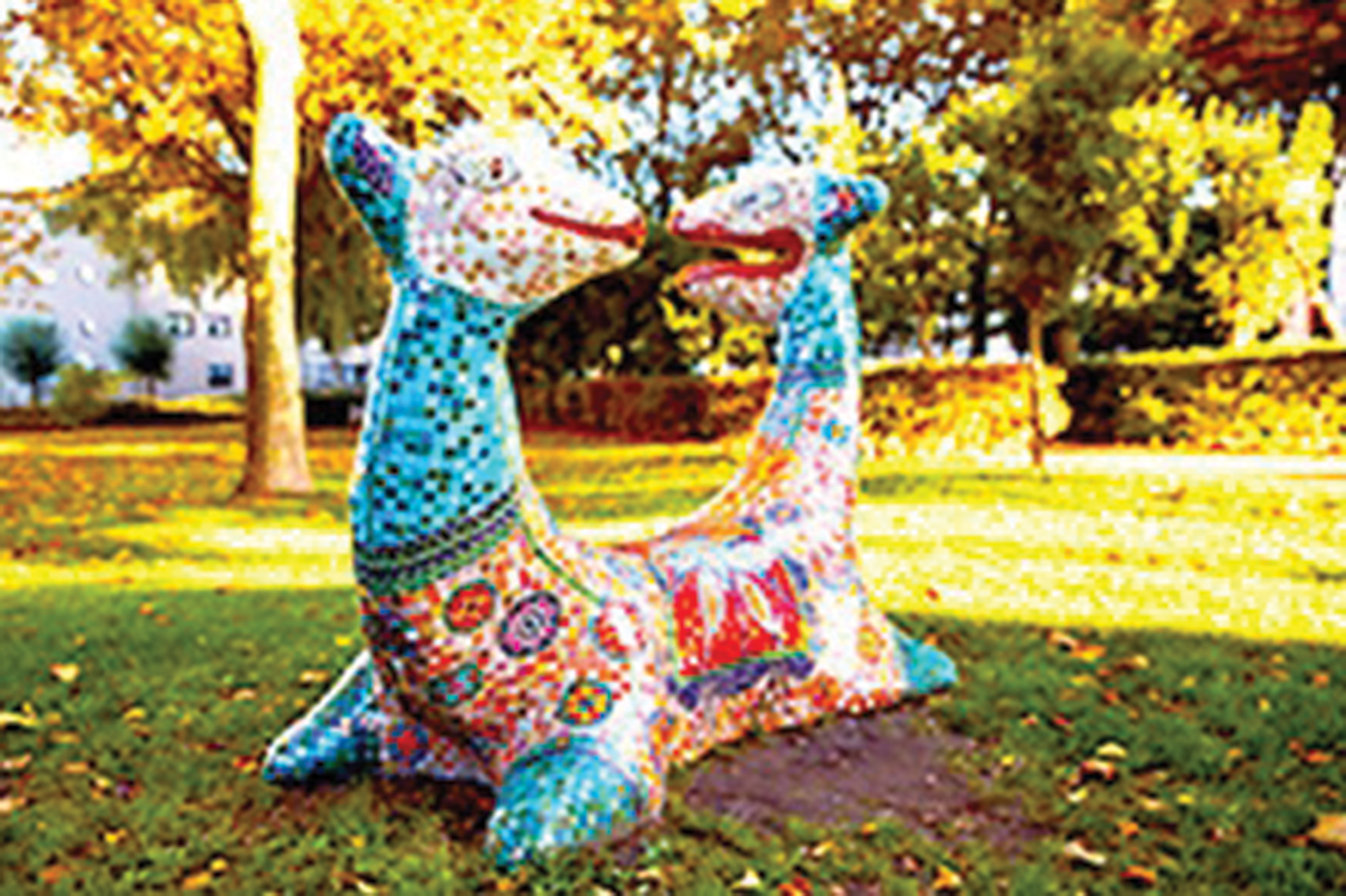
Figure 1 - Example of community art in park.
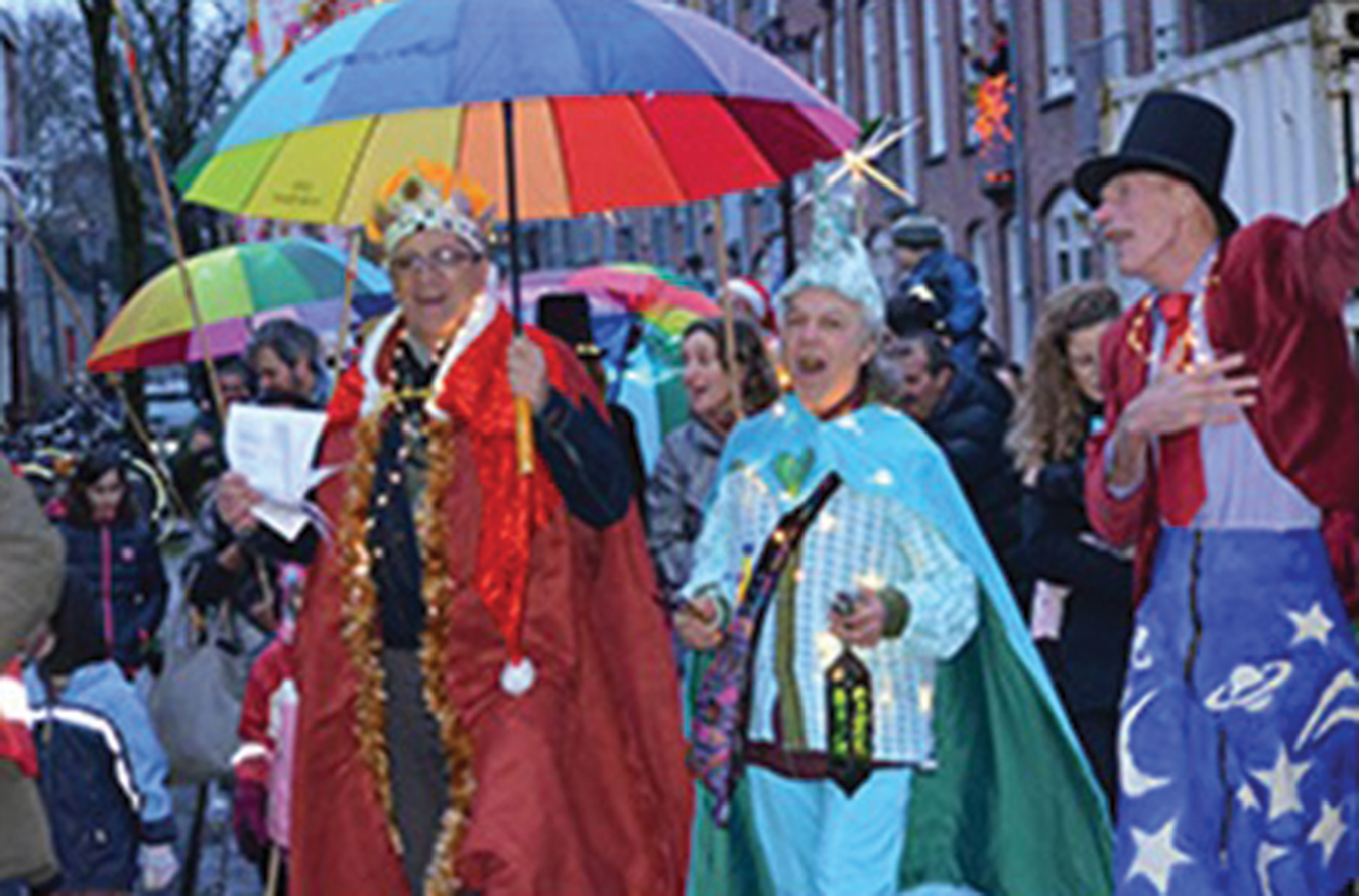
Figure 2 - The artists of ACCU, a company in Amsterdam, the Netherlands, initiate art projects, foster imagination, and bring music into daily life. The art serves to connect people, enhance their curiosity, and further social connection and cohesion in neighborhoods. During their long experience, a working process was developed where they look for “local capital”: what vigor, talents, and dreams are there among the inhabitants? Then, a plan is developed to connect them in social artistic projects, such as mosaics, music, and theatrical activities. The company considers the involvement of people with a variety of social and cultural backgrounds, levels of education, and age in the development and practice of the projects to be of utmost importance (https://stichtingaccu.nl/). These days the projects are funded through crowdfunding and by commission (https://www.voordekunst.nl/).
Often, in arts evaluations, the economic perspective of monetization; that is, how much money is made during a cultural activity is assessed, since public funding plays an essential role in culture, and policymakers feel the need to show the tangible economic benefits of how public money has been spent (Dekker, 2015). However, this method is problematic for social arts that provide non-marketed goods and represent societal values other than financial gain (Donovan & O’Brien, 2016; Robertson et al., 2009). At the same time, using cultural values to measure social arts is also problematic, as culture is not always socially oriented and can have both positive and negative effects on social issues such as intercultural dialogue, cultural identity, and community building (Cox & Boydell, 2015; Bogt & Tillema, 2016). Another problem is that multiple funding bodies have different agendas and conditions such that the evaluation is influenced by these conceptualizations. This high degree of heterogeneity in the funding sector causes significant differences in evaluation practices and can account for the low frequency of evaluations (Belfiore & Bennnett, 2010; Wandersman & Florin, 2003).
As stated, we suggest that integrating the multiple arts and social perspectives within the evaluation will enable researchers to more clearly identify the outcomes of the activity. We use the above theoretical variety as a starting point for an all-encompassing evaluation that can hold these multiple perceived potential outcomes and thus identify the different types of benefits that various actors perceive and work towards. The first step as noted above, before the actual project starts, is to formulate the intended results and social change as defined by the stakeholders, artists, community social workers, arts therapists, policymakers, and community members who will be involved in the social art initiative. This stage serves to articulate, define, and map out the multiple goals of the art project as perceived by each of the different stakeholders. This articulation process helps to clarify or create a map of the multiple pathways that can be followed over the course of the project. It makes the implicit aims described above explicit.
This stage includes creating a different but shared vision between all the stakeholders in the social art initiative, to enable them to understand and perhaps integrate all of their separate aims, and develop a common perspective, drawing on the collaborative power of the multifaceted social arts approach. Although each party may have different aims, they are all dependent on each other. In other words, the policymaker and the social practitioner need the ideas of the artist, since they cannot achieve the goals they have defined alone. Similarly, the artists need the funders and social practitioners. Thus, although there are multiple aims and maps of how to reach each aim, there is also a constant collaborative interdependent element. For example, the aim of a community worker may be to ensure that the process enables those with disabilities in the area to participate. These two aims may even be contradictory and need to be worked out. These two aims, however, will need to be included within the evaluation of a project. This planning stage and dialogue can include a forward-thinking perspective, where individual stakeholders can follow their aims to try to better understand what is needed in order to reach the desired long-term social change. In other words, they examine the relationship between the social art activity and the targeted change and can use the stakeholders to formulate this and to plan the ways that the aim can be reached within the art activity.
Part of this collaborative evaluation is to map out the methods used, based on instruments specific to each stakeholder (questioners, interviews, arts products, etc.). These assessment activities (such as questionnaires, interviews, and observations) need to be integrated into the social arts activity before, or from the start of the activity, in order to gather the relevant data and thus need to be planned ahead. It is important to understand that there will be multiple assessments. Each method (questionnaires, interviews, evaluation of money made, or quality of art products) will capture one facet, but not the whole of the project.
Because of the dynamic nature of social arts projects, often unexpected side benefits and shifts in the aims occur over the project; these must be “captured” through ongoing documentation and meetings of the different stakeholders. This could lead to rethinking the original aims and maybe readjusting them.
At the third and final stage, the project and different types of data gathered can be analyzed by the different stakeholders and integrated. This final stage enables a coherent but multifaceted evaluation and helps to canonize and define what social arts are for future projects. The importance of this bottom-up, and also top-down, perspective is that knowledge about social arts is created from the ground, providing precedents and deeper understand that can become a canon of knowledge for future evaluations.
Conclusive Remarks
This study is theoretical, yet it suggests a practical methodology that emerges from its conception of the multiple theoretical bases of social arts that we outlined. We point to the different understandings and aims that may be working together within a single project. Without understanding and making space for these multiple perspectives, much value of social arts can be lost. We showed how important it is to maintain these multiple perspectives while also integrating them into a coherent evaluation. We have described how such a possible evaluation could be conducted.
The aim of this model is to integrate theoretical insights about social arts into a participatory evaluation process, pointing to the special elements of evaluating an arts-based project (Pawson & Tilley, 1997; Tacchi et al., 2003; Tilley, 2000). This evaluation can enable a characterization of social arts as used in society; that is, from a grounded “bottom-up” approach.
This could be the initial step toward a theoretical foundation for social arts and to creating a common ground for all of these stakeholders. This may enable theorists, trainers, artists, social practitioners, and social and arts policymakers to engage in useful evaluation processes (Wandersman & Florin, 2003).
For future policy practice, whether it is from a governmental or private funding body, this approach suggests the involvement of all stakeholders in an early stage, so all perspectives are included in the aims and the design of the actual project. In practice, this might imply more organization, interaction, and time of all parties than they were used to; thus, in those cases, an adaptation of behavior of all involved is needed.
Also, to capture possible shifts during a project, alertness of those involved in the practical work and the possibility is required. They must have the opportunity to share their observations with other stakeholders, and all who are involved need to have the flexibility to consider an adaptation of the project.
About the Authors
Ephrat Huss, PhD, Full Professor, Ben-Gurion University, Israel. Ephrat Huss is a professor of social work and art therapy at Ben-Gurion University of the Negev: She heads an innovative MA social work specialization that integrates arts in social practice and so has 40 students doing social arts projects per year: She has a background in fine arts. Her overall areas of research are the interface between arts and social practice and arts-based research: using arts as a way for accessing the voices of marginalized populations, specifically she has received competitive grants and published much on arts-based research with indigenous Bedouin women and youth in unrecognized villages in the south of Israel. She has published four books and over eighty articles on these subjects and has extensive collaborations with social arts projects in Israel and abroad. She is currently researching use of arts with refugees in Greece: She has set up and researched an Arab-Jewish youth group using the arts as communication and is active in the Women for Peace movement where she also introduced quilt making as a method to gain media attention.
Author to whom correspondence should be addressed; E-Mail: ehuss@bgu.ac.il; ORCID ID: https://orcid.org/0000-0003-3121-977X.
Eltje Bos, Phd, Professor Bos heads the Cultural and Social Dynamics research group of the University of Applied Sciences in Amsterdam. Also trained as drama teacher she mainly works on the use of arts and creativity in social work, and strategies of collaboration to increase livability in the city, often using creative interventions.She addresses the role of implicit (and explicit) power structures and diversity in these dynamics, also she intends to unfold unseen cultural dynamics.Eltje works in field labs within neighborhoods in Amsterdam, Rotterdam, the Hague using art based interventions, funded by the Dutch Scientific Council (RAAK, 2016-2018 and 2019-2021). Various local projects have been co-financed by the municipality of Amsterdam such as the future perspective - youngsters using storytelling, research on social entrepreneurship and refugees, participant in running Erasmus+ project PiCs on storytelling, and pictures to connect groups of youngsters. Her Phd thesis was on cultural policies and immigrants (2011 in Dutch). E-Mail: e.bos@hva.nl; ORCID ID: https://orcid.org/0000-0002-4006-5728.
12345References
Abramovitz, M., & Bardill, D. R. (1993). Should all social work students be educated for social change? Journal of Social Work Education, 29(1), 6–12. DOI: 10.1080/10437797.1993.10778794. | |
Antonovsky, A. (1979). Health stress and coping. Jossey-Bass. | |
Belfiore, E., & Bennet, O. (2008). The social impact of the arts. Palgrave Macmillan. DOI: 10.1057/9780230227774. | |
Belfiore, E., & Bennett, O. (2010). Beyond the “toolkit approach”: Arts impact evaluation research and the realities of cultural policy-making. Journal for Cultural Research, 14(2), 121–142. DOI: 10.1080/14797580903481280. | |
Belgrad, D. (1998). The culture of spontaneity: Improvisation and the arts in postwar America. University of Chicago Press. | |
Bell, C. E., & Robbins, S. J. (2007). Effect of art production on negative mood: A randomized, controlled trial. Art Therapy, 24(2), 71–75. DOI: 10.1080/07421656.2007.10129589. | |
Berman, K. S. (2017). Finding voice: A visual arts approach to engaging social change: Series: New public scholarship. University of Michigan Press. https://www.press.umich.edu/9256315. | |
Bishop, C. (2006). The social turn: Collaboration and its discontents. Artforum. http://www.artforum.com/html/issues/200602/new. | |
Bogt, H.T., & Tillema, S. (2016). Accounting for trust and control: Public sector partnerships in the arts. Critical Perspectives on Accounting, 37, 5–23. DOI: 10.1016/j.cpa.2015.10.002. | |
Bos, E. (2011). Cultuurbeleid en immigranten. SWP. | |
Bos, E., & Huss, E. (2023). Using art for social transformation international perspective for social workers, community workers and art therapists. Routledge. | |
Bohn, C. (2022). Contemporary art and event-based social theory. Theory, Culture & Society, 39(3), 51–74. DOI: 10.1177/02632764211042085. | |
Bourdieu, P. (1998). Distinction: A social critique of the judgement of taste. Routledge. | |
Bowen, E. H., & Kisida, B. (2019). Investigating causal effects of arts education experiences. Rice University’s Kinder Institute for Urban Research, 7(4). | |
Butler, M. L. (2001). Making waves. Women’s Studies International Forum, 24(3–4), 387–399. DOI: 10.1016/S0277-5395(01)00173-X. | |
Catterall, J. S., Dumais, S. A., & Hampden-Thompsan, G. (2012). The arts and achievement in the at-risk youth: Findings from four longitudinal studies. Washington, DC: National Empowerment for the Arts. https://www.arts.gov/sites/default/files/Arts-At-Risk-Youth.pdf. | |
Chemero, A. (2011). Radical embodied cognitive science. MIT Press. | |
Gonçalves, S., & Majhanovich, S. (Eds.). (2016). Comparative and international education: A diversity of voices. SensePublishers. | |
Cox, S. M., & Boydell, K. M. (2015). Ethical issues in arts-based health research. In P. Camic & L. Wilson (Eds.), Creative arts in public health: International perspectives. Oxford University Press. | |
Csikszentmihalyi, M. (1991). Flow: The psychology of optimal experience. HarperPerennial. | |
Dekker, E. (2015). Two approaches to study the value of art and culture, and the emergence of a third. Journal of Cultural Economics, 39, 309–326. DOI: 10.1007/s10824-014-9237-y. | |
De Petrillo, L., & Winner, E. (2005). Does art improve mood? A test of a key assumption underlying art therapy. Art Therapy, 22(4), 205–212. DOI: 10.1080/07421656.2005.10129521. | |
Dewey, J. (1934). Art as experience. Perigee Books. | |
Dimaggio, P., & Useem, M. (1978). Social class and arts consumption—The origins and consequences of class differences in exposure to the arts in America. Theory and Society, 5, 141–161. DOI: 10.1007/BF01702159. | |
Donovan, C., & O’Brien, D. (2016). Governing culture: Legislators, interpreters and accountants. Critical Perspectives on Accounting, 37, 24–34. DOI: 10.1016/j.cpa.2015.10.003. | |
Fanon, F. (2004). The wretched of the earth. Grove Press. | |
Foster, V. (1997). Feminist theory and the construction of citizenship education in the modern state. In K. Kennedy (Ed.), Citizenship education and the modern state (pp. 54–64). Falmer Press. | |
Foster, V. (2007). Ways of knowing and showing: Imagination and representation in feminist participatory social research. Journal of Social Work Practice, 21(3), 361–376. DOI: 10.1080/02650530701553732. | |
Frost, J. (2005). Lessons from disasters: Play, work, and the creative arts. Childhood Education, 82(1), 2–8. DOI: 10.1080/00094056.2005.10521332. | |
Garofalo, R. (2010). Politics, mediation, social context, and public use. In P. N. Juslin & J. A. Sloboda (Eds.), Handbook of music and emotion: Theory, research, applications (pp. 725–754). Oxford University Press. https://psycnet.apa.org/record/2010-02543-026. | |
Geertz, C. (1993). The interpretation of cultures: Selected essays. Basic Books. | |
Goldberger, N., & Veroff, J. (1995). Culture and psychology reader. New York University Press. | |
Harrington, A. (2004). Art and social theory: Sociological arguments in aesthetics. Polity Press. | |
Hass-Cohen, N., & Carr, R. (Eds.). (2008). Art Therapy and clinical neuroscience. Jessica Kingsley Publishers. | |
Helguera, P. (2013). Education for socially engaged art. Jorge Pinto Books. | |
Henderson, P., Rosen, D., & Mascaro, N. (2007). Empirical study on the healing nature of mandalas. Psychology of Aesthetics, Creativity, and the Arts, 1(3), 148–154. DOI: 10.1037/1931-3896.1.3.148. | |
Hills, P. (2001). Modern art in the USA: Issues and controversies of the 20th century. Prentice-Hall. | |
Hogan, S. (1997). Feminist approaches to art therapy. Routledge. | |
Hooks, B. (1992). Black looks: Race and representation. SEP. | |
Horber-Papazian, K., & Baud-Lavigne, M. (2019). Factors contributing to the strong institutionalization of policy evaluation in Switzerland. In A. Ladner, N. Soguel, Y. Emery, S. Weerts, & S. Nahrath (Eds.), Swiss public administration: Making the state work successfully (pp. 355–371). Springer. | |
Huss, E. (2012). What we see and what we say: Using images in research, therapy, empowerment, and social change. Routledge. | |
Huss, E. (2015). A theory-based approach to art therapy: Implications for teaching, research, and practice. Routledge. | |
Huss, E., & Maor, H. (2014). Toward an integrative theory for understanding art discourses. Visual Arts Research, 40(2), 44–56. DOI: 10.5406/visuartsrese.40.2.0044. | |
Huss, E., & Bos, E. (2019). Art in social work practice: Theory and practice: International perspectives. Routledge. | |
Huss, E., & Bos, E. (2022). Social work research using arts-based methods. Policy Press. | |
Jones, S. C., & Schumacher, T. G. (2009). Muzak: On functional music and power. Critical Studies On Mass Communication, 9(2), 156–169. DOI: 10.1080/15295039209366822. | |
Landy, R. J., & Montgomery, D. (2012). Theatre for change: Education, social action and therapy. Palgrave Macmillan. | |
Laurence, F., & Urbain, O. (Eds.). (2011). Music and solidarity: Questions of universality, consciousness and connection. Transaction Publishers. | |
Levine, E. G., & Levine, S. K. (2011). Art in action: Expressive arts therapy and social change. Jessica Kingsley. | |
Liebmann, M. (1996). Arts approaches to conflict. Jessica Kingsley. | |
Lingo, E. L., & Tepper, S. J. (2013). Looking back, looking forward: Arts-based careers and creative work. Work and Occupations, 40(4), 337–363. DOI: 10.1177/0730888413505229. | |
Lofland, L. H. (1998). The public realm: Exploring the city’s quintessential social territory. Transaction Publishers. | |
Maertz, G. (2019). Nostalgia for the future, modernism and heterogeneity in the visual arts of Nazi Germany. Columbia University Press. | |
Mahon, M. (2000). The visible evidence of cultural producers. Annual Review of Anthropology, 29, 467–492. DOI: 10.1146/annurev.anthro.29.1.467. | |
McLaughlin, H. (2009). Partnership: Panacea or pretence? Journal of Interprofessional Care, 18(2), 103–113. DOI: 10.1080/13561820410001686873. | |
Melegari, D. (1895). Journal intime de Benjamin Constant et lettres à sa famille et à ses amis. Paul Ollendorf. | |
Nelson, K., & Fivush, R. (2004). The emergence of autobiographical memory: A social cultural developmental theory. Psychological Review, 111(2), 486–511. DOI: 10.1037/0033-295X.111.2.486. | |
Pawson, R., & Tilley, N. (1997). Realistic evaluation. Sage. | |
Rajan, R. S., & Chand O’Neill, I. (2018). Arts evaluation and assessment: Measuring impact in schools and communities. Palgrave MacMillan. | |
Robertson, M., Rogers, P., & Leask, A. (2009). Progressing socio-cultural impact evaluation for festivals. Journal of Policy Research in Tourism, Leisure and Events, 1(2), 156–169. DOI: 10.1080/19407960902992233. | |
Roege, G. B., & Kim, K. H. (2013). Why we need arts education. Empirical Studies of the Arts, 31(2), 121–130. DOI: 10.2190/EM.31.2.EOV.1. | |
Rosal, M. (2001). Cognitive-behavioral art therapy. In J. A. Rubin (Ed.), Approaches to art therapy: Theory and technique (pp. 210–225). Brunner/Mazel. | |
Rubin, J. (1999). Art therapy: An introduction. Brunner/Mazel. | |
Sachs Olsen, C. (2019). Socially engaged art and the neoliberal city. Routledge. | |
Said, E. (2003). Orientalism. Pantheon Books. | |
Sale, G., Jackson, R., Garcia, L., & McCroskey, J. (2023). Future IDs at Alcatraz: Transforming lives in immediate and necessary ways. In E. Bos & E. Huss (Eds.), Using art for social transformation: International perspective for social workers, community workers and art therapists (pp. 69–82). Routledge. | |
Saunders, J. N. (2019). Dramatic interventions: A multi-site case study analysis of student outcomes in the school drama program. University of Sydney. | |
Schruers, E. J., & Olson, K. (Eds.). (2020). Social practice art in turbulent times: The revolution will be live. Routledge. | |
Shank, M. (2005). Redefining the movement: Art activism. Seattle Journal for Social Justice, 3(2), 531–535. | |
Shefi, N., Orkibi, H., & Huss, E. (2022). Creating an empirically-based model of social arts as a public health resource: Training, typology, and impact. Frontiers in Public Health, 10, 985884. DOI: 10.3389/fpubh.2022.985884. | |
Simmons, H., & Hicks, J. (2006). Opening doors: Using the creative arts in learning and teaching. Arts and Humanities in Higher Education, 5, 77–79. DOI: 10.1177/1474022206059998. | |
Smith, D. (2002). Institutional ethnography. In T. May (Ed.), Qualitative research in action (pp. 17–53). Sage. | |
Soenen, R. (2003). Ethnography of actualised social relationships: The ambivalence in the everyday life of city dwellers. Kolor: Journal of Moving Communities, 3, 55–71. | |
Spindler, G. (1997). Transmission of culture. In G. Spindler (Ed.), Education and cultural anthropological approaches (pp. 273–279). Rinehart & Winston. | |
Sullivan, G. (2001). Artistic thinking as transcognitive practice: A reconciliation of the process-product dichotomy. Visual Arts Research, 27(1), 2–12. | |
Tacchi, J., Slater, D., & Hearn, G. (2003). Ethnographic action research: A user’s handbook. Unesco. https://eprints.qut.edu.au/4399/. | |
Travis, R., Jr., Rodwin, A. H., & Allcorn, A. (2018). Hip hop, empowerment, and clinical practice for homeless adults with severe mental illness. Social Work with Groups, 49(2), 83–100. DOI: 10.1080/01609513.2018.1486776. | |
Thompson, J., & Schechner, R. (2004). Why “social theatre”? TDR, 48(3), 11–16. DOI: 10.1162/1054204041667767. | |
Thompson, N. (2017). Living as form: Socially engaged art from 1991–2011. MIT Press. | |
Tilley, N. (2000, September). Realistic evaluation: An overview. Presented at the Founding Conference of the Danish Evaluation Society. http://healthimpactassessment.pbworks.com/f/Realistic+evaluation+an+overview+-+UoNT+England+-+2000.pdf. | |
Wandersman, A., & Florin, P. (2003). Community interventions and effective prevention. American Psychologist, 58(6–7), 441–448. DOI: 10.1037/0003-066X.58.6-7.441. | |
White, M., & Epston, D. (1990). Narrative means to therapeutic ends. Norton & Company. | |
Williams, R. (1983). Keywords: A vocabulary of culture and society. Oxford University Press. | |
Woodward, G. C., & Denton, R. E. (2018). Persuasion and influence in American life (7th ed.). Waveland Press. | |
Zelizer, C. (2003). The role of artistic processes in peace building in Bosnia-Herzegovina. Peace and Conflict Studies, 10(2), 62–75. DOI: 10.46743/1082-7307/2003.1039. | |
Zijlmans, K., & van Damme, W. (2008). World art studies. Samenwerkende Uitgevers. | |
Zimmerman, E. (2009). Reconceptualizing the role of creativity in art education theory and practice. Studies in Art Education, 50(4), 382–399. DOI: 10.1080/00393541.2009.11518783. |