Lips and Scissors
Volume 4, Issue 2, Pages 199-205
History
Received 01 July 2018
Accepted 01 September 2018
Open Access
This is an open access article.
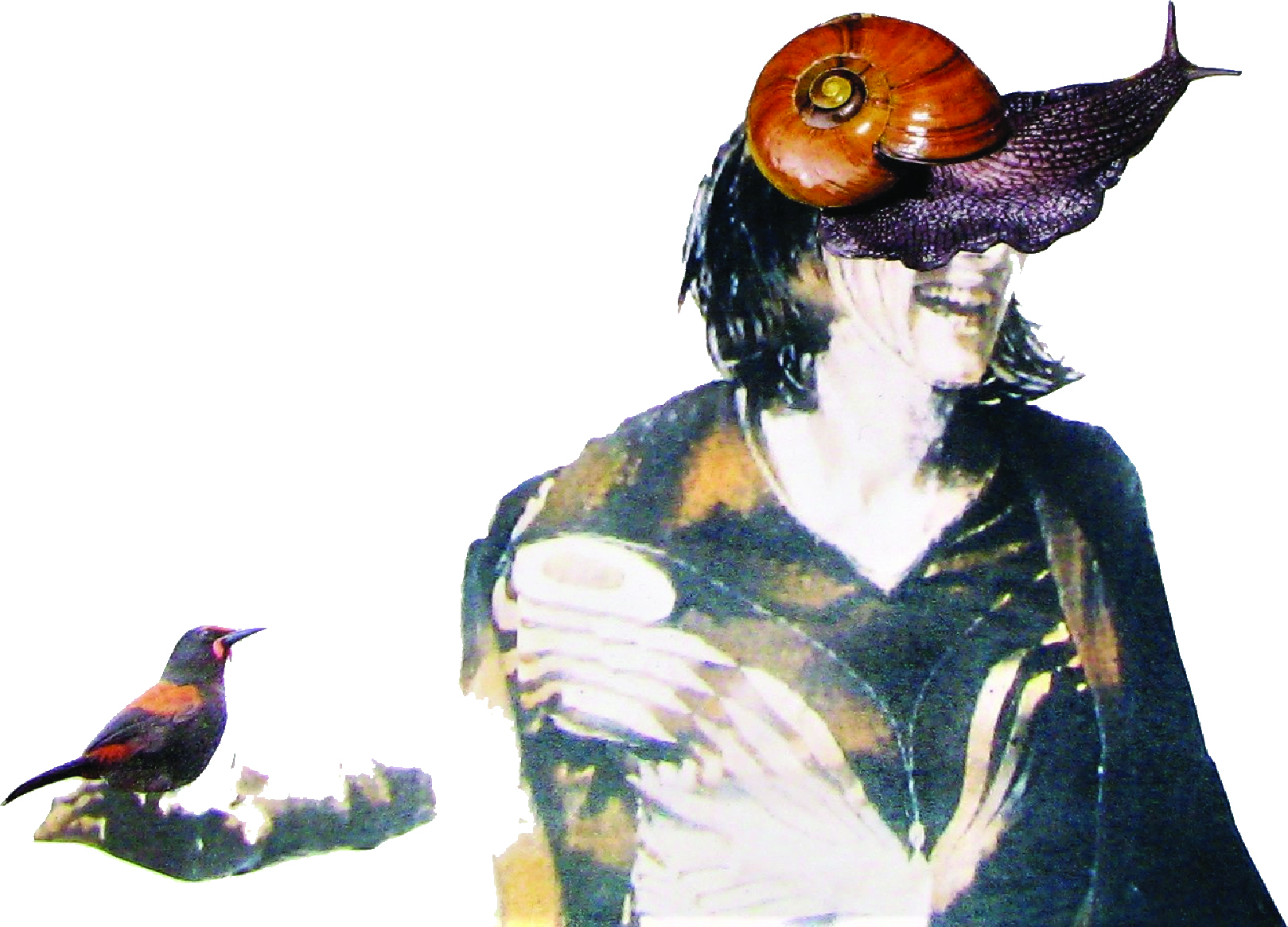
Figure 1 -
i
tasting arts-based research and auto-ethnography
means tasting with my whole body
it means tasting my home, my world, my self
with the sensitive sled1
of my flesh2
it means closing my eyes
and feeling the path in the dark
krishnamurti said
when we teach a child the name for bird
the child will never
see a bird again3
I hope to lose my words for a moment
to be open enough
and soft enough
and lost enough4
that I might feel
the feathery pulse
on my finger:
the exquisite lightness
of being5
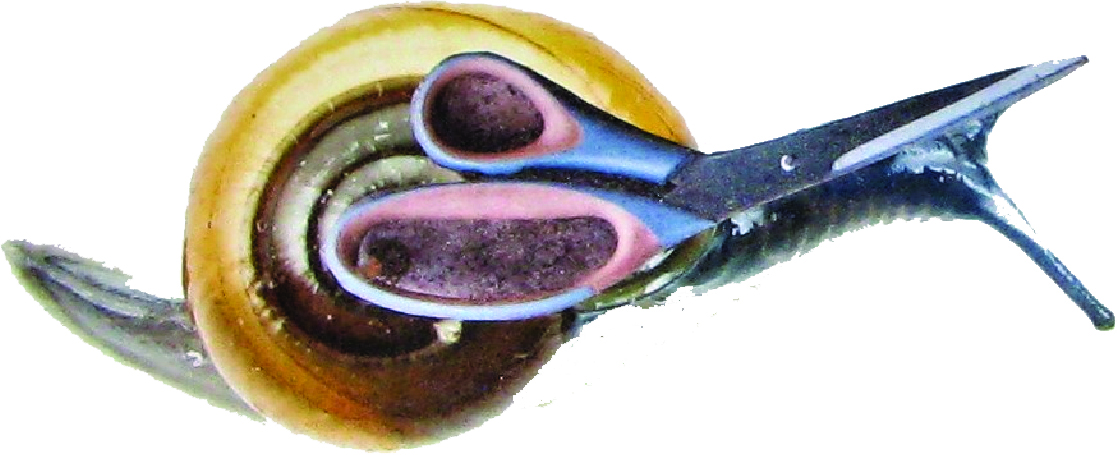
Figure 2 -
ii
as I taste
I snip
my slick and slippery
lips move like a pair of scissors6
leaving a trail of meaning
how can I avoid
cutting my own tongue?7
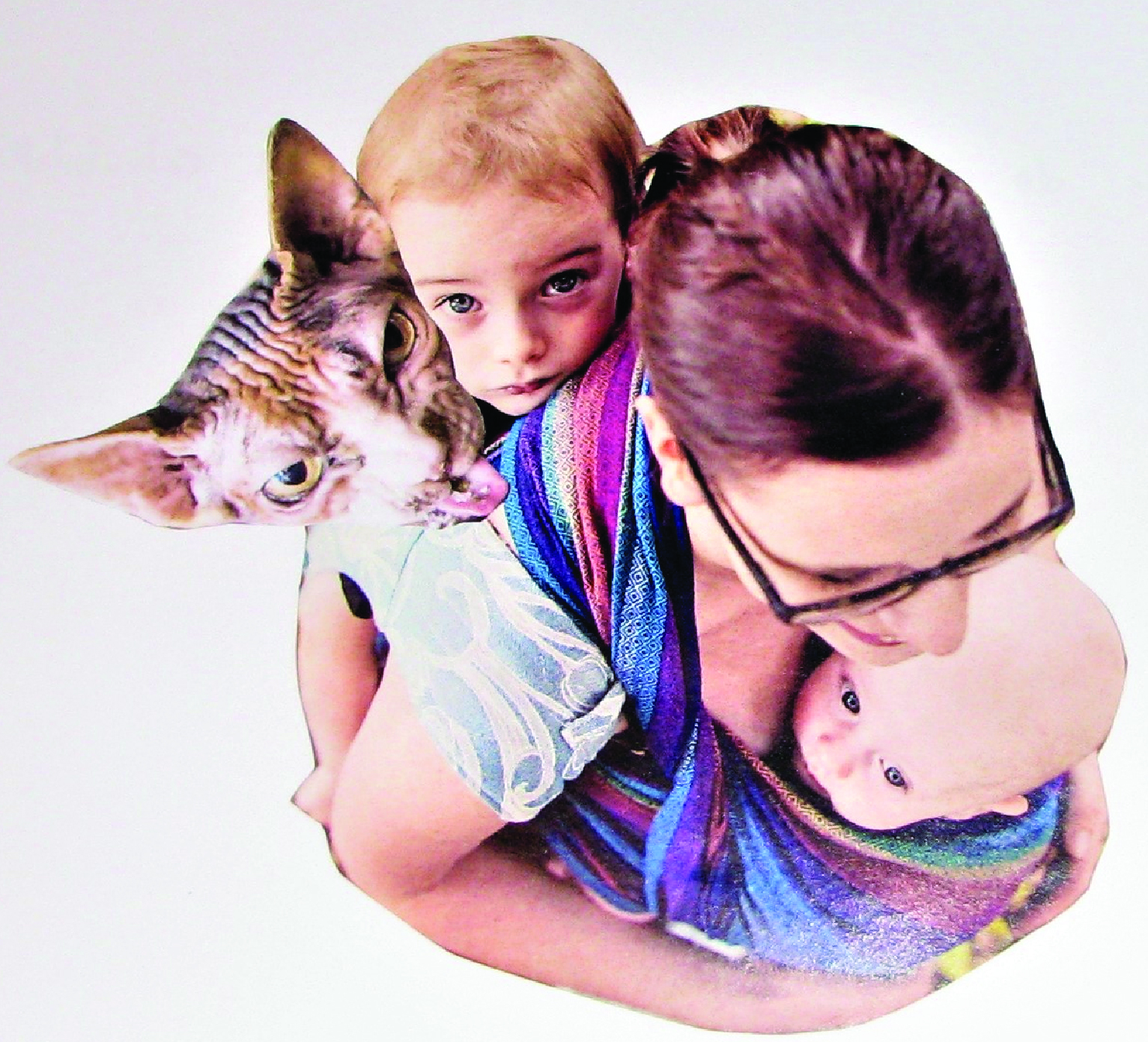
Figure 3 -
iii
who is guiding my scissors?
who’s voice is whispering in my ear?
what parasitic prejudice?
what privilege?
what hope?8
when the skin on my back
is awake
I can feel the hands, the claws
that guide me from behind
they lift their faces
and look towards the light9
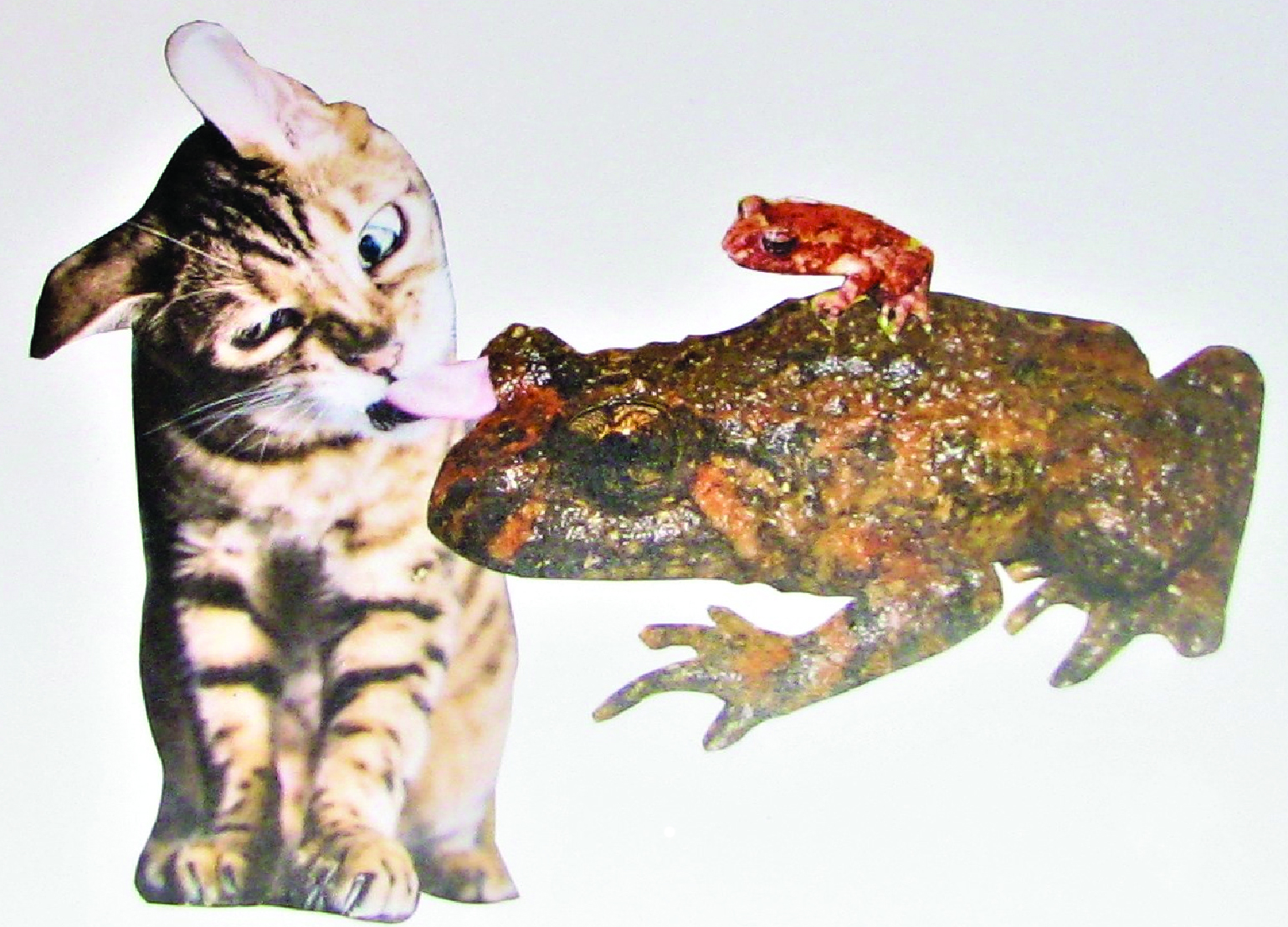
Figure 4 -
iv
it is necessary
to kiss the toad
or at least
lick its eyelid,
to look it in the eye
or at least
sit beside it10
the performance of my particular11
tongue and toad
might move you
or disgust you
how much of my toad
do you need to see?
and which part of my
tongue?
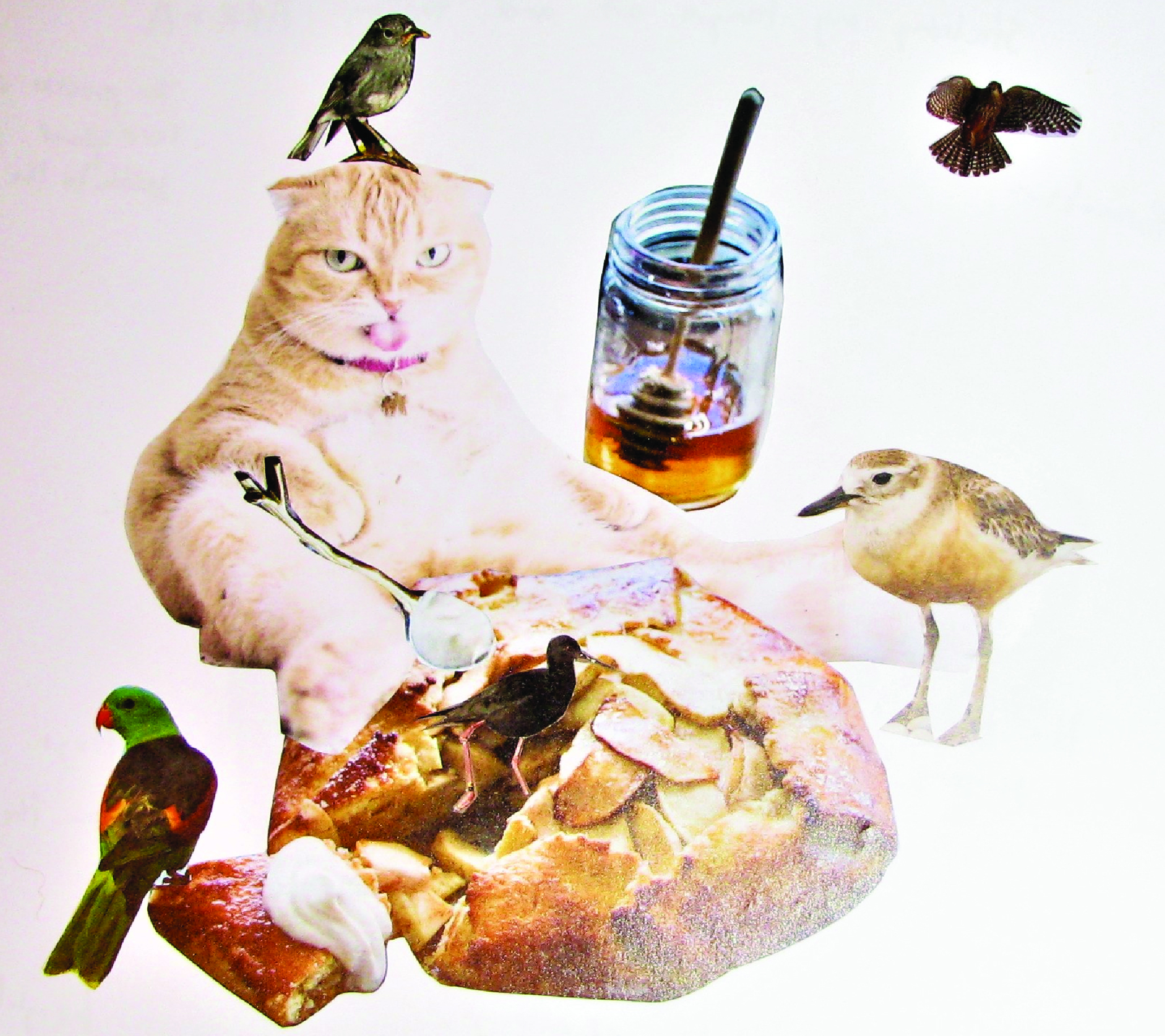
Figure 5 -
v
multiplicity and
proliferation
are heavy
words to digest
how many birds
is too many
birds in the nest?12
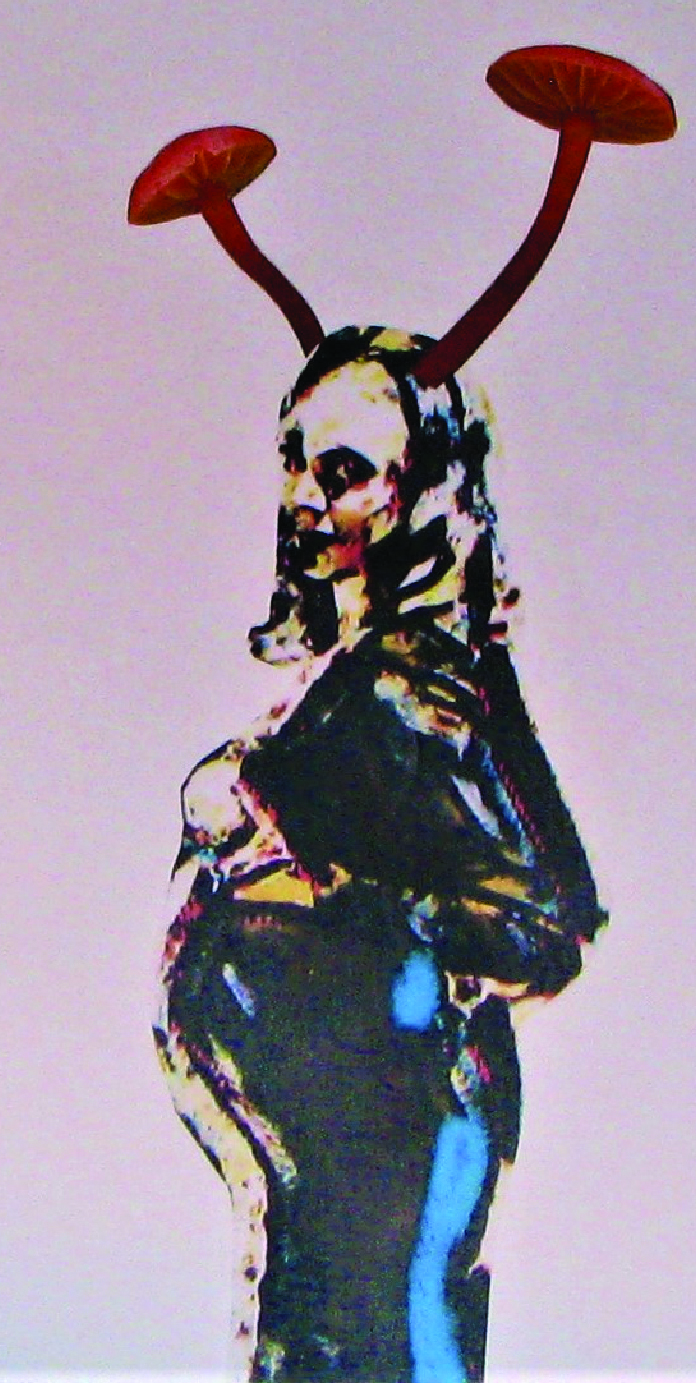
Figure 6 -
vi
do I need to explain my metaphors?
and trace their source? and how?
can I just let them bloom between us?13
look here!
above thousands of kilometres
of mycelium running
and digesting the underworld14
my art is rising
like the fragile face
of a mushroom
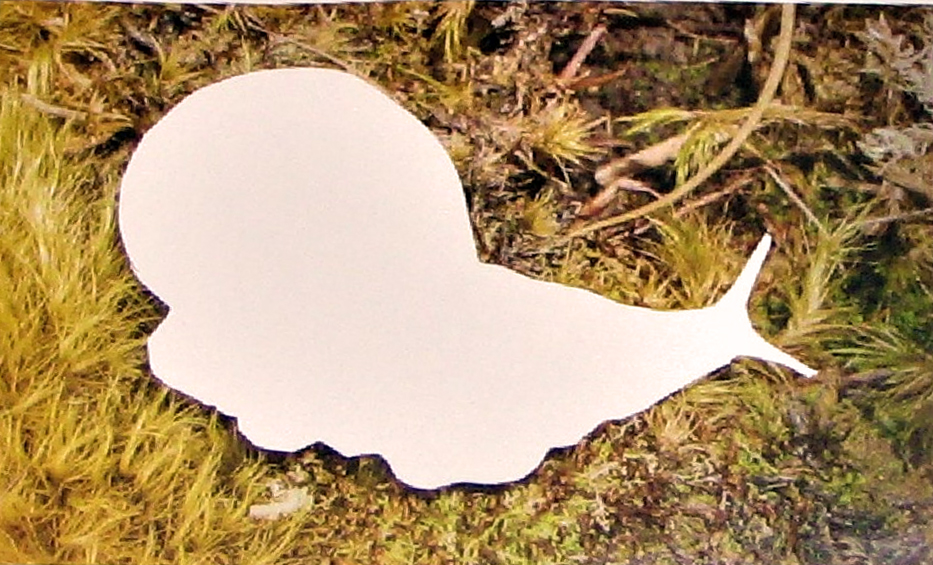
Figure 7 -
About the Author
Rata Gordon is a poet and creative facilitator living on Waiheke Island, New Zealand. She is currently studying towards a Master of Art Therapy at Whitecliffe College. Rata’s poems have been published widely including in Best New Zealand Poems. Her first poetry collection Thumb and Tongue is forthcoming with Victoria University Press. www.ratagordon.com
1“The snails on the pink sleds of their bodies are moving / among the morning glories” is a line of poetry by Mary Oliver (1992).
2Arts-based research emphasises embodied knowledge (Kapitan, 2018; Leavy, 2017)
3Jiddu Krishnamurti, as referred to by Adyashanti (2011, p. 6-7).
4Eberhart and Atkins suggest that in expressive arts therapy we focus on poiesis: “knowing by creating,” in contrast to theoria: “knowing by reason,” (p. 44) which involves suspending our habitual reliance on language (p. 86). McNiff (1998) says that the ABR “should correspond as closely as possible to the experience of therapy” (1998, p. 170).
5The Unbearable Lightness of Being is a book of philosophical fiction by Milan Kundera (1984).
6“Lips moving like a pair of scissors” is a line from Kate Atkinson’s (1995) novel Behind the Scenes at the Museum (p. 324).
7Varney et. al. (2014) highlight the tension between authenticity and being taken seriously by ones audience when conducting ABR.
8Auto-ethnographic research requires a rigorous examination of ones own context (Gray, 2011), which can be challenging because one is ‘inside’ oneself.
9Fortunately, arts-based processes can support the surfacing of ‘shadow’ aspects of self, making what was invisible visible.
10ABR is performative: it does not “simply describe or represent things [...] it actually does things” (Kapitan, 2018, p. 217).
11ABR focuses on the particular, unlike many other research methods that seek generalisations (Kapitan, 2018).
12A challenge of ABR is that it can create masses of data and multiple viewpoints (Kapitan, 2018), which can become hard to grapple with.
13McNiff (2014) advocates for allowing art to “speak for itself”.
14Mycelium Running is a book by Paul Stamets (2005). Mycelium is the part of a fungus which lives underground and absorbs nutrients. It is made of microscopically thin threads that can spread for thousands of acres and are thought to be the largest living organisms in the world (Stamets, 2005).
References
Adyashanti (2011). Falling into grace: insights on the end of suffering. Boulder, CO: Sounds True. | |
Atkinson, K. (1995). Behind the scenes at the museum. UK: Doubleday. | |
Chilton, G. & Scotti, V. (2014). Snipping, Gluing, Writing: The Properties of Collage as an Arts-Based Research Practice in Art Therapy. Art Therapy: Journal of the American Art Therapy Association, 31(4) pp. 163–171. | |
Gray, B. (2011). Auto-ethnography and arts therapy: The arts meet healing. Australian and New Zealand Journal of Arts Therapy 6(1). pp 67–80. | |
Kundera, M. (1984). The unbearable lightness of being. France: Gallimard. | |
Leavy, P. (2017). Research Design: Quantitative, Qualitative, Mixed Methods, Arts-Based, and Community-Based Research Approaches. New York: The Guilford Press. | |
Marttila, A. (2018). Cats on Catnip. NY: Running Press Adult. | |
McNiff, S. (1998). Art-based research. Boston, NY: Shambhala. | |
McNiff, S. (2014). Art Speaking for Itself: Evidence that Inspires and Convinces. Journal of Applied Arts & Health 5(2). pp 255–262. 10.1386/jaah.5.2.255_l | |
Oliver, M. (1992). New and Selected Poems, Vol. 1. Boston, MA: Beacon Press. | |
Stamets, P. (2005). Mycelium running: how mushrooms can help save the world. Berkeley, CA: Ten Speed Press. | |
Varney, H., Rumbold, B., and Sampson, A. (2014). Evidence in a Different Form: the Search Conference Process. Journal of Applied Arts and Health 5(2). pp 169-178. doi: io.i386/jaah.5.2.i69_i |